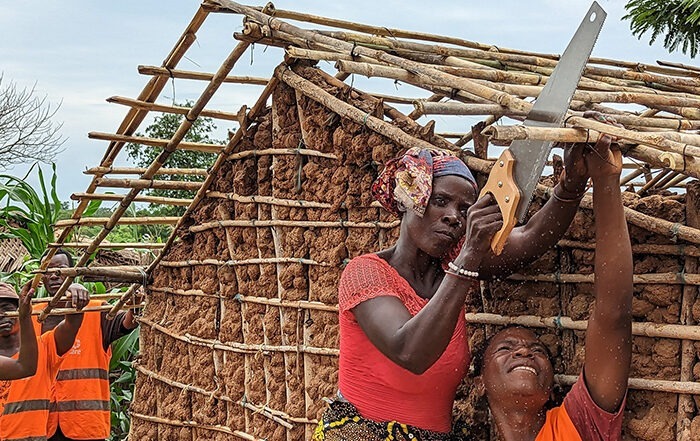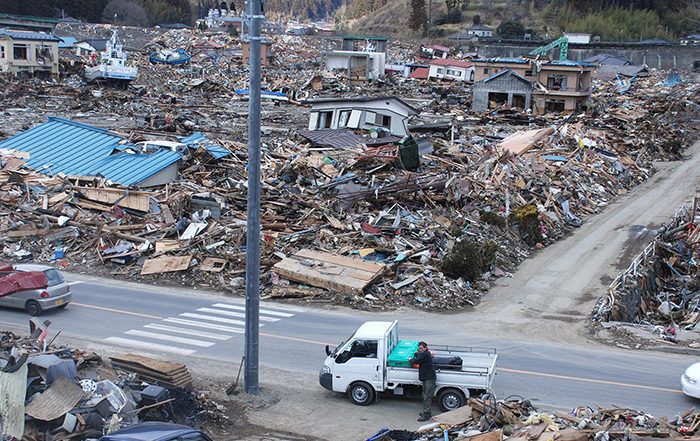
At ShelterBox, we often support communities that are reeling from the aftermath of extreme weather events, whether it be tropical storms or earthquakes. People may have been forced from their homes, be living in temporary shelters or returning to structures that have been damaged or destroyed.
As disasters become more severe and affect the same communities more frequently, recovery becomes increasingly difficult. While we can’t prevent future storms, we can support people to strengthen their homes and ensure the emergency shelter we provide is as resilient as possible.
One of the simplest ways to do this is through storm strapping. This small, low-cost item can significantly improve the resilience and durability of a shelter, ensuring families have somewhere safe and secure to live, for as long as possible.
What is storm strapping?
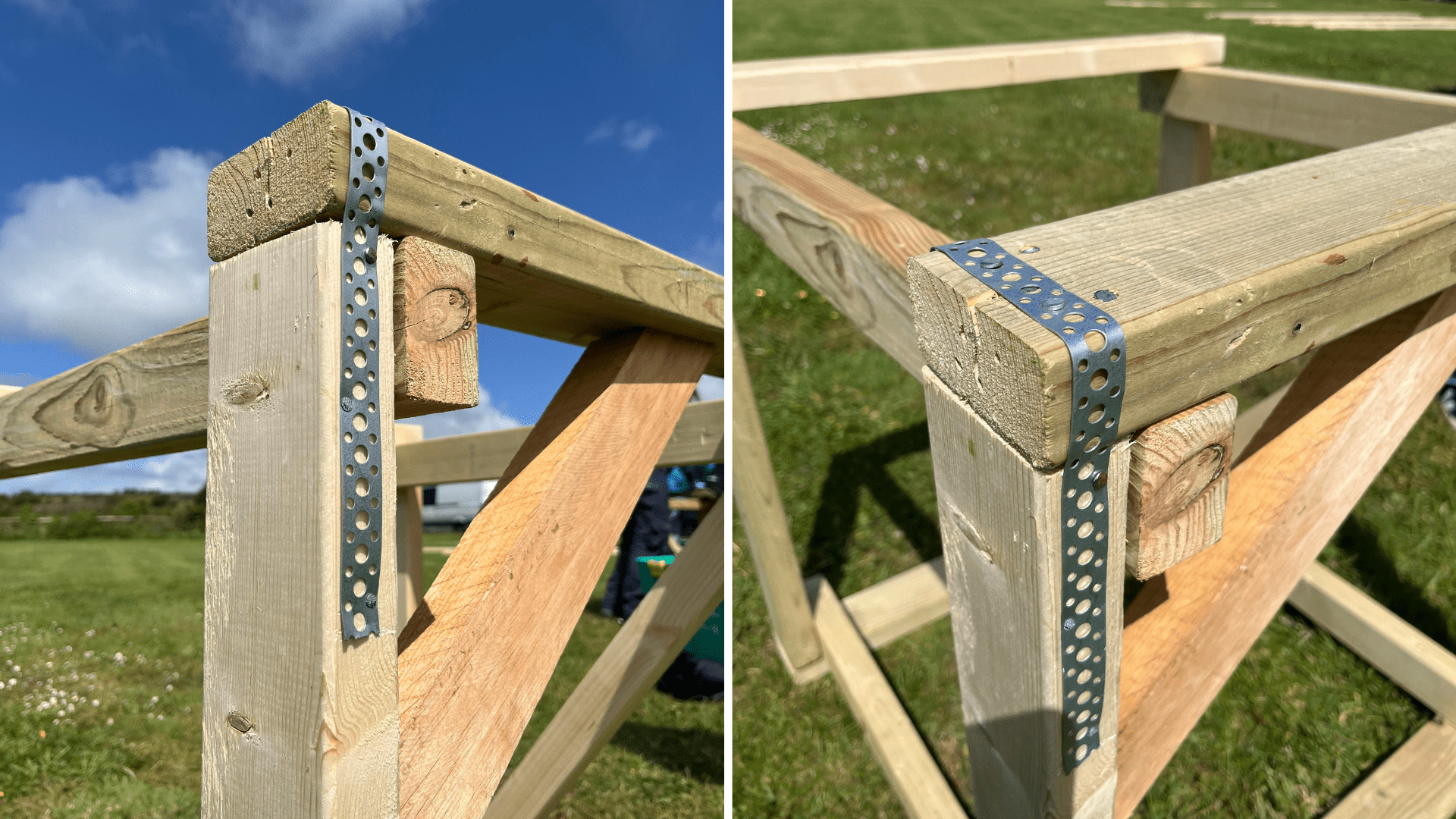
Storm strapping – often called ‘hurricane strapping’ or ‘typhoon straps’ – is a simple but highly effective way of helping shelters withstand strong winds.
Costing around £7 per roll, strapping helps reduce damage during hurricanes and typhoons and improve the resilience of homes and shelters.
Want to learn more about how storm strapping works? Read our guide to storm strapping.
Why small improvements matter
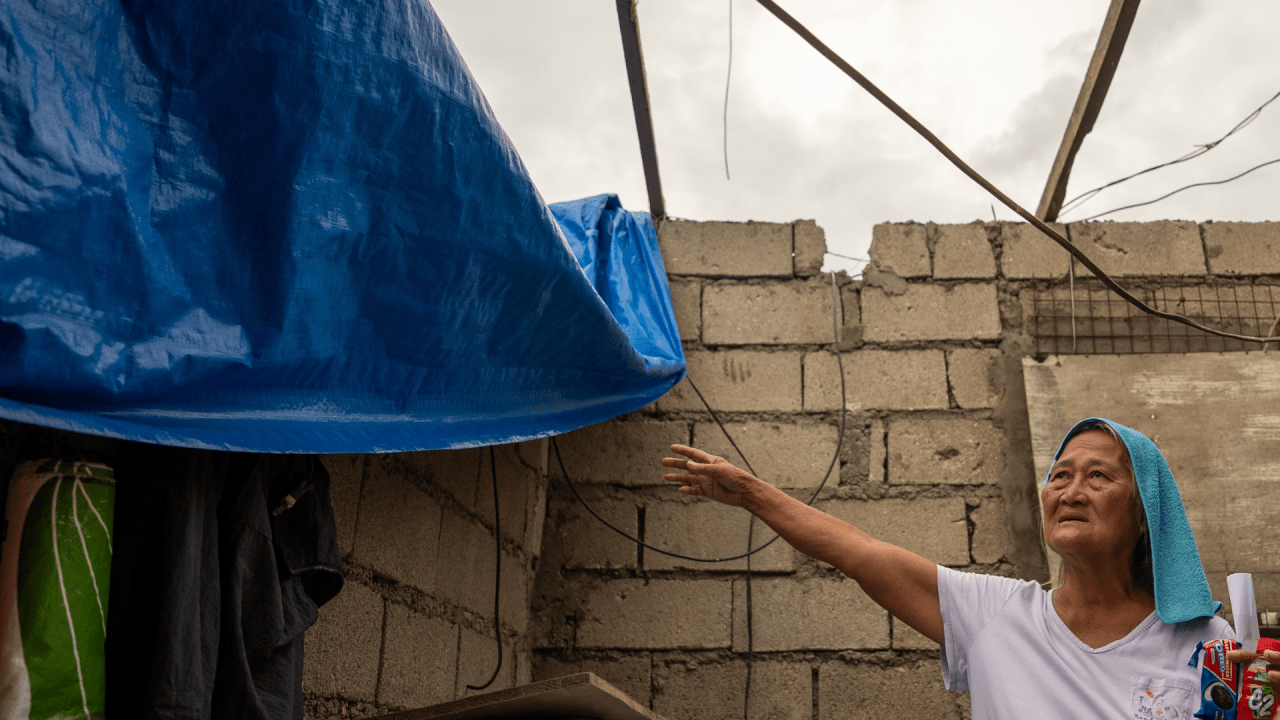
Storm strapping is a relatively small intervention that can make a meaningful difference, helping people protect their homes, belongings and livelihoods before the next storm arrives.
In simple terms, strapping works with, rather than against, the laws of physics. By reinforcing critical points within a structure, it helps distribute the forces generated by strong winds and heavy rain more effectively.
When these vulnerable points fail, roofs can lift, walls can collapse and damage can spread quickly. By improving the way a shelter holds together under pressure, storm strapping can reduce the likelihood of major damage.
A simple installation process
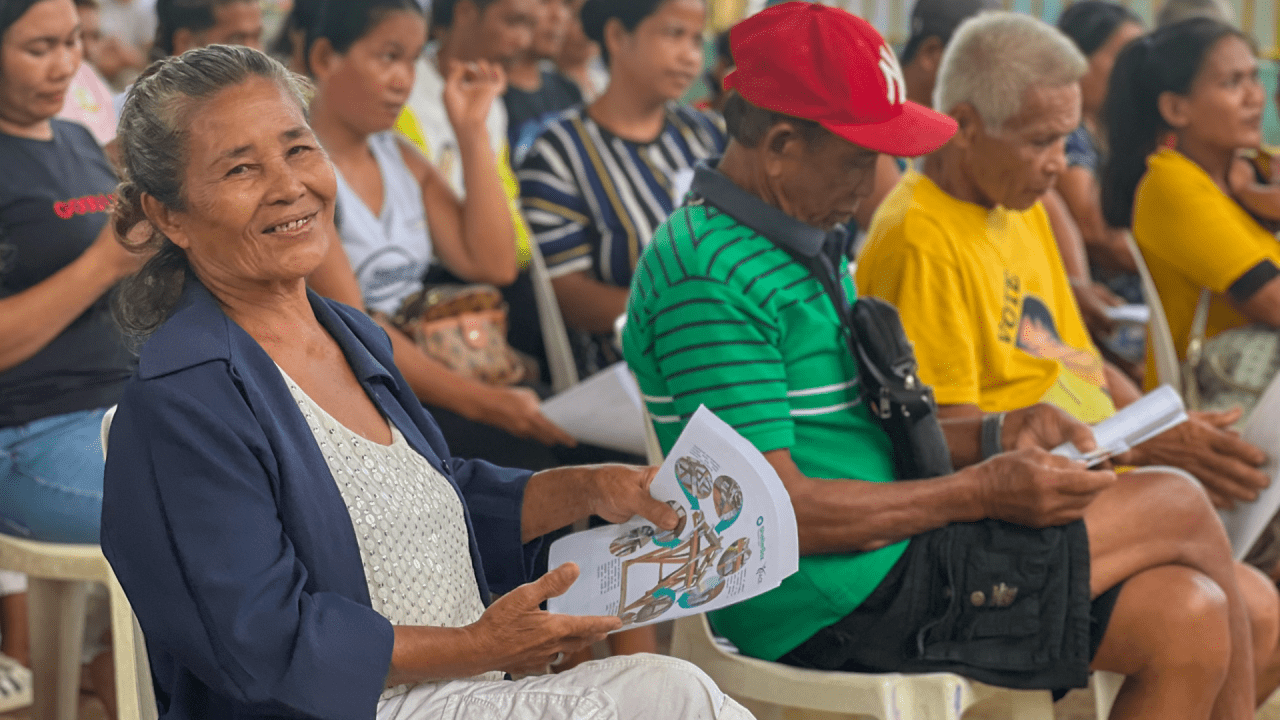
For storm strapping to be effective, it must be installed correctly. That’s why we provide practical guidance and training during responses, supporting people to understand where and how it should be used.
The process itself is straightforward. Once covered during a short training session, it typically doesn’t need to be repeated. Installation doesn’t require specialist skills or equipment – simply nails, a hammer and a suitable material to fix the strapping into, such as timber.
Users can cut the strap to the required length, place it over a connection point and secure it in place. In just a few minutes, a critical part of a shelter can be made significantly stronger. Communities can continue applying the same techniques long after a response has ended, helping maintain and improve shelters over time.
Where ShelterBox uses storm strapping
Storm strapping is most commonly used in responses where structures are exposed to extreme weather, such as emergency shelter facing continuous strong winds.
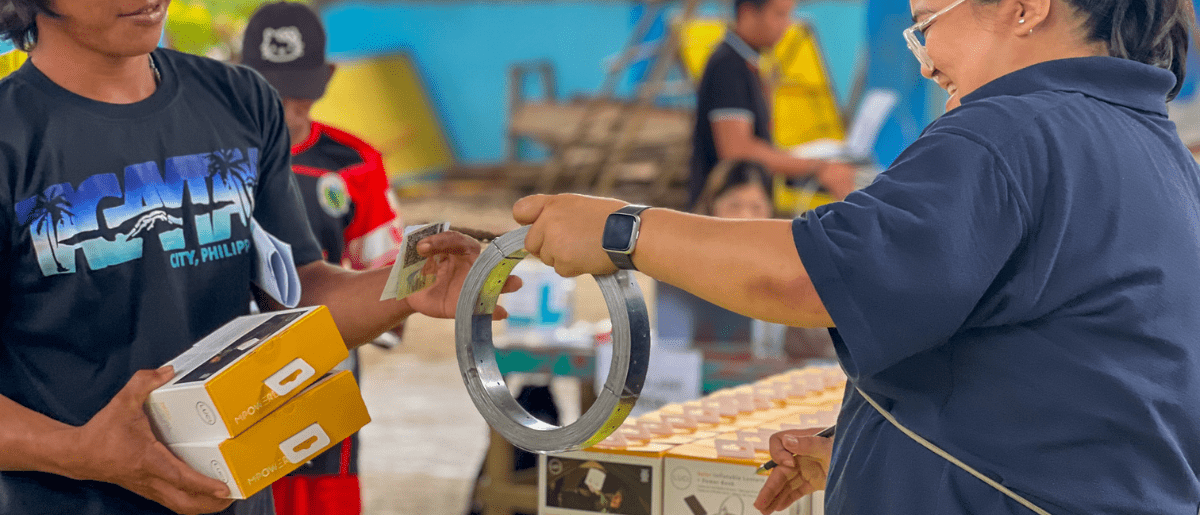
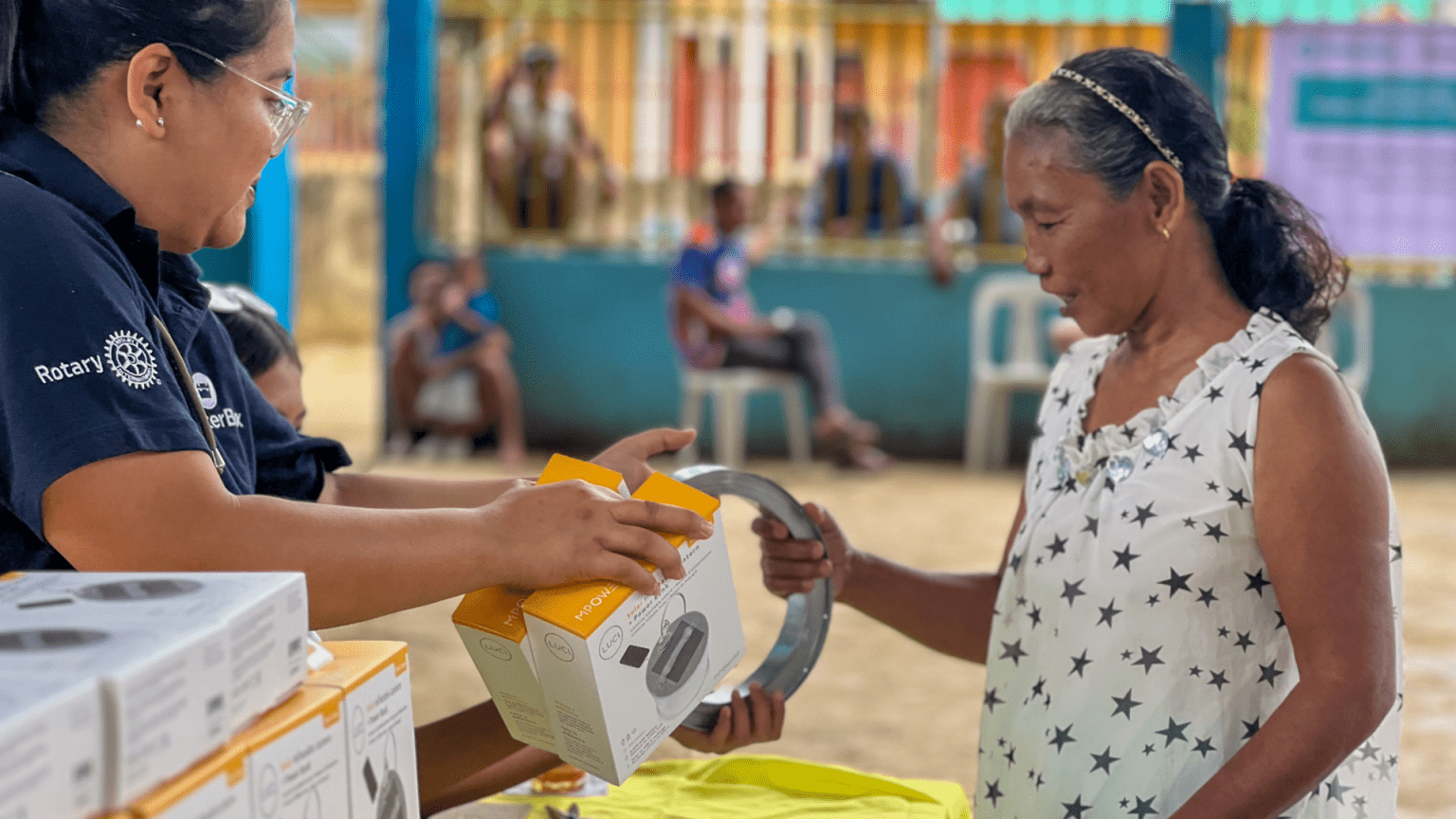
ShelterBox has been using strapping in different ways during responses for nearly eight years. Most recently, it formed a key part of our response to Typhoon Opong in the Philippines (known internationally as Typhoon Bualoi), where people received cash assistance, solar lights and typhoon straps, alongside practical training, to help strengthen their homes.
Melinda Marie Buensuceso, Programme Manager at ShelterBox Operations Philippines, said:
Typhoon strapping might look simple, but it’s incredibly effective and affordable. For just a few pounds, these straps can make a huge difference in keeping roofs secure during high winds. It’s a small item that saves homes – and lives.
In places like the Philippines, where communities can face multiple storms each year, strengthening homes isn’t just about recovering from the last disaster – it’s about reducing future risk and providing greater confidence in the safety of shelter.
For families rebuilding after Typhoon Bualoi, storm strapping can help safeguard homes and belongings when the next storm arrives.
As storms become more intense and communities face repeated cycles of recovery, preparedness is becoming increasingly important.
By pre-positioning storm strapping and other aid items in areas most at risk from extreme weather, we can support families more quickly and help communities recover faster after disaster.
This approach reflects ShelterBox’s wider focus on preparedness, access and working in partnership with communities and responders. This ensures shelter support reaches people when it is needed most.
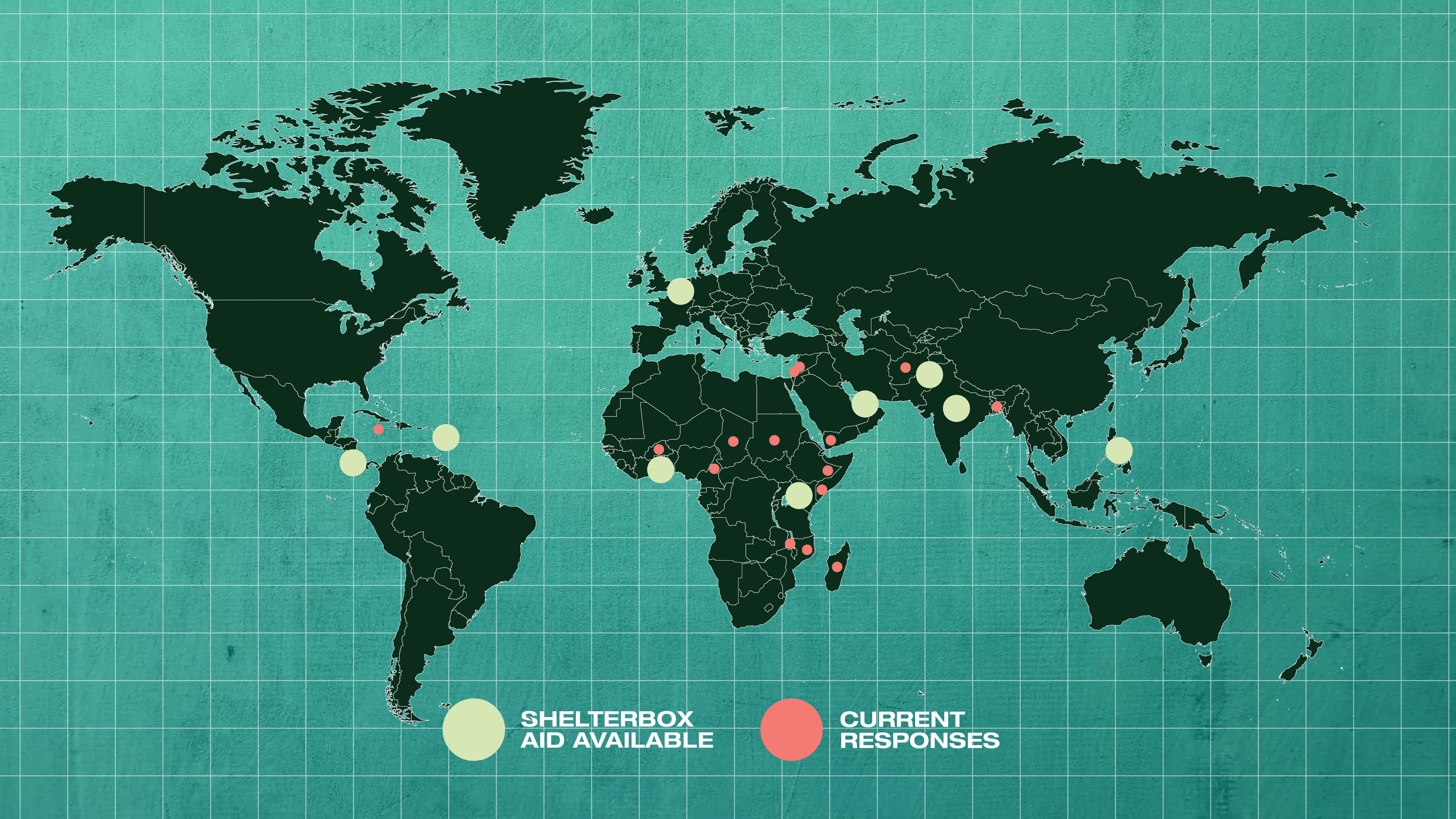
Storm strapping is currently stored in our warehouse in Cebu, Philippines, and we are exploring opportunities to pre-position supplies in other regions vulnerable to severe storms, including areas affected by the Atlantic hurricane season.
By storing aid closer to disaster-prone areas, we can respond faster and reach people sooner when storms hit.
Support families preparing for the next storm
Storm strapping is a small addition that can make a significant difference. By helping homes withstand extreme weather, it can protect belongings, reduce disruption and support longer-term recovery.
With your support, more families can strengthen their shelter before the next disaster strikes.
Ways to take action
- Donate to help provide emergency shelter and essential items after disaster.
- Fundraise to support people recovering and rebuilding their lives.
- Volunteer with us and help raise awareness of ShelterBox in your community
- Subscribe to our newsletter for the latest updates and stories from around the world.
- Follow and share our stories on social media to spread awareness of communities affected by disaster, conflict and the climate crisis.