The National Oceanic and Atmospheric Administration (NOAA) recently released its forecast for Atlantic hurricane season 2026, predicting a below-average year. But even in quieter seasons, hurricanes can still cause widespread damage.
No matter how the season unfolds, millions of people remain at risk of losing their homes. Preparedness remains essential.
A below-average season with real risks
The Atlantic hurricane season runs from June 1st to November 30th. For 2026, overall activity is expected to be lower than average. But storm counts alone do not reflect the full picture.
A single powerful hurricane can destroy homes in hours and displace families overnight. The impact of a season is shaped not just by how many storms form, but by where they strike and how intense they become.
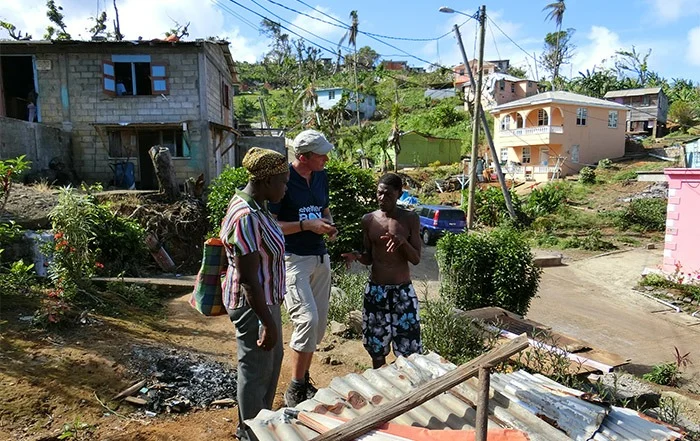
Across regions affected by disaster, conflict, and the climate crisis, millions of people are already living in fragile conditions. For them, even one storm can have lasting consequences.
What experts predict for Atlantic hurricane season this year
Forecasters from the NOAA expect:
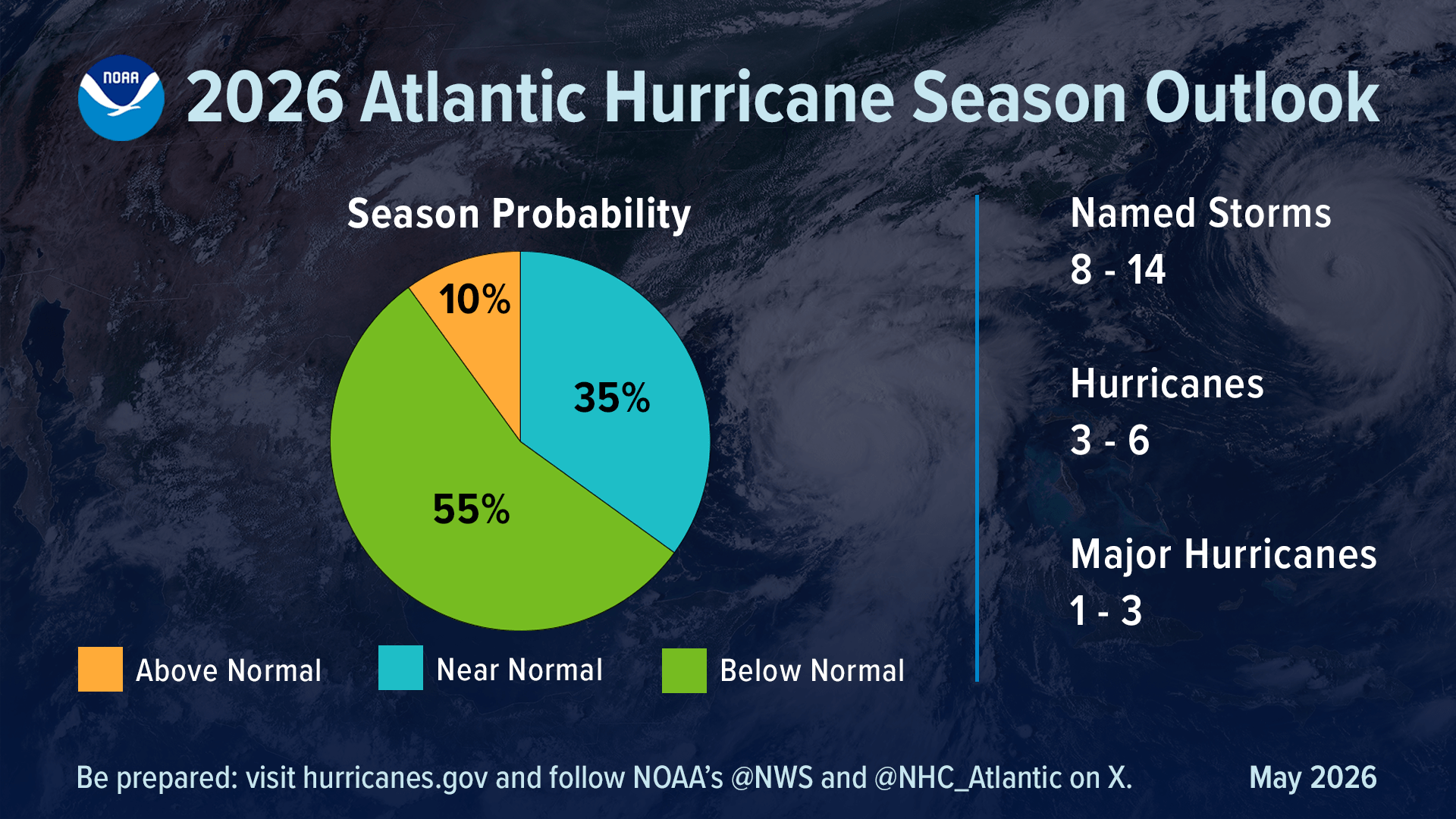
- Between 8 and 14 named storms this season
- 3 to 6 could of these will likely become hurricanes
- 1 to 3 are predicted to reach major hurricane strength – Category 3 or above, with winds of at least 111mph
Overall, experts believe there is a 55% chance of a below-normal season, alongside a smaller likelihood of near- or above-average activity.
At first glance, that may appear reassuring. But fewer storms do not mean lower risk. A single major hurricane can cause widespread destruction, particularly if it makes landfall in a populated or vulnerable area.
As NOAA National Weather Service Director Ken Graham explains:
“It only takes one storm to make for a very bad season.”
Why the 2026 season may be quieter
This year’s forecast is shaped by a balance of different climate conditions.
A developing El Niño is expected to play a significant role. This natural climate pattern warms ocean waters in the Pacific and increases wind shear across the Atlantic. These stronger upper-level winds can disrupt storms formation, making it harder for hurricanes to develop and intensify.
At the same time, Atlantic sea surface temperatures are slightly above average. Warm water is the fuel that powers hurricanes. When ocean temperatures rise, storms have more energy to draw from.
These competing factors create uncertainty. While El Niño may suppress overall activity, warmer waters still create the conditions for powerful storms to form.
Forecasts may point to a quieter season overall, but not necessarily a less destructive one.
Hurricane forecasting is improving
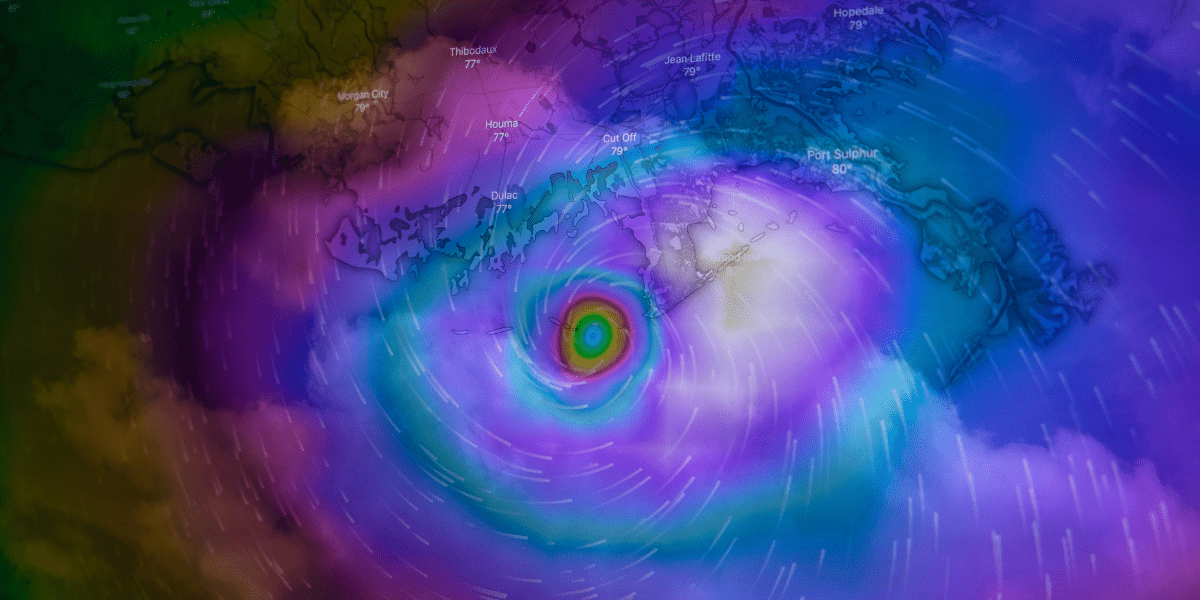
Hurricane forecasting has advanced significantly in recent years. Scientists use sophisticated models, satellite data and real-time tracking to better understand storm behaviour.
But there are still limits to what can be predicted.
Forecasters cannot say exactly when storms will form, where they will travel or how quickly they will intensify. Small changes in atmospheric conditions can have a major impact on how a storm develops.
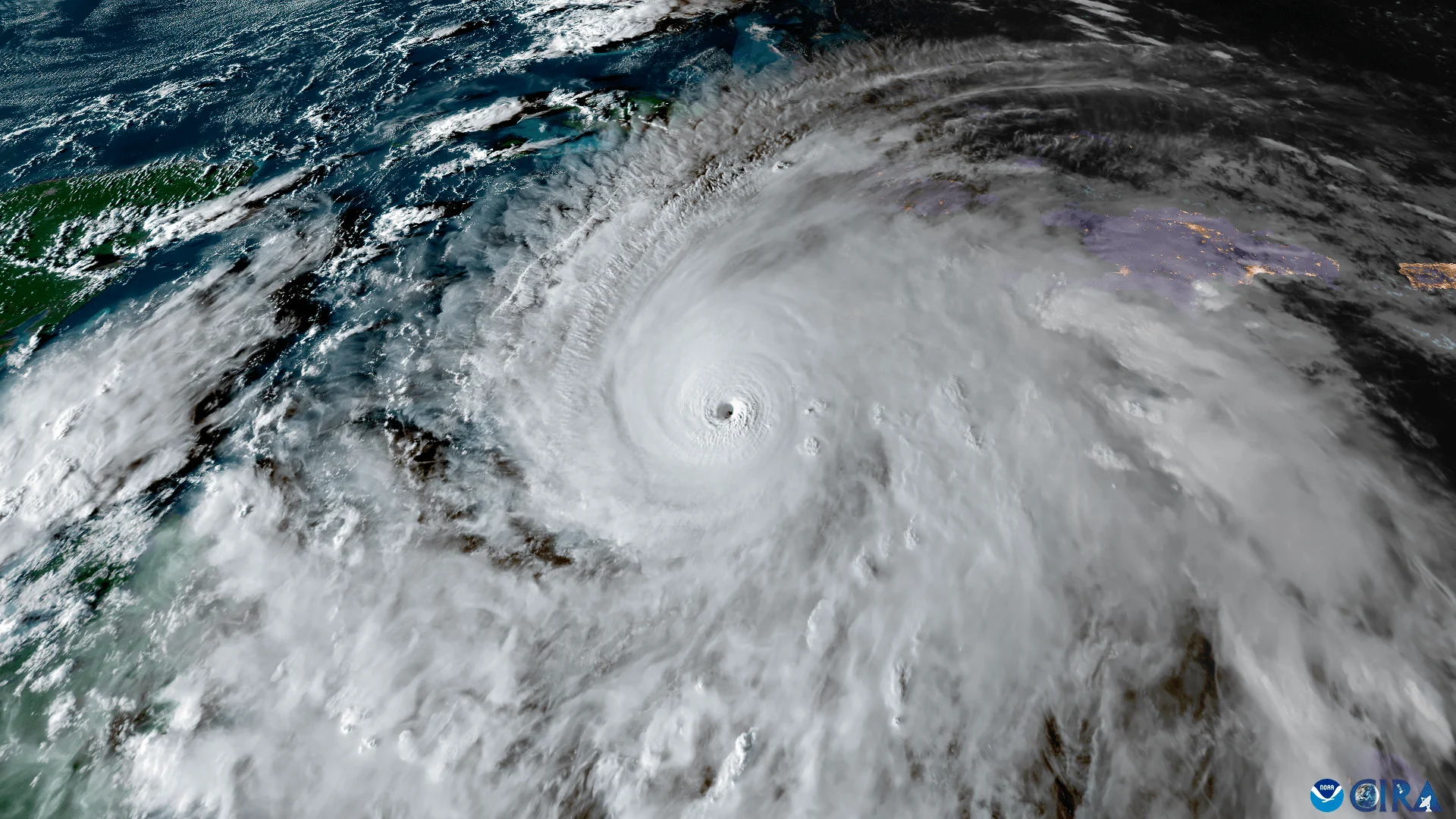
Recent seasons highlight this uncertainty. In 2025, the number of storms fell at the lower end of forecasts. However, the storms that did develop were particularly intense. There were four major hurricanes, including three Category 5 storms – one of the highest totals ever recorded in a single season.
This contrast between lower activity and higher intensity shows why preparedness cannot be based on numbers alone.
How 2026 compares to an average year
Between 1991 and 2020, the average Atlantic hurricane season included:
- 14 tropical storms
- 7 hurricanes
- 3 major hurricanes
The 2026 forecast sits below these averages. But averages do not capture the full picture. Some of the most destructive seasons in history have been driven by just a few powerful storms making landfall.
For communities in affected regions, the difference between an average and below-average season may mean very little if they experience a direct hit.
How the climate crisis is shaping storms
The climate crisis is changing the way hurricanes form and behave, increasing the risks faced by communities around the world.
Warmer ocean temperatures are providing more energy for storms, which can lead to stronger winds and more intense systems. At the same time, warmer air holds more moisture, resulting in heavier rainfall and an increased risk of flooding.
There is also growing evidence that hurricanes are moving more slowly. This can prolong the impact of a storm, keeping communities under heavy rain and strong winds for longer periods and increasing the potential for damage.
While experts do not necessarily expect a significant increase in the number of storms each year, they do expect storms to become more intense and more destructive.
The consequences are already being felt. Over the next 20 years, extreme storms could displace more than 200 million people worldwide, leaving millions in urgent need of safe shelter.
Why preparedness matters every year
A quieter forecast does not reduce the need to prepare. Hurricanes happen every year, and their impacts can be sudden and severe.
As NOAA National Weather Service Director Ken Graham highlights:
“Preparing now for hurricane season – and not waiting for a storm to threaten – is essential for staying ahead of any storm.”
When a storm strikes, emergency shelter is often the first and most urgent need. It provides protection from the elements, a place to rest and a foundation for recovery.
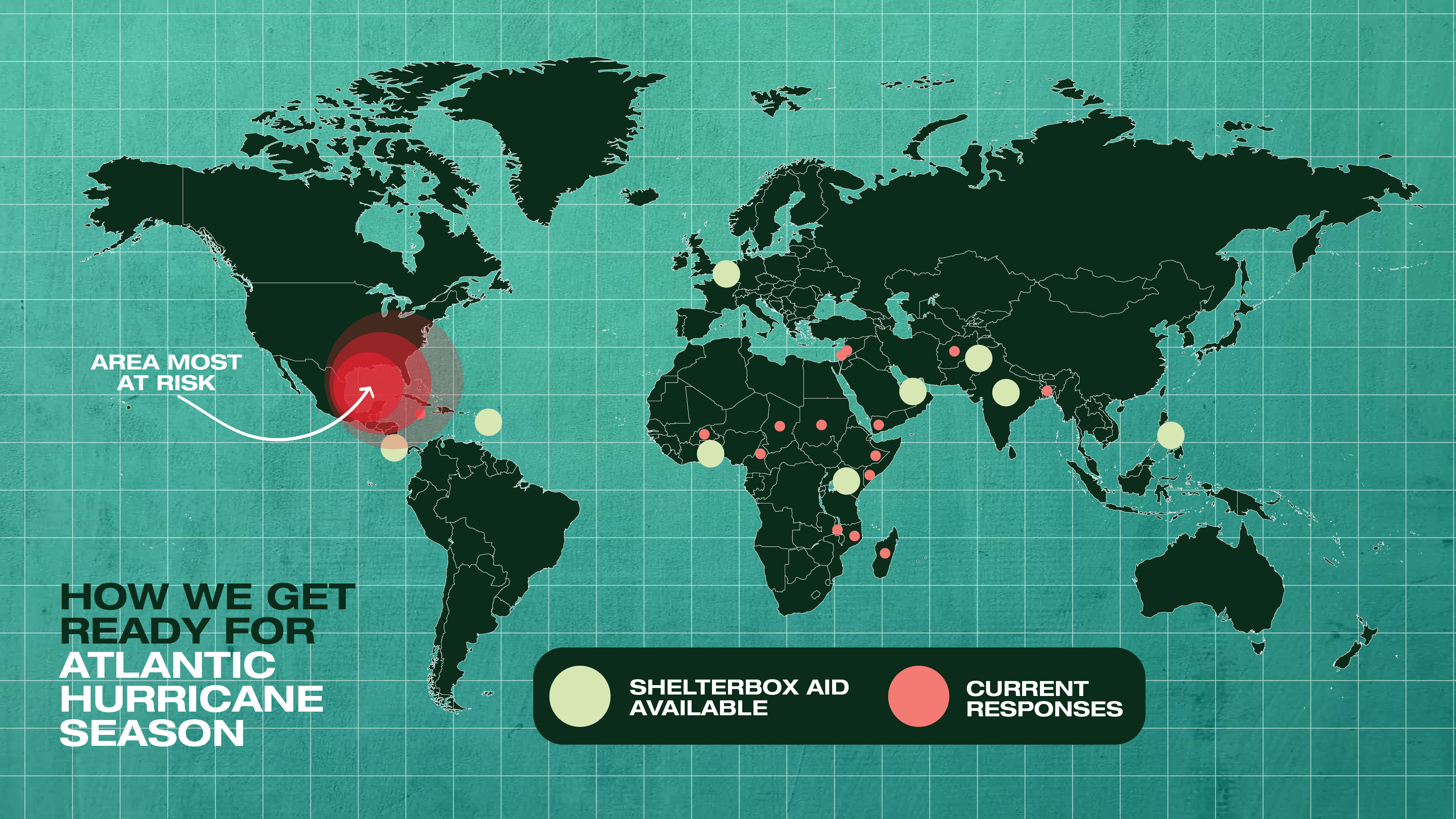
At ShelterBox, preparedness is continuous. This means prepositioning emergency shelter in strategic locations so it can be delivered quickly. It means strengthening supply chains and building relationships with trusted suppliers. It also means working closely with partners on the ground and developing detailed response plans before disasters happen.
This work allows us to respond quickly and effectively when communities need support most.
How ShelterBox monitors storms
We closely monitor developing storms throughout the hurricane season.
This includes using global forecasting tools and tracking systems, as well as following updates from local governments, disaster management agencies and news sources. These different perspectives help us build a clear picture of how a storm is likely to develop and where it may have the greatest impact.
After a storm makes landfall, we continue monitoring to understand the situation on the ground. This helps us assess the level of damage, identify urgent needs and determine whether emergency shelter support is required.
How you can support
When a hurricane destroys a home, the need for shelter is immediate.
ShelterBox provides emergency shelter after disaster, supporting families as they begin to recover and rebuild. This work is only possible because of our supporters.
Donations and fundraising allow us to preposition aid in warehouses around the world, ready to be deployed at short notice. They allow us to respond faster, reach more people and provide practical support when it matters most.
Together, we can ensure that families affected by hurricanes have a safe place to stay, and a foundation to move forward.