Aid items
Discover more about the aid items that help people rebuild their lives after disaster
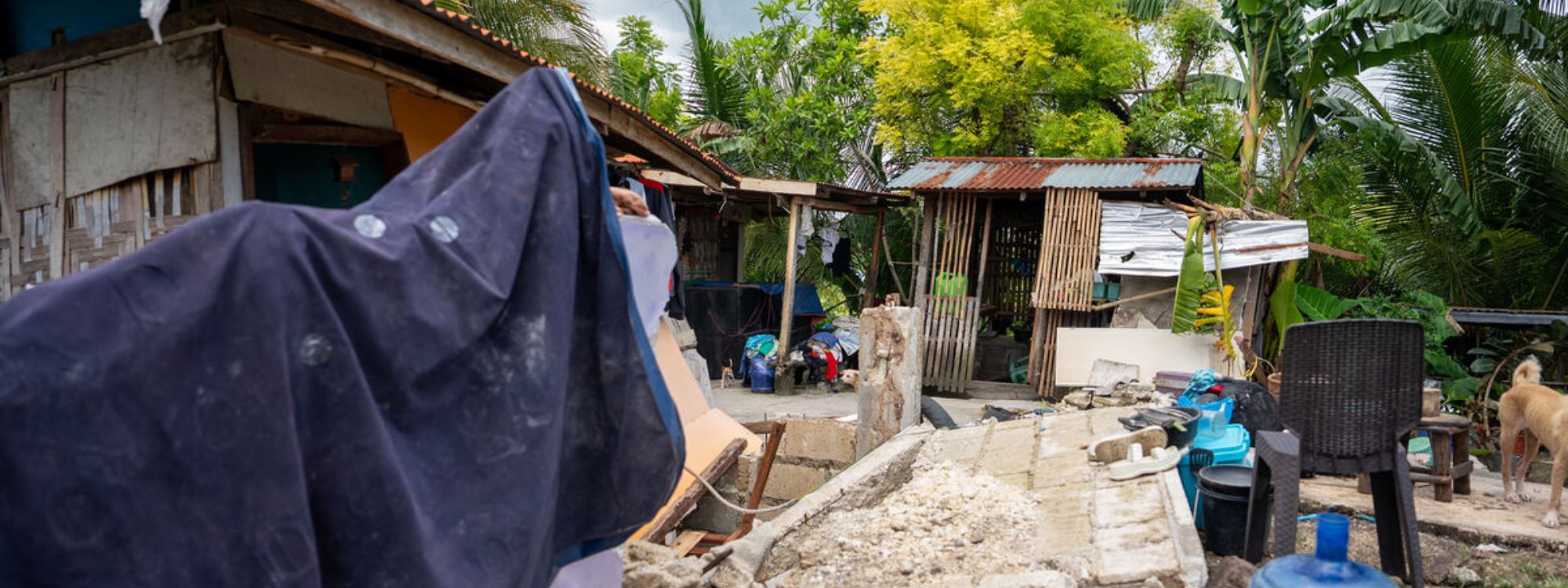
A massive fire swept through the remote island province of Tawi-Tawi on February 3, 2026. 70% of homes were destroyed, leaving thousands of people displaced.
With the Integrated Resource Development for Tri-People Inc and ShelterBox Operations Philippines, we are supporting hundreds of families left homeless by the fire. Using aid stored in our Cebu warehouse, we are providing the items that people need to repair, rebuild, and return home.
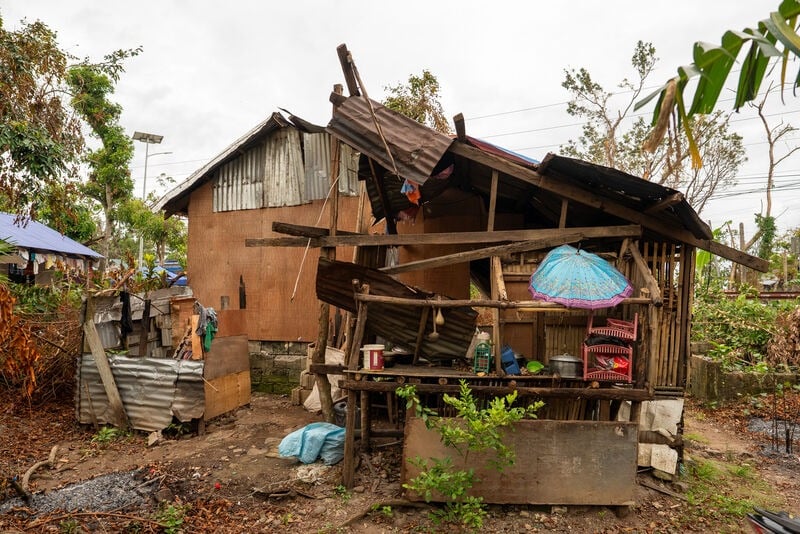

People in the Philippines are facing disaster after disaster.
We responded to the deadliest earthquake in the Philippines in over a decade, which struck just days after back-to-back typhoons and heavy flooding.
The Philippines is the most disaster-prone country in the world. Since 2004, ShelterBox has responded there 35 times to tropical storms, typhoons, flooding and landslides, earthquakes, a volcanic eruption, and during COVID-19.
Donate Now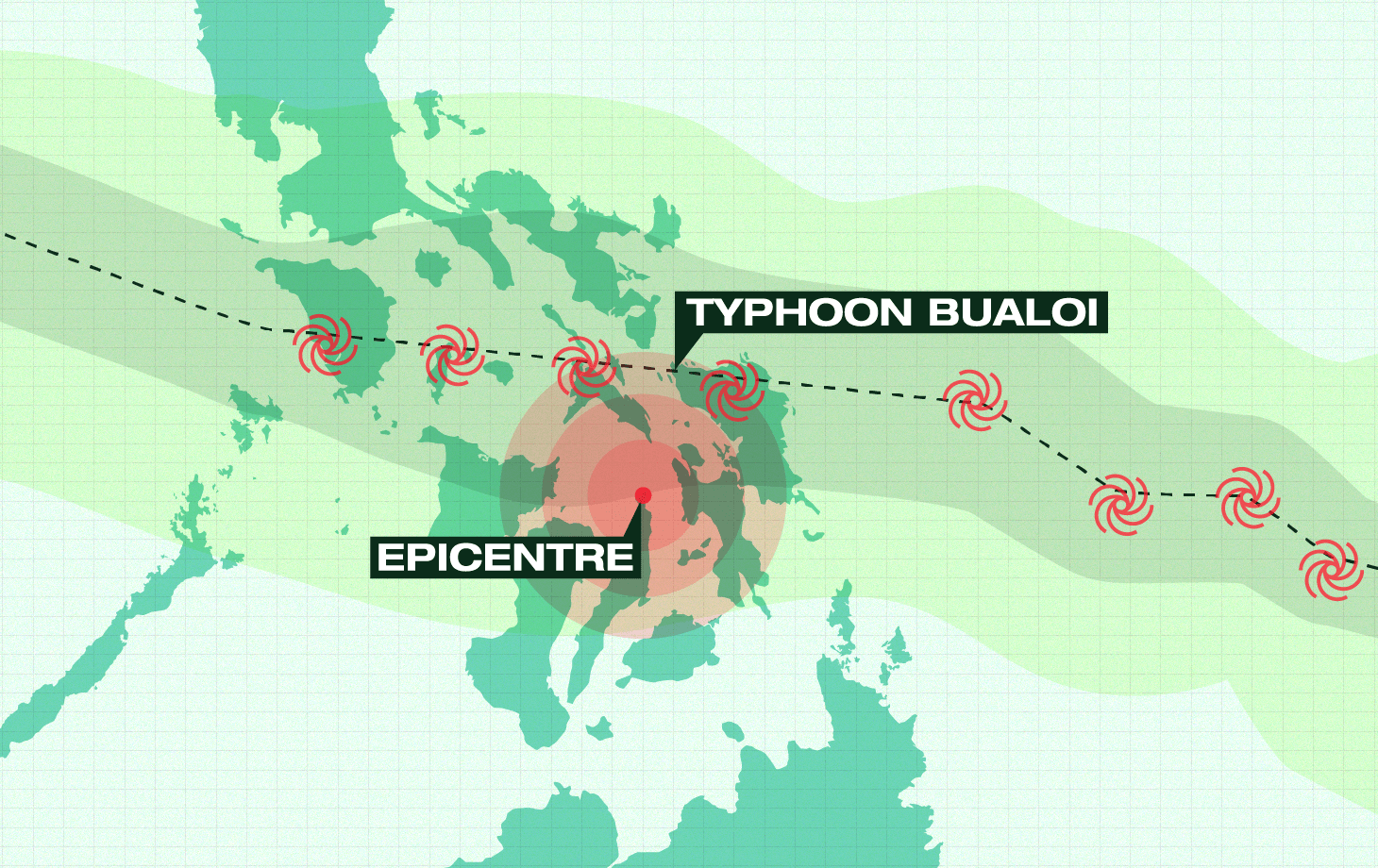
The country’s location on the Pacific Ring of Fire means it is prone to earthquakes, volcanic eruptions, and extreme weather. Located just above the equator, the Philippines faces the western Pacific without much else in the way to take the force of storms before they make landfall.
Many people’s homes are along low-lying coastlines – making them vulnerable to extreme weather conditions. The country experiences monsoon rains, which can lead to flooding and landslides.
Countries near warm ocean waters, like the Philippines, are more prone to tropical storms because they provide the energy needed for them to form and intensify.
Donate Now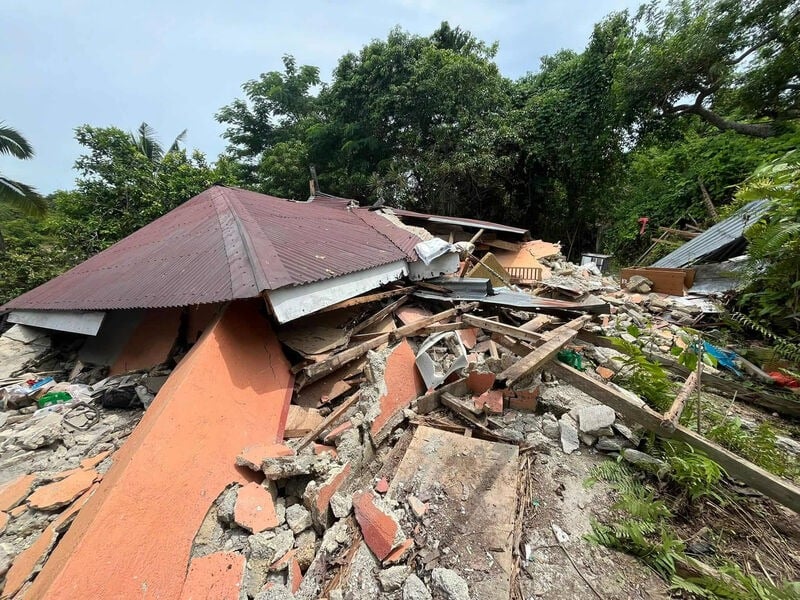
In 2025/2026, ShelterBox has responded to several typhoons, earthquakes and a fire that caused mass displacement across the Philippines.
ShelterBox established ShelterBox Operations Philippines (SBOP) in 2017 with the help of the Rotary Club of Cebu. This means we have a team permanently based in Cebu as well as a warehouse stocked with locally appropriate shelter aid and essential items.
Storing aid locally means we can support people who need shelter after disaster as quickly as possible.
The ShelterBox Operations Philippines team works the same way that all response teams do. They engage with local communities, assess what is needed, and understand local contexts. They also work closely with local partners to allow for a broader reach and impact to the most vulnerable areas.
They work closely with local stakeholders so they can rapidly support after disaster.
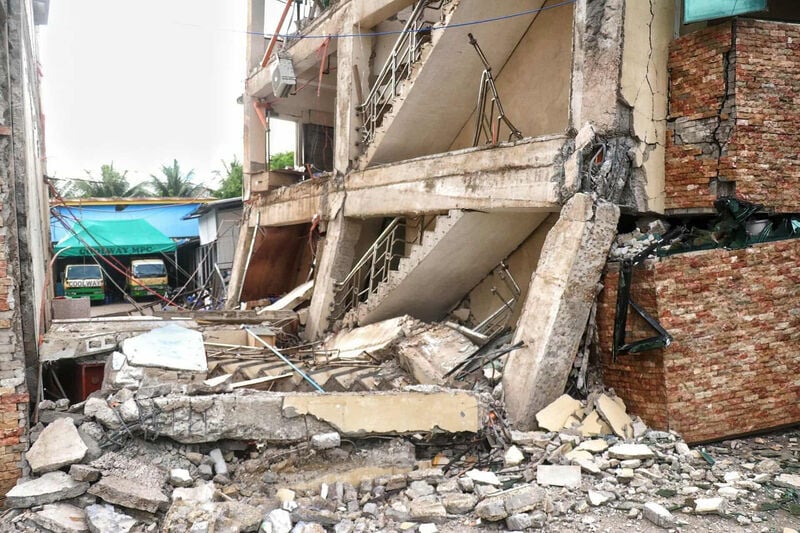
The 2025 typhoon season was more intense than usual, exacerbated by deadly earthquakes.
Super Typhoon Ragasa (Nando), the strongest storm of the year, made landfall in early September. More extreme weather followed – including monsoon rains and Typhoon Bualoi (Opong). Strong winds, torrential rain, flash floods, and landslides have damaged or destroyed tens of thousands of homes.
Melinda Marie Buensuceso, Programme Manager, ShelterBox Operations Philippines, notes:
“People here are facing disaster after disaster. Homes have been damaged or destroyed, and families are sleeping outside, afraid of what might come next. In the Philippines, we see this far too often – earthquakes, typhoons, floods – sometimes before communities have even had a chance to recover from the last disaster. That’s why we store emergency aid supplies in Cebu, and have a team based here permanently.”
A weather pattern called La Niña formed, which brings more storms and heavier rain. At the same time, warmer ocean waters – partly due to climate change – are giving typhoons extra fuel to grow stronger and faster.
The latest earthquake in Cebu comes as the country is already reeling from a series of disasters.
ShelterBox has responded to disasters of this scale in the Philippines before – including Typhoon Rai in 2021 and Tropical Storm Trami in 2024. With our experience, local presence, and pre-positioned aid, we’re ready to help families rebuild and recover.
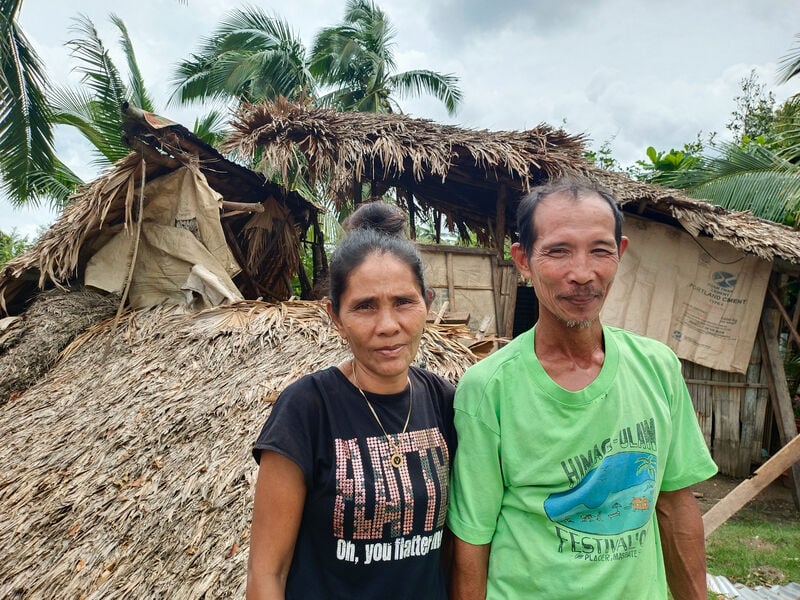
While conducting needs assessments on Mastabe island, the ShelterBox team met Rodulfo and Mary, who explained the impact that the Typhoon has had on their lives.
“On the night of the typhoon, my wife and I stayed at home to protect our belongings, but we made sure to evacuate our child beforehand. Staying at home allowed us to save a few items, but we still lost several essentials—like jerry cans, blankets, and our child’s school supplies and uniforms.”
Around 4:30 AM, as the winds intensified, our house collapsed. Many of our belongings were blown away.
“Life here has always been challenging, and Typhoon Bualoi made things even harder. This was the strongest typhoon I’ve experienced in my 21 years.”
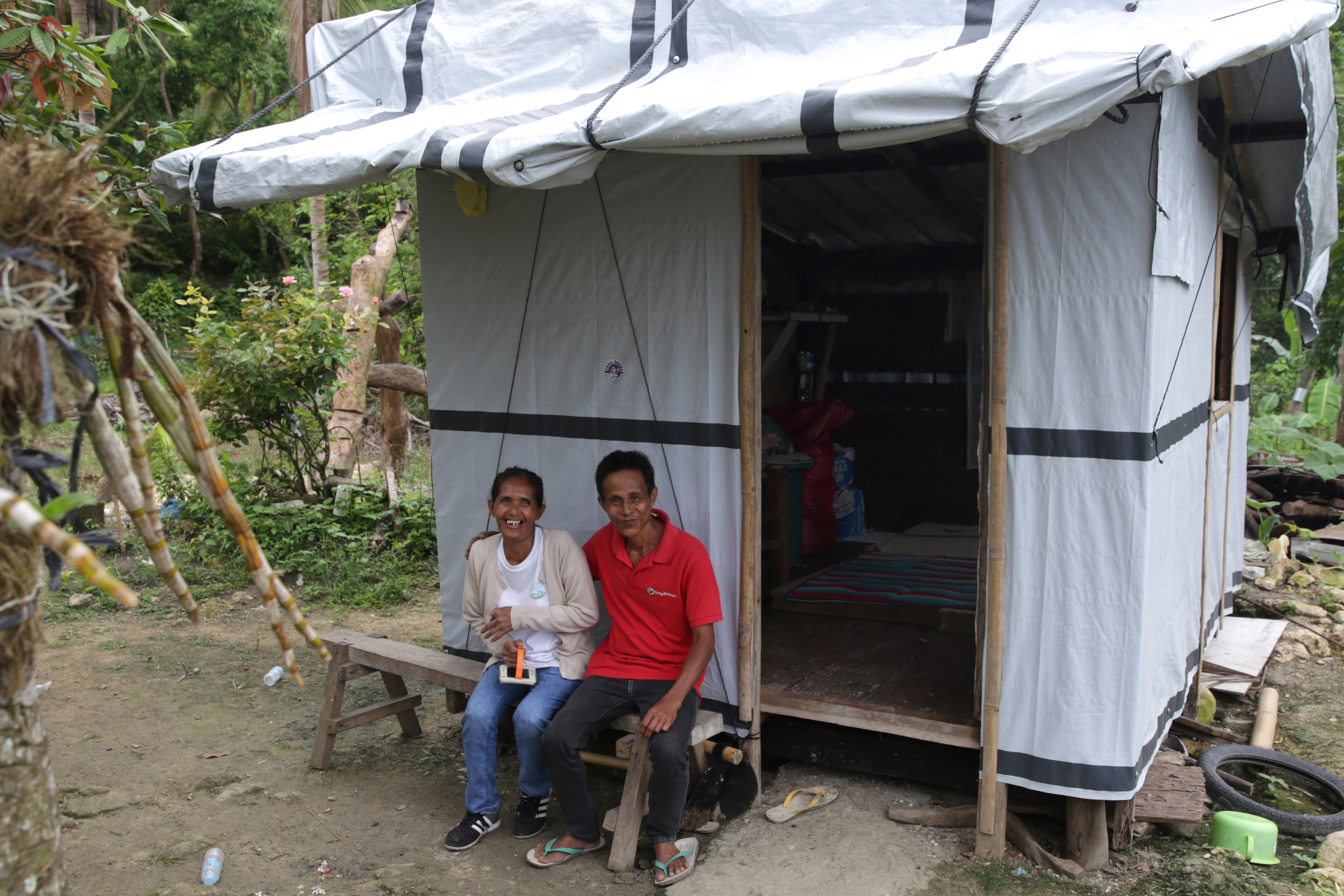
Donate today – you can help us bring hope and relief to those who need it most. Every donation counts. Giving helps restore dignity, safety and hope to those who have lost everything.
You can also stay informed, and share on social media to raise awareness about the crises people are facing in the Philippines.