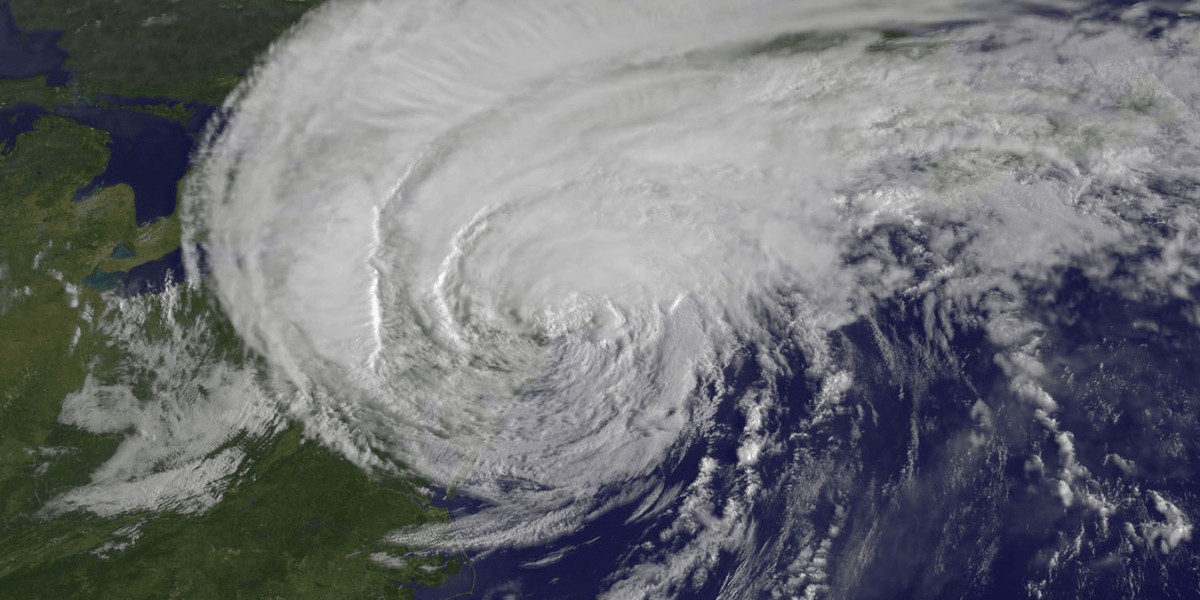
Every year, hurricanes make headlines around the world. But have you ever wondered how these storms get their names? Hurricane names follow a structured system designed to make communication clearer, faster and more effective when it matters most.
With hurricane season underway, and storms becoming more intense due to the climate crisis, understanding how storms are named is more relevant than ever.
Who decides hurricane names?
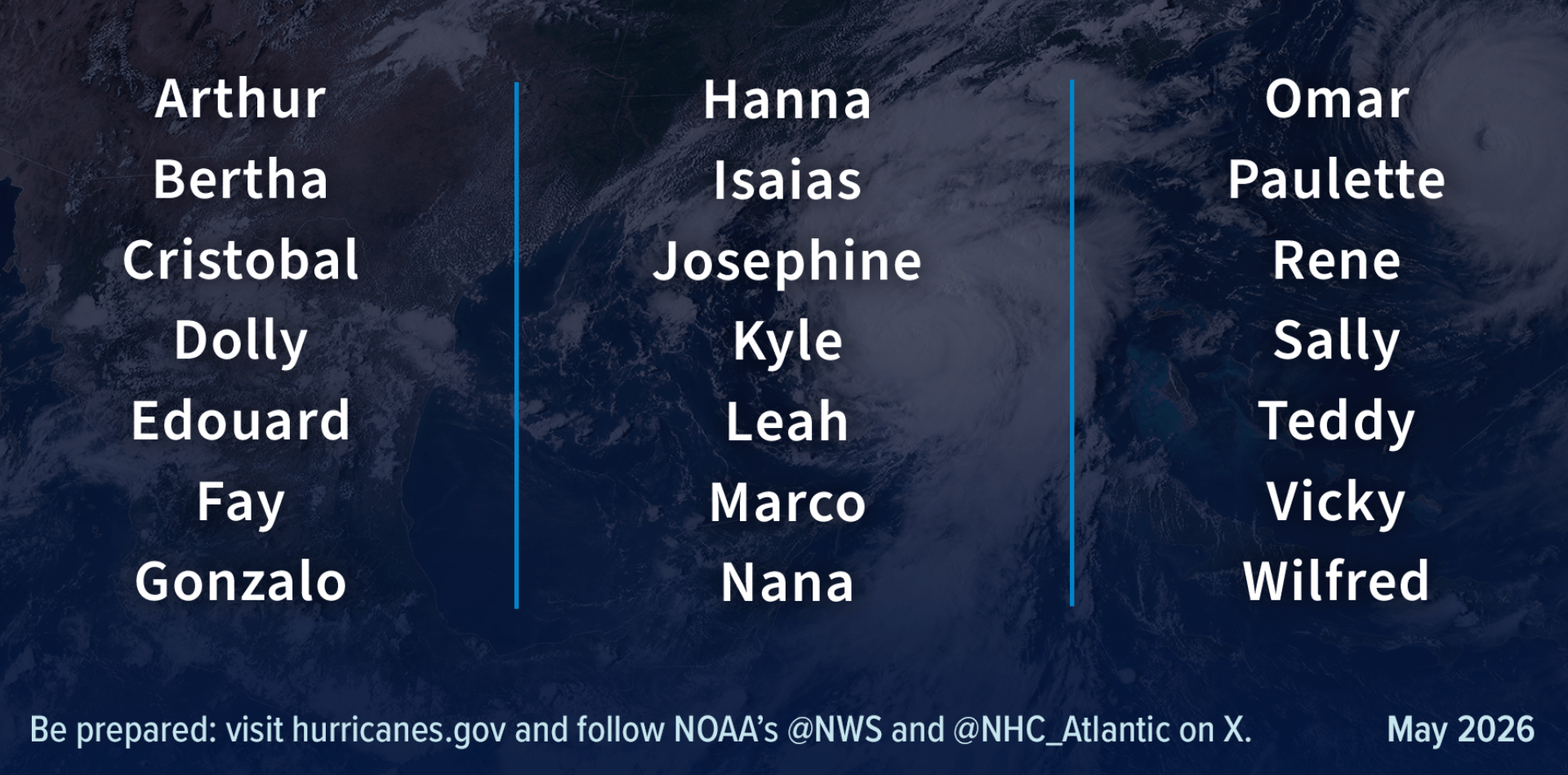
Hurricanes are named by the World Meteorological Organization (WMO), working with regional weather agencies. Each region has its own naming lists. For example, the Atlantic hurricane basin uses six rotating lists agreed in advance.
This global system ensures consistency, helping governments, responders and communities stay informed as storms develop.
How are hurricanes named?
Hurricanes are named using pre-determined alphabetical lists. Names are chosen to be short, easy to pronounce and widely understood across languages.
Here’s how it works:
- Names are assigned in alphabetical order as storms form
- Each list contains 21 names
- Lists alternate between male and female names
- Letters like Q, U, X, Y and Z are usually skipped as it is harder to find widely recognised names for these letters that work across different languages.
This approach keeps communication simple and reduces confusion when multiple storms are active at the same time.
When does a storm get a name?
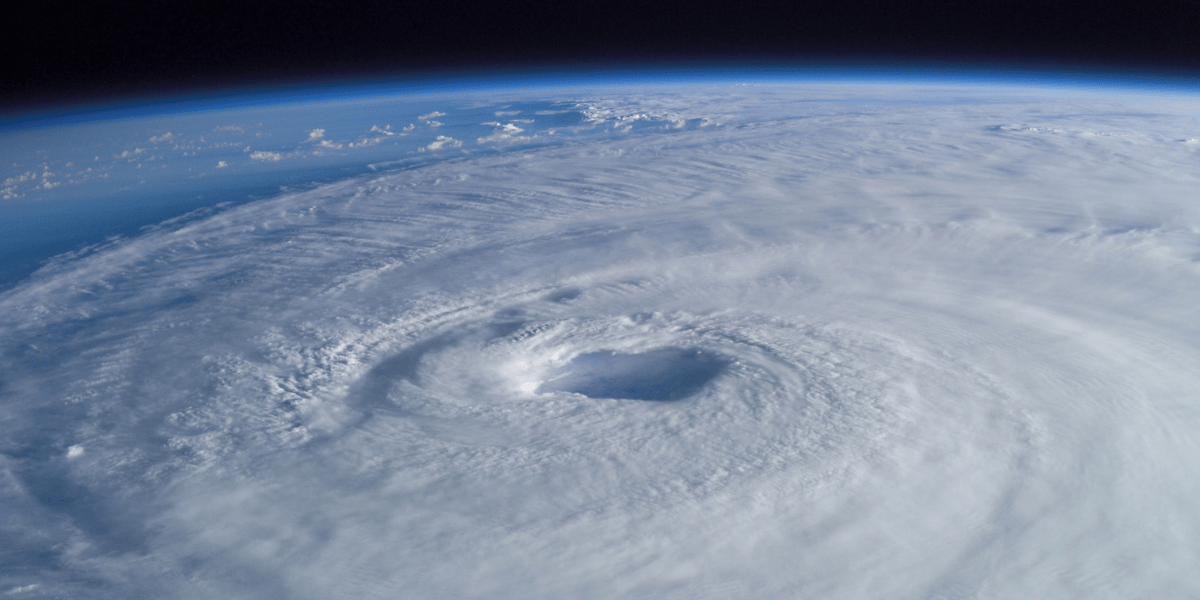
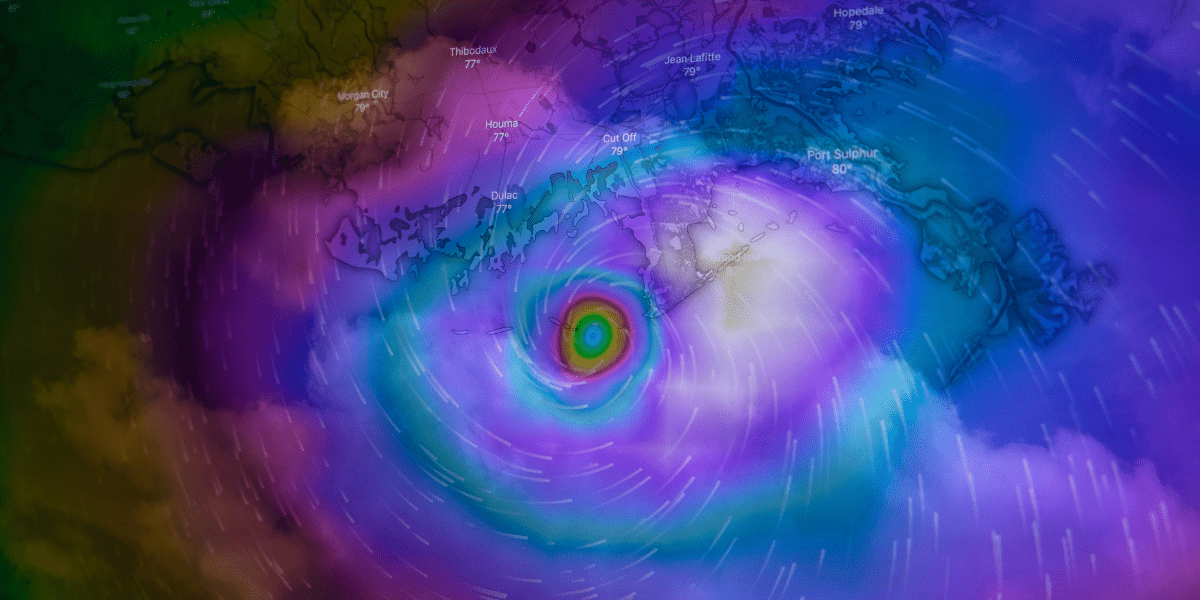
A storm is named when it reaches tropical storm strength, with winds of at least 39 mph (63 km/h). If winds reach 74 mph (119 km/h), the storm becomes a hurricane. Before this, it is called a tropical depression and given a number instead of a name.
Naming storms at the right moment helps people understand the level of risk and act early.
Why hurricane names matter
Naming storms is about more than organisation. It supports clear communication during emergencies. But storms themselves are changing.
In 2020 and 2021, hurricane seasons were so active that the official name lists were completely used up – something that has only happened twice in recorded history.
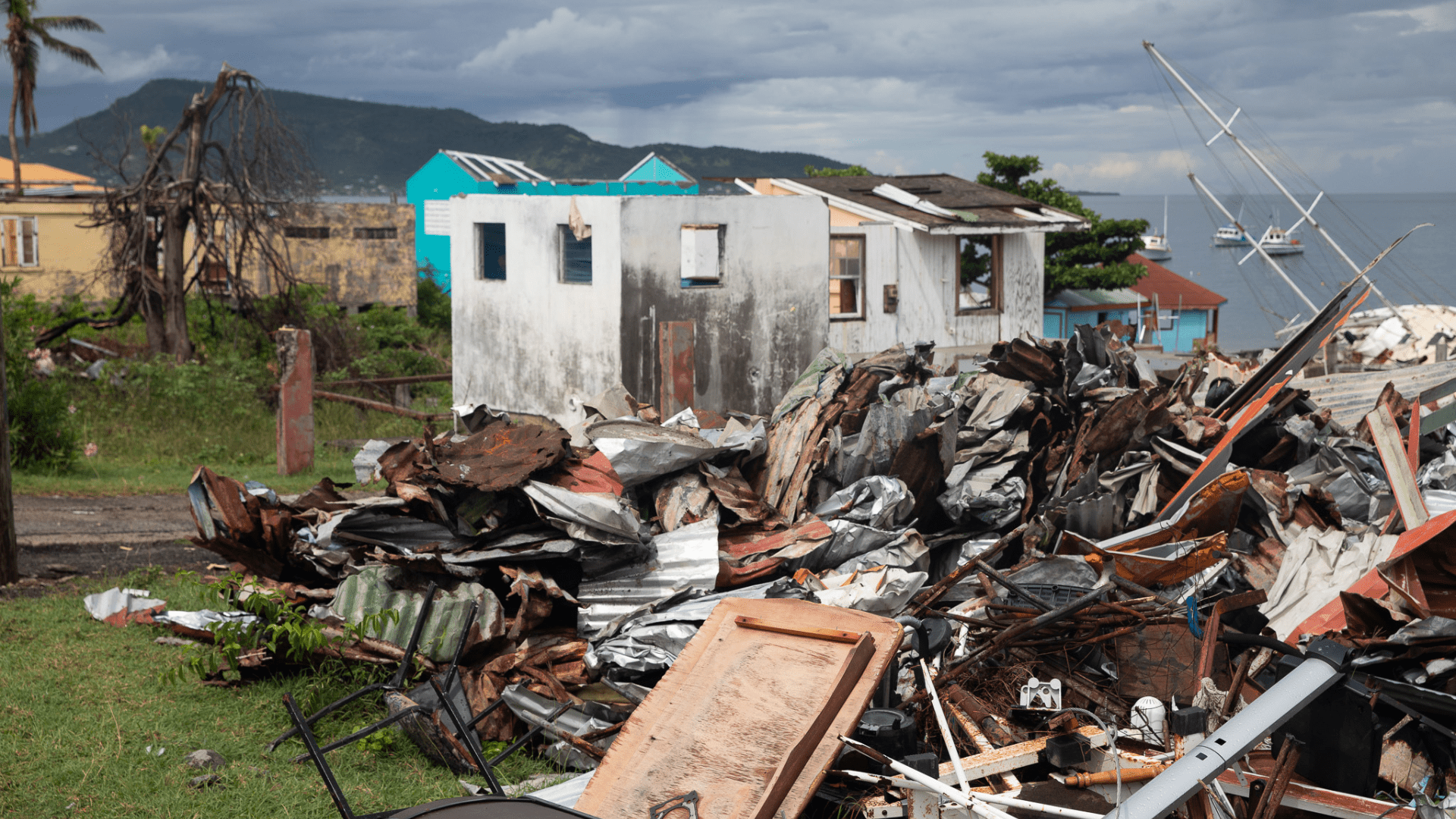
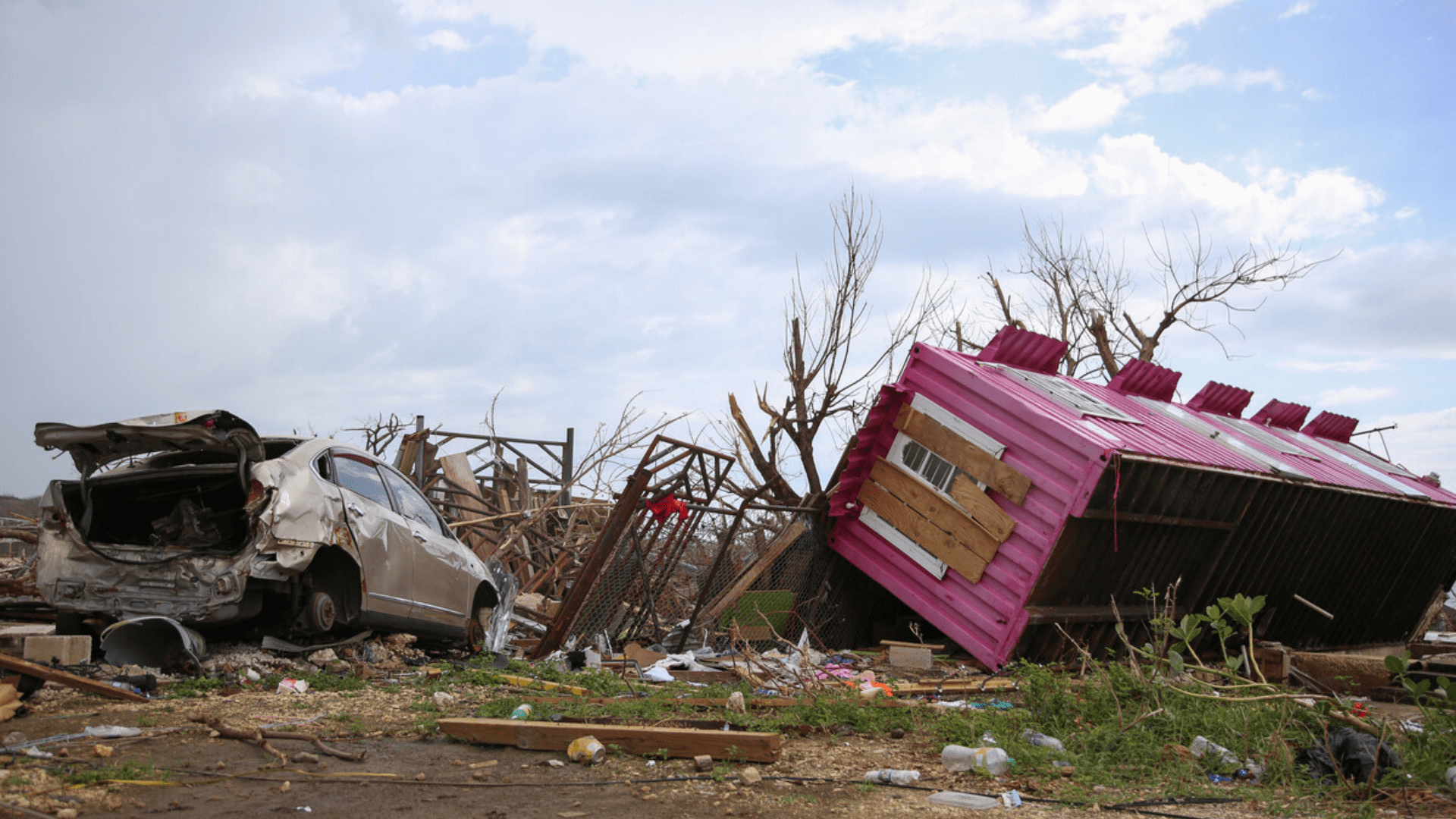
As the climate crisis intensifies, storms are becoming stronger and more unpredictable. Millions of people are at risk of losing their homes.
In fact, over the next 20 years, more than 200 million people could be displaced by extreme storms.
Clear, consistent naming helps communities prepare. But preparation also depends on access to safe shelter.
How often are hurricane names reused?
Hurricane name lists are reused every six years. This means names cycle back unless they are removed due to the impact of a specific storm. It’s a system that balances consistency with the need to reflect changing realities.
Retired hurricane names
Some hurricane names are permanently retired. This happens when a hurricane is particularly deadly or destructive, out of respect for people affected and to avoid confusion in future.
For example, Katrina was removed from the list after Hurricane Katrina caused widespread devastation in 2005. Other retired names include Maria (2017), Harvey (2017), Haiyan (2013) and Sandy (2012).
When a name is retired, it is replaced with a new one using the same letter.
What happens if there are more storms than names?
When hurricane seasons are extremely active, the standard list can run out. This has already happened in recent years.
A supplemental list of names is now used instead, replacing the earlier Greek alphabet system. This change makes naming more consistent and easier to understand across languages.
A brief history of hurricane names
Hurricanes have been given official names since the early 1950s. At first, storms were named using female names only. In 1979, male names were introduced. Hurricanes are now named alphabetically, alternating between male and female names using pre-agreed lists.
Earlier still, storms were identified by date or location. The move to named systems reflected a growing need for clarity as forecasting improved.
The word ‘hurricane’ is thought to come from the Taino word ‘Hurakán’ (or ‘Juracán’), a storm deity recognized in Caribbean and Mayan traditions.
How storms are named around the world
Different regions use slightly different approaches. This ensures naming reflects local languages and cultures while maintaining consistency.
| Ocean Basin | Storm Type | Naming Approach |
| Atlantic & Eastern Pacific | Hurricane | Pre-approved alphabetical lists managed by the WMO, rotated every six years |
| Western Pacific | Typhoon | Names contributed by countries, reflecting local languages, culture and nature |
| Indian Ocean | Cyclone | Countries take turns naming storms through a regional system |
| Australia & South Pacific | Cyclone | Regional rotating name lists, sometimes influenced by Indigenous languages |
Hurricanes, cyclones and typhoons: what’s the difference?
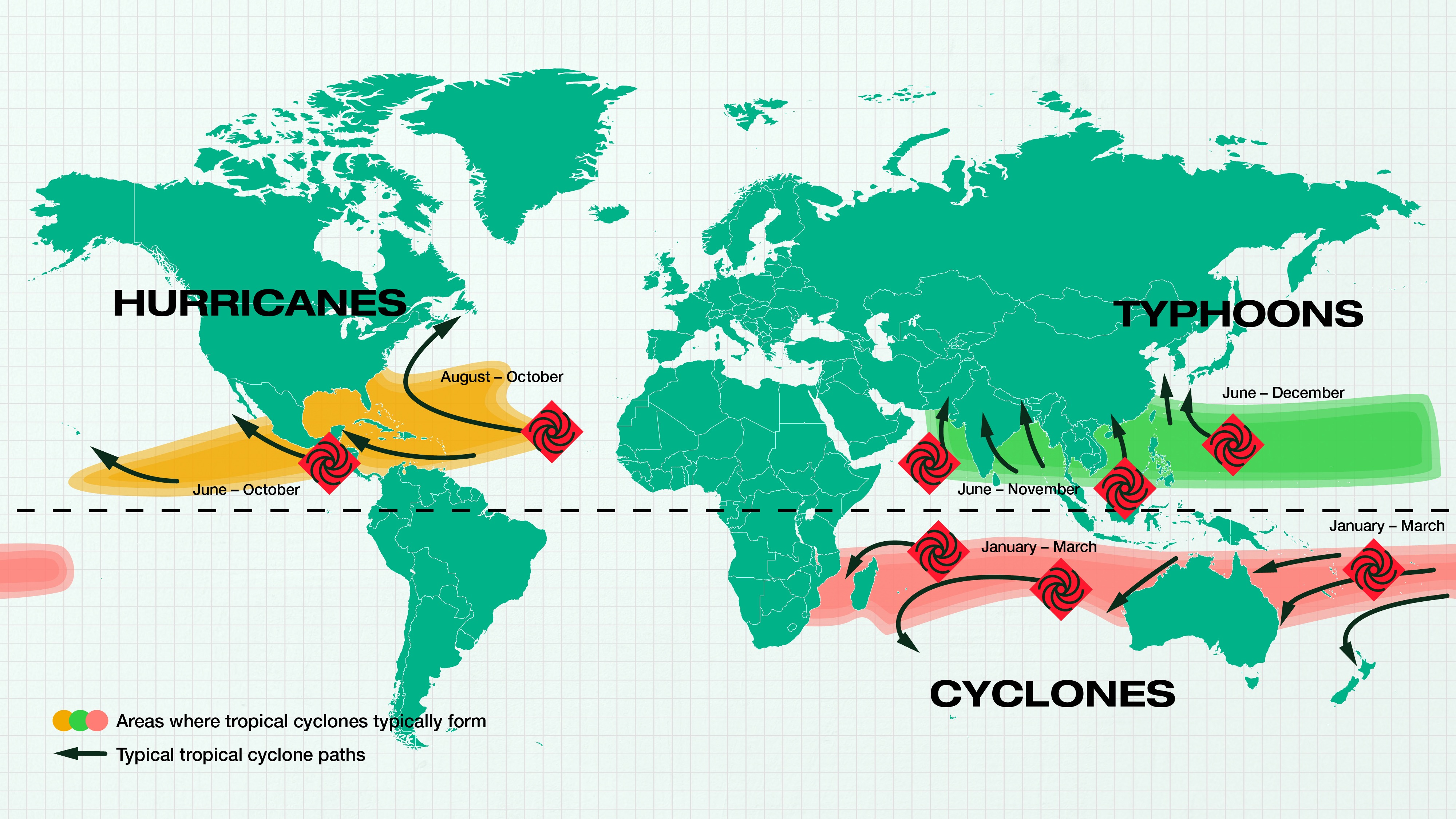
Hurricanes, typhoons and cyclones are all tropical storms. The only difference is where they form:
• Hurricanes: Atlantic and Eastern Pacific Ocean
• Typhoons: Western Pacific Ocean
• Cyclones: Indian Ocean and southern hemisphere
Each region has its own naming system, but all share the same purpose. Learn more about the differences between hurricanes, cyclones and typhoons.
ShelterBox and emergency shelter after disaster
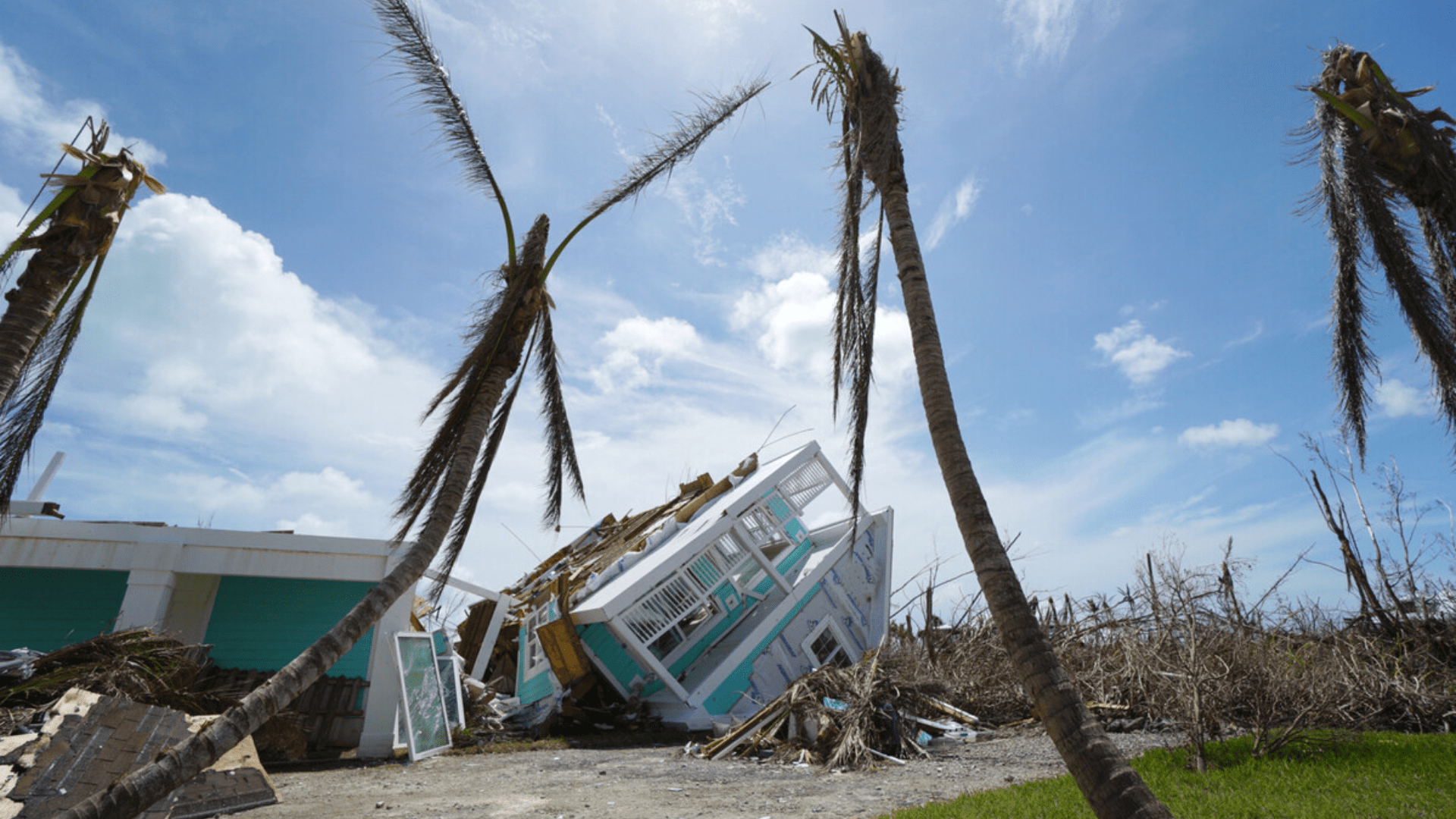
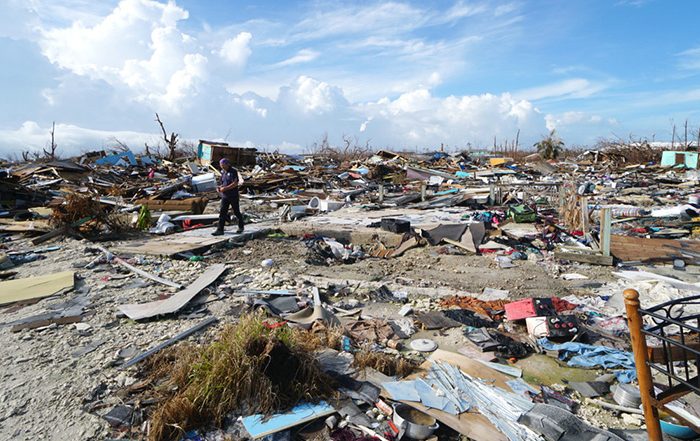
Storm names help people understand risk. But they are only one part of the response. The real impact of hurricanes is felt by the communities in their path, people who may lose homes, belongings and sources of income overnight.
At ShelterBox, we provide emergency shelter after disaster, conflict and climate crisis. We’ve responded to more than 100 tropical storms, helping people recover and rebuild when homes are lost.
The next major storm can strike at any time. Emergency shelter and aid items provide families with a safe place to sleep, store belongings and begin recovery.
As storms continue to intensify, the need for this support is only growing.
Be part of the response
ShelterBox works with communities before, during and after disaster. We provide practical support that helps people protect their homes, rebuild safely and plan for the future.
- Learn how ShelterBox responds to disasters
- Find out where we work
- How you can make a difference through donations and fundraising
Together, we can make sure families have a safe place to shelter when the next storm hits.