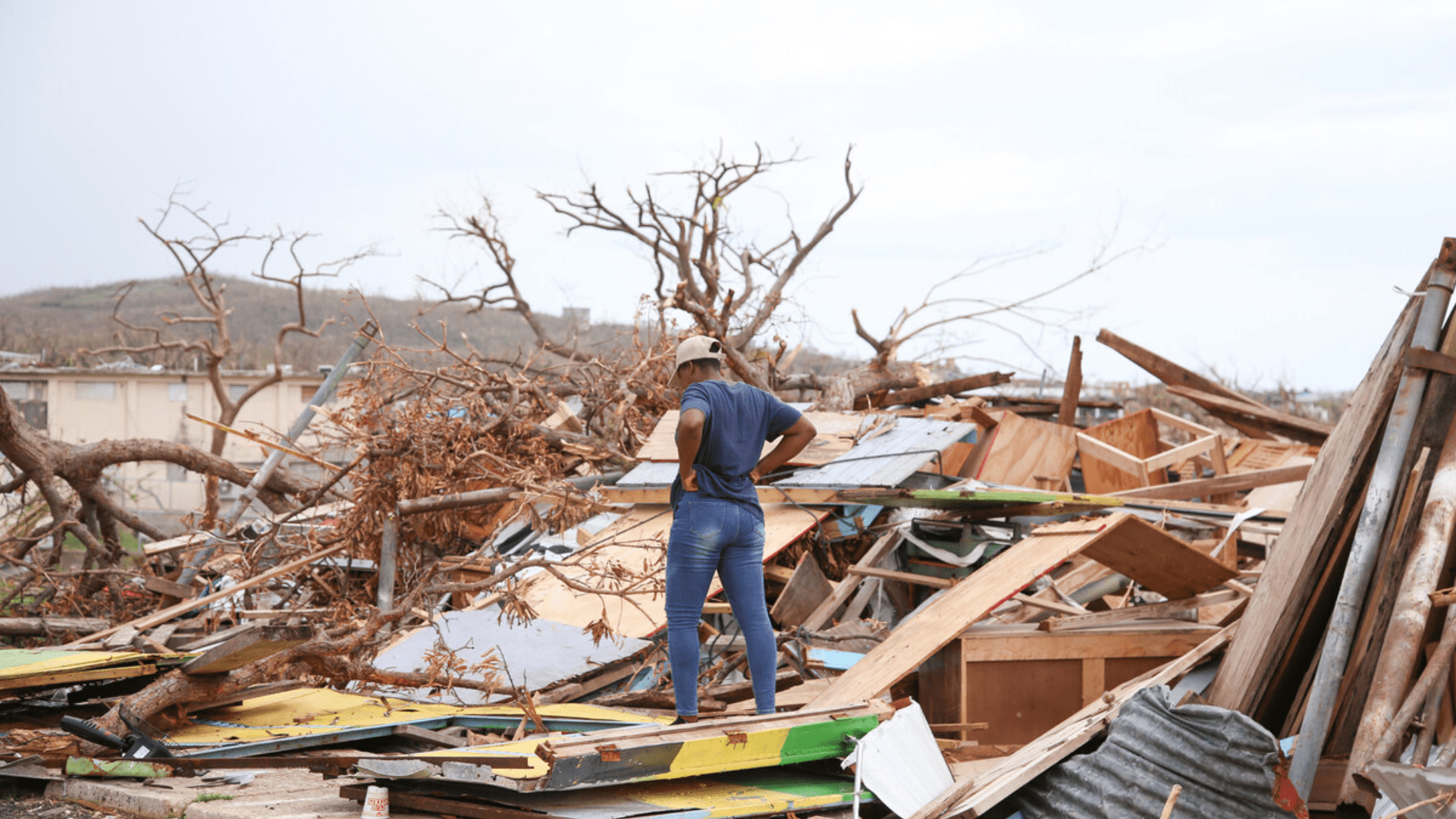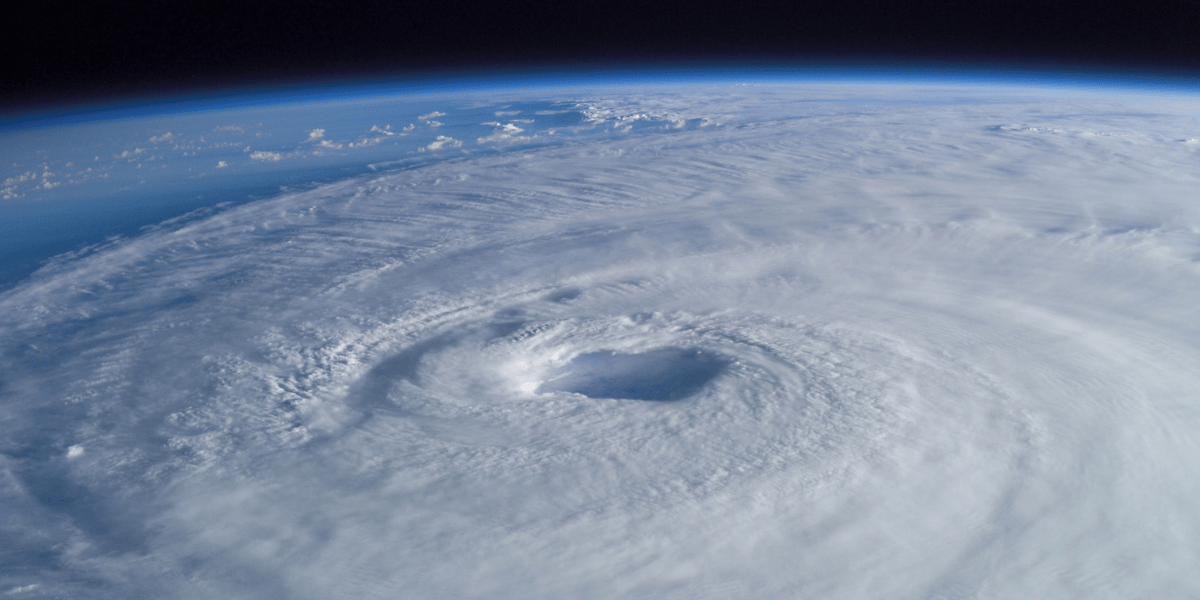
Hurricanes can be devastating. They reshape landscapes, displace communities and leave people without safe shelter.
A hurricane is a powerful tropical storm that forms over warm ocean waters in the Atlantic or eastern Pacific, with sustained wind speeds of 74mph or more. Typhoons and cyclones are the same type of tropical storm, but are named differently depending on where they form. Typhoons occur in the western Pacific, and cyclones in the southern hemisphere.
These storms mostly form during hurricane season, when ocean temperatures reach around 27°C or higher, providing the energy storms need to develop and intensify.
Understanding how hurricanes work helps explain why emergency shelter after disaster is so critical.
At ShelterBox, we support communities affected by disaster, conflict and climate crisis with emergency shelter and essential aid. These hurricane facts bring together the science behind storms and the real experiences of people living through them.
1. Hurricanes can stretch for hundreds of miles
On average, hurricanes can span around 300 miles across – roughly the distance from London to Edinburgh.
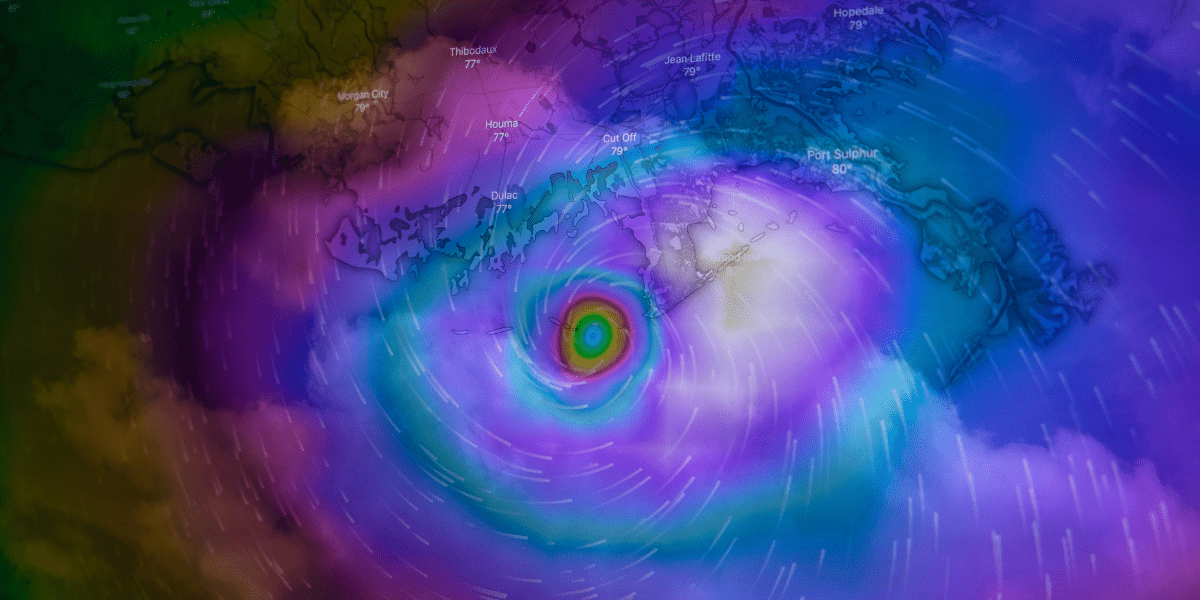
At the centre of a hurricane is the eye. It can feel almost calm, with winds dropping to near zero. But just outside, in the eyewall, winds are at their most dangerous.
In 2012, Hurricane Sandy showed how scale can turn a storm into a major disaster. Often described as a “superstorm”, Sandy grew into one of the largest Atlantic hurricanes on record as it moved from the Caribbean towards the United States.
At its peak, the storm stretched to around 1,000 miles across, one of the largest Atlantic hurricanes ever recorded, impacting a vast area from the Caribbean to the US East Coast.
The storm claimed hundreds of lives across the region and caused an estimated $65 billion in damage. Millions of people lost power, and thousands were left without safe shelter.
2. The deadliest threat isn’t wind
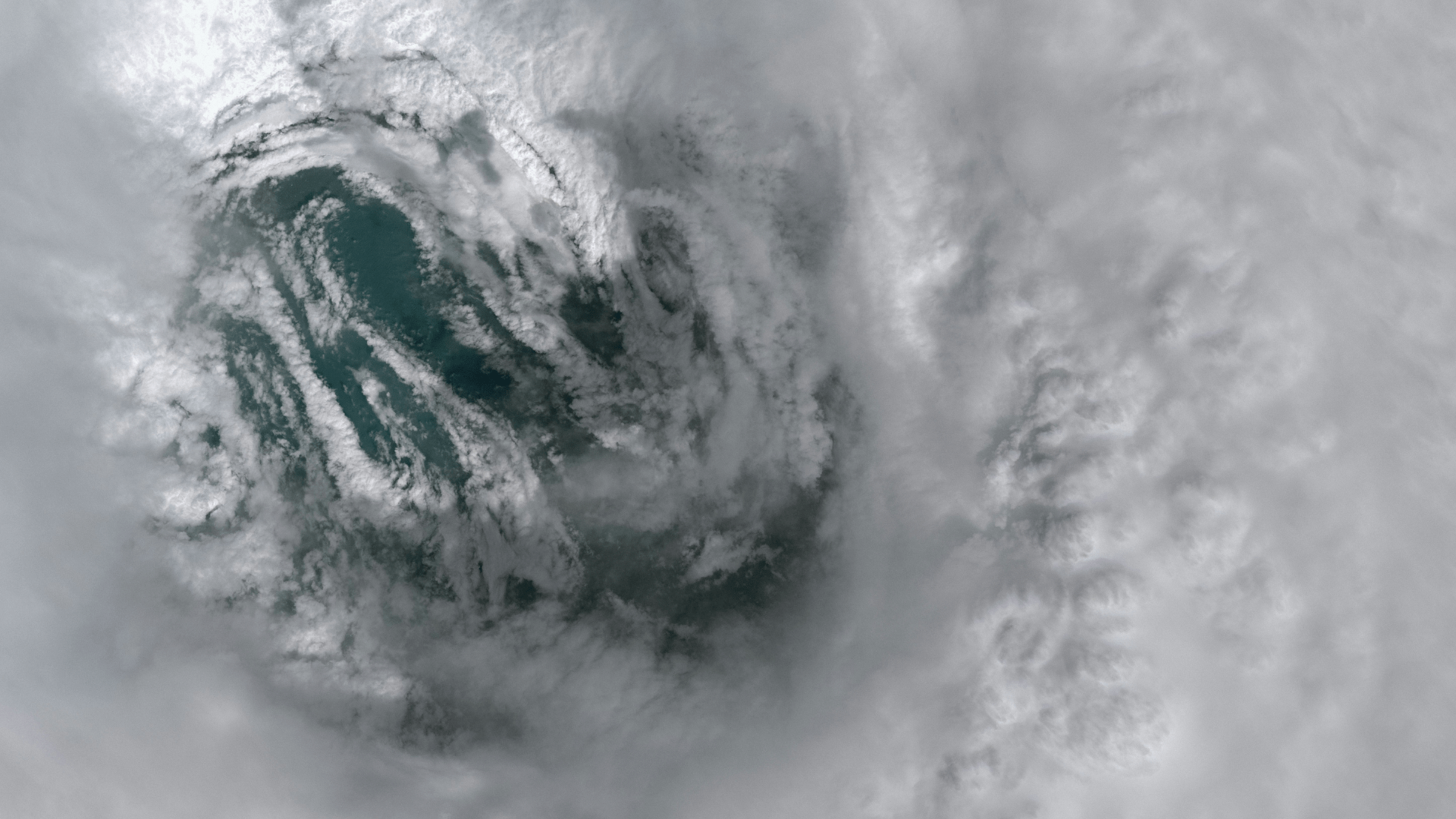
Wind damage is dramatic, but it is not the deadliest part of a hurricane. Most lives are lost due to storm surge and flooding from heavy rainfall.
Hurricane Katrina is one of the clearest examples, with wind speed reaching 175mph. When levees failed in New Orleans, floodwater overwhelmed entire neighbourhoods. More than 1,800 people lost their lives, and hundreds of thousands were displaced.
Floodwater destroys homes, forces families to evacuate and can linger for weeks. Recovery takes time, and it starts with safe, dry shelter.
We see this pattern in many responses. After Hurricanes Eta and Iota struck Central America within two weeks in 2020, severe flooding washed away homes across Honduras. ShelterBox supported families with emergency shelter kits and materials so they could begin rebuilding safely.
3. Hurricanes release immense energy
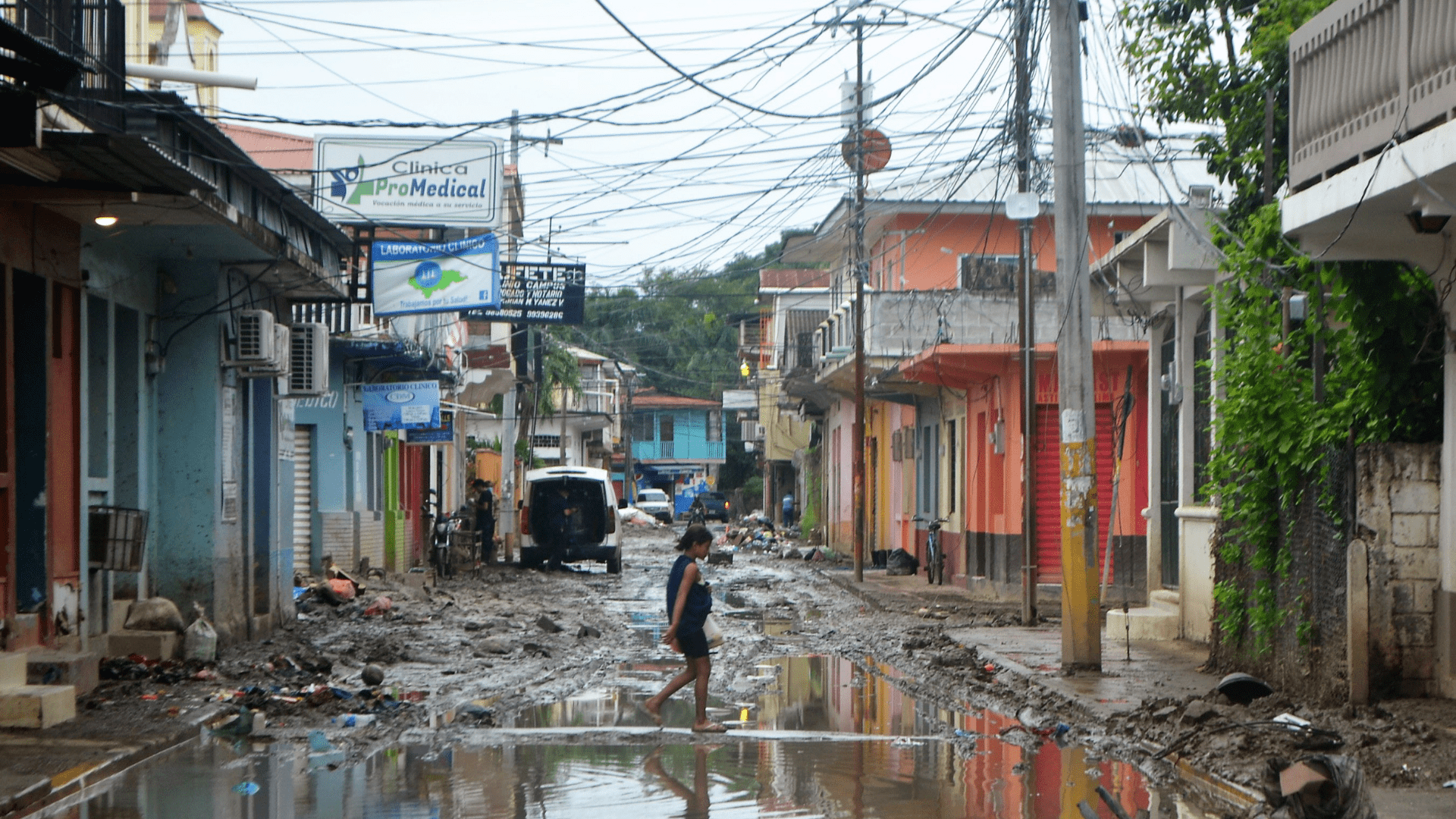
A single hurricane can release energy comparable to 10,000 nuclear explosions over its lifetime. This energy drives high wind speeds, intense rainfall and rapid storm intensification.
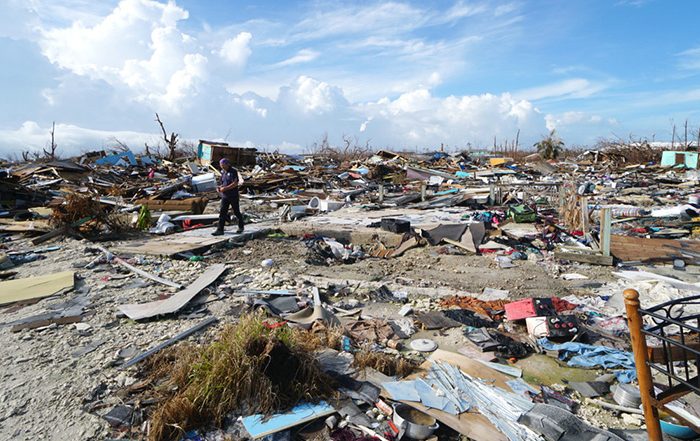
We see the effects of this power in storms like Hurricane Dorian, a Category 5 storm, devastated parts of the Bahamas in 2019. Thousands of homes were destroyed and entire communities were left without safe shelter. ShelterBox supported families with materials to repair and rebuild, helping them recover more quickly.
In 2024, Hurricane Beryl became the earliest Category 4 hurricane ever recorded in the Atlantic. It intensified rapidly, bringing destructive winds and damaging homes across parts of the Caribbean.
Events like this show how hurricane behaviour is changing, and why communities need support to prepare for and recover from increasingly unpredictable storms.
4. Hurricanes spin in different directions depending on the hemisphere
Hurricanes rotate differently depending on where they form:
- Northern Hemisphere: counterclockwise
- Southern Hemisphere: clockwise
This is due to the Coriolis effect, the influence of the Earth’s rotation.
Storm paths shaped by these forces can have serious consequences. Hurricane Sandy’s unusual turn towards land, rather than out to sea, increased its impact on densely populated areas.
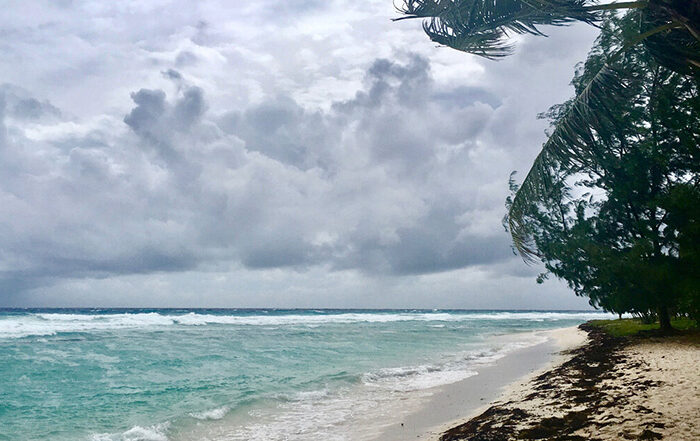
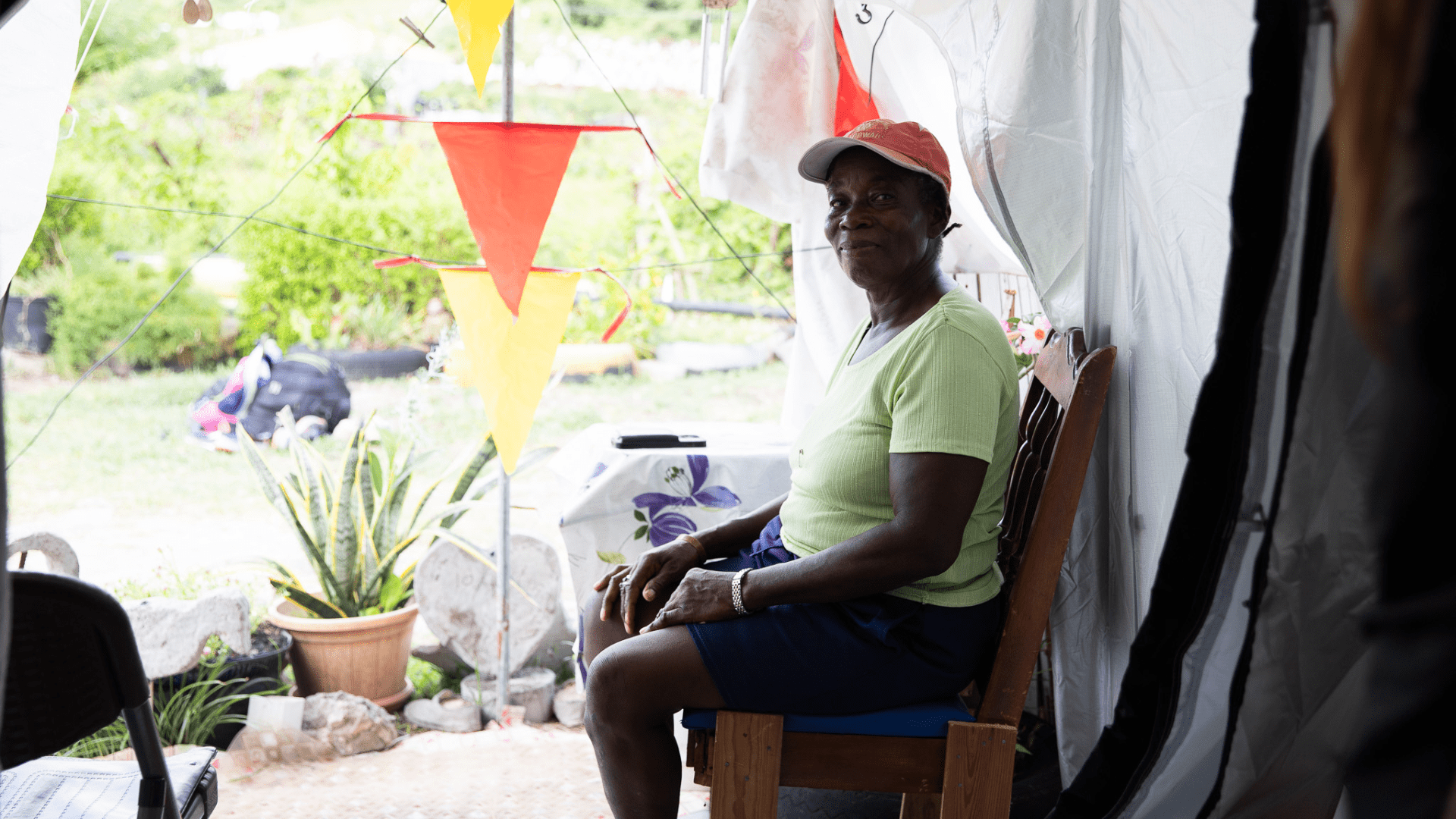
But storms do not need to take a direct path over land to cause disruption. Hurricane Melissa generated strong waves and coastal impacts despite remaining mostly offshore. It is a reminder that hurricanes do not need to make landfall as major storms to affect people’s lives.
Learn more about Hurricane Melissa’s impact and life after the storm in Jennifer’s story.
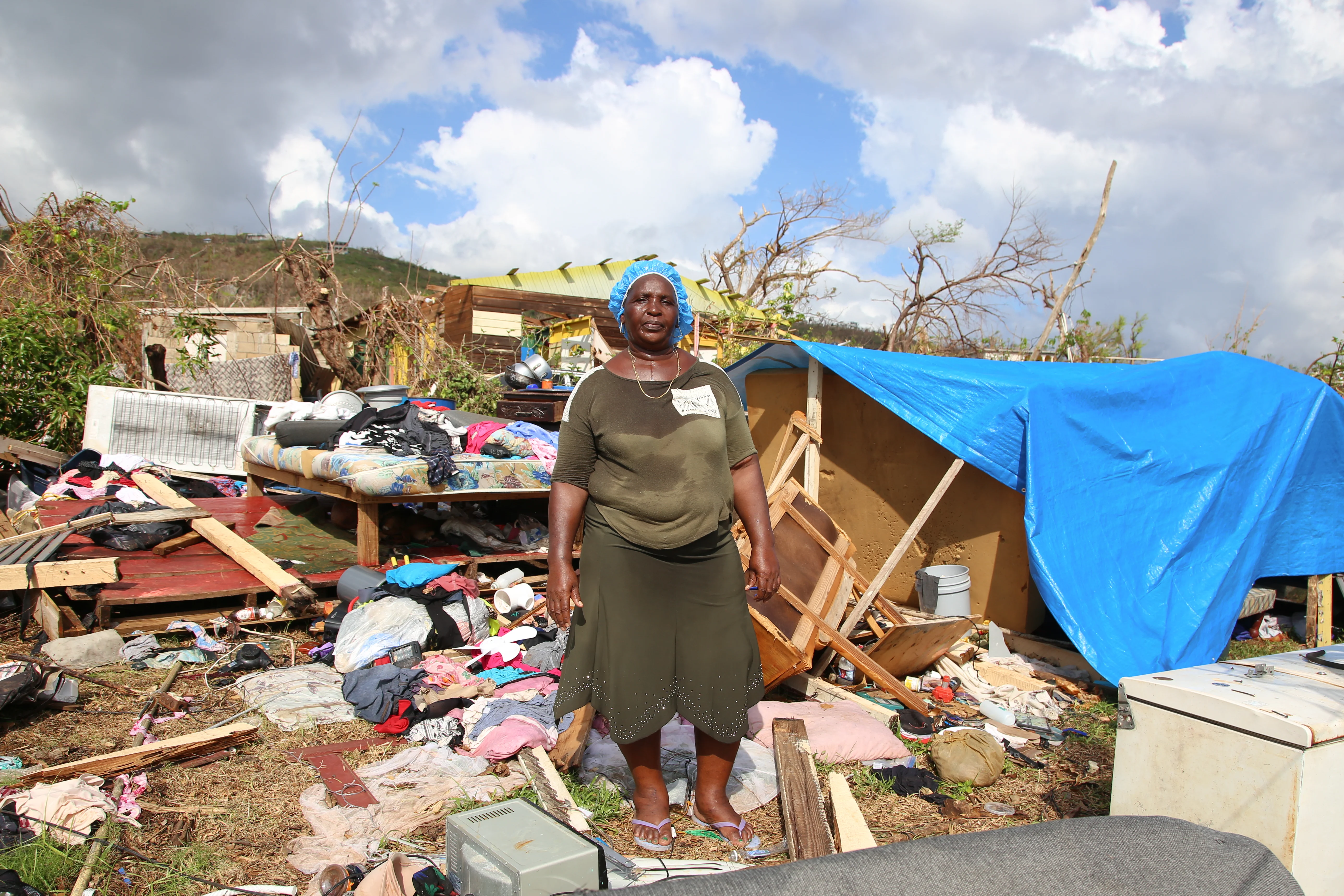
5. Hurricanes can trigger destructive tornadoes
Hurricanes can produce powerful tornadoes as they move inland. These can lift vehicles, tear apart buildings and increase overall damage.
In storms like Hurricane Katrina, multiple tornadoes were reported alongside flooding and high winds. When hazards combine, recovery becomes more complex and communities can be left without safe shelter for longer.
We saw similar patterns after Hurricanes Irma and Maria in the Caribbean in 2017. Homes were damaged by wind, then exposed to further harm from rain and flooding. ShelterBox responded across several islands, working with partners to provide emergency shelter and support families as they rebuilt.
Why these hurricane facts matter
Behind every statistic is a person, a family, a community. When homes are damaged or destroyed, people lose safety, privacy and stability.
That’s why emergency shelter matters. ShelterBox supports communities affected by hurricanes and other disasters with:
- Emergency shelter kits
- Tools and materials to repair homes
- Technical support and training
- Essential items like solar lights and water filters
We work alongside local partners to ensure support is practical and led by community needs.
Support emergency shelter after hurricane disasters
Hurricanes will continue to strike during every hurricane season. But recovery is possible with the right support.
Find out how ShelterBox provides emergency shelter after disaster, and how you can support communities rebuilding after hurricanes.