Summary
A super El Niño is an unusually strong El Niño event that can disrupt weather patterns around the world. Scientists have confirmed El Niño conditions are already underway in the tropical Pacific Ocean, and forecasts suggest there is a significant chance the current event could strengthen into a super El Niño by late 2026. If that happens, 2027 could see higher global temperatures and an increased risk of extreme weather in some regions, making it one of the most closely monitored climate events in the world. For humanitarian organizations such as ShelterBox, understanding these risks is an important part of preparing for the flooding, drought and displacement that can follow.
Super El Niño: quick facts
- A super El Niño is an exceptionally strong El Niño event.
- Only a few have occurred in modern records, including 1982–83, 1997–98 and 2015–16.
- Scientists are monitoring whether the current El Niño could reach similar strength.
- El Niño weather conditions are unpredictable and irregular, causing uneven effects across the globe.
- Strong El Niño events can influence temperatures, disrupt rainfall patterns and increase the risk of flooding, drought and displacement in some regions.
- The strongest impacts are often felt in the year following an El Niño’s development.
What is a super El Niño?
Before understanding a super El Niño, it helps to understand El Niño itself. El Niño is the warm phase of the El Niño Southern Oscillation (ENSO), a natural climate pattern that influences weather around the world.
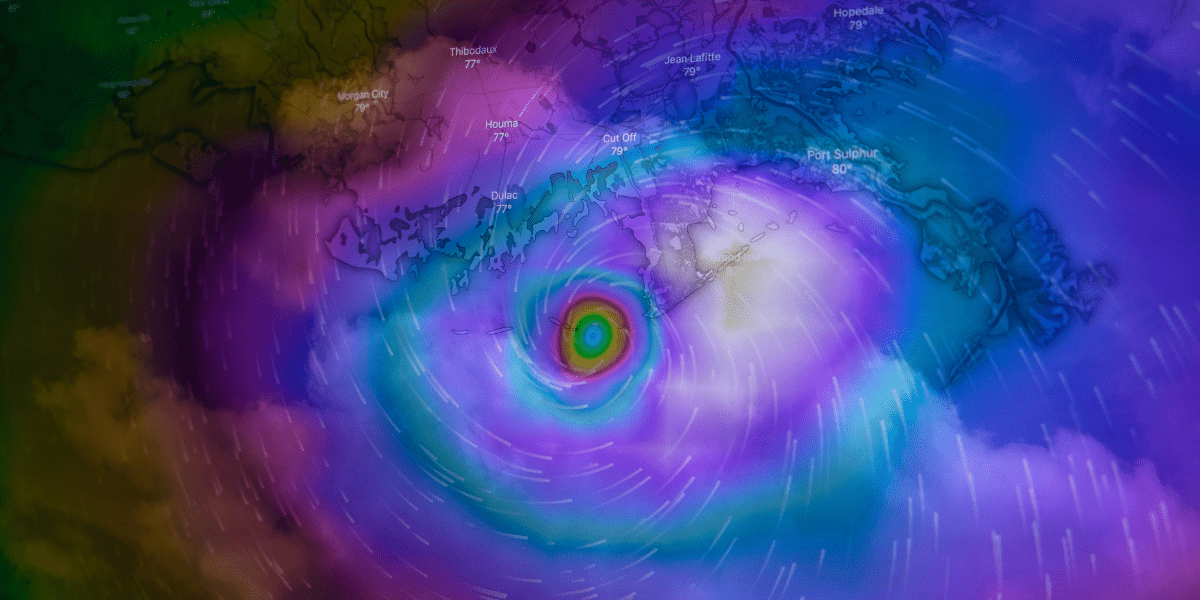
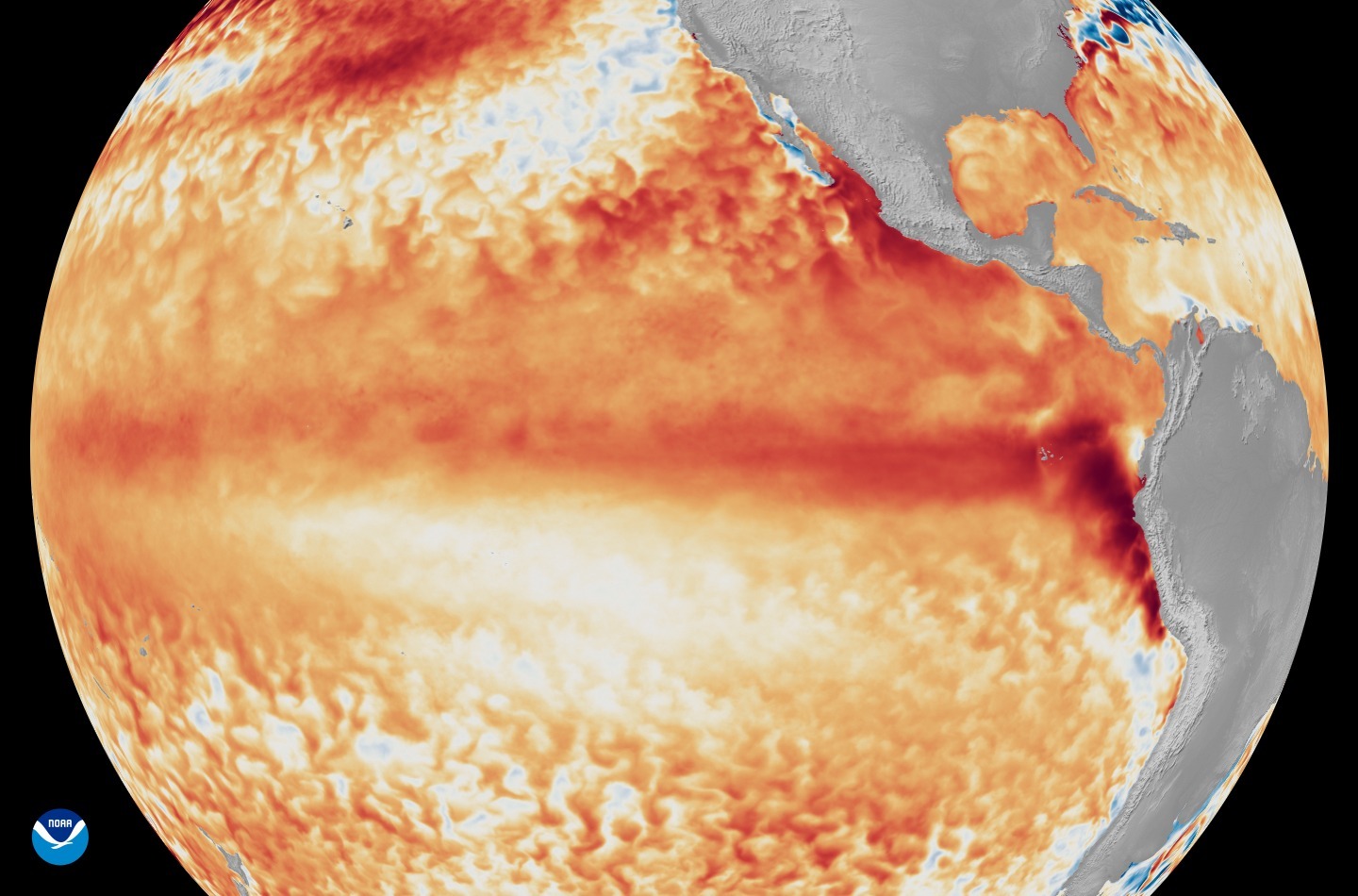
During normal weather conditions in the Pacific Ocean, trade winds blow west along the equator, taking warm water from South America towards Asia. In El Niño conditions, these trade winds weaken and warm water is instead pushed eastward towards the Americas.
This means that sea surface temperatures in the central and eastern Pacific Ocean become warmer than average, disrupting rainfall, temperatures, and weather systems far beyond the Pacific.
A super El Niño is an exceptionally strong El Niño event. While there is no single internationally agreed definition, scientists generally use the term to describe events where ocean temperatures become much warmer than average across key parts of the Pacific Ocean. Only a handful of events in the modern record have reached this level, including those in 1982–83, 1997–98 and 2015–16.
These events are closely monitored because they can have widespread impacts on weather patterns, agriculture, water supplies and livelihoods around the world.
Previous super El Niño events
Only a handful of super El Niño events have occurred in modern records. These past events can provide some clues about what a future super El Niño might bring, although every event is different.
1982–83
One of the strongest El Niño events on record. Severe flooding affected parts of South America, while drought affected other regions.
1997–98
Often referred to as the “El Niño of the Century”. The event contributed to widespread flooding, drought, wildfires and major economic losses around the world.
2015–16
A powerful El Niño associated with record global temperatures and significant humanitarian impacts across multiple regions.
Could 2026 become a super El Niño?
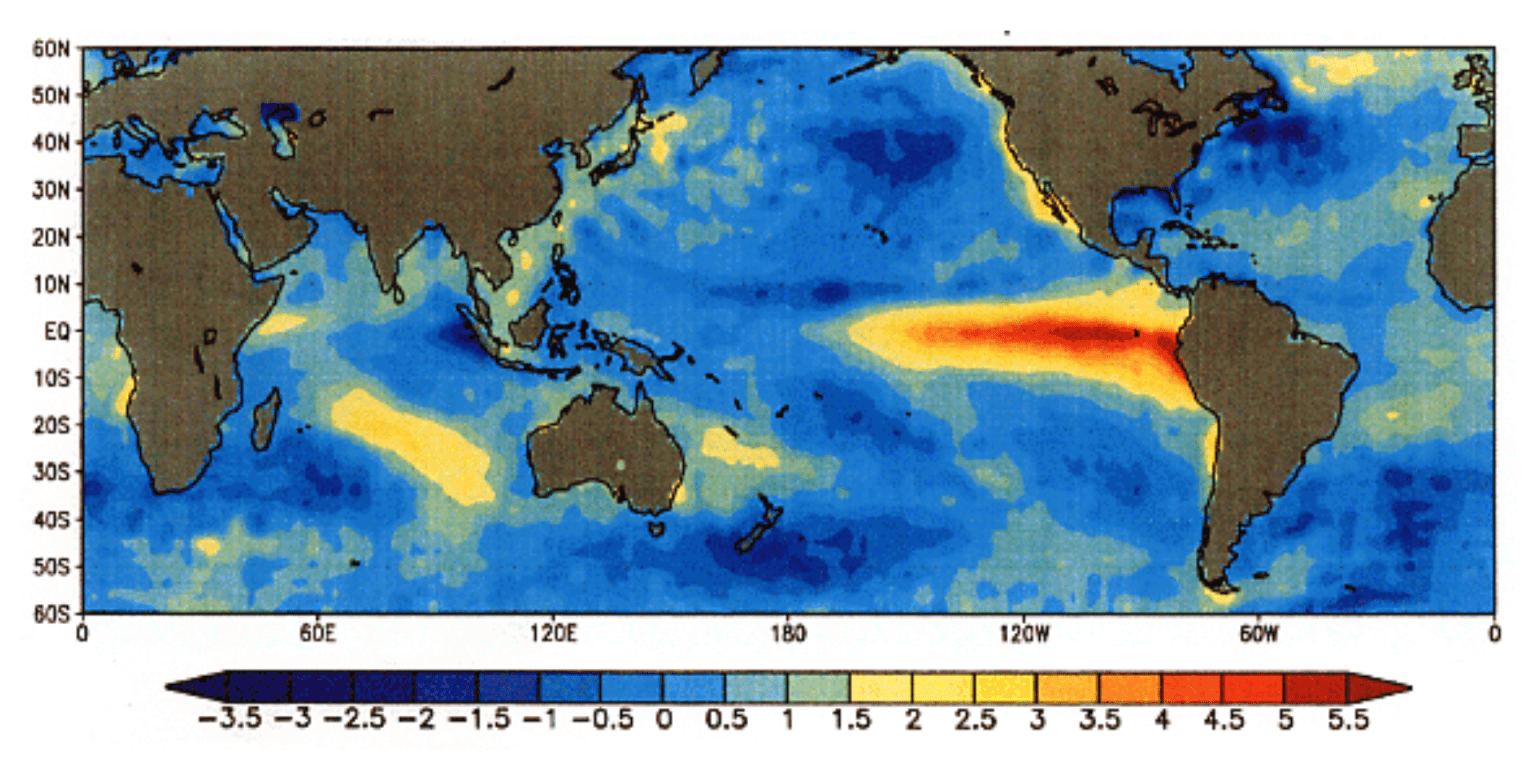
Scientists agree that El Niño conditions are already established in the tropical Pacific and are expected to strengthen during the second half of 2026, increasing the possibility of a super El Niño developing.
In June, the US National Oceanic and Atmospheric Administration (NOAA) announced El Niño had officially formed and forecast a 63% chance of the event reaching ‘very strong’ status by its peak.
Since then, some forecasts have become even more confident that the event could be among the strongest seen in decades. However, scientists stress that El Niño forecasts are never certain. Every event behaves differently, and strength alone does not determine how severe its impacts will be.
Could 2027 be the hottest year on record?
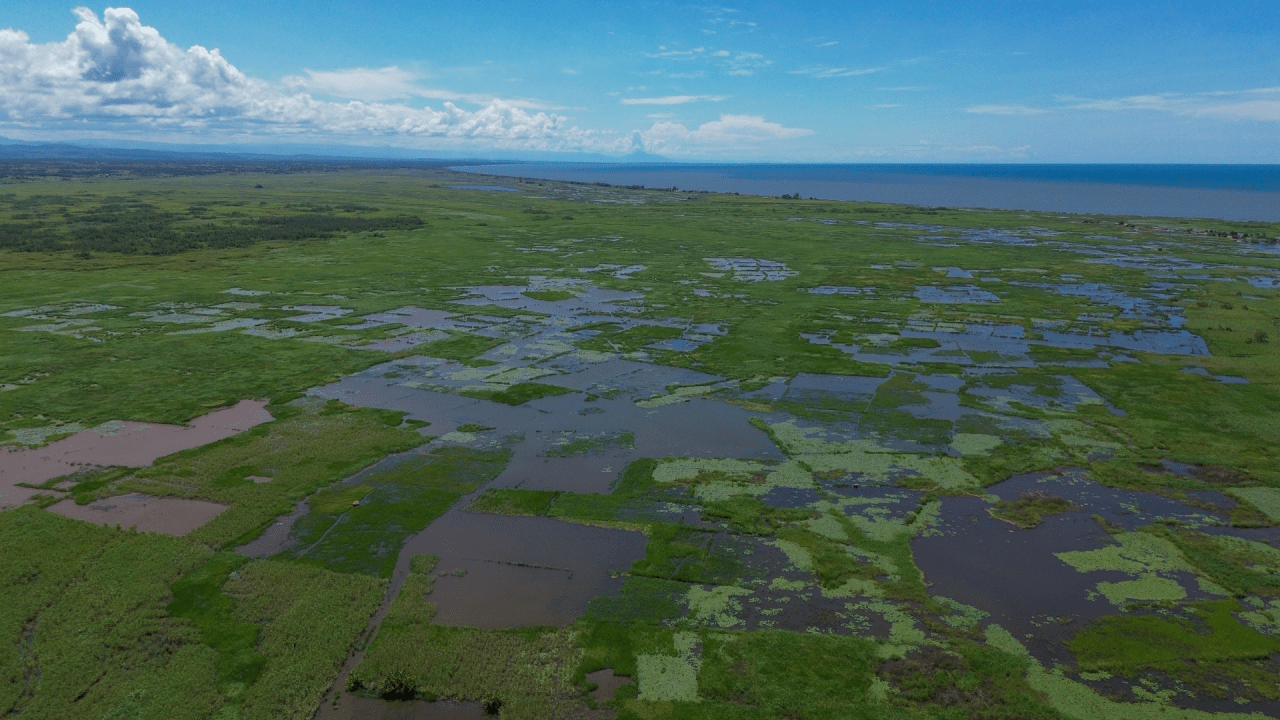
Possibly. El Niño typically increases global temperatures because heat stored in the Pacific Ocean is released into the atmosphere. The strongest impacts are often felt in the months following its development, meaning the effects of a strong 2026 El Niño could continue well into 2027.
The World Meteorological Organization (WMO) has warned that El Niño can provide an additional boost to global temperatures, while increasing the likelihood of heatwaves in many parts of the world.
What makes this event particularly concerning is that it is developing against a backdrop of long-term climate change. Scientists do not have evidence that climate change directly causes El Niño, but a warmer atmosphere can amplify some of its impacts, including extreme heat and heavy rainfall.
Why does a super El Niño matter?
A super El Niño can influence much more than the weather.
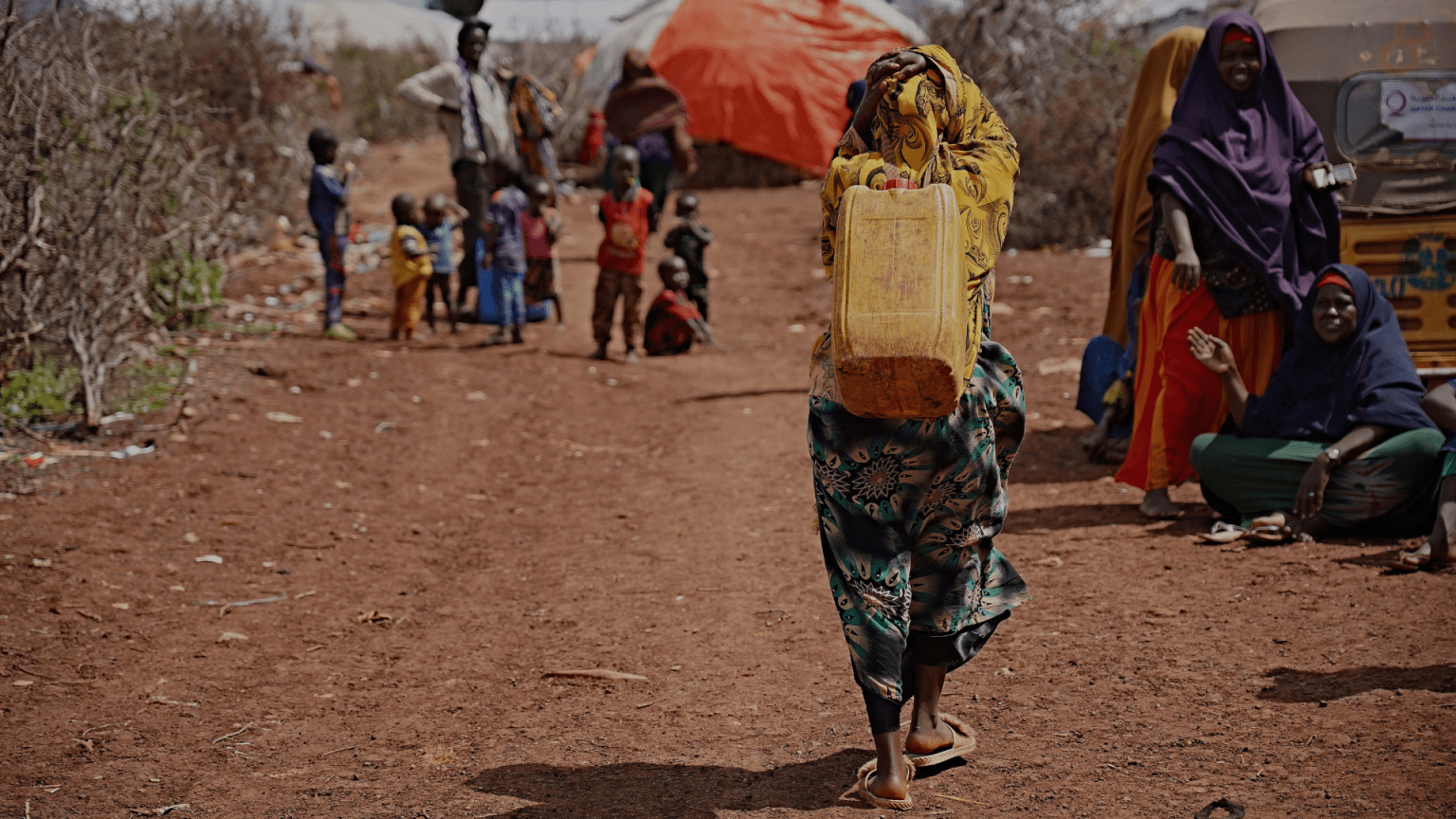
Changes in rainfall, temperatures and ocean conditions can affect agriculture, fisheries, water supplies, food prices, and supply chains. The impacts can be felt far beyond the countries experiencing the most extreme weather, affecting economies and communities across the world.
For people already facing disaster, conflict, or the climate crisis, these pressures can make recovery even more difficult.
How a super El Niño could impact people
A super El Niño does not affect every country in the same way.
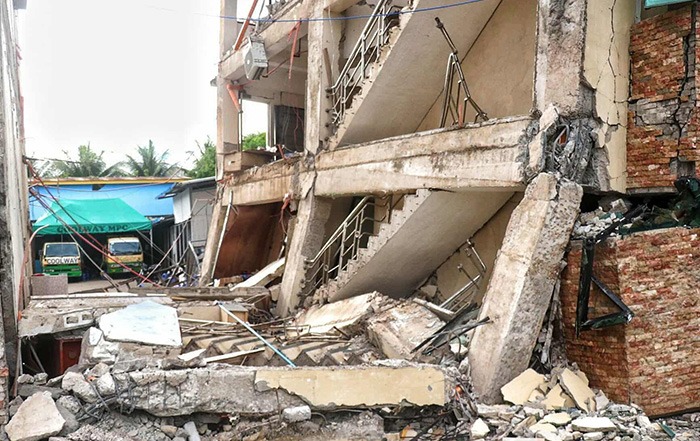
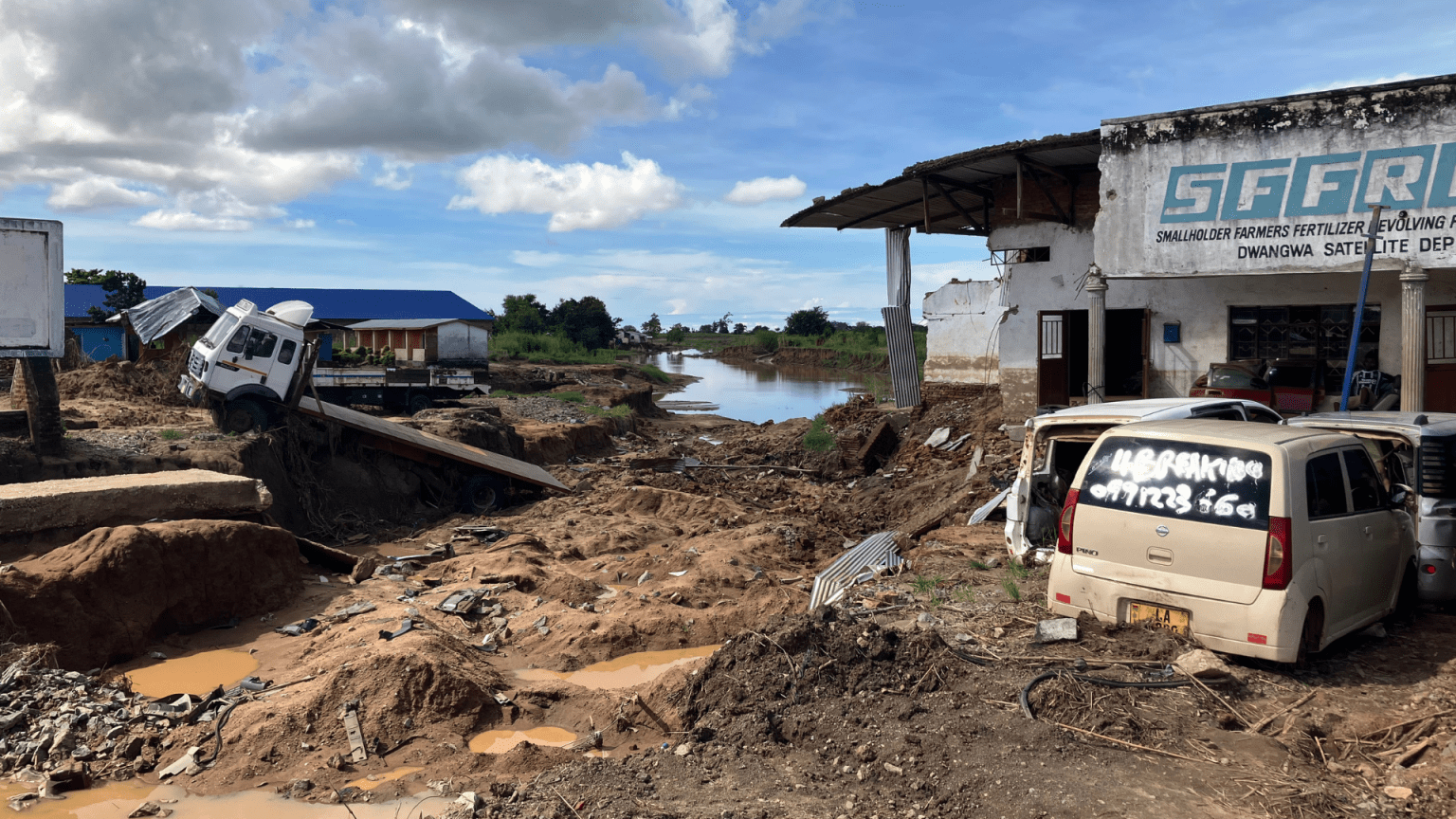
Some regions may experience heavier rainfall and increased flood risk. Others may face drought, water shortages, and crop losses. In previous events, communities have experienced severe flooding, prolonged dry conditions, food insecurity, and disruptions to livelihoods.
We’re also expecting to see global food insecurity worsen this year. If extreme weather occurs on top of the current lack of fertilizer supply, reduced crop yields and price increases, this has the potential to create even greater hardship for many of the countries we work with.
– Dave Raybould, ShelterBox Emergency Coordinator
These impacts can be particularly challenging for communities already facing disaster, conflict, or the climate crisis. Changes in rainfall, temperatures, and ocean conditions can affect:
- Crops and harvests
- Livestock
- Fisheries
- Water supplies
- Food prices
- Household incomes
When these pressures occur together, recovery can become much more difficult. Read more about how El Niño impacts communities around the world, from flooding in Malawi and Peru to drought and displacement in Somalia.
Why humanitarian organizations are preparing now
One of the challenges of El Niño is that its impacts are uneven and often difficult to predict. While forecasts can indicate elevated risks, they cannot tell us exactly where the most severe impacts will occur. That is why preparedness matters.
Humanitarian organizations use seasonal forecasts and early warning information to strengthen local partnerships, review response plans and position support where it may be needed most. If multiple regions experience flooding, drought, or food insecurity at the same time, humanitarian needs can become more complex, and resources may be stretched across several emergencies.
The unpredictable and irregular nature of El Niño weather conditions are presenting unique challenges for the humanitarian sector. Not only is it becoming harder to predict when and where disasters might strike but crises are also becoming more complex and multifaceted. In some regions the weather system will increase the chances of flooding and in others, drought, making it difficult to plan ahead.
– Dave Raybould, ShelterBox Emergency Coordinator
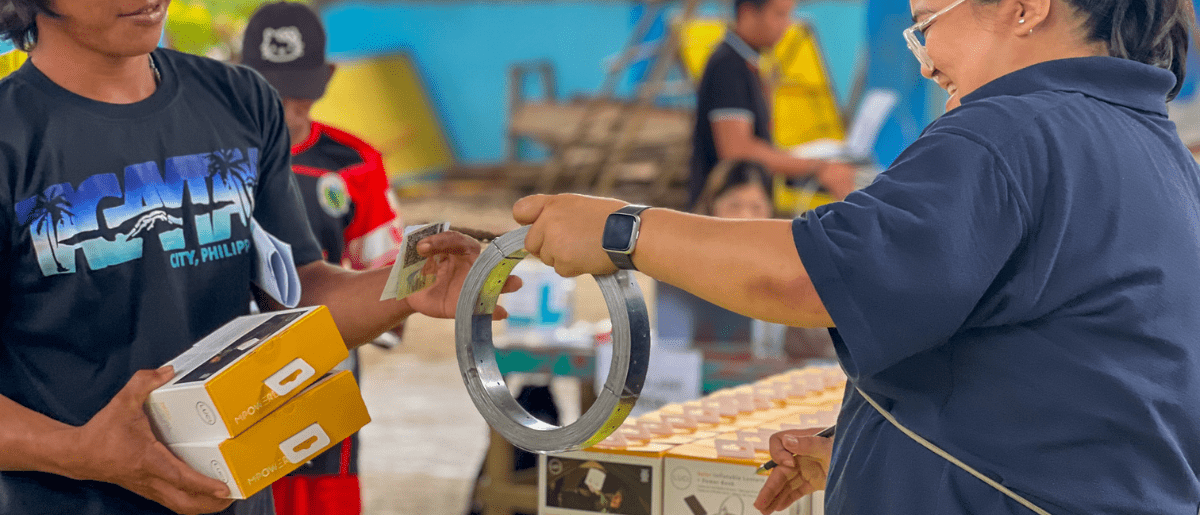
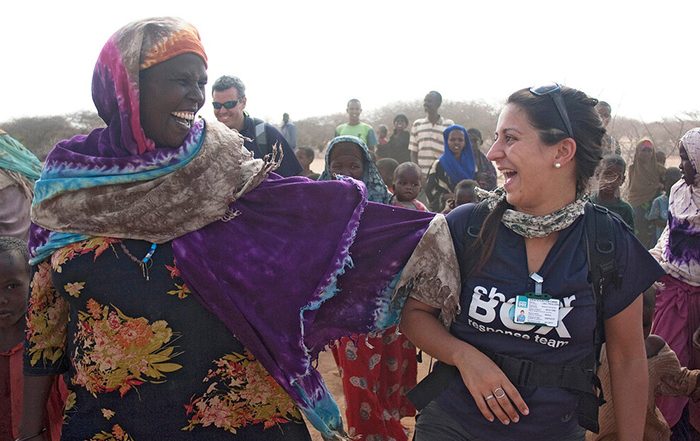
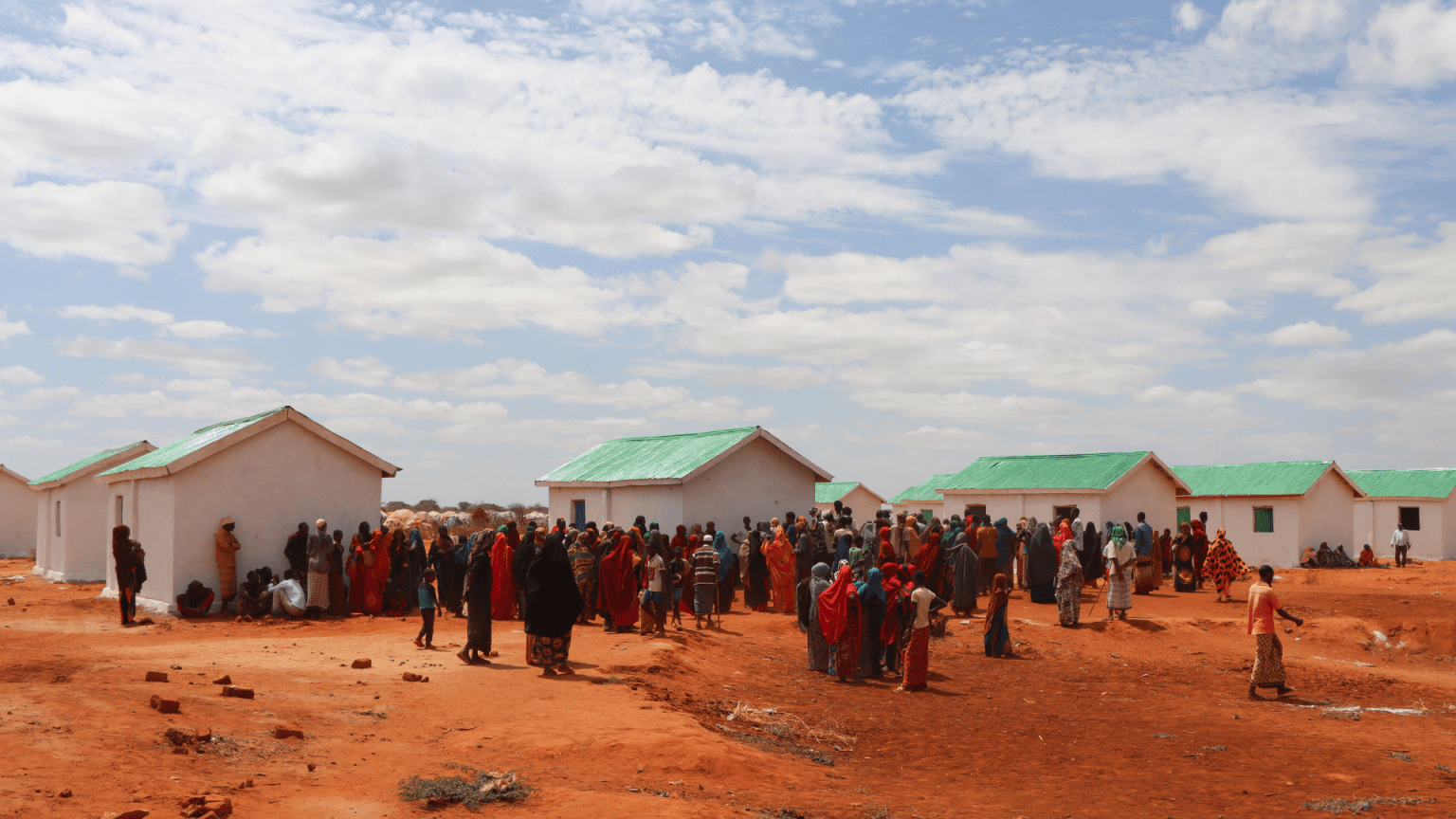
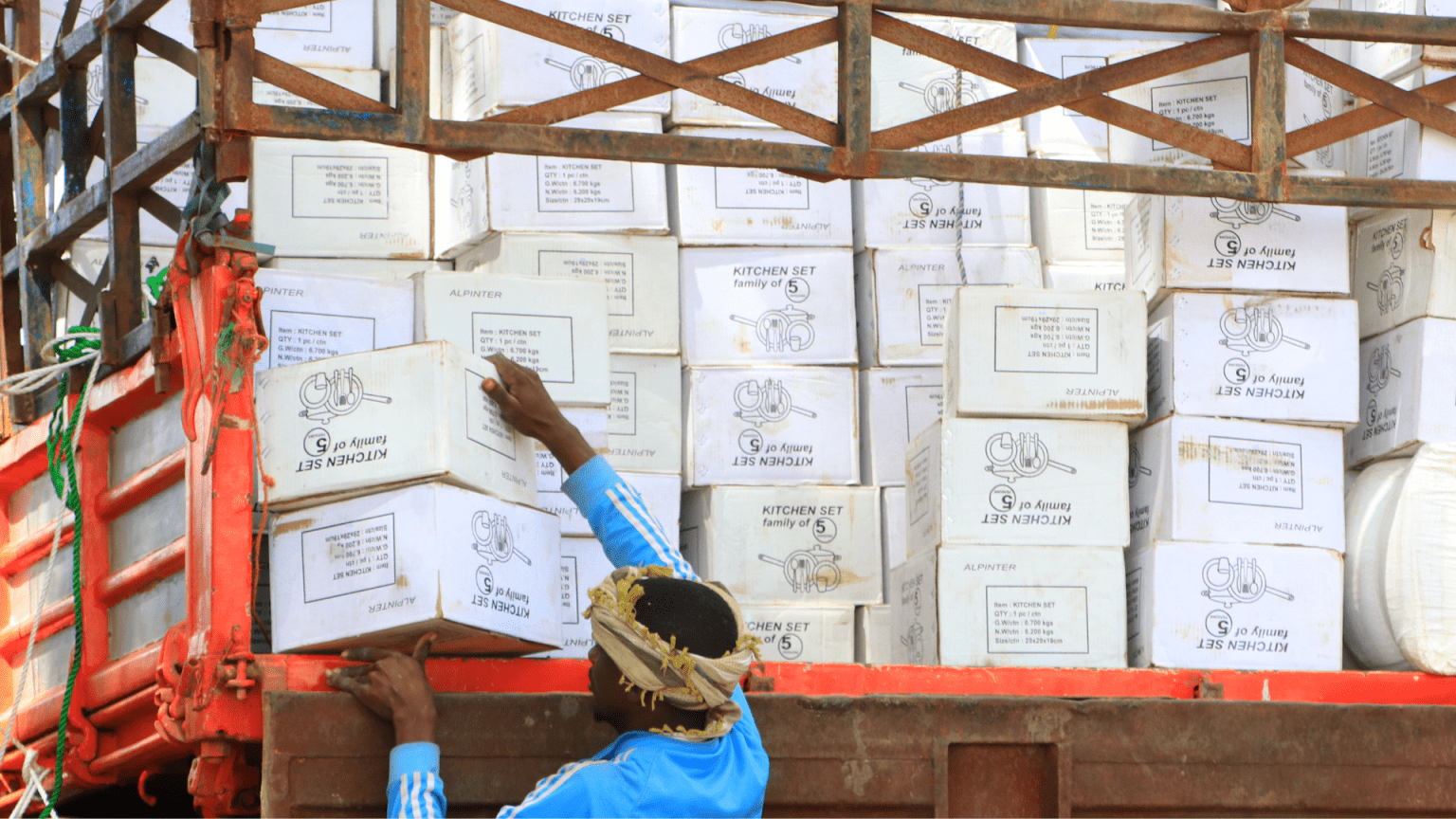
At ShelterBox, preparedness is a key part of our work. We work with local partners, pre-position aid and strengthen response plans so we can support communities more quickly when disasters force people from their homes.
What happens next?
Whether or not the current event becomes a super El Niño, scientists agree that it is developing rapidly and could have significant consequences around the world.
The exact impacts remain uncertain. But previous El Niño events show that when extreme weather affects homes, livelihoods and food supplies, the consequences can last long after the weather has passed. For communities facing disaster, conflict and the climate crisis, preparedness today can help reduce the challenges of tomorrow.
Ways to take action
As communities prepare for the possibility of a super El Niño, there are many ways you can support people affected by disaster.
- Donate to help provide emergency shelter and essential items to families who have lost their homes.
- Fundraise to support people rebuilding their lives after disaster.
- Volunteer with ShelterBox and help raise awareness in your community.
- Subscribe for the latest updates and stories from around the world.
- Follow and share our work on social media to help more people understand the challenges facing communities after disaster.