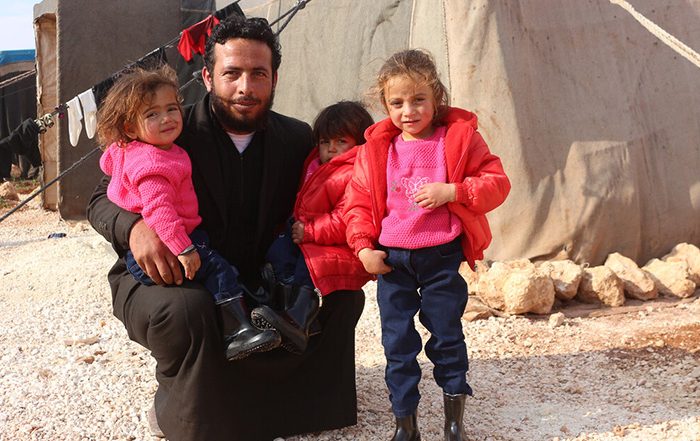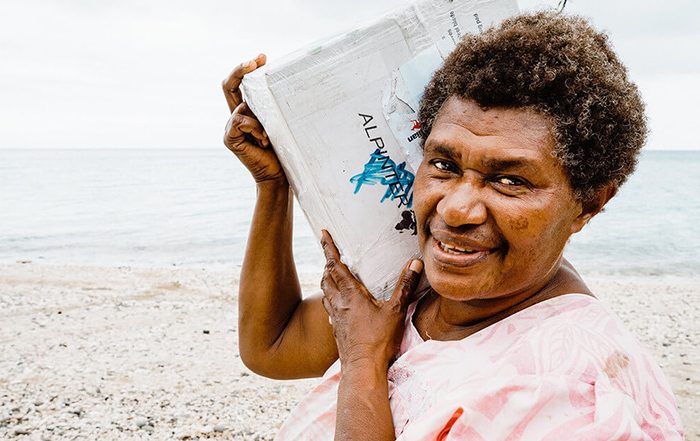
When people hear about El Niño, it is easy to assume that its impacts are the same everywhere. In reality, it creates weather conditions that are unpredictable, irregular and often contrasting.
El Niño is a natural climate pattern that can influence weather around the world. The pattern doesn’t run in a neat cycle and has uneven effects across the globe. While some communities experience heavier rainfall and flooding, others may face drought, crop losses and water shortages. The same climate event can create completely different challenges depending on where people live.
For communities and humanitarian organizations, this creates a unique challenge. How do you prepare when one weather pattern can increase flood risk in one country, contribute to drought in another and disrupt food supplies across multiple regions at the same time?
One climate pattern, many different outcomes
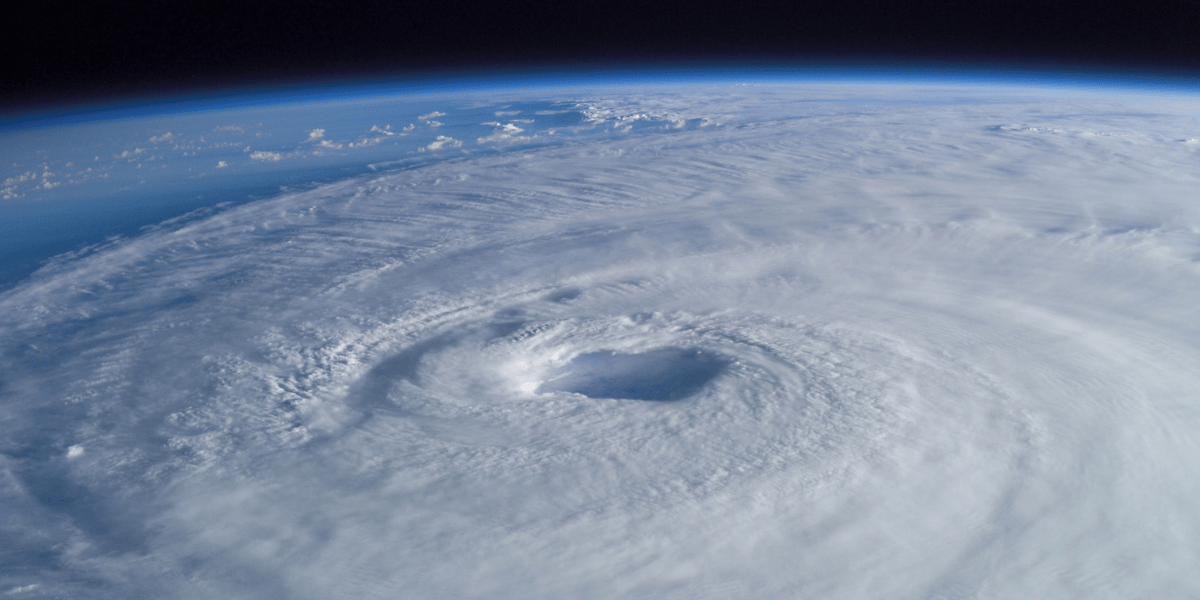
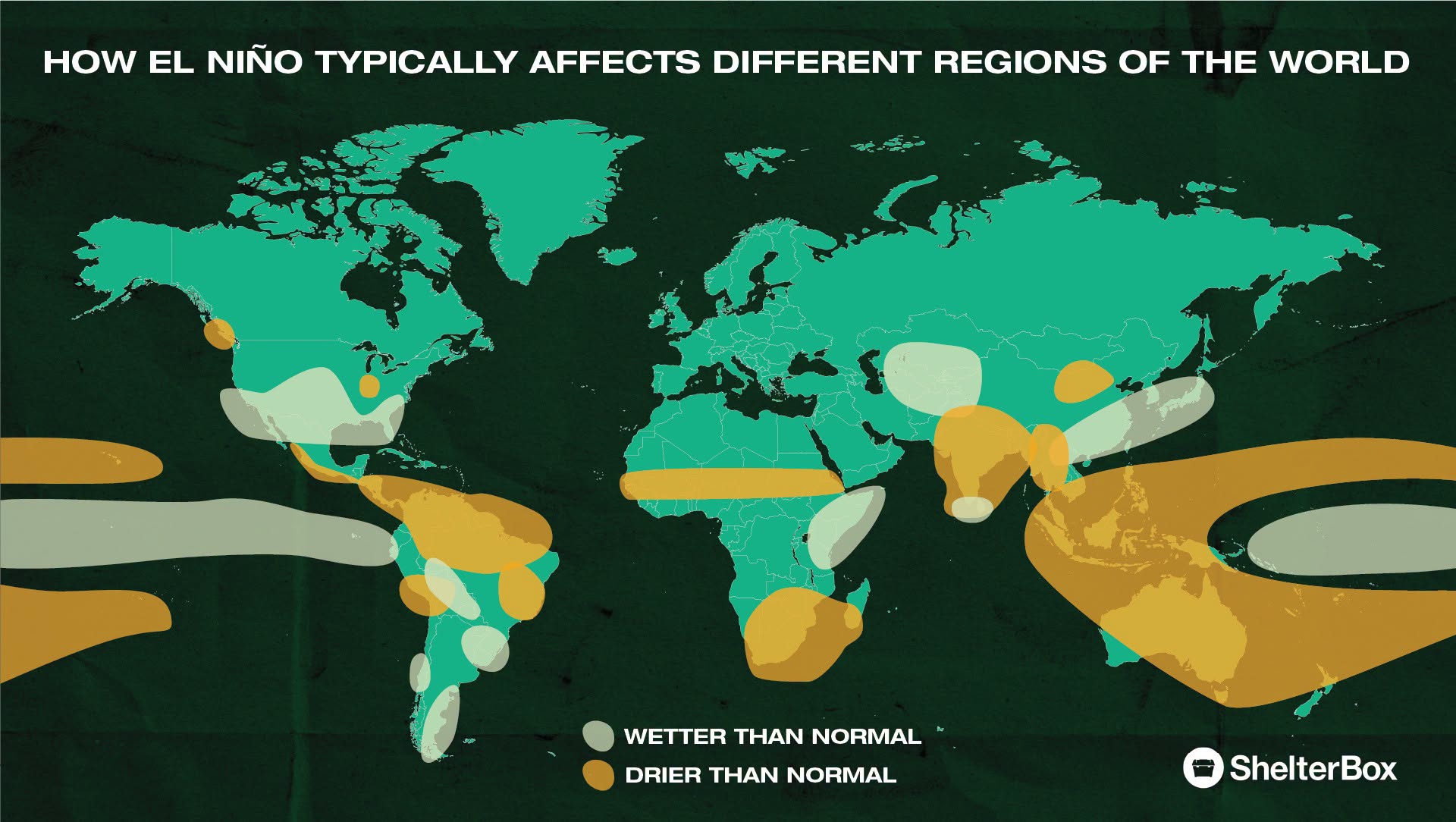
El Niño begins in the Pacific Ocean, but its effects can be felt thousands of miles away. As ocean and atmospheric conditions change, rainfall patterns shift around the world. Some places receive more rain than usual. Others receive far less.
But weather alone does not tell the whole story. Local conditions also shape the impacts of El Niño. These include housing, livelihoods, infrastructure and how prepared communities are before a crisis hits.
The map below shows the typical rainfall patterns associated with El Niño and how they can vary across different regions of the world.
When El Niño brings flooding
In some regions, El Niño is associated with heavier rainfall and an increased risk of flooding.
Flooding is one of the most visible impacts of El Niño. But beyond damaged roads and submerged homes, the longer-term challenge is often recovery.
Flooding in South America
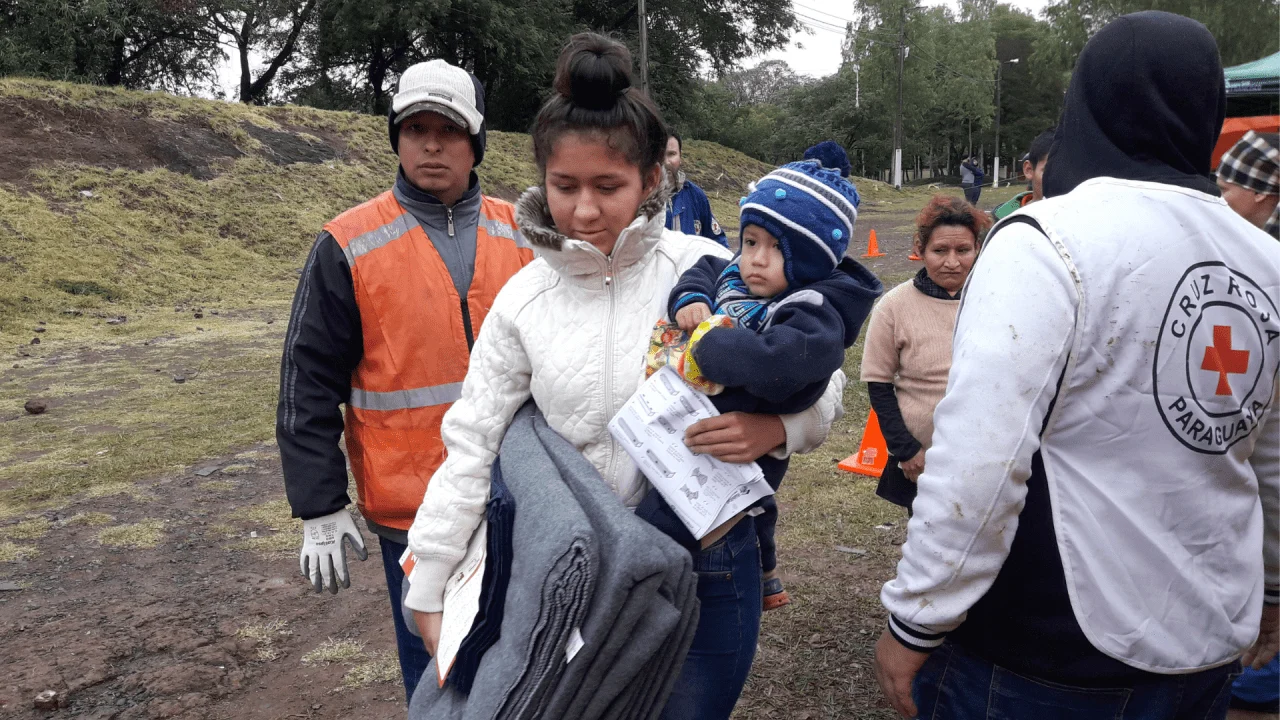
In South America, El Niño is often linked to above-average rainfall. In Peru, intense rains triggered widespread flooding and landslides in 2017. More than 1.2 million people were affected and thousands of families lost homes and livelihoods. Paraguay also experienced unusually heavy rainfall linked to El Niño in 2019, causing severe flooding and forcing nearly 20,000 families from their homes.
In both countries, many families spent months in temporary settlements while waiting for floodwaters to recede and rebuilding damaged homes. ShelterBox supported affected communities with shelter kits, mosquito nets, solar lights and other essential items to help people begin recovering from the disaster.
Flooding in Malawi
Flooding can be especially difficult when communities are already recovering from previous disasters.
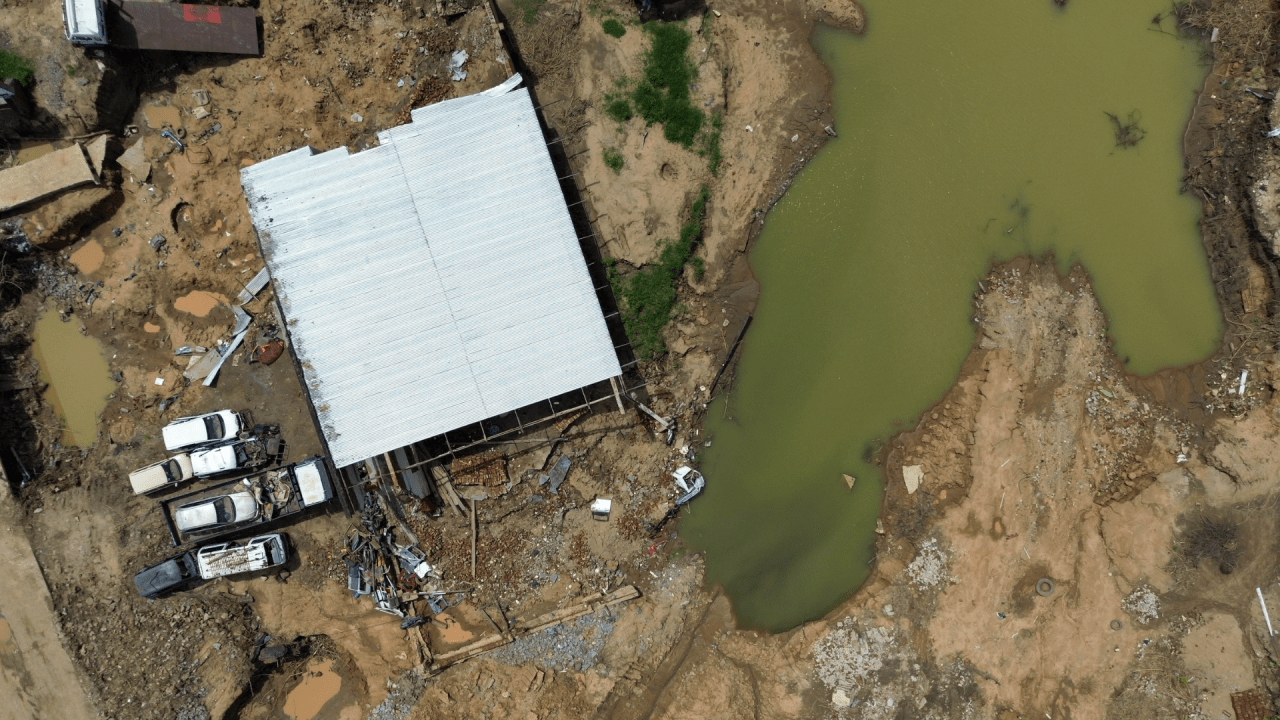
In 2024, severe flooding displaced more than 12,000 people across central Malawi after weeks of heavy rainfall. Homes, roads, bridges and crops were damaged or destroyed, leaving many families without safe shelter.
The flooding came after years of repeated climate shocks. Communities were still recovering from Cyclone Freddy in 2023, Cyclone Idai in 2019 and a series of floods over the previous decade. At the same time, parts of Malawi were facing drought linked to El Niño conditions.

Andrew’s story
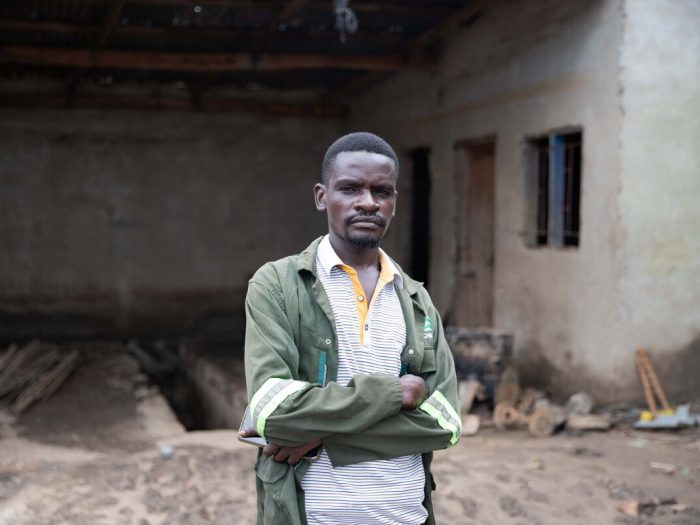
Andrew, a mechanic whose garage was destroyed by floodwater, described the challenge of starting again:
“I built it in 2018, in just five years, I have lost everything. As I am speaking now, I don’t have anything that I have invested… I am starting again.”
Andrew’s story reflects a challenge facing many communities affected by repeated disasters. When homes, businesses and crops are damaged again and again, people often have little time to recover before the next crisis arrives.
Flooding in Somalia
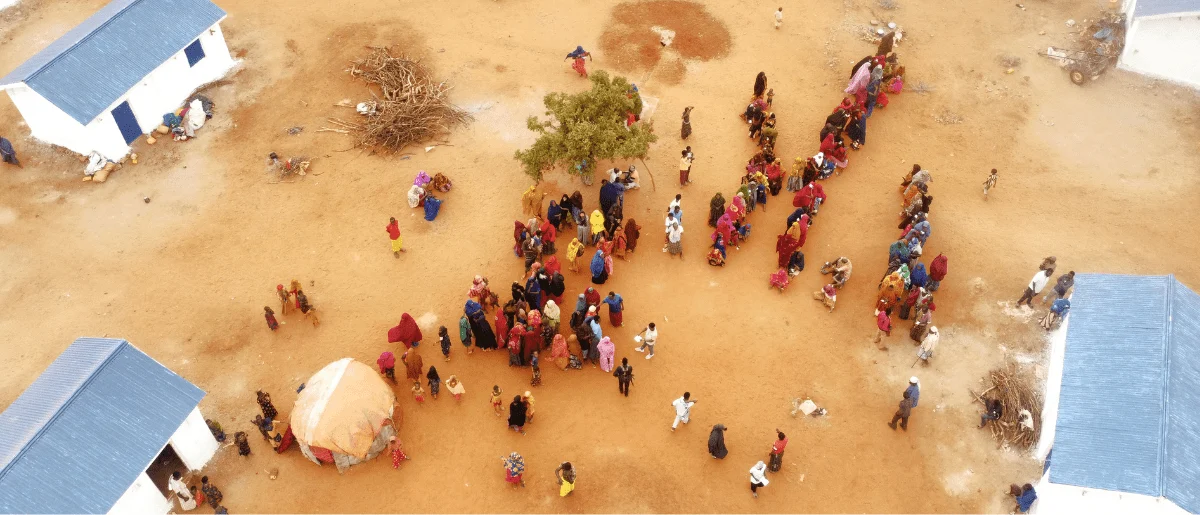
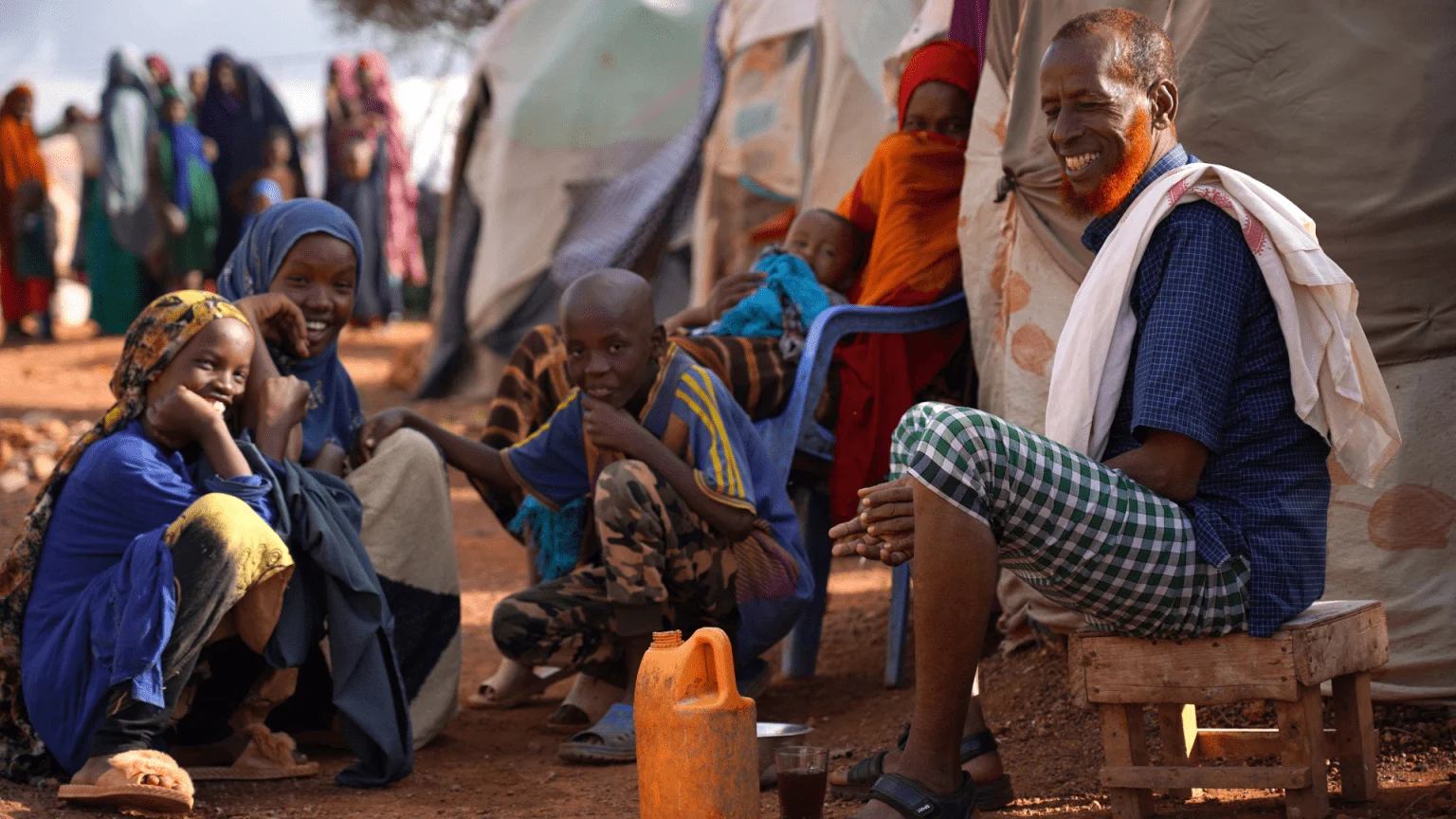
Somalia experienced devastating flooding linked to El Niño in 2023 and 2024, after already enduring the country’s worst drought in four decades. Seasonal cycles of drought and flooding left many families with little time to recover between shocks.
For many people, the loss of a home was just as devastating as the flood itself, leaving families exposed to the elements and uncertain about where they would live next.
Hodan’s story
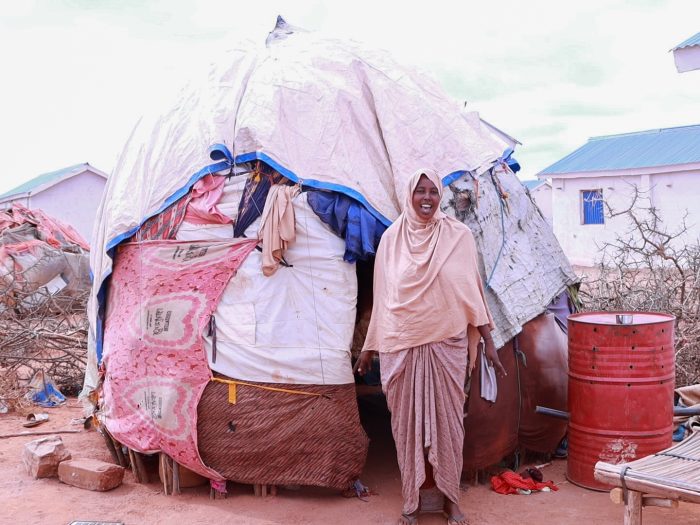
Among those affected was Hodan and her family, who were forced to flee their home. They arrived in Dollow with little more than the clothes they were wearing and built a makeshift shelter to survive.
“We were living in a bush and when it rained all our belongings were carried away by the floods.”
Working with local partner Juba Foundation, ShelterBox supported Hodan’s family with a more durable shelter and long-term land tenure, helping provide greater stability after months of uncertainty.
When El Niño brings drought
While some regions experience flooding during El Niño, others may face the opposite challenge: prolonged dry conditions.
Drought often develops more slowly than flooding, unfolding over months or even years. As a result, the scale of the crisis may not become clear until livelihoods have already been affected.
Reduced rainfall can damage crops, affect livestock and deplete water supplies, increasing food insecurity and putting additional pressure on families already struggling to get by.
The impacts can last long after rainfall returns. Children may be taken out of school, household savings can be depleted and families may struggle to rebuild livelihoods lost over extended periods of time.
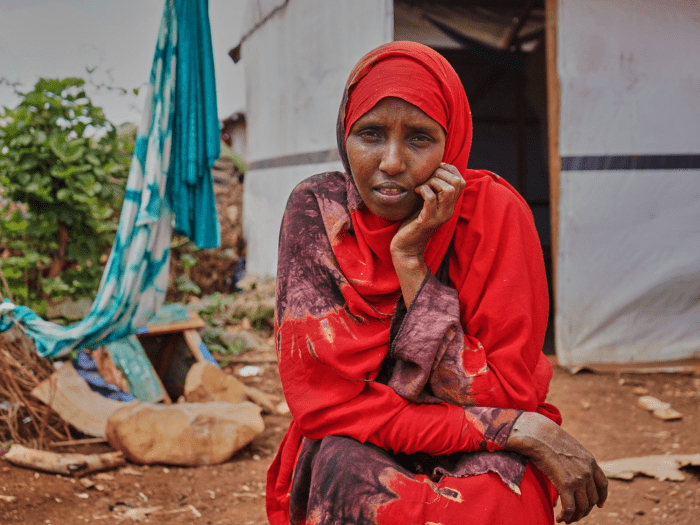
Nurta’s story
In Somalia, Nurta and her five children were forced to leave their hometown after years of drought led to severe food and water shortages.
“Our journey was quite challenging; we had been struggling for three months before arriving here. As we were travelling, we did not have much food and water and when we arrived, some of my children were admitted to the hospital because of malnutrition.”
Today, Nurta and her family live in a more durable shelter. She hopes for a future where her children can access education, where she can earn an income and where her family no longer has to move in search of safety.
Overlapping crises and recovery interrupted
For many families, the challenge is not a single disaster. It is trying to recover while new crises continue to emerge.
In Somalia, years of drought were followed by severe El Niño-related flooding, while conflict and economic pressures continued to place additional strain on communities.
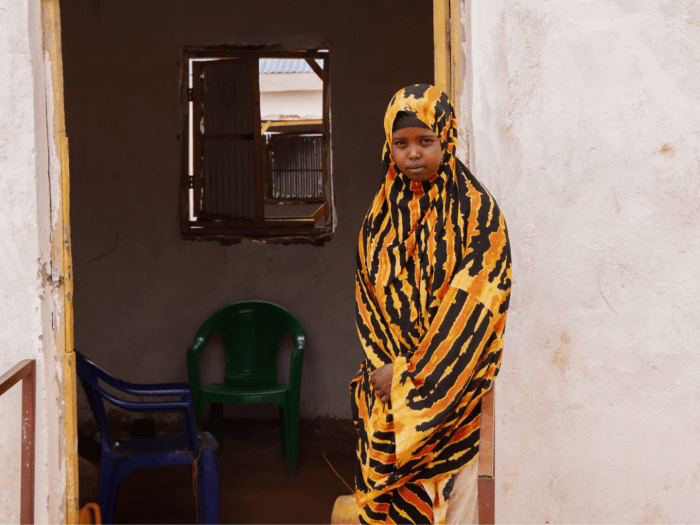
Ruqiya’s story
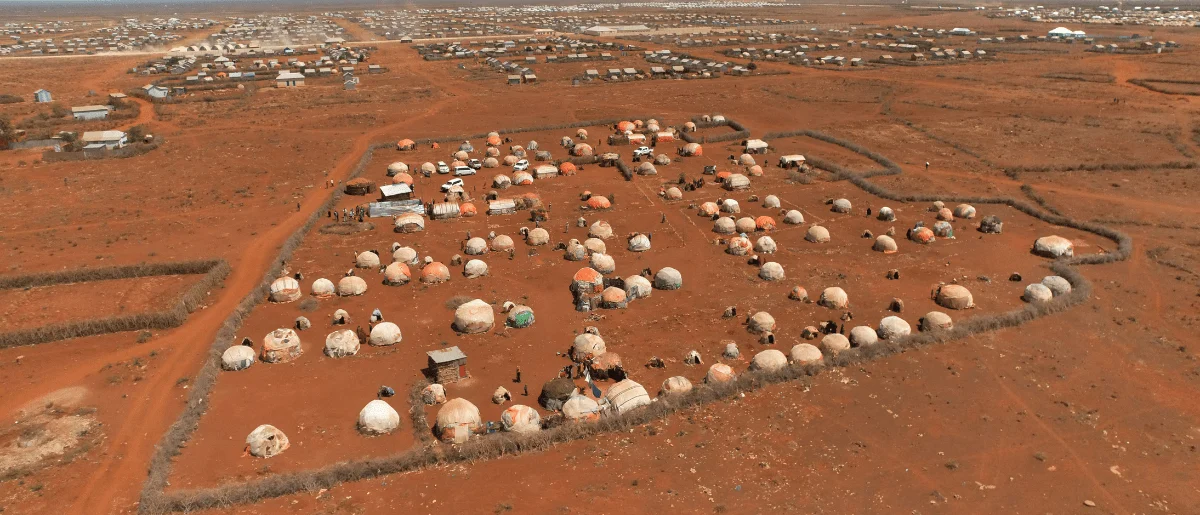
Ruqiya and her family were displaced by drought, flooding and conflict before settling in Dollow. When they first arrived, they lived in a temporary ‘bull’ shelter made from sticks, plastic and cloth.
Through a ShelterBox project delivered with local partner Juba Foundation, Ruqiya’s family received a more durable shelter and a longer-term place to stay.
“We used to live together in a bull shelter where we were not comfortable. But now we have got a good house.”
For Ruqiya, the change was about more than simply having a roof overhead. A more durable shelter provided greater privacy, stability and protection after years of uncertainty.
Mohamed’s story
Mohamed’s story highlights how displacement can affect every family differently. After leaving home, Mohamed was caring for his daughter Ayan, who lives with a disability, while the family stayed in a makeshift shelter with limited protection from the weather. Daily life was challenging, and the shelter did not meet the family’s needs.
With support from ShelterBox and local partners, Mohamed’s family later received a more accessible shelter, making day-to-day life safer and more manageable.
“In the future, our hope is bright. We think we will have more changes in our lives.”
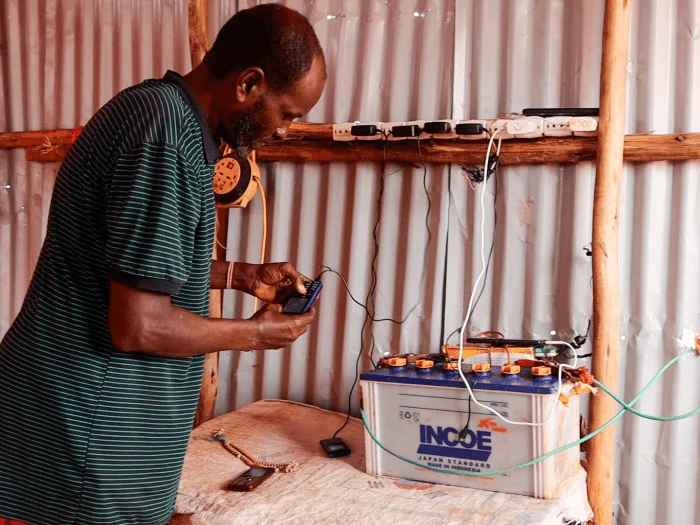
Abdi’s story
Abdi, a farmer displaced by drought and conflict, said his previous shelter offered little protection from heat or rain. After receiving a more durable shelter and training on maintenance and repair, he opened a small solar-charging business beside his home.
The shelter did more than provide protection from the weather. It gave Abdi a foundation from which to rebuild his livelihood and support his family.
“I thank the organizations that helped me get this shelter. I built a small kiosk where I use solar to charge people’s phone for a small fee so we can earn our daily bread.”
These stories show that disasters rarely happen in isolation. Drought, flooding, displacement and conflict can affect every part of daily life, from housing and income to education and healthcare.
For many families, recovery is not about overcoming a single crisis. It is about rebuilding while new challenges continue to emerge.
Why preparedness matters
In places such as Somalia, seasonal cycles of drought and flooding are becoming more extreme, leaving communities with little time to recover between disasters.
The exact impacts of El Niño are difficult to predict. Scientists can identify increased risks, but they cannot say exactly where the most severe impacts will occur. With forecasts also monitoring the potential development of a super El Niño, that uncertainty makes preparedness essential.
If extreme weather affects multiple regions at the same time, national aid systems can become stretched. This makes local, partner-led work even more important.
By monitoring forecasts, strengthening local partnerships and planning for different scenarios, humanitarian organizations can prepare for a range of possible outcomes. This matters most when different regions face different hazards at the same time: one community may need support after flooding, while another is dealing with drought, food insecurity or displacement.
For ShelterBox, preparedness is not about predicting the future. It’s about ensuring communities are better supported to survive and recover when disasters strike – whether those disasters come in the form of flooding, drought or other extreme weather.
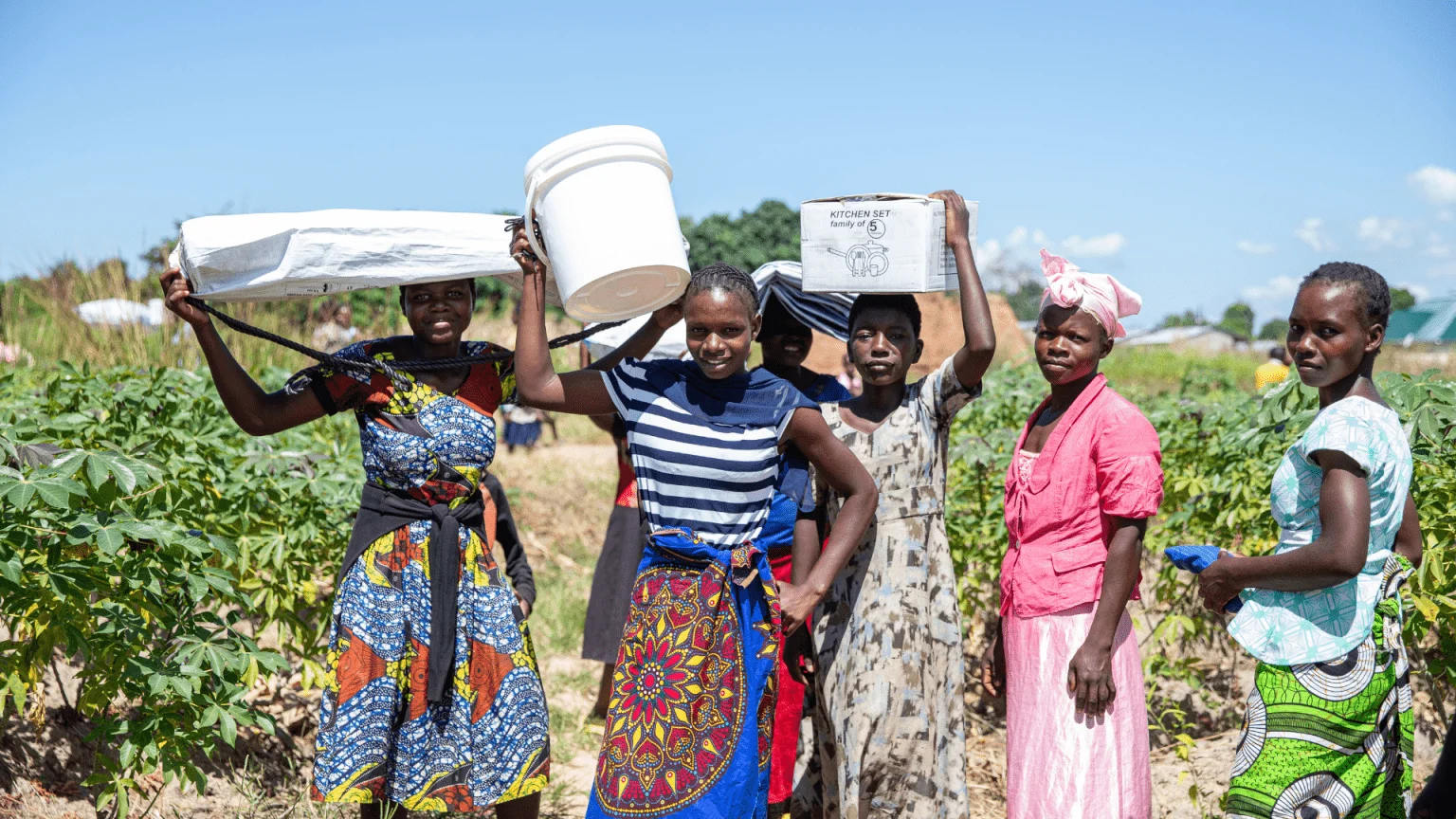
Beyond the forecast
No two El Niño events are the same. And no two communities experience them in exactly the same way.
The stories of Hodan, Nurta, Ruqiya, Abdi and families across Peru, Paraguay, Malawi and beyond show how one climate pattern can create very different challenges around the world. Some communities face flooding. Others face drought. Many experience multiple pressures at the same time.
Together, these experiences reveal a broader picture of El Niño. Its impacts reach far beyond rainfall and temperature records, affecting homes, livelihoods, food security and communities in different ways.
Understanding El Niño means looking beyond the forecast and recognizing the people living through its consequences.
Ways to take action
El Niño can affect communities in different ways. But whether families face flooding, drought or displacement, safe shelter can provide the foundation for recovery.
- Donate to help provide emergency shelter and essential items after disaster.
- Fundraise to support families rebuilding their lives.
- Volunteer with help raise awareness of emergency shelter after disaster.
- Subscribe for updates and stories from around the world.
- Follow and share our work on social media to help highlight the challenges communities face after disaster.