Impact stories
Meet the people your support is helping


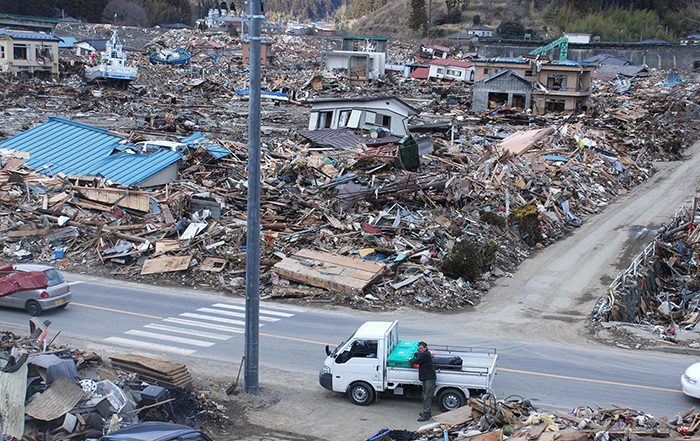
When people lose their homes to disaster, conflict or the climate crisis, shelter is often one of their most urgent needs.
But recovery looks different for everyone. Some families may need emergency shelter immediately after a crisis. Others may be able to repair damaged homes and remain close to their communities. Some may require longer-term shelter support when rebuilding their lives.
That’s why ShelterBox starts by listening. We work alongside local partners and communities to understand what people need before deciding what support to provide.
Whether it’s emergency shelter, home repairs, transitional and durable shelter solutions or essential household items, everything we provide is shaped by local needs, priorities and circumstances.

Shelter is the space where people live, sleep and carry out everyday activities after their homes have been damaged, destroyed or become unsafe.
It can take many forms, from emergency tents and tarpaulins to repaired homes, transitional shelters and durable shelter options. The right approach depends on the impact of the crisis, local circumstances and the priorities of the community.
After a disaster, conflict or climate-related event, shelter is much more than a roof over someone’s head. It can provide privacy, dignity and stability when people need it most. It gives families somewhere to rest, cook, protect their belongings and stay together during a period of uncertainty.
Shelter is the foundation for life. For many, it’s the first step towards recovery, supporting people to rebuild routines, relationships and livelihoods.
Every disaster is different. Every community is different too. Before providing support, we work with local partners and communities to understand what has happened, what people need most and what will support their recovery best.
Many people want to stay close to their homes, livelihoods and support networks. Others may have been forced to leave everything behind and need a place to stay while they decide what comes next.
We consider factors such as people’s preferences, the support already available within the community, and whether repairs, shelter materials or complete shelter solutions are needed.
Listening first enables us to provide shelter support that reflects local needs and priorities rather than applying the same solution everywhere. People affected by disaster are the main drivers of their own recovery, and our role is to support the choices they make along the way.
People’s shelter needs can change over time. The support that is right immediately after a disaster may not be the same support needed months later.
People may move between different types of shelter as their circumstances change, and every recovery journey looks different.
That’s why ShelterBox takes a needs-led approach, offering different types of shelter support depending on the situation and the needs of the community.
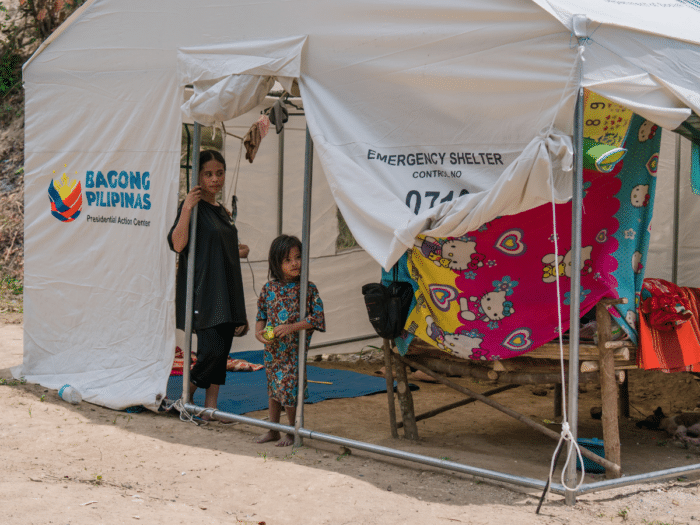
Emergency shelter provides immediate protection after a disaster or crisis.
When homes have been damaged, destroyed or become unsafe, families need somewhere secure to stay as quickly as possible. Emergency shelter helps protect people from rain, wind, extreme temperatures and other hazards while longer-term options are identified.
This support may include family tents, tarpaulins, and shelter kits that create protected living spaces during the earliest stages of recovery.
Emergency shelter is designed for short-term use, often during the first six months after disaster, providing families with privacy and protection when they need it most.
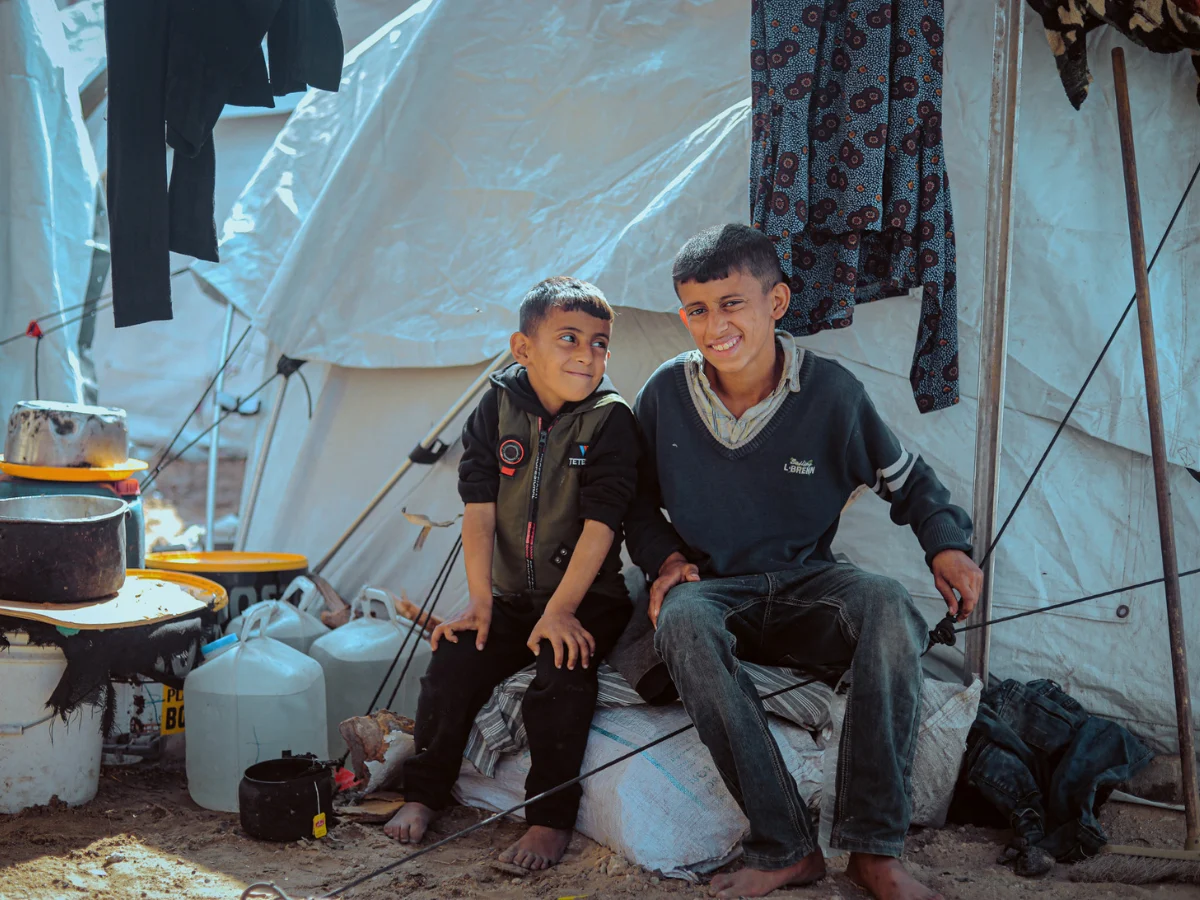
More than 1.9 million people have been displaced across Gaza, many of them multiple times, with most homes damaged or destroyed.
After being forced to flee northern Gaza, Khader and his family received a tent through ShelterBox and local partner PARC. For families living through displacement, emergency shelter provides immediate protection and a space to stay together while longer-term shelter options remain out of reach.
As Khader explained: “We are happy and grateful for the tent that we received. This is a joy for my people because this tent has provided us with shelter and protected my children.”
Read Khader's Story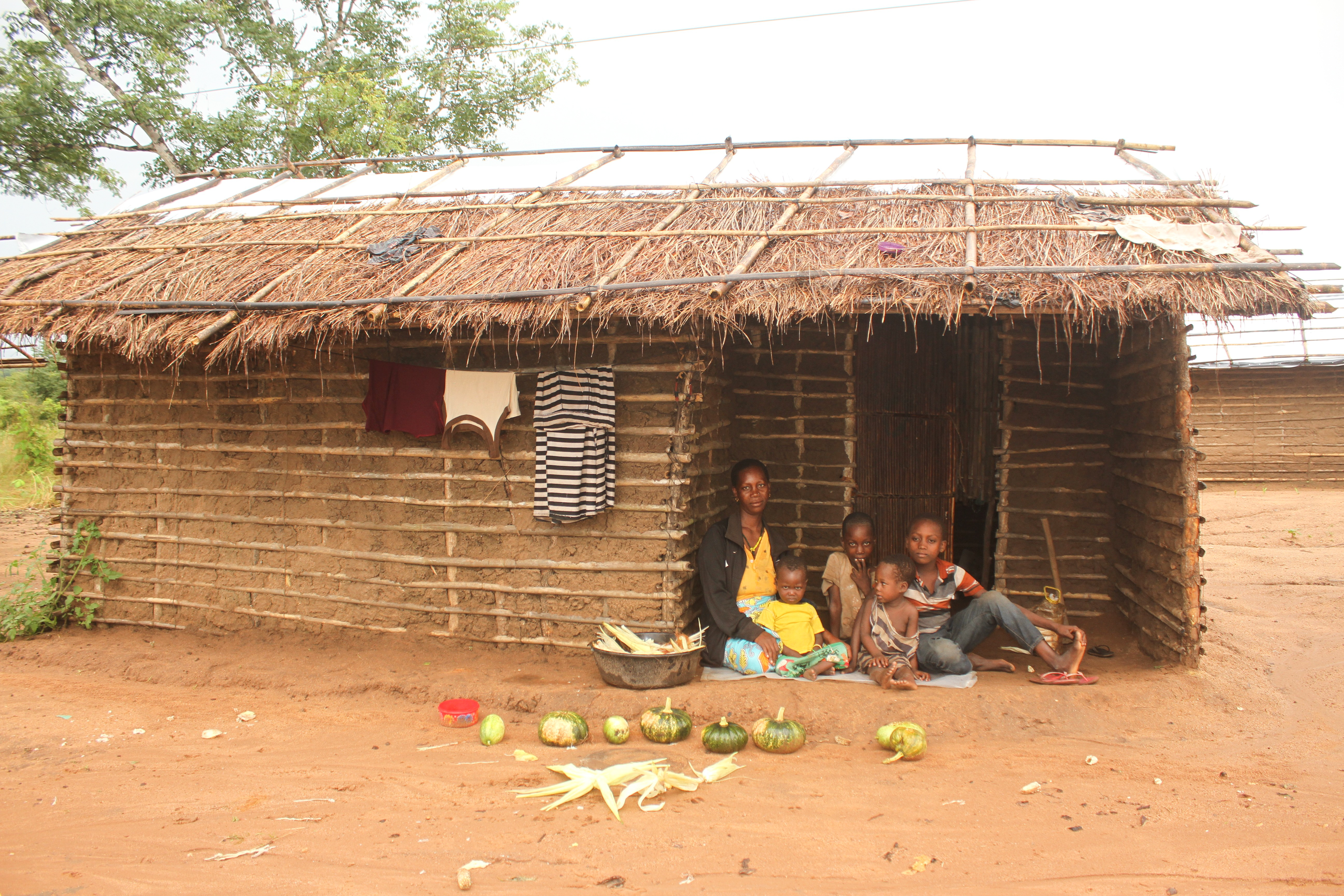
Recovery often takes time. Designed to bridge the gap between emergency shelter and more durable solutions, transitional shelter can provide support when people cannot immediately return home.
These shelters are usually built quickly using locally available materials and construction methods. They may include timber or light steel frames, simple foundations such as concrete pads or brick bases, and locally sourced walling or roofing materials.
Providing greater privacy, protection and stability than emergency shelter alone, transitional shelters give people the time and space needed to plan their next steps while longer-term housing options are explored.
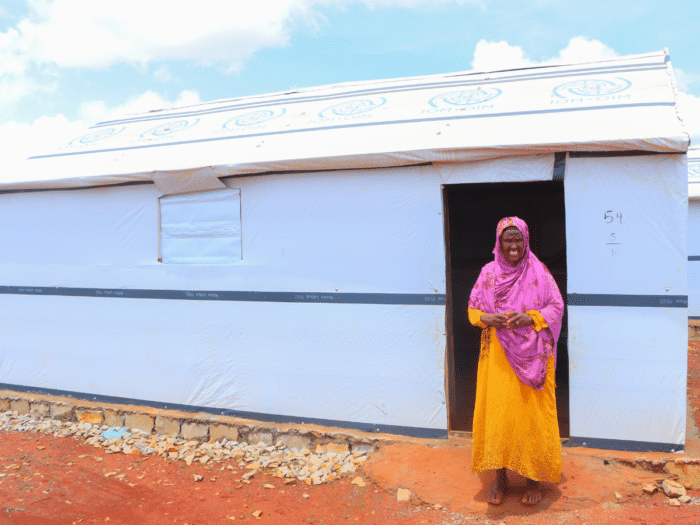
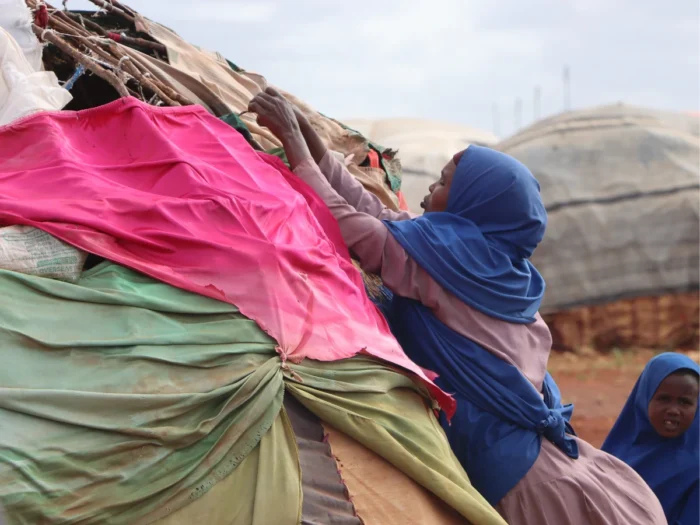
Many families in Somalia have been displaced multiple times by conflict, drought and insecurity. When people cannot immediately return home, transitional shelter can provide greater stability while they recover and plan for the future.
After spending four years living in a fragile shelter made from cloth and torn plastic sheets, Ambiya and her family received a new shelter and essential household items through ShelterBox and local partner Juba Foundation. The shelter provided greater privacy and security, giving the family a more stable foundation while they worked towards a better future.
Read Ambiya's Story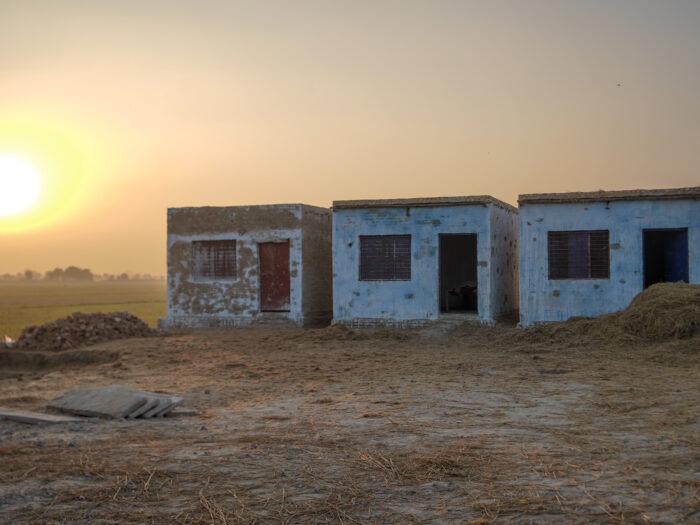
In some situations, people may need support with a more durable shelter solution.
Designed for longer use, durable shelters provide a lasting solution while reflecting local building practices, housing preferences and climate conditions. They may be constructed using materials such as mudbrick, fired brick, concrete blocks or timber framing, often combined with corrugated iron roofing and other locally appropriate techniques.
Built to withstand local weather conditions and future hazards, durable shelters provide greater stability for people who may be unable to return home for many years, helping families focus on rebuilding their lives and planning for the future.
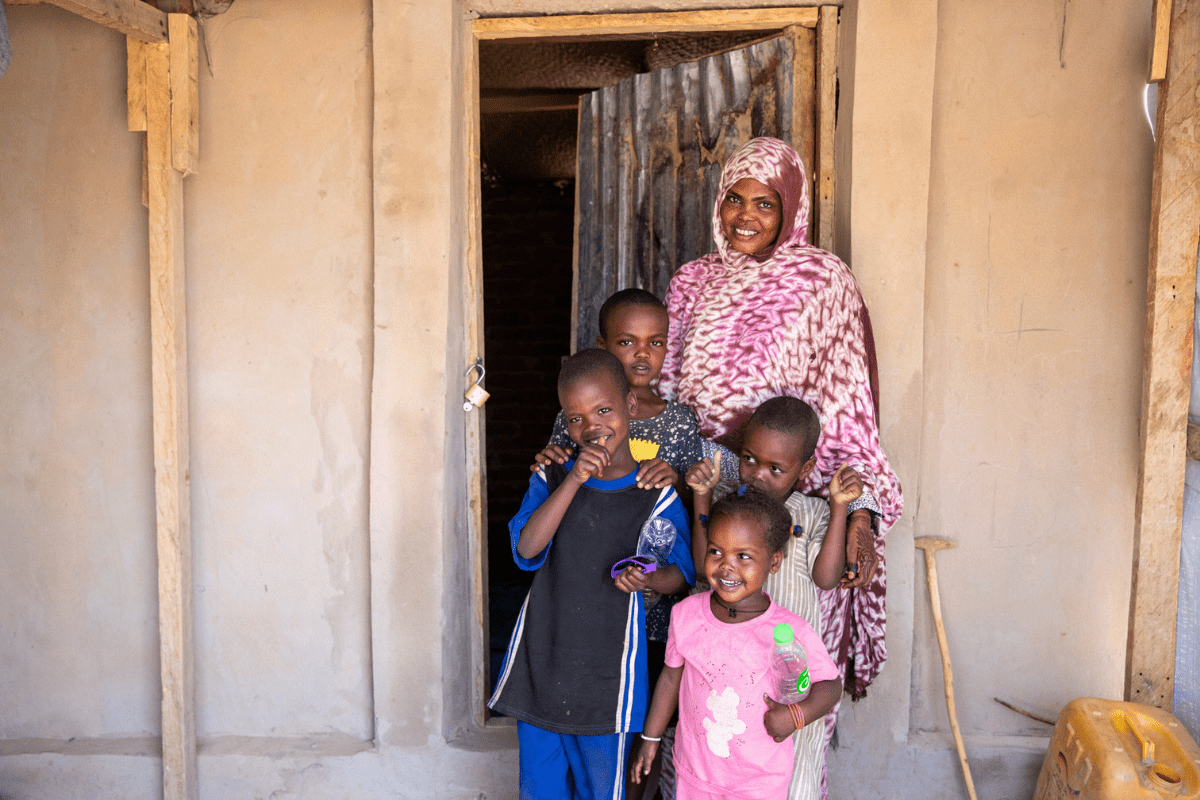
In eastern Chad, many families have been displaced by conflict and are unable to return home. In these situations, durable shelter can provide a longer-term solution that helps people move beyond immediate shelter needs and focus on the future.
Through ShelterBox’s work in Chad, families like Mona’s have received durable mudbrick shelters designed to withstand local conditions and support longer-term living. Alongside shelter, families receive household items that help them rebuild daily life after displacement.
Mona described the difference a more durable shelter made for her family, providing greater stability after being forced to leave home.
Read Mona's Story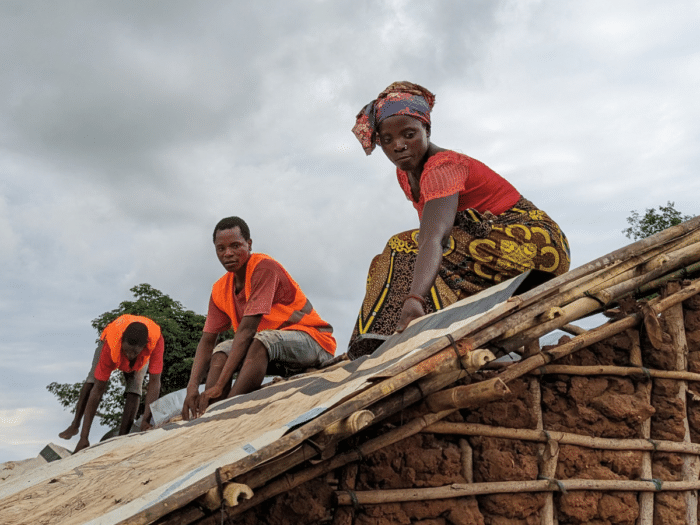
Not everyone needs a new shelter.
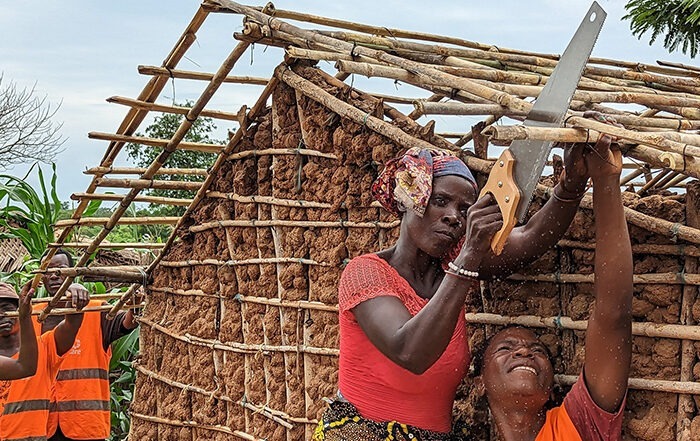
Where homes can be repaired safely, many families prefer to remain within their communities and take the lead in rebuilding their own homes. Staying close to schools, livelihoods and support networks can make a significant difference during recovery.
ShelterBox can provide the materials, tools, guidance and financial support people need to repair damaged homes and rebuild safely.
This approach recognizes that people affected by disaster are often best placed to make decisions about their own recovery. With the right support, families can repair damaged homes and rebuild in ways that work for them.
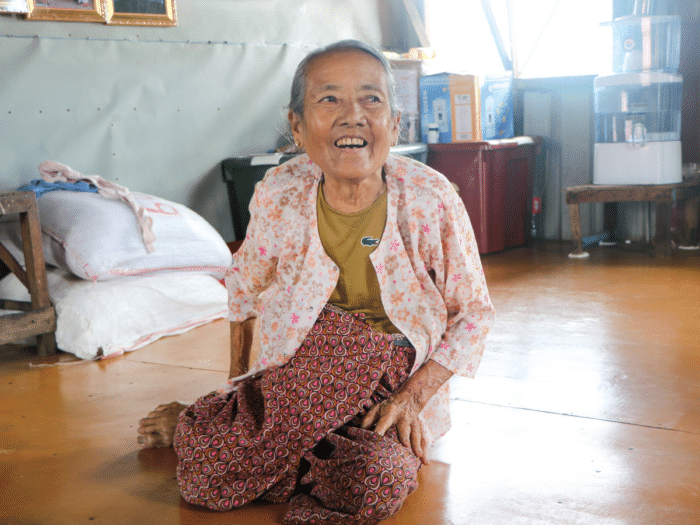
Following the 2025 earthquake in Myanmar, ShelterBox and local partners supported thousands of families to repair damaged homes using locally appropriate materials and construction techniques.
Tun May’s home was damaged in the earthquake, forcing her family to stay with relatives while repairs were carried out. With shelter repair materials and support, the family was able to return home and begin rebuilding daily life.
The repairs helped make the home more resilient to future weather and flooding, while allowing the family to remain in their community and move forward after disaster.
Read Tun May's Story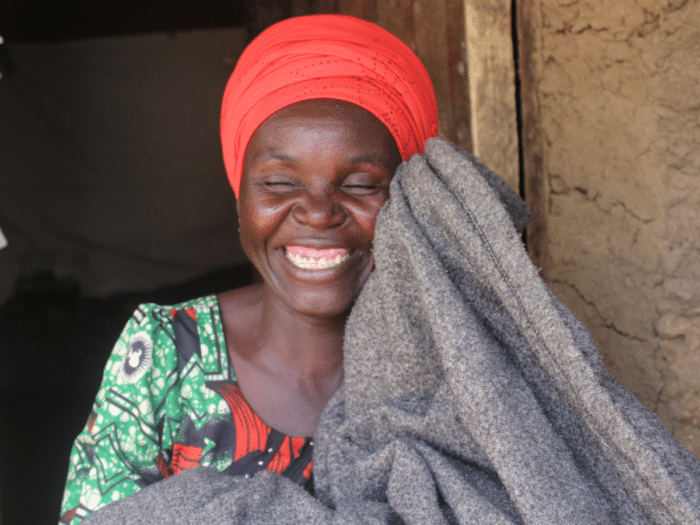
A shelter becomes a home through the everyday things that make daily life possible.
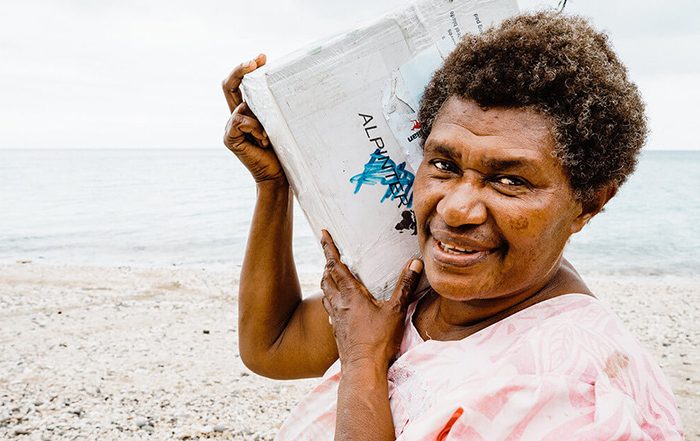
Alongside shelter support, ShelterBox may provide essential household items, such as blankets, mattresses, solar lights, kitchen sets and water containers. Depending on the situation, support may also include water filters, mosquito nets, hygiene and dignity kits, or winterization items for colder climates.
While these items may seem simple, they can make a big difference. They help families prepare meals, access clean water, stay warm, navigate after dark and re-establish daily routines. Combined with shelter, these essentials can help restore privacy, dignity and stability during recovery.
Explore our Global Gifts to see how practical items such as solar lights, shelter kits, and water filters support families after disaster.
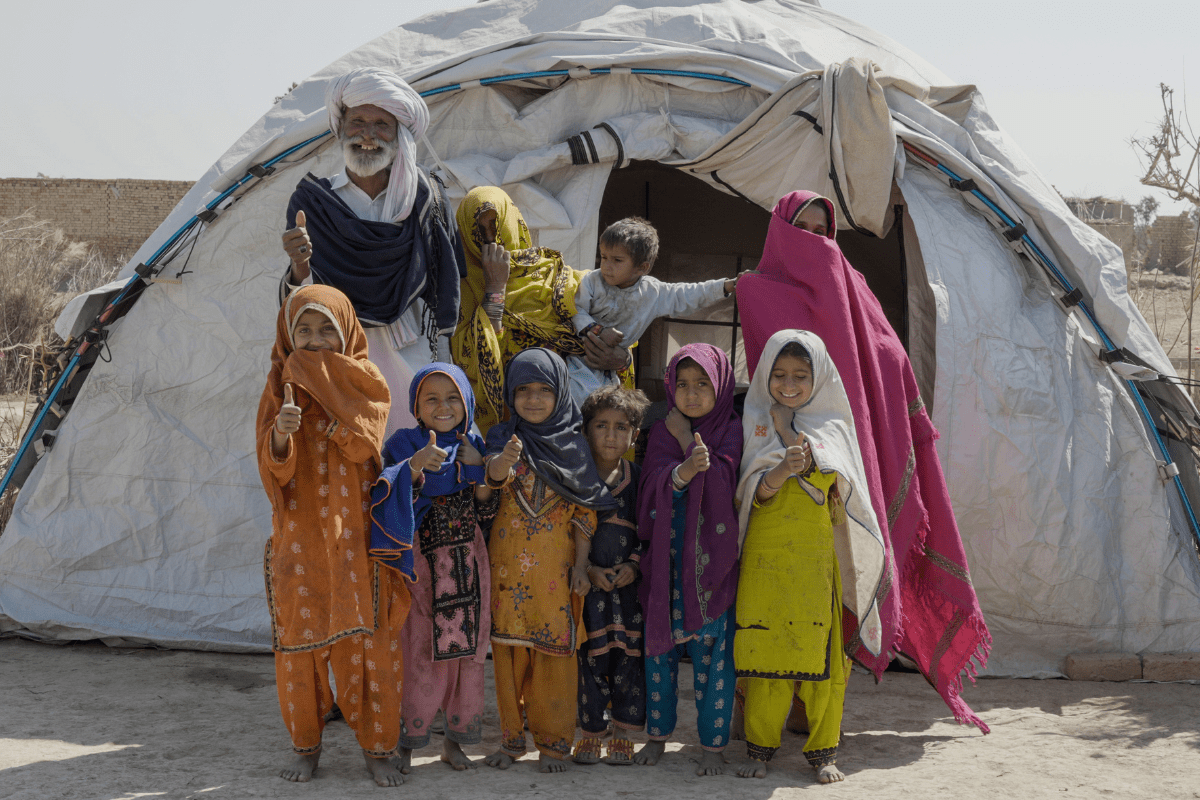
One of the most important things we have learned over the years is that sheltering is a process, not a product.
Recovery rarely follows a straight line. Some families may begin in emergency shelter before moving into a transitional shelter. Others may repair their homes and remain within their communities from the start. Every journey is different.
That is why ShelterBox continues to learn and adapt, working alongside local partners and communities to provide support that reflects people’s needs and individual circumstances.
Our priority is ensuring people have access to shelter that provides safety, dignity and choice, creating a foundation for recovery.
Because everyone deserves a place to call home after disaster.