Solar lights
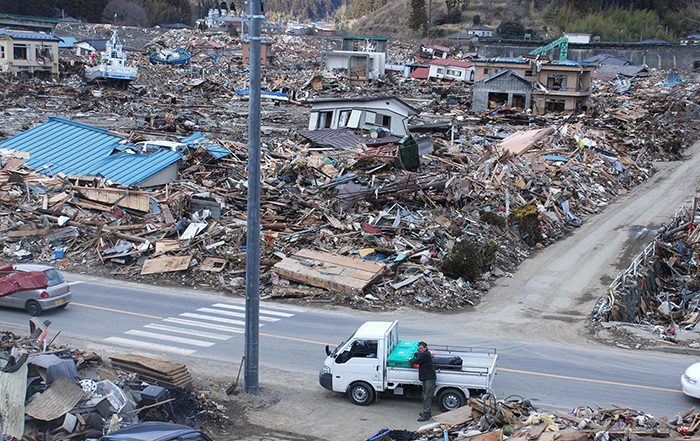
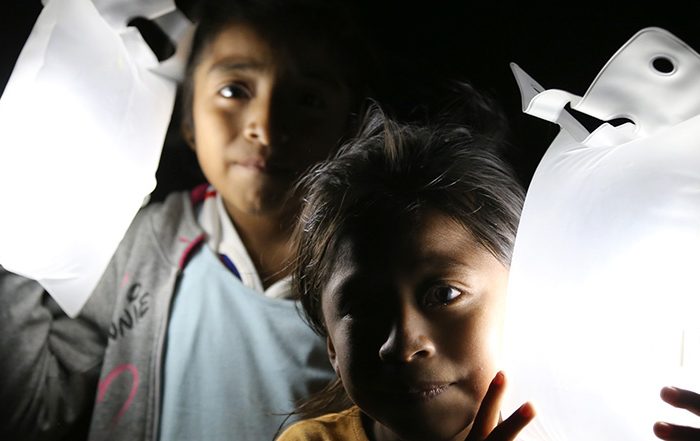
When disaster strikes, families often have no access to electricity. Solar lights can allow families to rebuild a sense of normality.

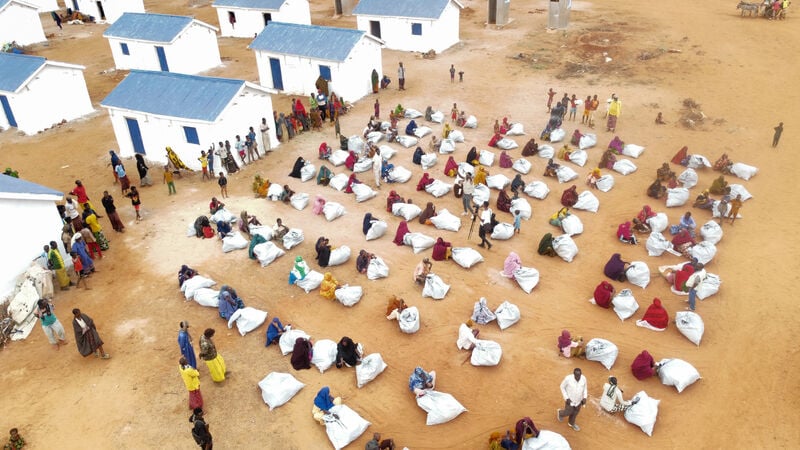
When families are forced to flee their homes due to conflict, disaster, or climate crisis, shelter becomes a foundation for recovery, safety, and dignity.
Learn about how we provide transitional and durable shelters, beyond emergency tents, for people displaced for long periods, sometimes years. These structures offer safety, dignity, and stability for longer-term living.
Transitional shelters are designed for extended use. They provide essential stability when families don’t know when, or if, they can return home. Often needed in camps or sites far from where people originally lived, these shelters have supported communities in places like Cameroon, Burkina Faso, and Sudan, where people have fled violence or disaster.
Materials used include timber, cement, sand, and corrugated iron. We also provide training to ensure shelters are built to last. We’ve provided transitional shelters in Yemen, Somalia, Chad, and Bangladesh, among others, each adapted to local needs and environments.
Shelter is part of a process. That means recognising the journey people take after disaster or displacement, and how shelter fits into their recovery. We focus on safety, dignity and choice, ensuring homes meet people’s practical and emotional needs.
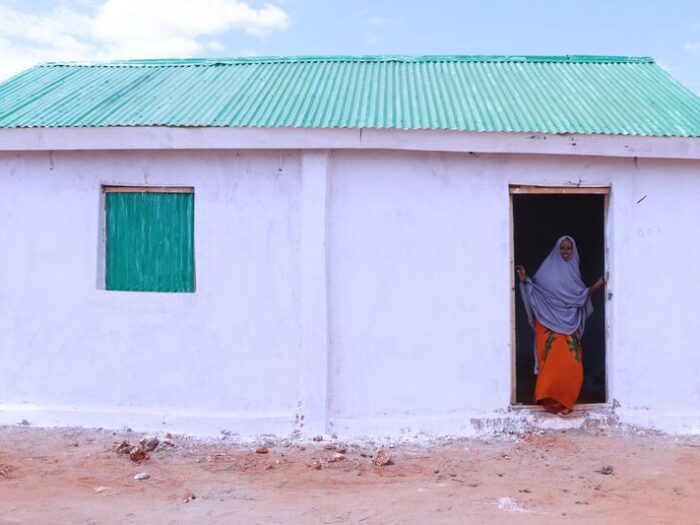

In Somalia, a multi-year project with our partner Juba Foundation, is supporting tens of thousands of displaced people with durable mudbrick homes. These shelters feature raised bases, cement-coated walls, and corrugated iron roofs. We also provide emergency shelter kits to families returning home, helping them make their homes watertight.
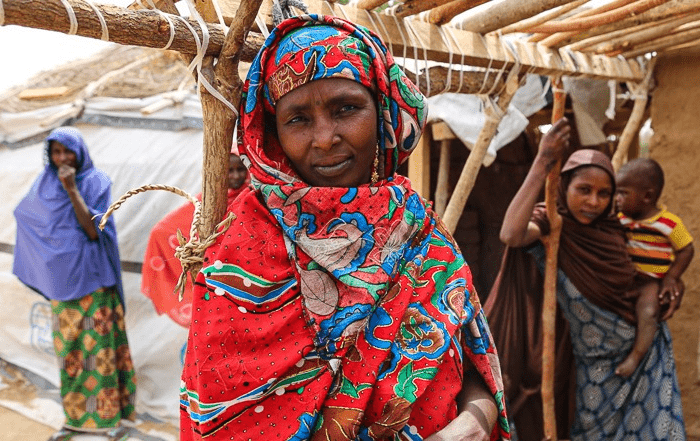
In Chad, hundreds of mudbrick shelters have been built in camps like Tongori and Farchana. These homes naturally stay cooler during the day and warmer at night. We use sun-dried clay bricks where possible, and fired bricks made with dead wood in areas without clay – reducing environmental harm while improving resilience to heavy rains.
Shelter upgrades include shaded outdoor areas built from reused tarpaulins, and the inclusion of foyer amélioré stoves that use less wood than traditional fires, helping families cook efficiently while protecting local forests.
Read stories from families we’ve supported in Somalia and Chad.
Our work in Somalia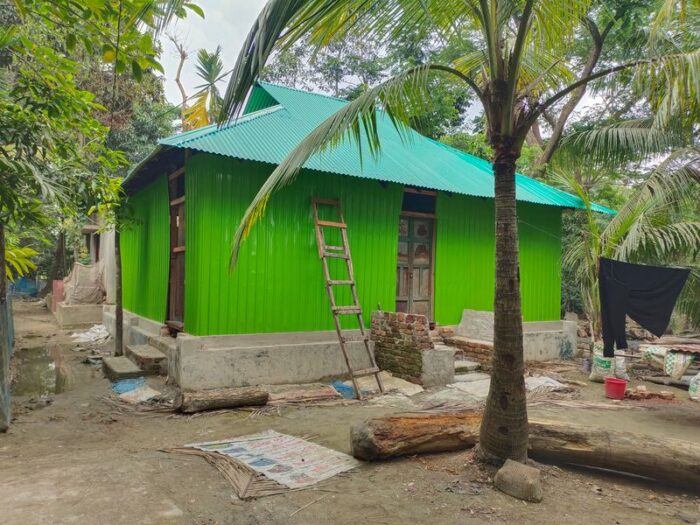
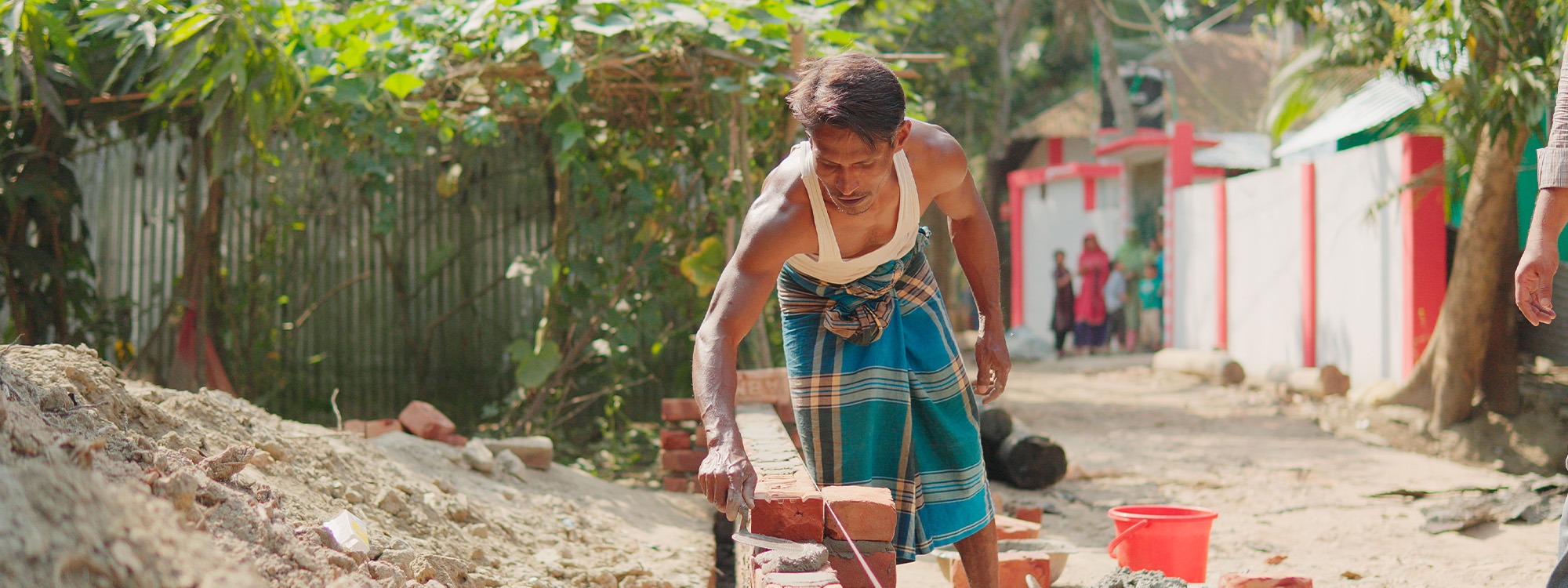
In flood-prone areas of Bangladesh, raised plinth shelters offer long-term protection. Built several feet above ground, these homes are designed to withstand seasonal flooding and high winds.
After the 2024 floods, we trained local masons and carpenters in flood-resistant construction. By keeping skills within the community, we help residents take control of their safety and build resilience for future storms.
See Anarc’s story from Bangladesh.
Learn more about raised plinth shelters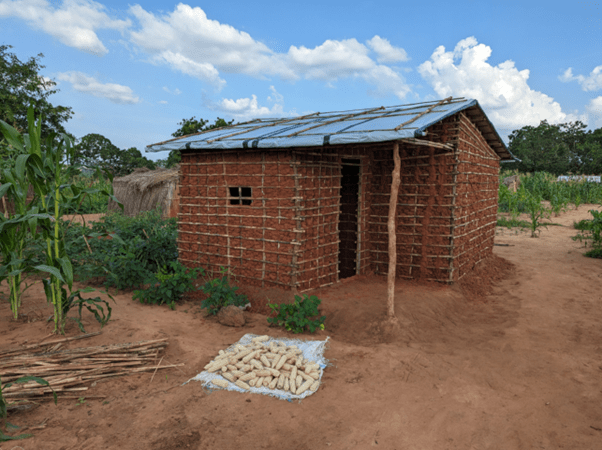
In Mozambique, we use traditional building techniques to reinforce shelters. Tarpaulins are strengthened with wooden strips to withstand wind, and walls are constructed using wattle and daub – mud and manure packed between bamboo or wooden frames.
These approaches reflect the principle that sheltering is holistic. Whether a structure is temporary or permanent, the core values remain the same: safety, dignity, and resilience.
What's happening in Mozambique?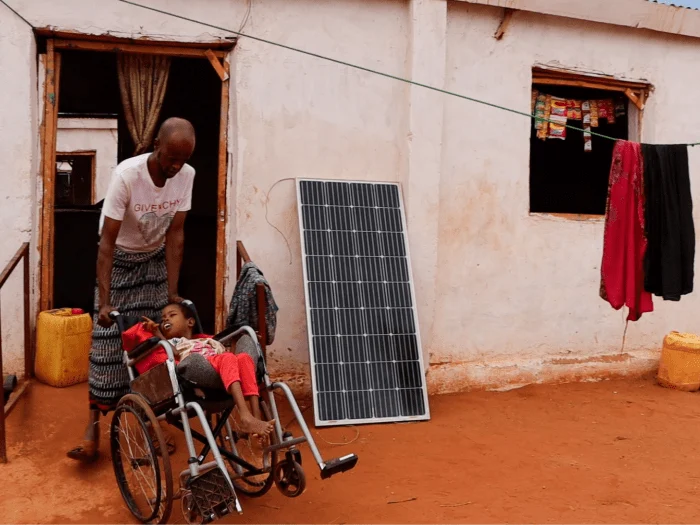
Before receiving support, Mohamed’s family lived in a fragile shelter made of sticks and plastic bags.
“It was like a bird’s nest,” he said.
Now, thanks to ShelterBox and Juba Foundation, they live in a sturdy, safe home.
“Life will never be the same… No one can reject this shelter; it’s a comfortable house and human-being shelter.”
Mohamed’s daughter, Ayan, lives with multiple disabilities. We adapted their shelter with a ramp, handrails, and wheelchair access, ensuring she can live safely and comfortably.
Read Mohamed's StoryAlongside durable shelters, we also provide emergency tents, shelter kits, and essential aid items like solar lights, cooking sets, and sleeping mats. These items support families in the early stages of displacement and help them begin the journey toward recovery.
The below images show more photos of various locally-adapted durable shelters, from Chad, Somalia, Bangladesh, and more.