
Forced to flee: the rising crisis of displacement
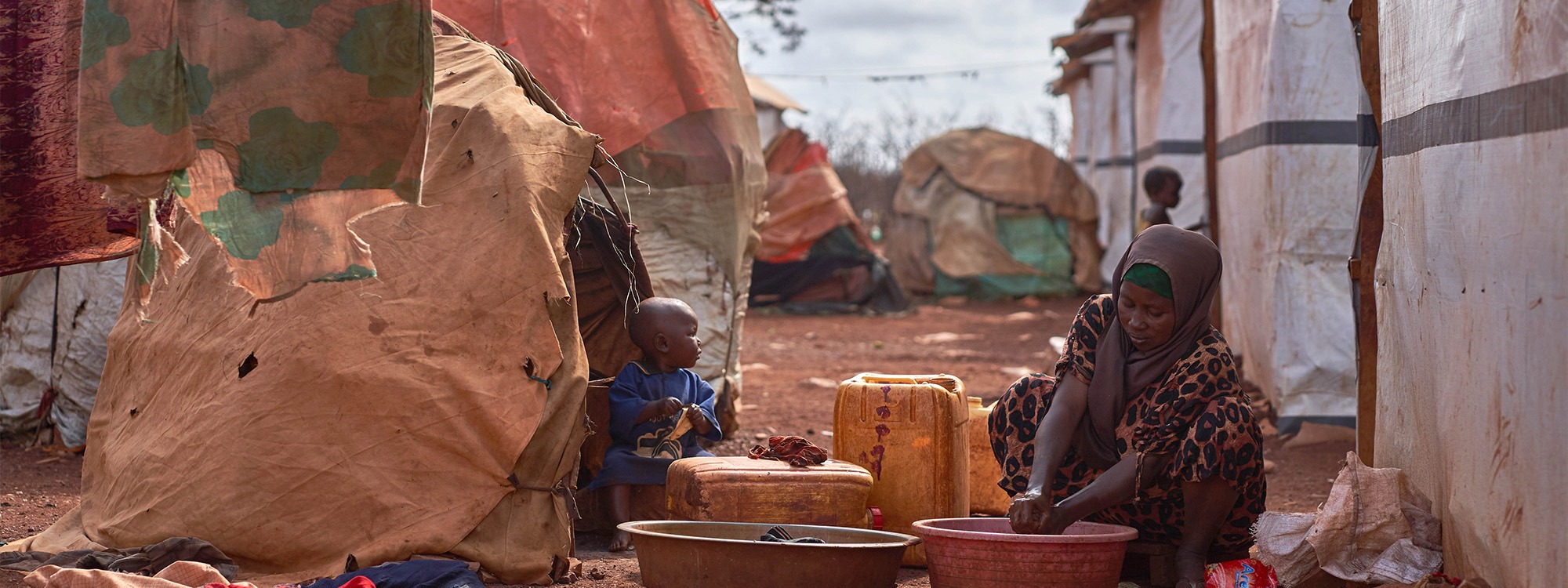
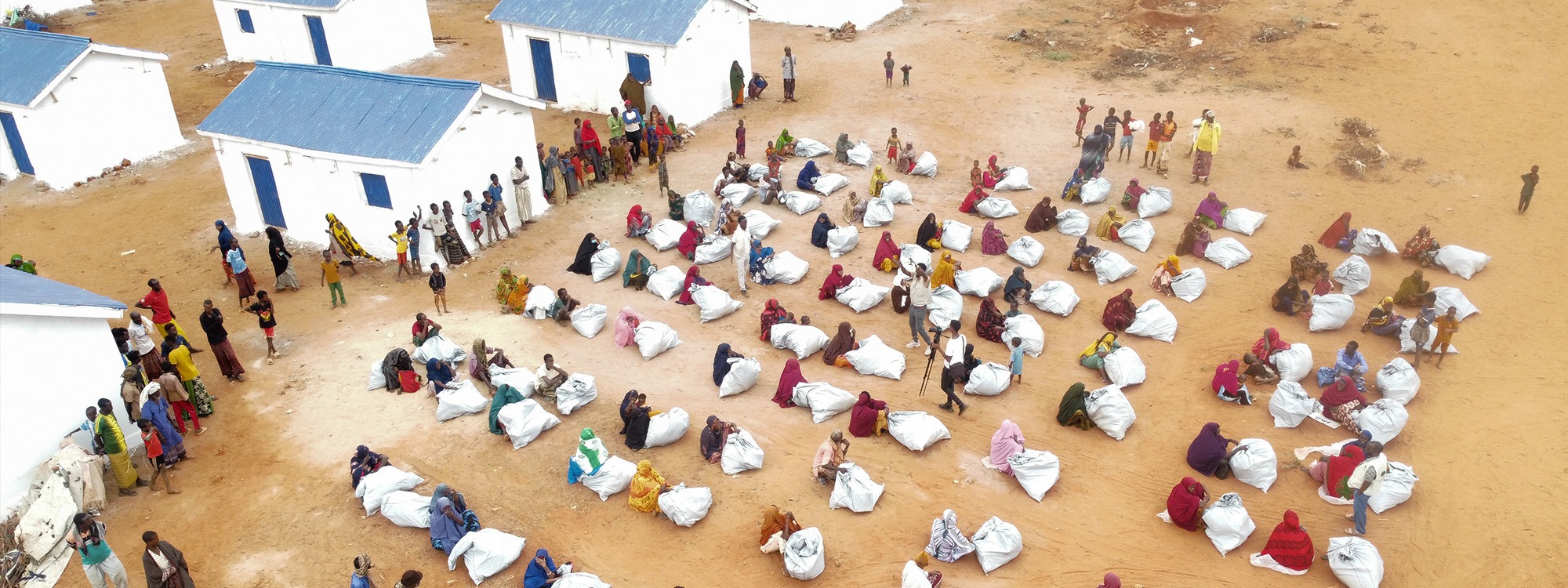
At the end of 2024, more than 123 million people worldwide were forcibly displaced by conflict, disasters, and climate crises. 83 million people are displaced within their own countries.
Displacement refers to the forced movement of people from their homes due to conflict, environmental disasters, or other crises.
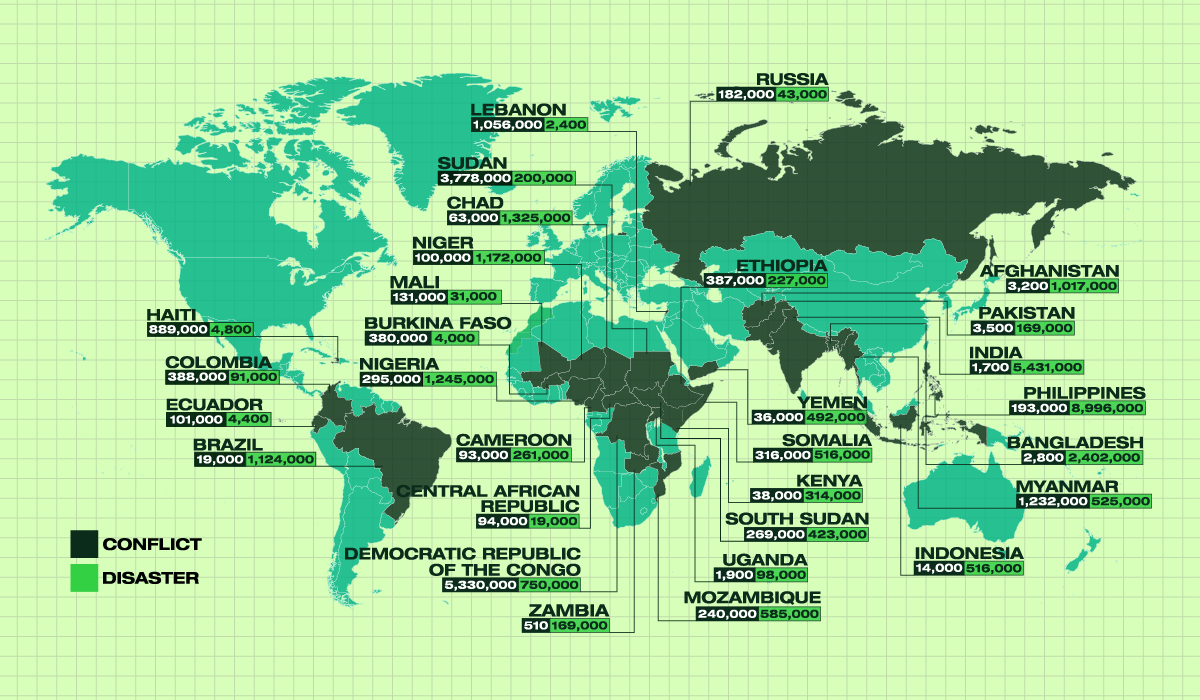
These are not just numbers – they represent families, communities, and entire lives uprooted by circumstances beyond their control. The below demonstrates the number of people globally displaced by climate and conflict.
The scale of the crisis
123.2 million people displaced globally
That’s 1 in every 67 people on Earth
Global displacement has nearly doubled in the past 10 years
The number of people displaced by conflict and disaster around the world
Why are people forced to flee?
People who are forced to leave their homes is driven by a complex web of causes:
- Armed conflict and persecution
- Environmental disasters and extreme weather
- Economic collapse and food insecurity
- Political instability
- Climate change
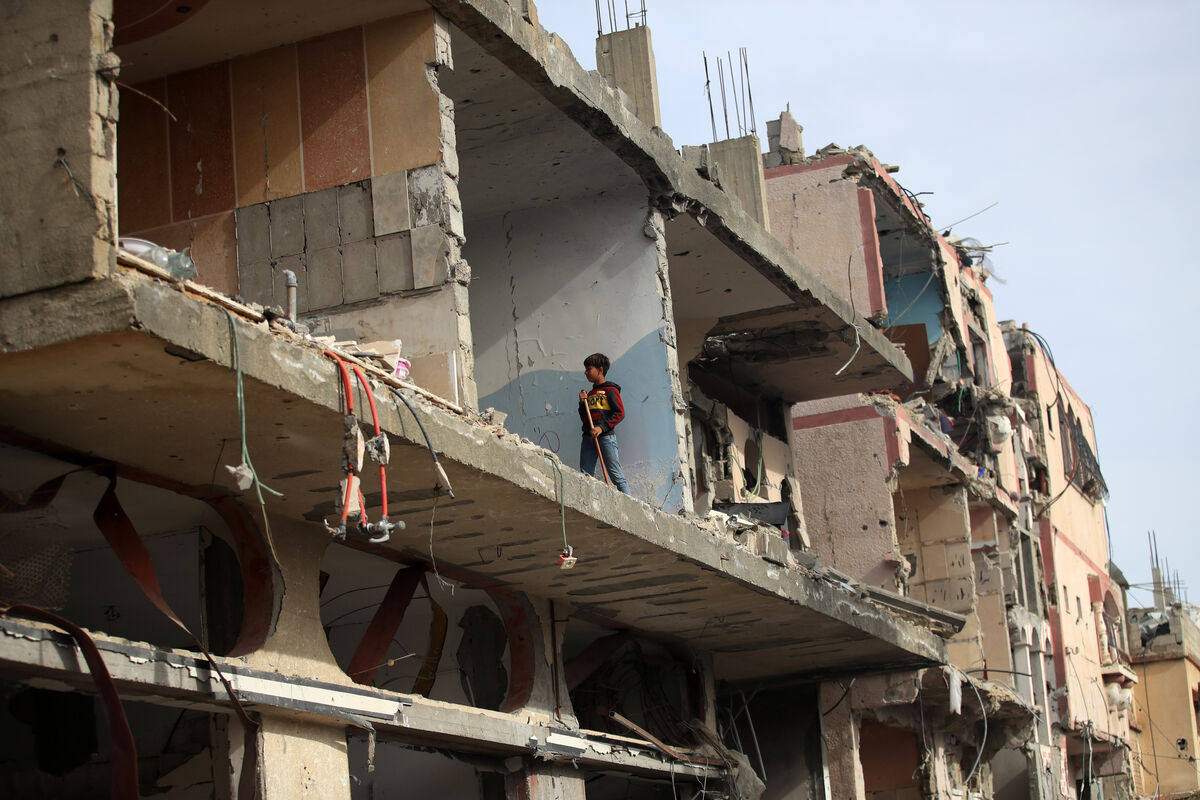
The number of people forced to flee their homes is accelerating, fuelled by overlapping and recurring crises. The world is witnessing more interconnected emergencies than ever before.
What is displacement?
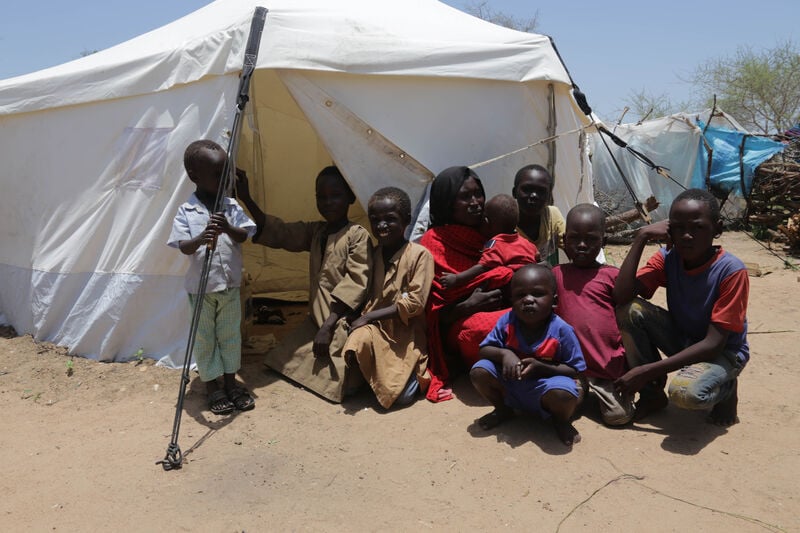
Displacement occurs when people are forced to leave their homes, often with little or no warning. It includes:
- Internally Displaced People (IDPs): An individual forced to leave their home due to conflict, disaster, or other crises, but who remains within their country’s borders.
- Refugees: A person who has fled their home country to escape persecution or severe human rights violations and has been granted protection in another nation under international law.
- Asylum seekers: People waiting for a legal decision after seeking refuge in another country.
- Stateless persons: Someone who is not legally recognised as a citizen of any country, meaning they have no official nationality.
- Migrants: While there is no universally agreed legal definition, a migrant is generally someone living outside their country of origin for various reasons, without necessarily seeking asylum or refugee status.
Why is this happening and growing?
Key takeaways:
- Conflict, climate shocks, and political and economic turmoil are causing more people to flee than ever before.
- Crises are interconnected. Instability in one country sparks displacement, hunger and insecurity in others.
- The countries sheltering most displaced people receive the least in return.
- Extreme weather events are destroying livelihoods and displacing millions.
- Funding shortfalls are becoming the norm.
- People are cut off from aid and essential services.
- Media silence in areas where the world’s attention is needed most.
What’s needed right now
The scale of global displacement demands urgent, coordinated action:
- Funding: Humanitarian aid is chronically underfunded.
- Peacebuilding: lasting solutions come through conflict resolution. Peace remains the only solution in areas of conflict and repeated displacement.
- Climate resilience: investment in disaster preparedness is essential
- Global leadership: political will is needed – nationally, regionally and internationally.
- Media coverage: silent emergencies must be brought to light.
Sudan
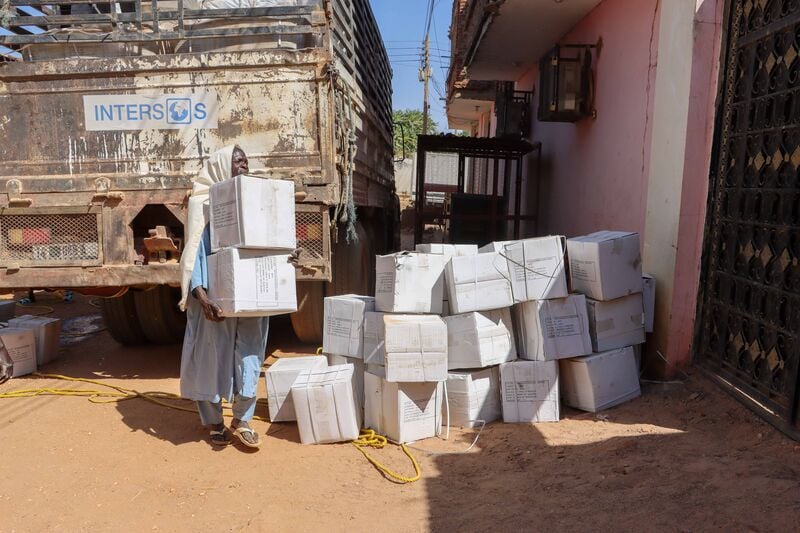
The conflict in Sudan has caused a humanitarian catastrophe, causing millions of people to leave their homes, and seek safety both in other areas of the country and outside it’s borders.
One in every five people in the country have been displaced because of the war and previous conflicts in parts of Sudan since 2003. This humanitarian crisis is extreme.
Find out what is happening in Sudan, who is affected and what you can do to help.
What is happening in Sudan?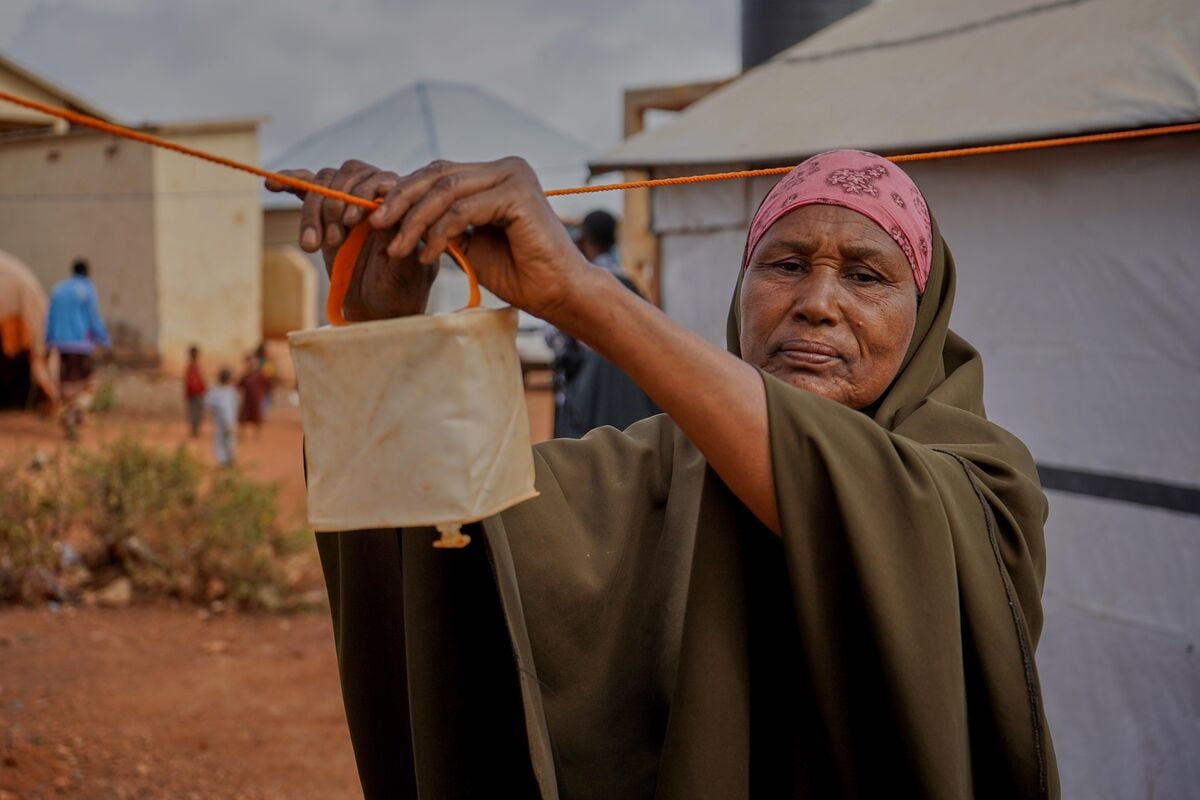
What can I do when the scale of the problem is so large?
Our vision is for a future where no one is without shelter after disaster or conflict.
Donate – Your contribution helps us deliver emergency shelter and essential supplies to people who have lost their homes.
Stay informed – Sign up to our Newsletters to receive updates on our work, the people we support and ways you can get involved.
Fundraise – Organise a fundraising event, take on a challenge or join a fundraiser, to help bring shelter to those in crisis.
Volunteer – Get involved by offering your time and skills to support our work and make a difference with us.
Donate TodayDisplacement and migration: frequently asked questions
This can result in seeking safety across national borders – as a refugee – or staying within one’s own country, becoming what’s known as an internally displaced person.
Climate change is a significant driver of human displacement. Its effects, like rising sea levels, intensified environmental disasters, and desertification, can make regions uninhabitable and destroy livelihoods.
As a result, communities are often forced to move, either within their own countries (internal displacement) or across borders (international displacement). Read about climate change and it’s connection to conflict affected areas.
A stateless person is an individual who is not considered a citizen by any country, according to its legal framework.
Without official nationality, they are often denied essential rights and protections – including access to education, employment, healthcare, and the ability to travel or participate fully in society.
Under the United Nations Refugee Convention, a refugee is someone who has fled their home country due to a well-founded fear of persecution and is unable or unwilling to return for protection.
To qualify as a refugee, individuals must demonstrate that their fear of persecution is based on specific factors such as race, religion, nationality, political opinion, or membership in a particular social group.
An asylum seeker is someone who has arrived in a country and formally requested asylum.
Until a decision is made on their refugee status, they remain an asylum seeker. In the UK, asylum seekers do not have the same rights as refugees or British citizens, meaning, for example, that they are not permitted to work.
Seeking asylum is a legal right available to everyone. It is not illegal to seek asylum, as it is a recognised legal process. Likewise, being refused asylum is not a criminal act – it simply means that the strict criteria required to qualify as a refugee have not been met.
The key distinction between refugees and internally displaced persons (IDPs) is whether they cross an international border in search of safety.
Refugees leave their home country to escape persecution, war, or violence, seeking refuge beyond national boundaries. In contrast, IDPs are forced to flee their homes due to similar threats but remain within their own country’s borders.
Refugees endure numerous hardships, from the trauma of displacement to difficulties accessing vital resources and adjusting to new communities.
These challenges span immediate concerns, such as securing shelter and food, to long-term struggles like language barriers, unemployment, and mental health issues. Additionally, many refugees face the emotional burden of leaving their homes, often due to war, crises, or environmental disasters.