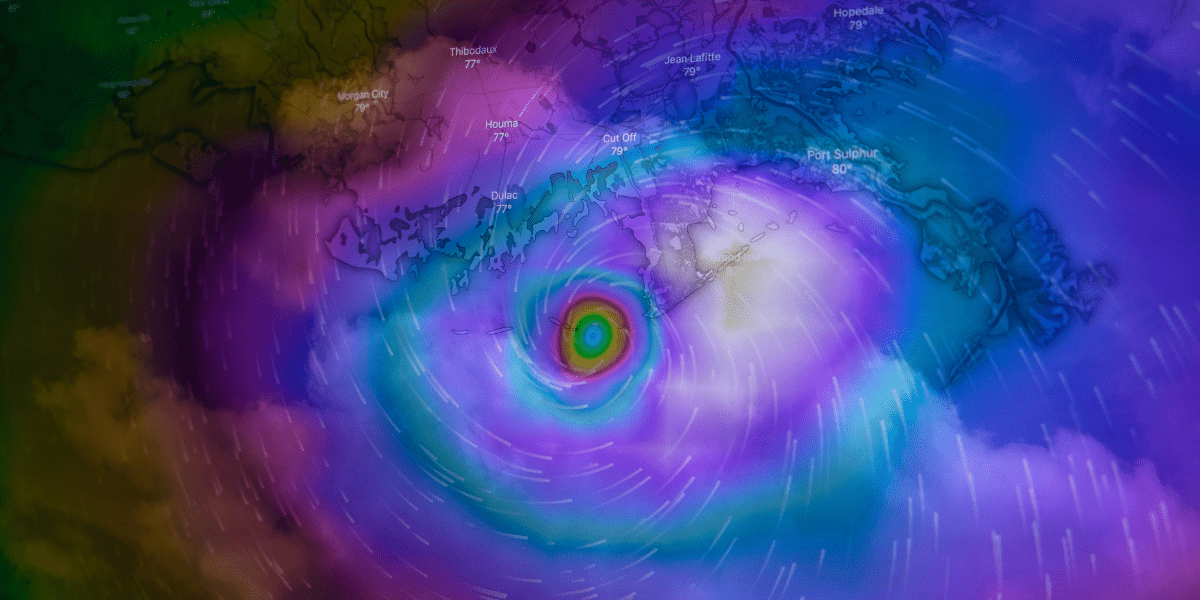
Forecasts suggest that the end of 2026 could bring a super El Niño event, increasing the risk of flooding, drought and extreme weather in some parts of the world.
The El-Nino-Southern Oscillation (ENSO) weather pattern is one of the factors that influences when and where extreme weather occurs. Forecasters expect it to contribute to unpredictable weather conditions across some of the world’s most vulnerable regions in 2026.
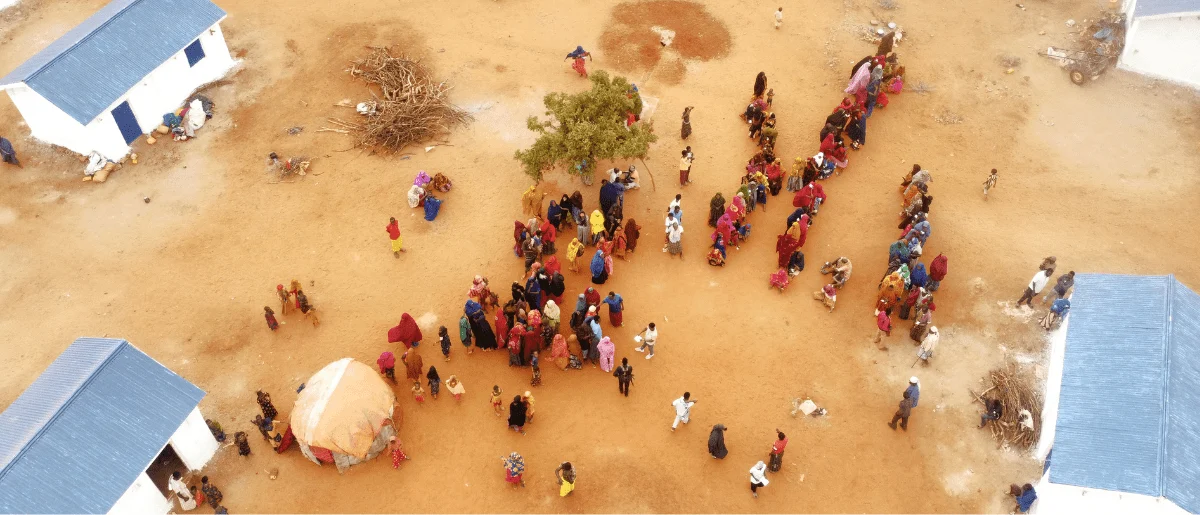
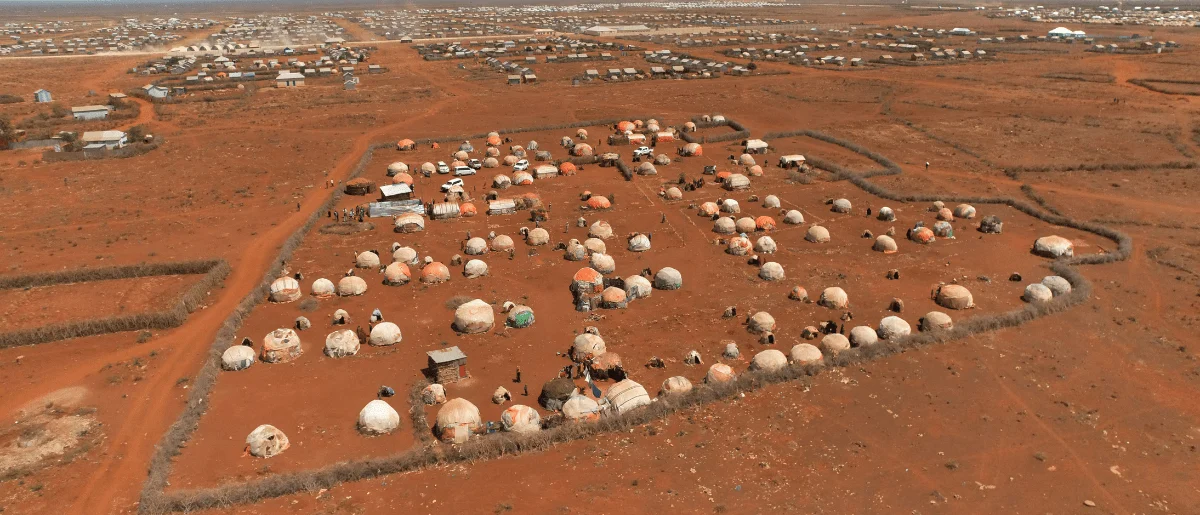
For communities already facing disaster, conflict and the climate crisis, these changing weather patterns could put homes, livelihoods and food security under greater pressure. For ShelterBox, they are also a reminder of how much preparedness matters.
As El Niño conditions strengthen in the tropical Pacific Ocean, forecasts provide a valuable opportunity to act before impacts unfold. Rather than being a reason to panic, they give governments, communities and humanitarian organisations time to prepare.
As the UN Meteorological Organization (WMO) Secretary-General Celeste Saulo said: “The decisions we make today will shape the impacts we experience tomorrow.”
Why are this year’s El Niño forecasts so concerning?
El Niño is a naturally occurring climate pattern that has shaped weather around the world for thousands of years. So why are scientists paying such close attention to this year’s forecasts?
Climate change and rising temperatures
La Niña and El Niño are the cool and warm phases of a natural climate pattern driven by interactions between the atmosphere and the ocean.
What makes El Niño particularly challenging is how unpredictable its impacts can be. Some regions experience heavier rainfall and flooding, while others face drought, heatwaves and water shortages.
Current projections suggest this year’s El Niño could potentially be one of the strongest events in recent decades. Although the term is not officially recognised by organisations such as the WMO, some scientists have raised the possibility of a super El Niño, where sea temperatures could warm by up to 2°C above average.
The main concern is that this year’s event could have even wider consequences as it unfolds against a backdrop of long-term human-driven climate change.
As UN Secretary-General António Guterres recently warned: “El Niño is strengthening, adding fuel to a planet already on fire with scorching heat domes, apocalyptic wildfires and record hot seas.”
The impact on livelihoods and food security
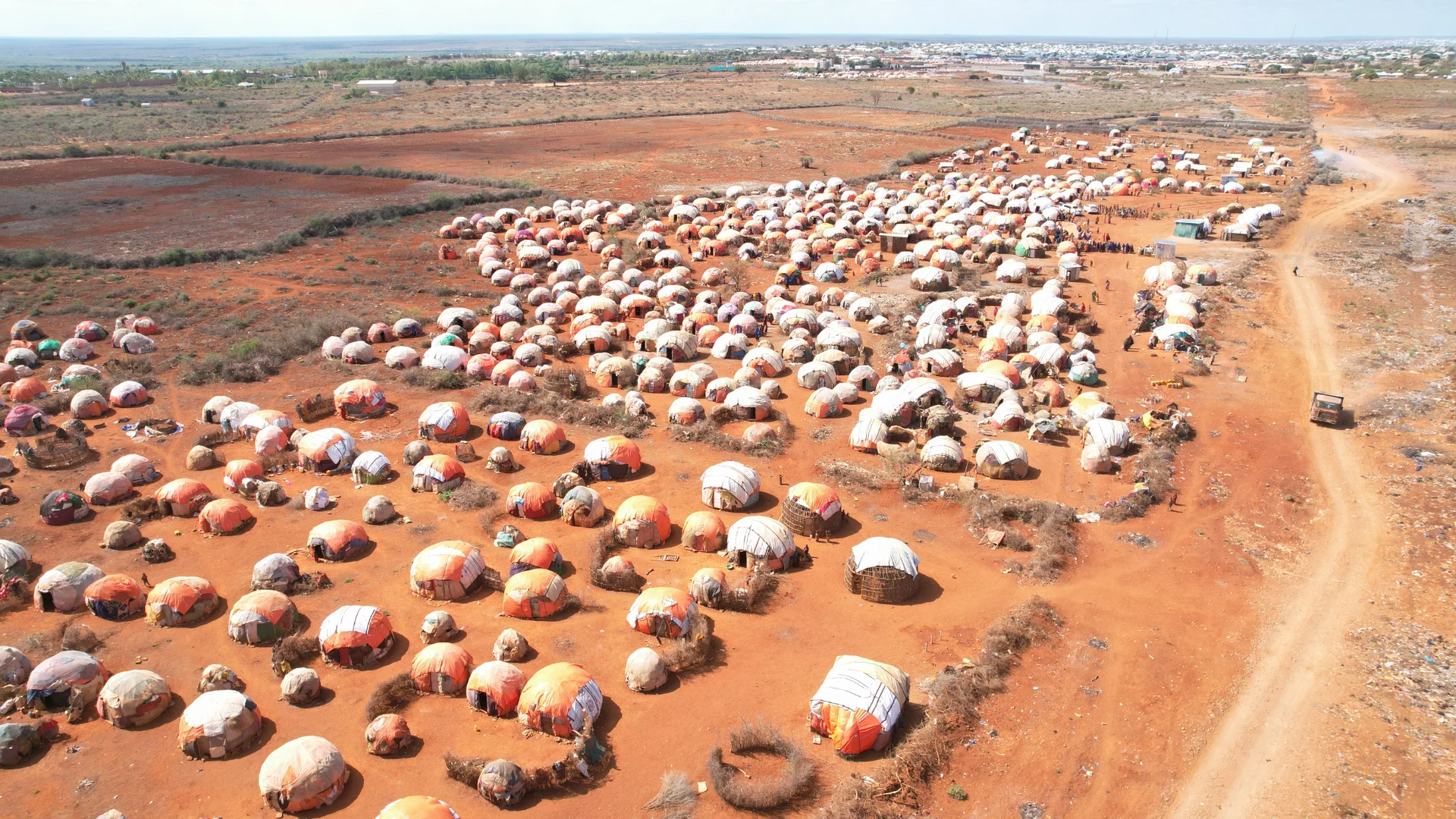
Extreme weather does not just force people from their homes. It can also affect livelihoods, incomes and communities’ ability to recover from disaster.
Floods, drought and wildfires can leave people returning not only to damaged homes but also to destroyed farms, businesses and sources of income. Without a way to earn a living, rebuilding becomes even more difficult.
Communities may also face worsening food insecurity. According to the UN World Food Programme (WFP), 225 million people in 45 countries are already experiencing acute food insecurity due to a combination of drought, conflict, supply chain disruption and rising food prices.
If extreme weather occurs alongside reduced crop yields, fertiliser shortages and ongoing pressures on food systems, the consequences could be severe for many of the countries where ShelterBox works.
WFP believes that, if forecasts prove accurate, around 50 million people could face acute hunger as a result of El Niño-driven weather extremes before the end of next year.
When crises overlap
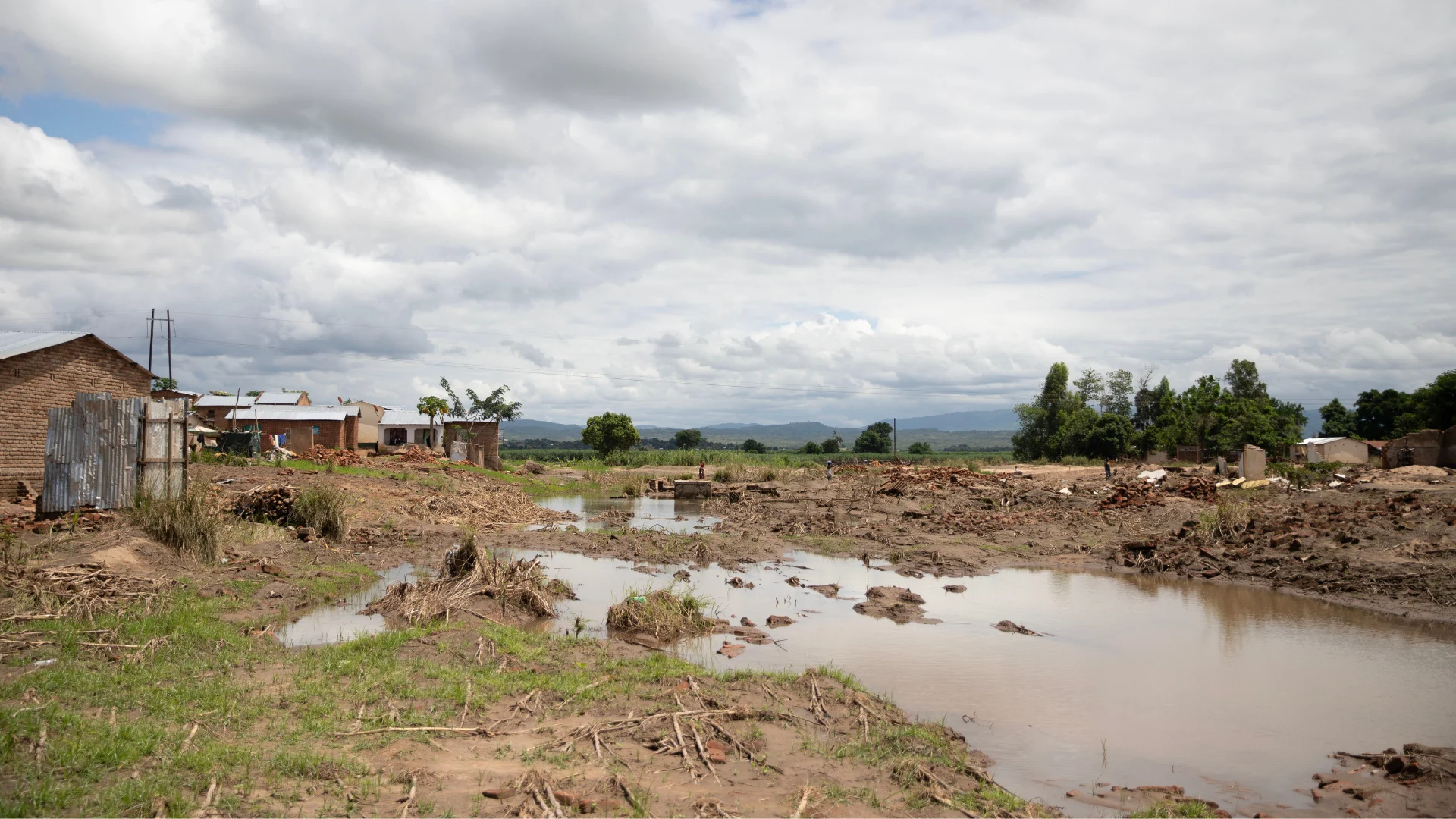
Communities rarely face one challenge at a time. Drought, flooding, conflict and food insecurity can overlap, making it harder for people to recover before the next crisis arrives.
El Niño can add further pressure to countries already dealing with existing humanitarian needs. While one region may experience flooding, another may face drought, crop losses or rising food prices.
For humanitarian organisations, this creates a complex and unpredictable environment. Needs can increase across multiple countries at the same time, stretching resources and placing additional pressure on response systems.
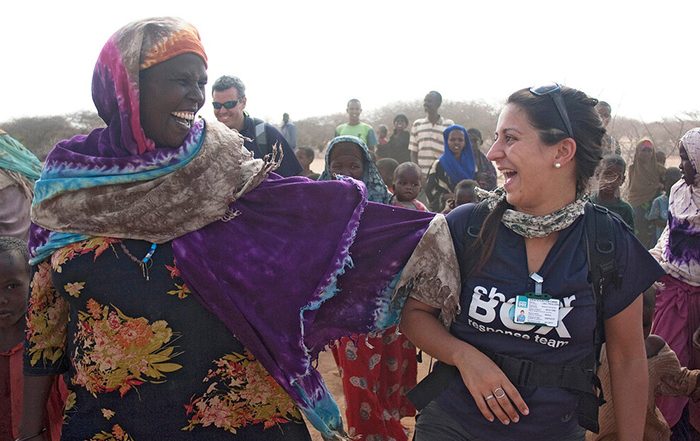
In these situations, local organizations often play a vital role. Their knowledge, relationships and presence within communities help ensure support reaches people quickly when new challenges emerge.
How ShelterBox prepares for El Niño
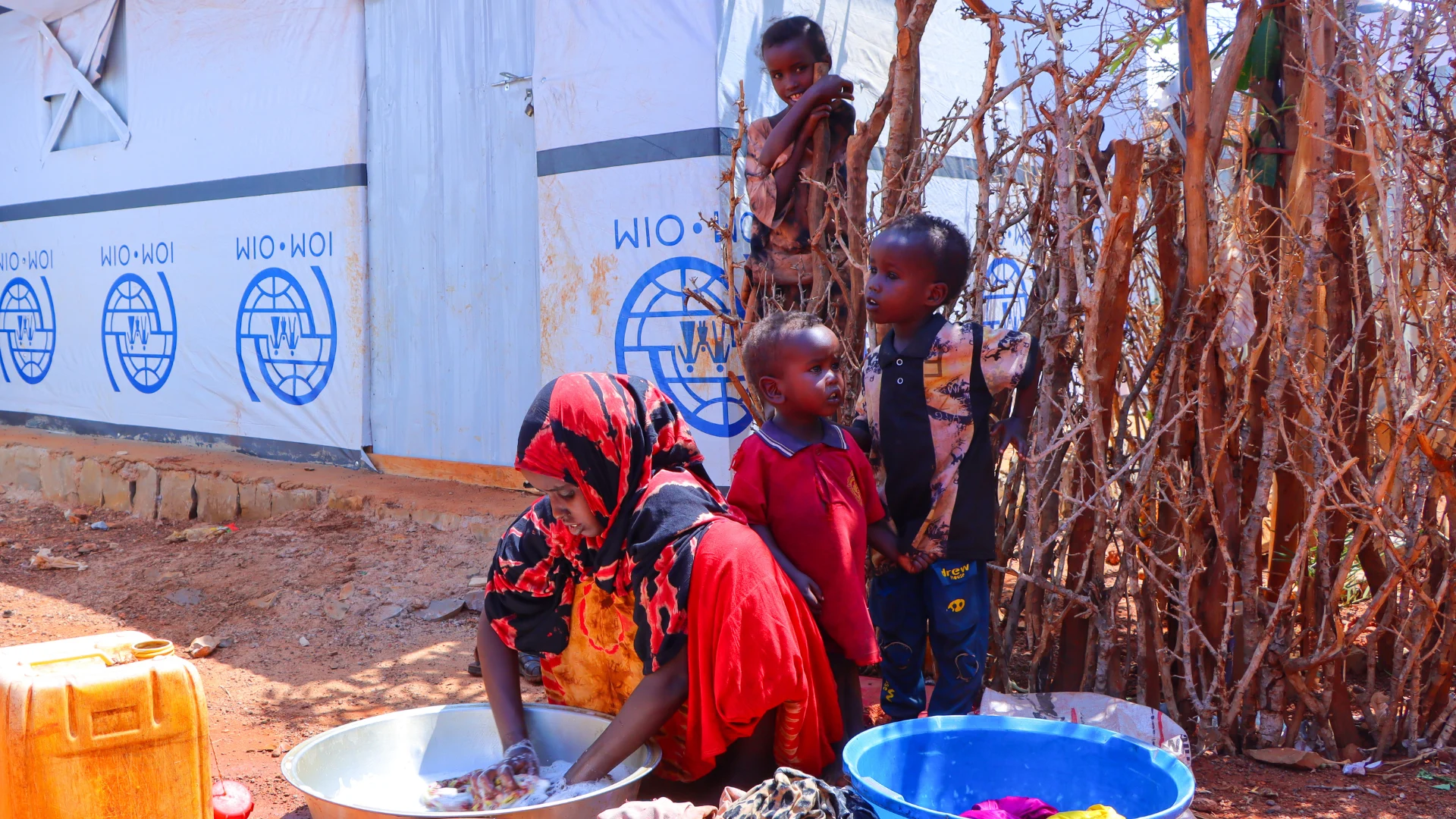
Preparing for El Niño begins long before a disaster happens. ShelterBox combines forecasting, planning, local partnerships, pre-positioned aid and shelter innovation to help communities prepare for a range of possible scenarios.
Learning from previous events
The effects of each El Niño vary depending on its intensity, duration, timing and interaction with other climate systems. But while every El Niño is different, previous events can help forecasters understand how the weather pattern develops.
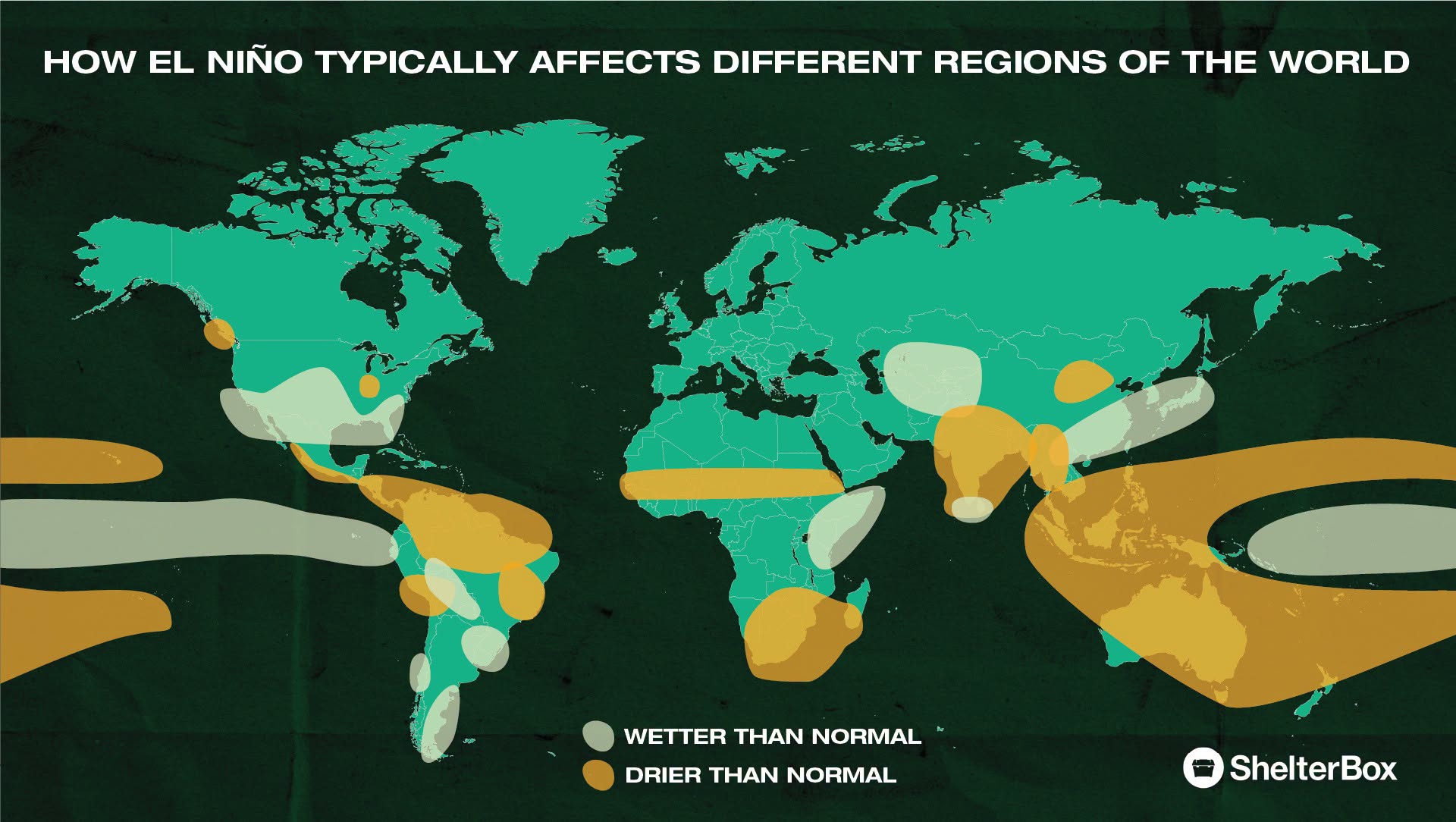
For example, areas close to the Pacific, such as parts of South America, often experience much wetter conditions. Regions including eastern Australia, Indonesia and parts of South-East Asia frequently become drier and warmer than average, increasing the risk of drought and wildfires.
Previous El Niño events have also contributed to humanitarian crises across Asia and the Pacific, with drought, forest fires and agricultural losses affecting countries including Indonesia, Malaysia and the Philippines.
Understanding these patterns, combined with current forecasts and local knowledge, helps humanitarian organisations like ShelterBox prepare for a range of possible scenarios and respond more effectively when disasters strike.
Read more about how El Niño affects communities around the world.
Pre-positioning aid
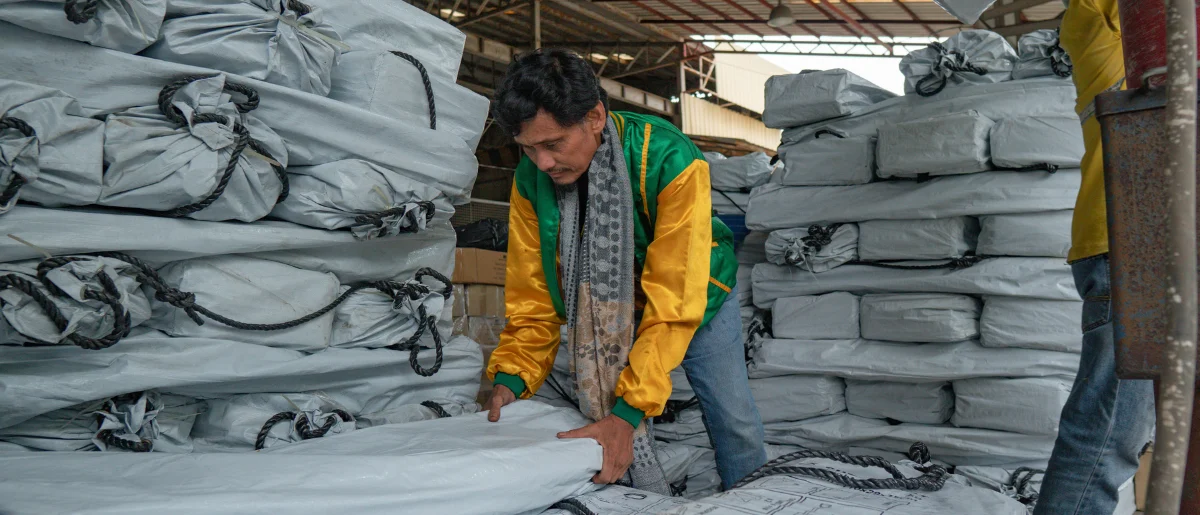
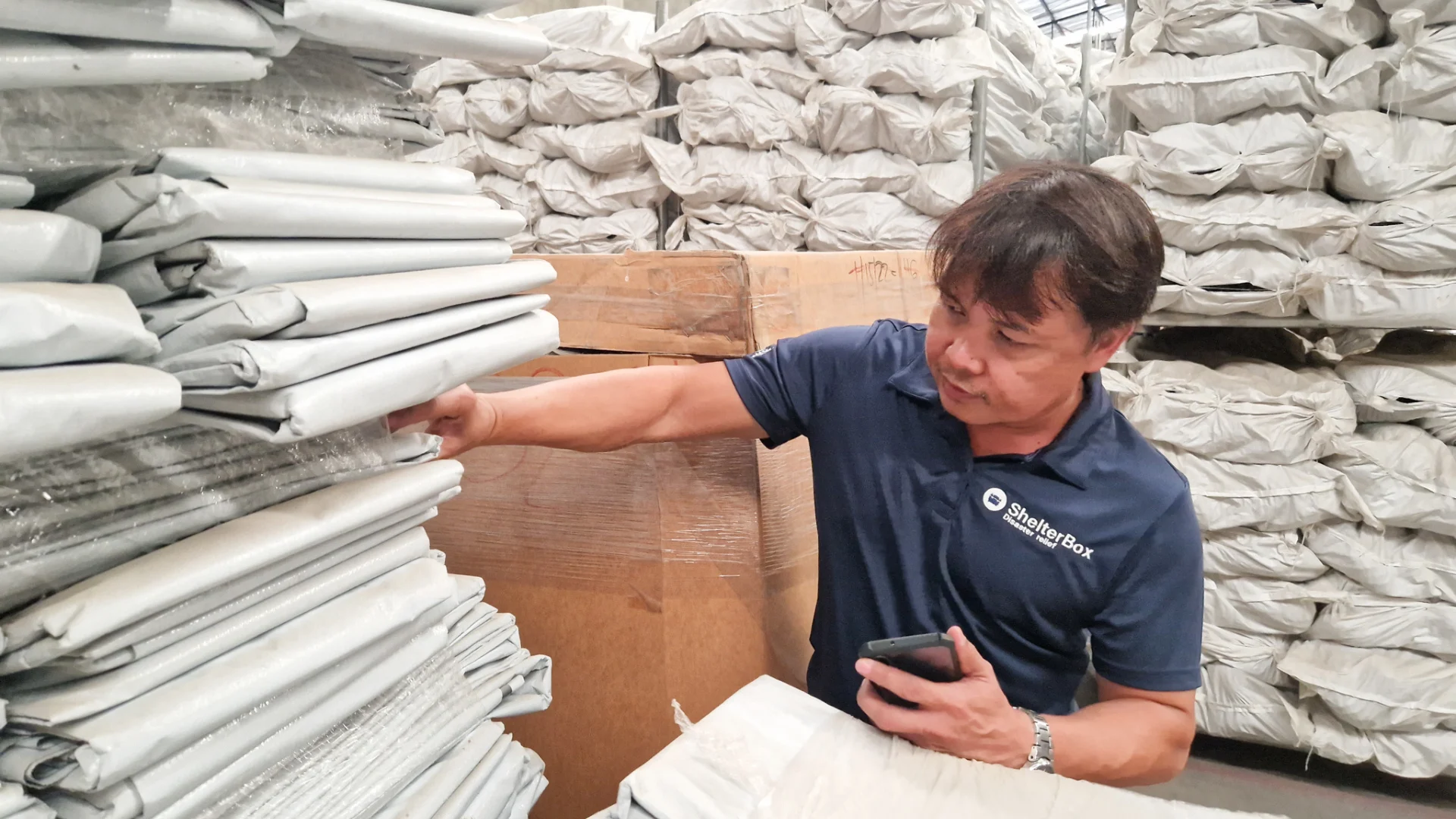
Before a disaster happens, we work to ensure aid is ready to reach communities as quickly as possible. One way we do this is by pre-positioning aid in strategic locations around the world.
Pre-positioning aid helps make supply chains more efficient, reducing the time and cost involved in getting essential items to people after a disaster.
We store aid where we know it can be moved quickly to places we are most likely to respond. In the Philippines, for example, ShelterBox Operations Philippines (SBOP) manages a warehouse stocked with aid that can be distributed rapidly when disasters strike. Alongside internationally imported items, we also source aid locally, helping us deliver support that is appropriate to the local context.
We also reserve stock with trusted suppliers, giving us access to additional aid items without needing to store everything ourselves. This increases flexibility and ensures essential support can be mobilized quickly when needed.
Preparedness is an ongoing process. We regularly review warehouse locations, strengthen our supplier network and look for ways to streamline logistics. The more we can do before a disaster happens, the faster we can respond when people lose their homes.
Working with local partners
As national aid systems become increasingly stretched and international aid budgets are reduced, ShelterBox’s partner-led work with local organizations is becoming more important than ever.
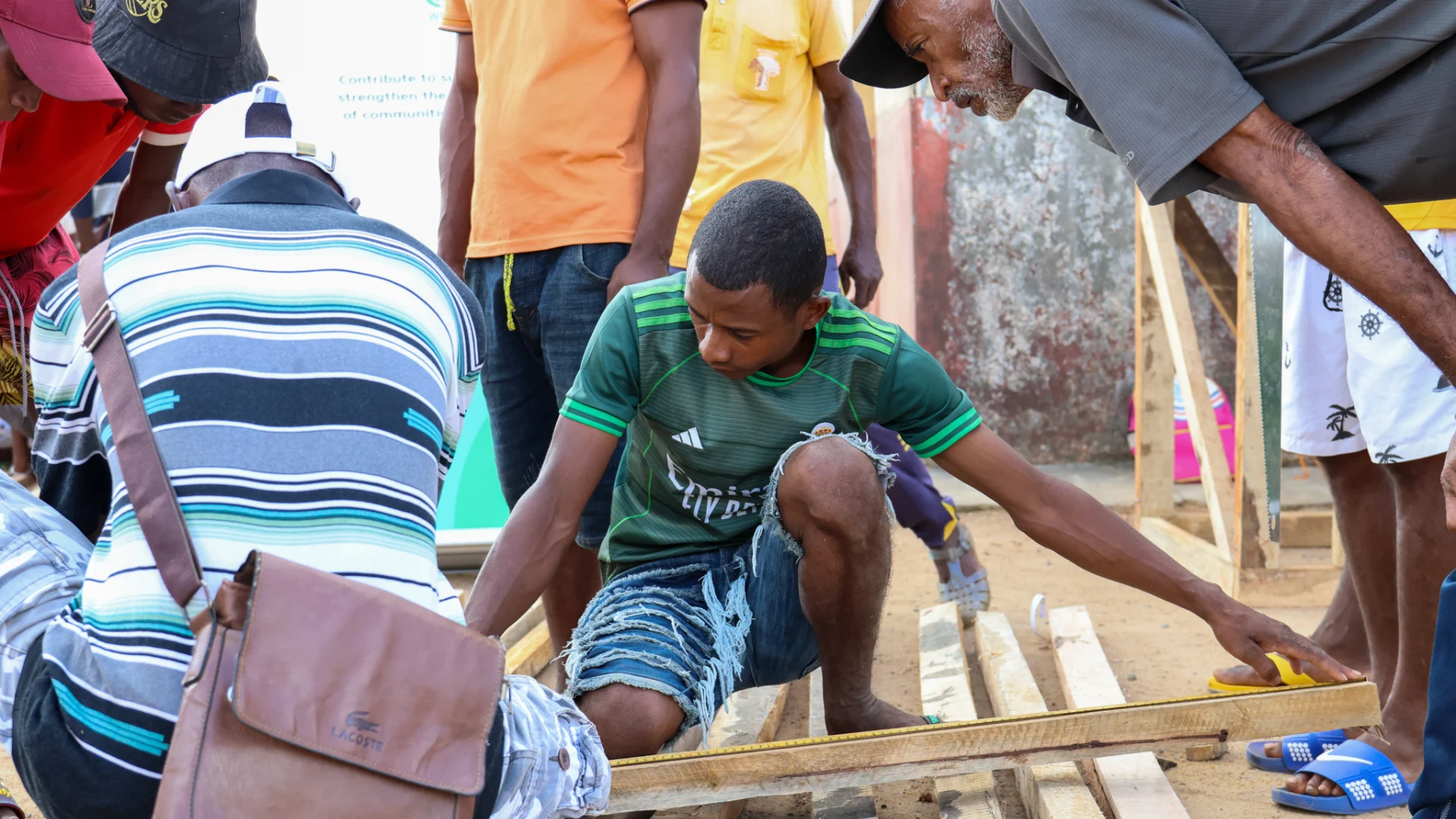
Across the world, we partner with organizations that know their communities, understand local contexts and recognize the challenges people face every day.
Together, we design and deliver projects using local supply chains and shared knowledge. This helps us identify needs accurately, reach hard-to-access areas, deliver aid safely, and support long term recovery.
We are growing our network of potential partners to ensure we have eyes and ears in the places we most often work. This is all part of our commitment to shifting decision-making closer to the communities most affected by disasters because they know their context best.
When local actors lead, responses happen faster, projects are shaped by the affected community and solutions are more sustainable.
Adapting shelter for changing conditions
We are constantly adapting and developing our shelters to better fits needs of the communities that we support.
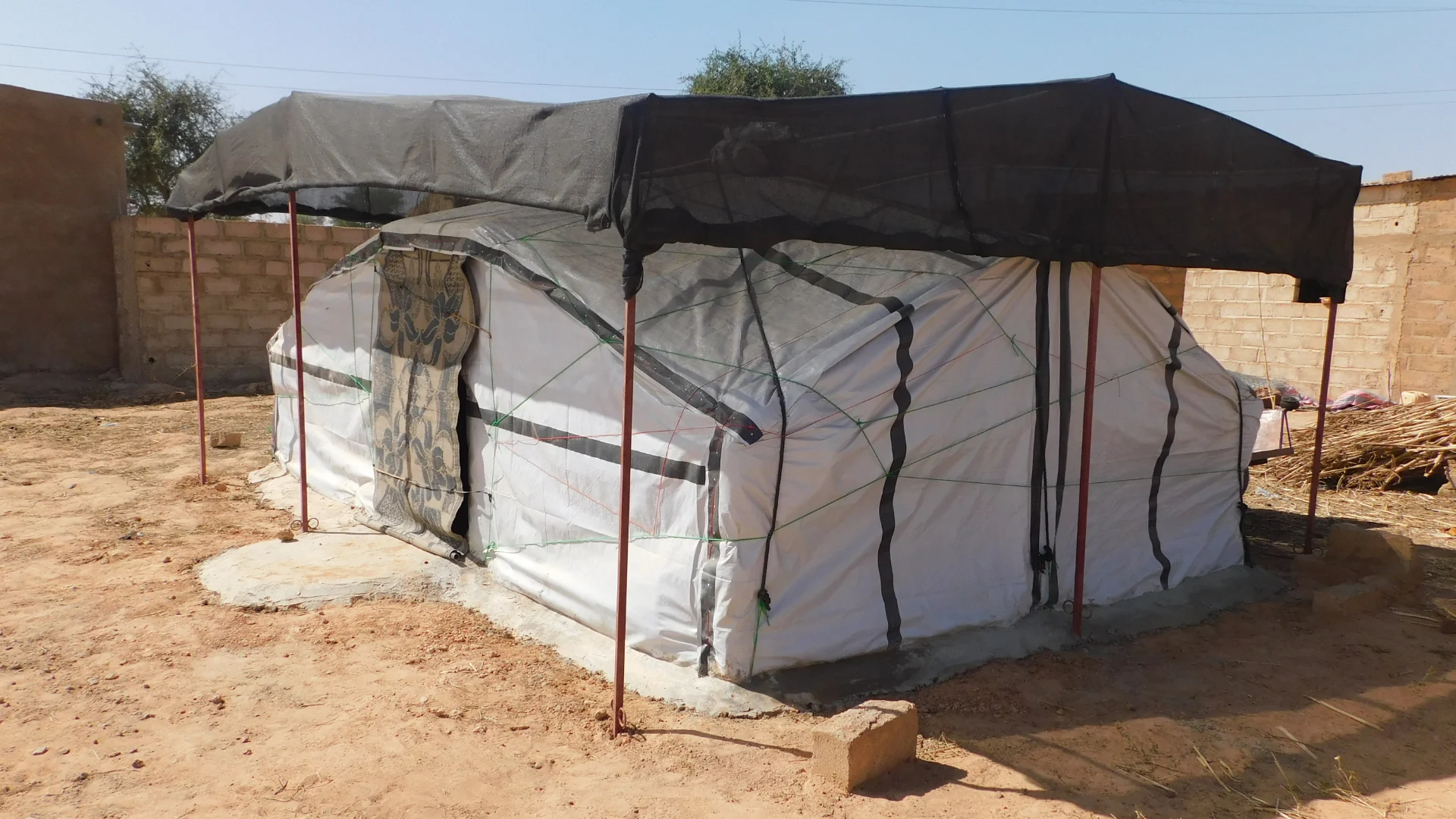
In many countries, extreme heat is just one of the factors we need to consider when designing and distributing shelter solutions. With El Niño likely to influence global temperatures, the lessons we have learned about managing extreme heat will become even more important.
Shelter adaptations might include installing minimal insulation or using construction techniques that incorporate ventilation. To combat extreme heat in Burkina Faso, for example, we successfully piloted UV-filtering shade netting to keep tents cooler by up to 6.6°C while extending their lifespan.
We’re also exploring projects that measure shelter temperatures to better understand how different shelter designs perform, helping us improve future solutions.
Acting today to prepare for tomorrow
For ShelterBox, preparedness is not about predicting the future. It is about ensuring communities are better supported to survive and recover when disasters strike.
While extreme weather may be inevitable, disasters do not have to be.
Monitoring forecasts, pre-positioning aid, strengthening local partnerships and planning for different scenarios all help us reach people who have lost their homes more quickly.
As WMO Secretary-General Celeste Saulo states: “El Niño is one of the most closely monitored climate phenomena in the world, but forecasts in themselves do not prevent hazards, people do.”
The better prepared communities are before disaster strikes, the faster recovery can begin afterwards. That’s why ShelterBox continues to invest in preparedness, local partnerships and practical shelter solutions long before an emergency happens.
Help us prepare now to support families at risk of losing their homes to extreme weather.
Ways to take action
- Donate to support families after disaster.
- Fundraise to help communities rebuild.
- Volunteer with ShelterBox Canada.
- Subscribe to our newsletter for updates and stories.
- Follow and share our work on social media.