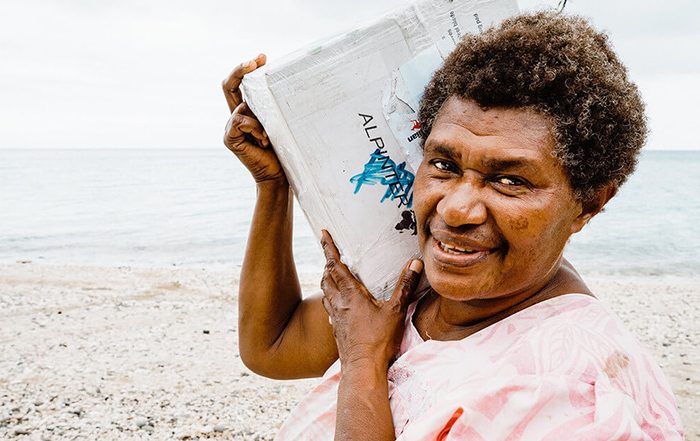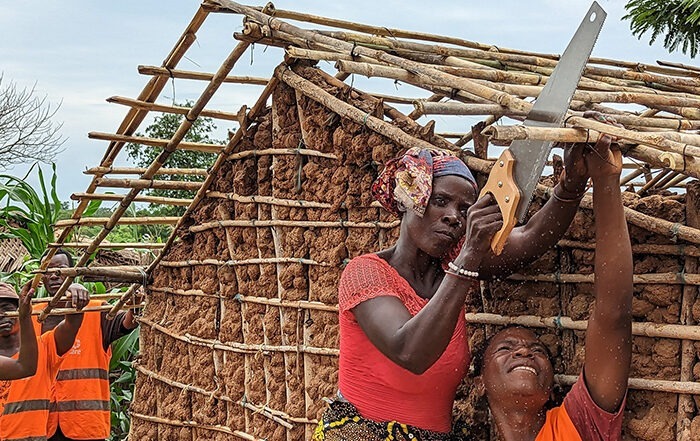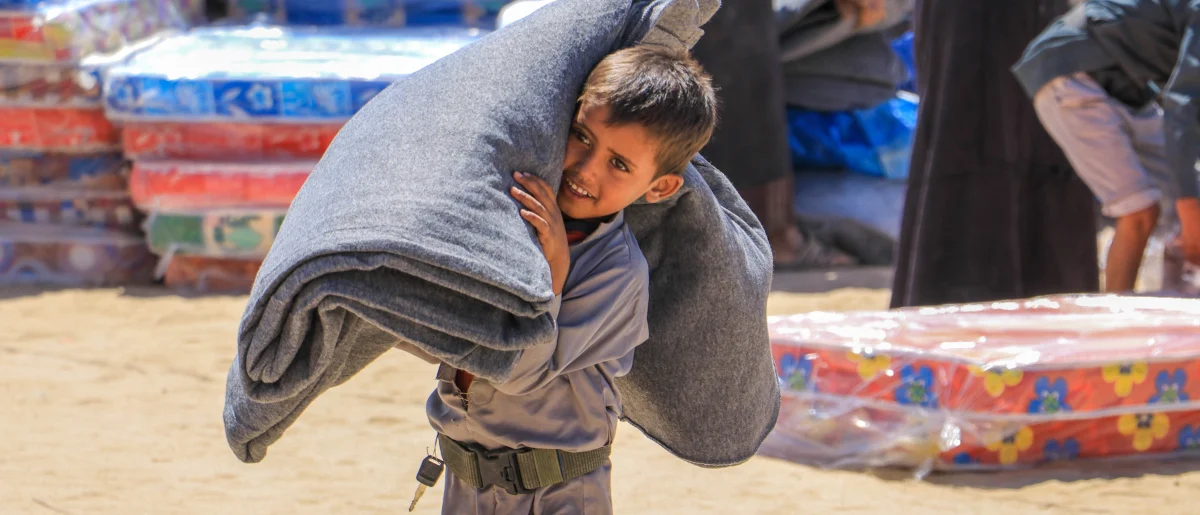
When disaster strikes, families can lose everything in a matter of moments.
A flood can sweep away a lifetime of belongings. An earthquake can destroy homes that have sheltered generations. Conflict can force people to leave behind the places they know and love.
But losing a home is about far more than losing a building. It’s losing the place where children sleep safely at night. The kitchen where meals are shared. The belongings that make everyday life possible. The sense of security, comfort and routine that helps families feel at home. That’s why emergency shelter after disaster is only part of the solution.
At ShelterBox, we provide shelter alongside the aid items and practical essentials people need to recover, rebuild and move forward. Depending on the situation, this might include family-sized tents, shelter kits containing tools and tarpaulins to repair damaged homes, or durable shelters designed for longer-term displacement.
But shelter alone cannot restore daily life. A home needs more than four walls and a roof.
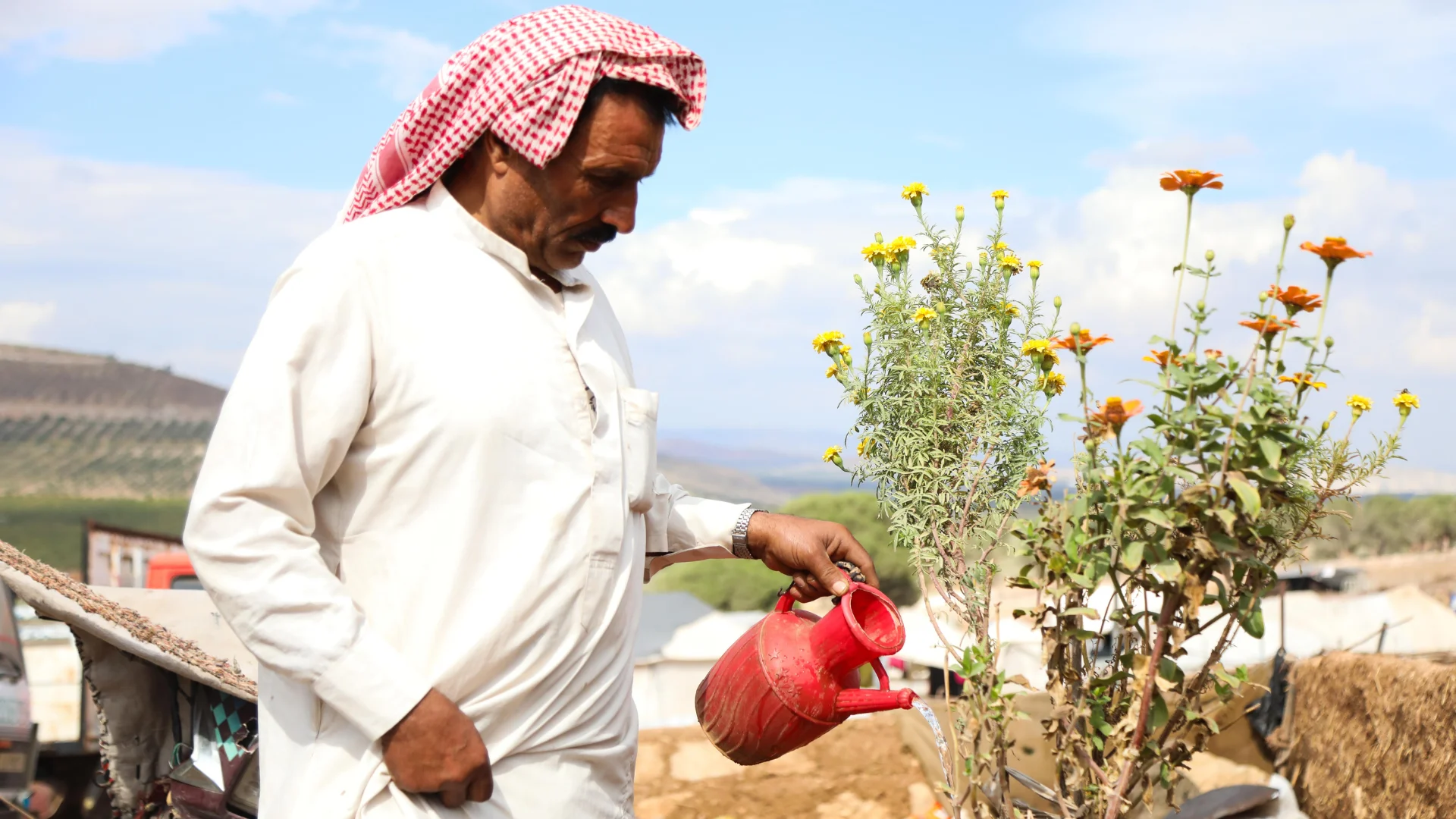
1. Household items that bring comfort and stability
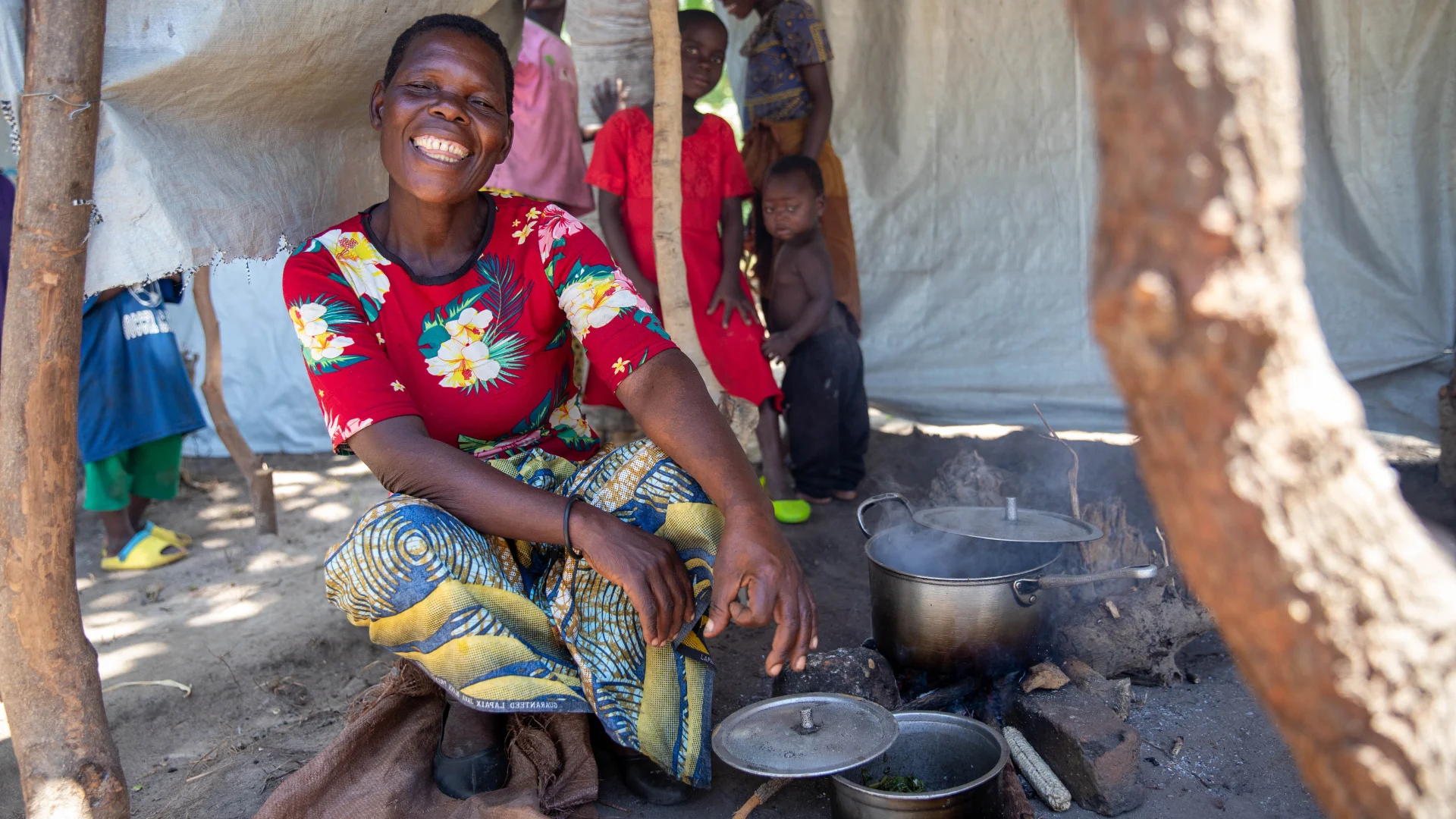
After a disaster, many families are left with very few possessions. The simple things that shape everyday life can suddenly be gone: blankets, mattresses, cooking pots, cutlery, lights, bedding and other household essentials.
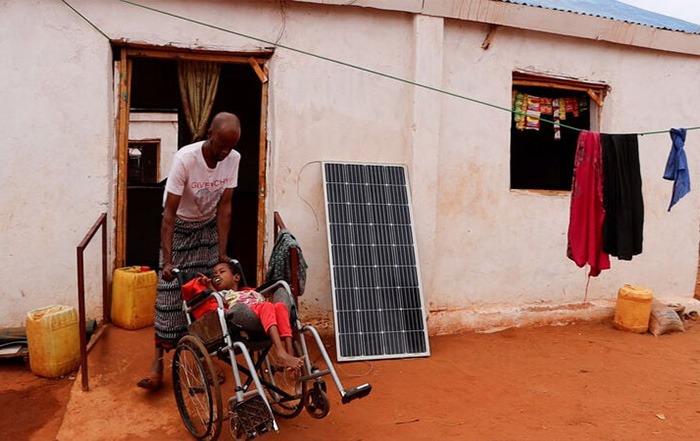
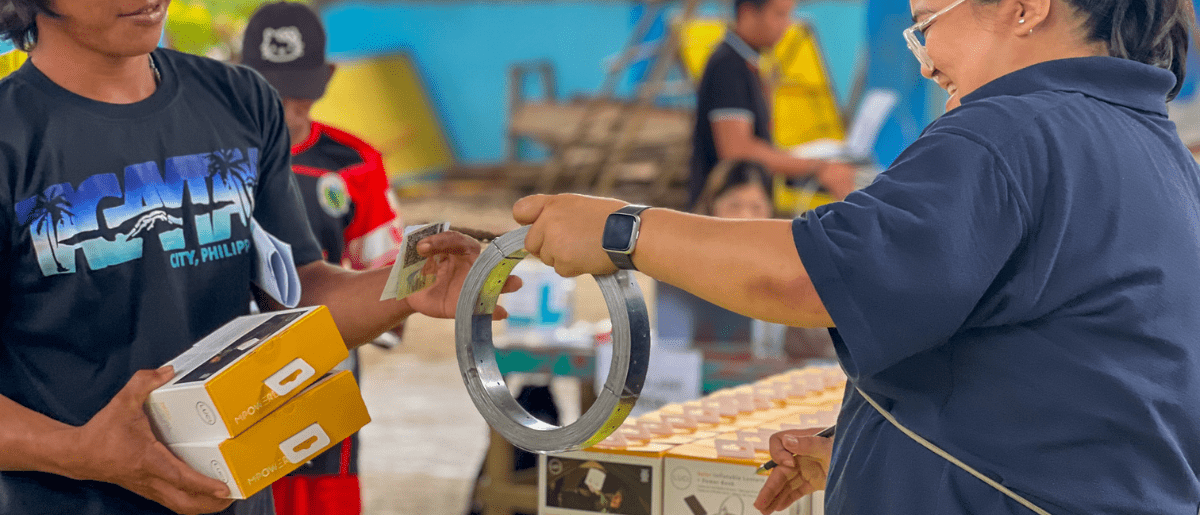
That’s why ShelterBox provides essential household items that help families re-establish daily routines as quickly as possible. Kitchen sets containing pots, pans, dishes and utensils allow families to prepare food. Blankets, mattresses and groundsheets provide warmth and comfort. Solar lights bring safety after dark and can even be used to charge mobile phones.
These items may seem small, but they can have a huge impact.
When families can cook, sleep and carry out daily activities again, it helps create a sense of normality during an uncertain time.
2. Safe drinking water when it matters most
In the aftermath of a disaster, clean water is often difficult to access. Floodwaters can contaminate supplies. Infrastructure can be damaged. Families may be forced to travel long distances just to find safe water.
Without access to clean drinking water, people face additional risks when they are already coping with crisis.
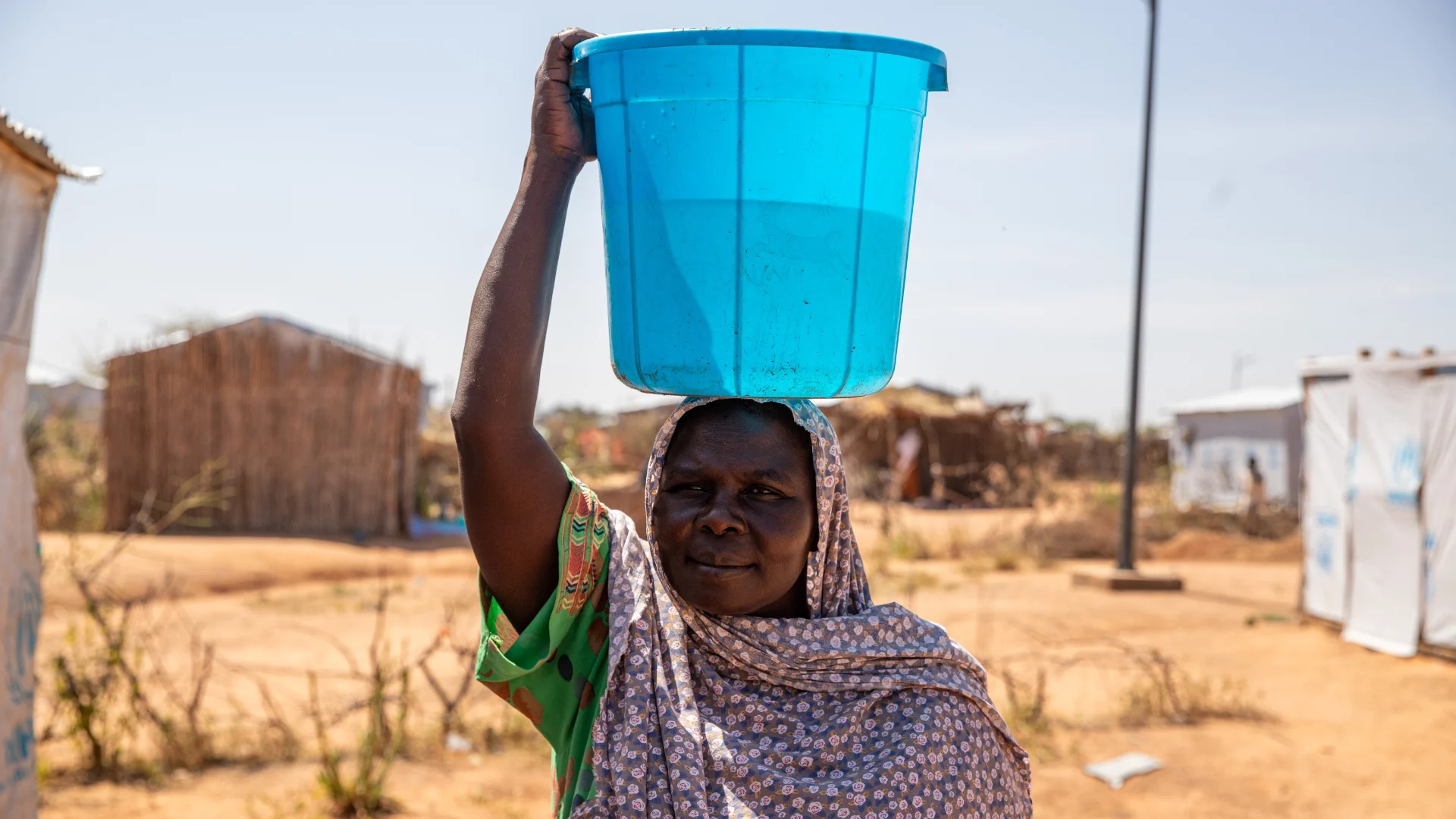
Water filters and storage containers help families access safe water closer to home, reducing the risk of disease and supporting healthier communities as they recover.
In Chad, Hawa and her family fled conflict in Sudan and sought refuge after an agonising journey across the border. Water containers helped families safely collect and store water while rebuilding daily routines in displacement.
3. Cash assistance that gives families choice
No one understands a family’s needs better than the family itself. What is most urgent for one household may be completely different for another. Some people may need materials to repair their home. Others may need medication, clothing, transport or school supplies.
Cash & Voucher Assistance (CVA) allows families to make decisions based on their own priorities.
Rather than deciding for people what they need, cash assistance gives them flexibility, choice and greater control during a difficult period of recovery. It’s a practical way to support dignity while helping communities get back on their feet.
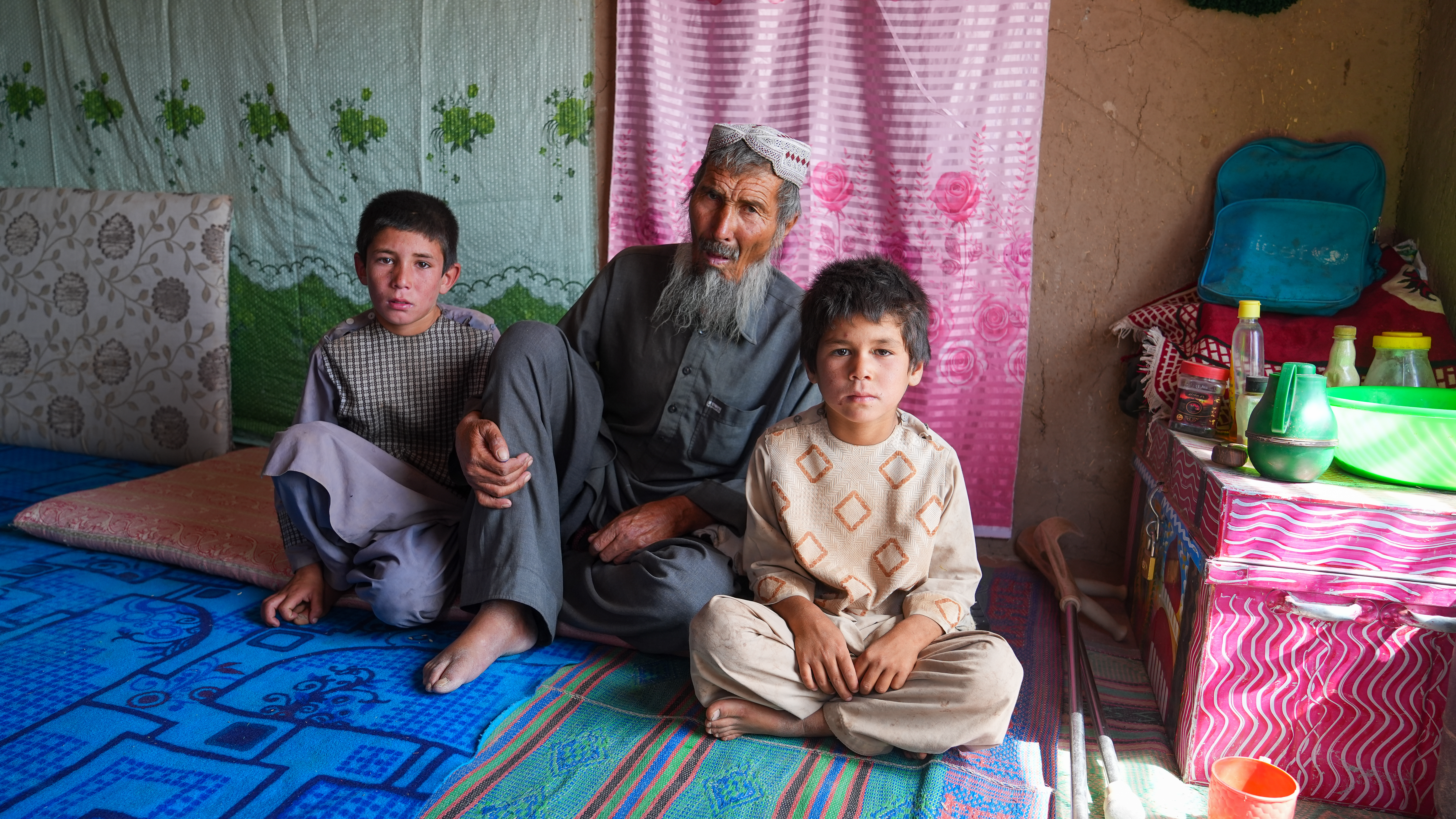
In Afghanistan, ShelterBox and INTERSOS have been supporting returnee families with cash assistance for shelter repairs and urgent household needs. After being forced to return from Iran, Abdul Zaher described his home as “very bad”, with rooms left without a proper roof for two years. He planned to use the cash support to make repairs, saying: “I will buy construction materials – iron, plaster, windows, doors and paint so that we can make our shelter liveable.”
4. Training that helps people rebuild safely
Recovery doesn’t end when aid is delivered. In many communities, ShelterBox works alongside local partners to provide training and technical support that helps people make the most of the assistance they receive.
This can include guidance on building safer shelters, maintaining shelter materials, strengthening homes against future hazards and sharing knowledge across communities.
The goal is not simply to support people through today’s emergency. It’s to help communities become stronger and better prepared for tomorrow.
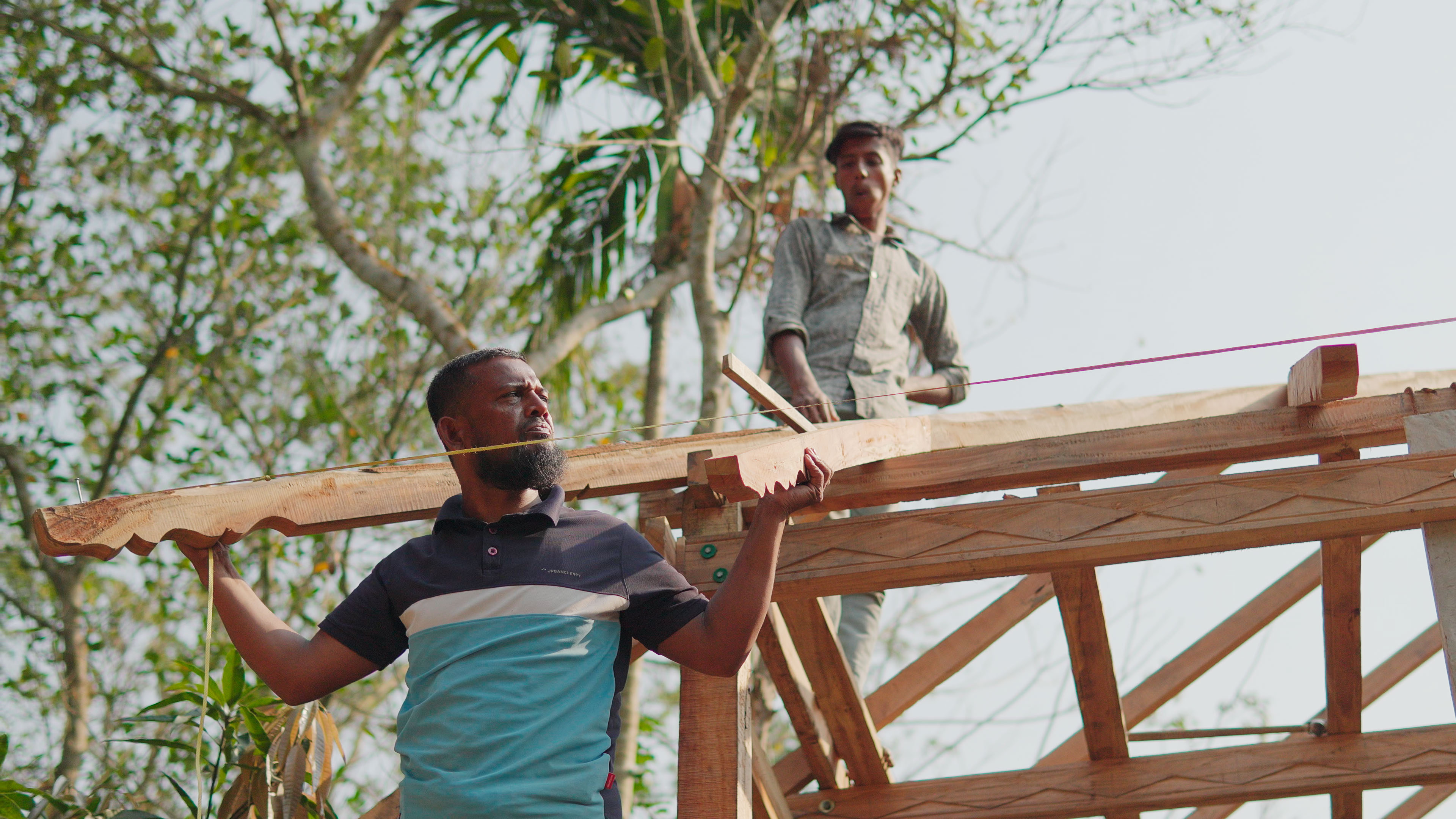
In Bangladesh, where flooding affected around 5.8 million people in 2025, ShelterBox and local partner Uttaran provided practical construction training alongside shelter support. Families learned techniques to strengthen shelter foundations and reduce future flood risk.
5. Hygiene products that protect health and dignity
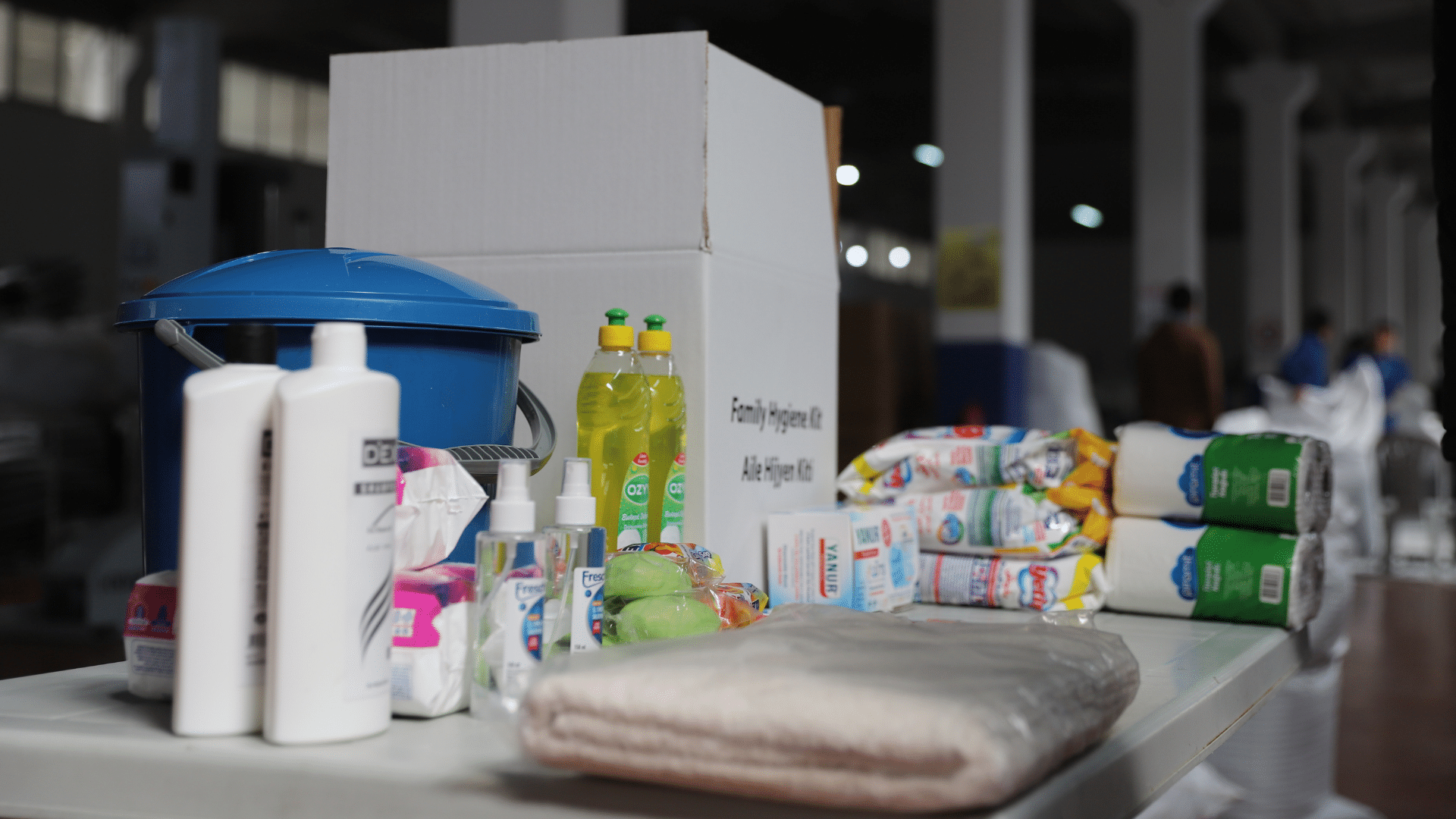
After disaster, accessing everyday hygiene items can become incredibly difficult. Soap, toothbrushes, sanitary products and water containers are easy to overlook, but they play a vital role in maintaining health, wellbeing and dignity.
For families living in temporary shelter or displacement sites, these essentials support daily routines and help reduce health risks. Everyone deserves the ability to care for themselves and their family, even in the most challenging circumstances.
Following the earthquakes in Türkiye and Syria, ShelterBox distributed hygiene kits containing soap, sanitary products and cleaning supplies. These simple items helped families maintain essential daily routines while living in temporary accommodation and recovering from the disaster.
6. Protection and security that helps families feel safe
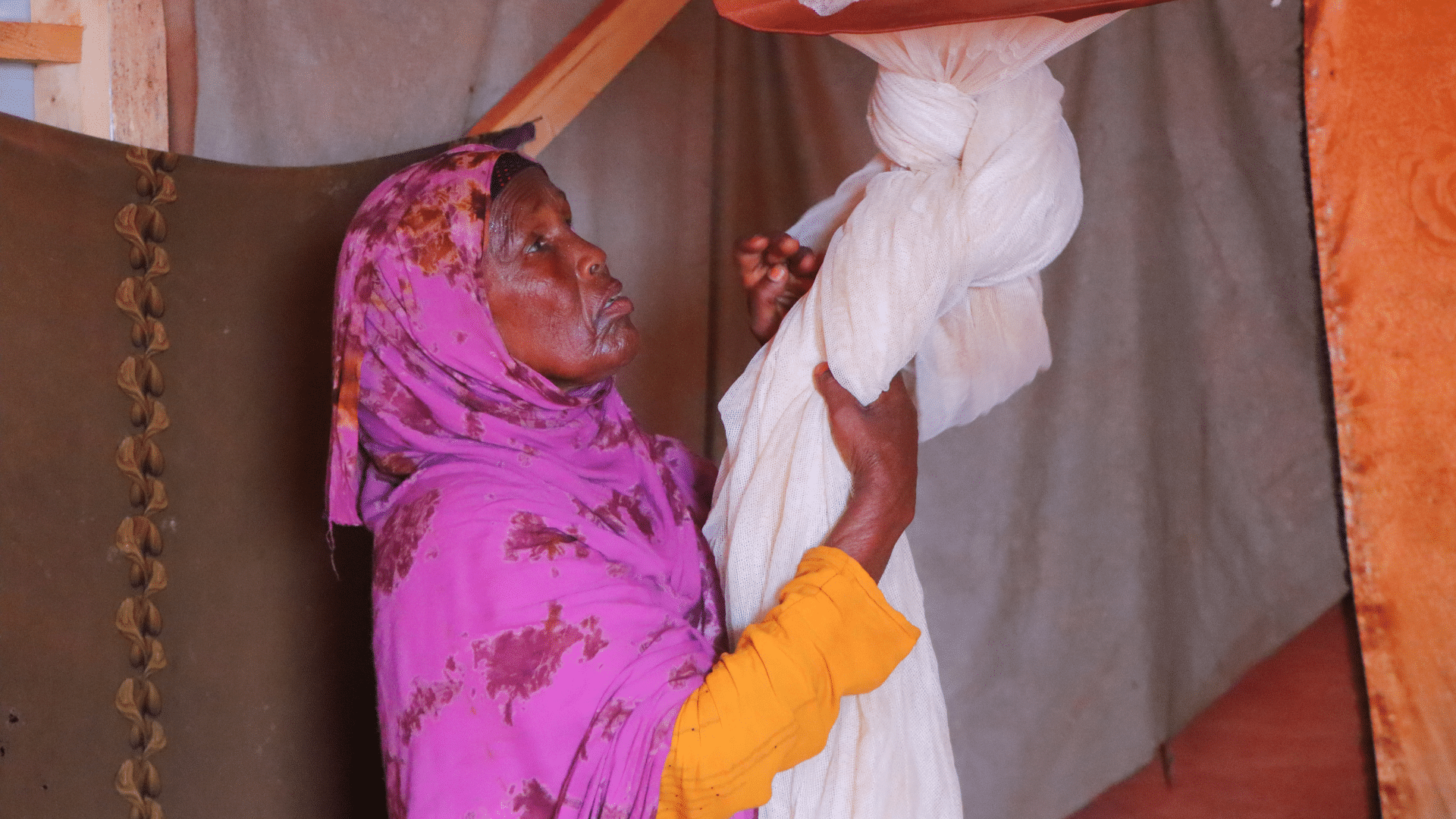
A home should be a place where people feel protected. That’s why ShelterBox responses can include practical items that improve safety and security, such as mosquito nets and lockable doors.
In some responses, storm strapping helps secure roofs to homes, reducing damage during hurricanes, cyclones and typhoons. Combined with practical training, it can help families strengthen their homes and reduce future risk.
These additions can help protect families from disease, severe weather and other risks as they begin to rebuild their lives.
Recovery isn’t only about surviving, it’s about creating the conditions where people can look ahead with confidence.
A home is more than shelter
Emergency shelter after disaster provides safety from the elements. But recovery requires more than a roof overhead.
It means having clean water to drink. A way to cook a meal. Light when darkness falls. Everyday items that bring comfort, security and dignity. The resources and support to start rebuilding what has been lost.
For families affected by disaster, conflict and the climate crisis, these essentials can make the difference between simply getting by and beginning to recover.
That’s why ShelterBox provides more than emergency shelter. From clean water and household essentials to shelter kits and cash assistance, these practical forms of support help families regain safety, dignity and a sense of home when they need it most.
Ways you can make a difference
When disaster destroys homes, families need the essentials that help them regain safety, dignity and independence.
Want to see the difference these items make? Explore our Global Gifts to discover how shelter kits, water filters, solar lights and other practical items support families after disaster.
The quickest way to support families affected by disaster is through a donation. Your support can help provide emergency shelter and practical essentials that help people recover and rebuild.
Other ways to show your support:
- Fundraise to support families rebuilding their lives.
- Join our Book Club and read for a cause.
- Volunteer and help raise awareness of emergency shelter after disaster.
- Subscribe for updates and stories from around the world.
- Follow and share our work on social media to help more people understand the challenges communities face after disaster.
Together, we can help ensure more families have not just shelter, but the essentials that turn a shelter into a home.