
What is happening in Afghanistan?
More than 2.6 million Afghans have returned from Iran and Pakistan – most returnees do not have anything to return to.
Many returnees had fled Afghanistan due to years of conflict, economic collapse, and fear of the Taliban’s return to power. They are now forced to return, most through remote mountain border points with few personal possessions – to a country beset by conflict, poverty, and drought.
Some are living in crowded, informal camps; with host families; or out in the open.
Nearly 23 million people – half of the population – need humanitarian assistance.
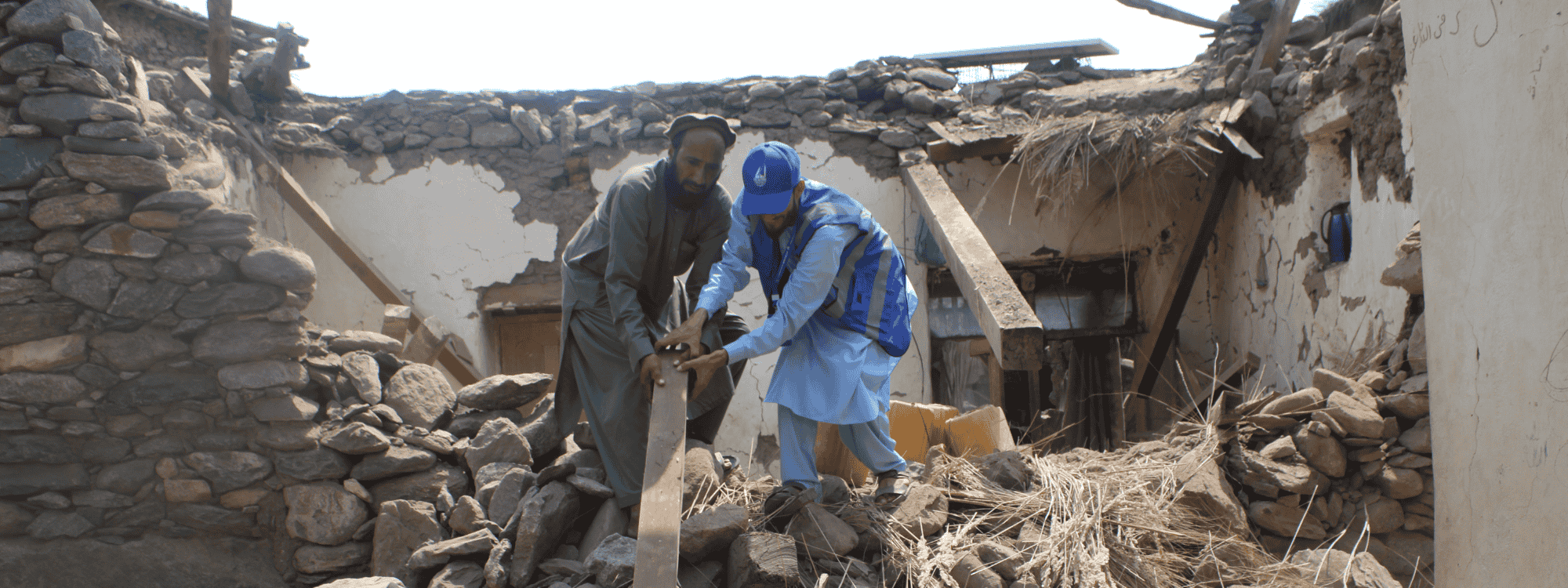
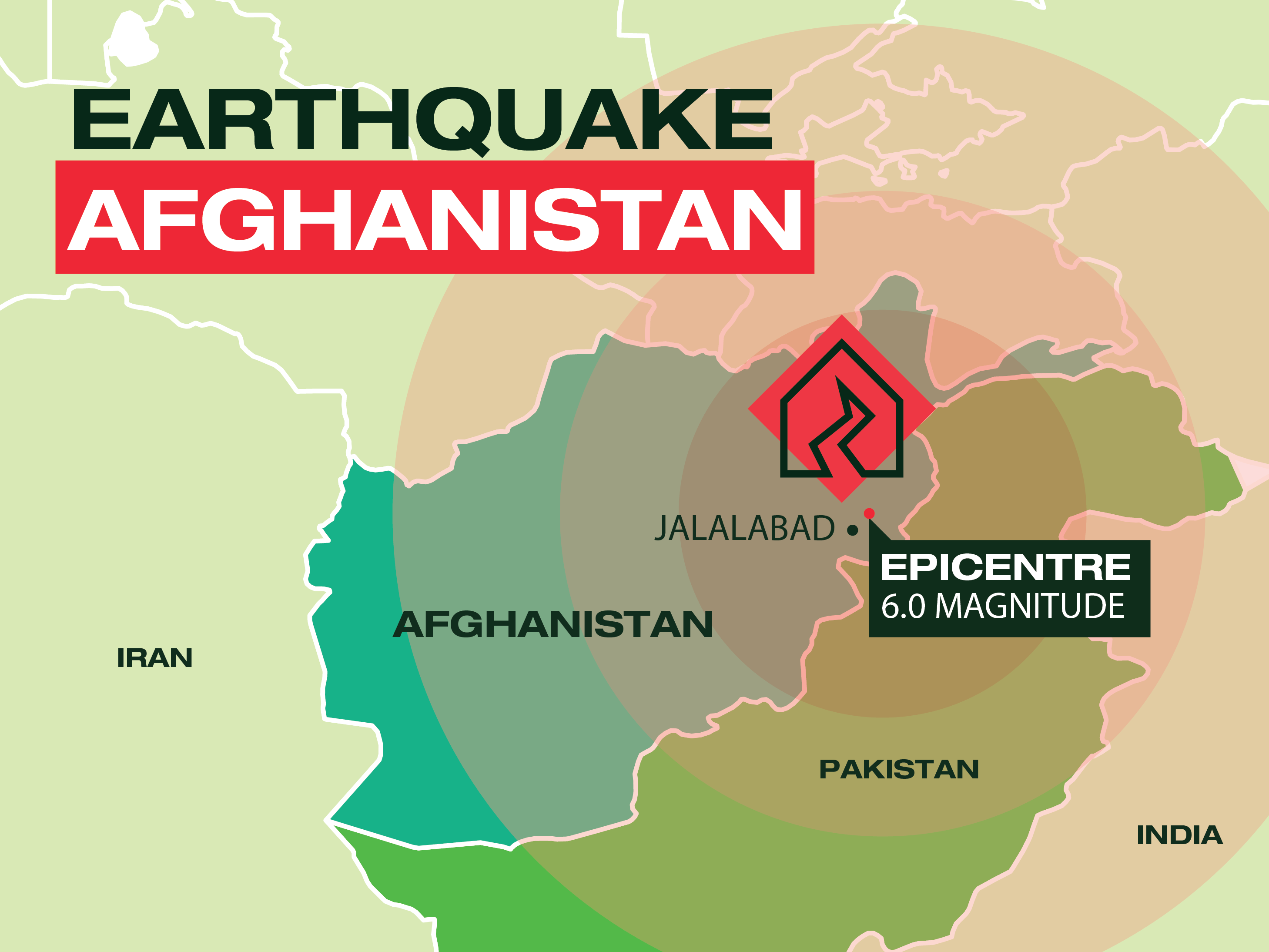
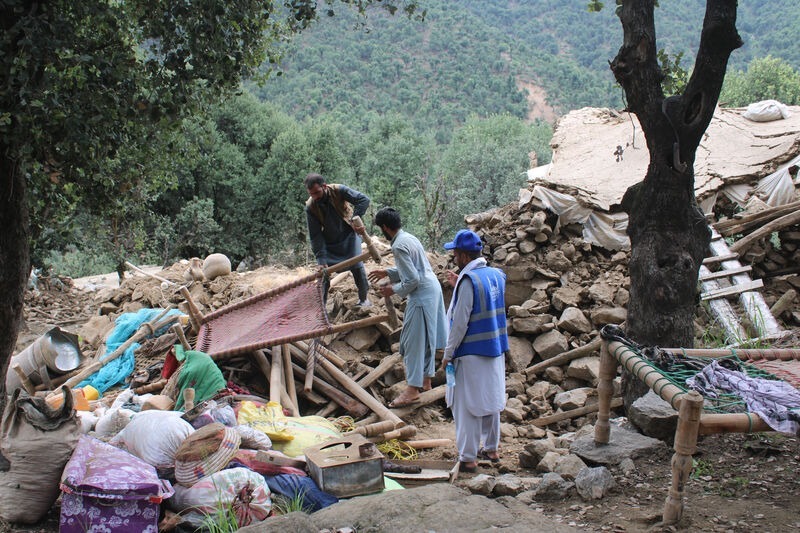
Additionally, entire communities have been left without homes after a series of earthquakes struck within days of one another, flattening many remote mountain villages.
As of January 27th, Pakistan declared a state of open war on Afghanistan.
How ShelterBox responded
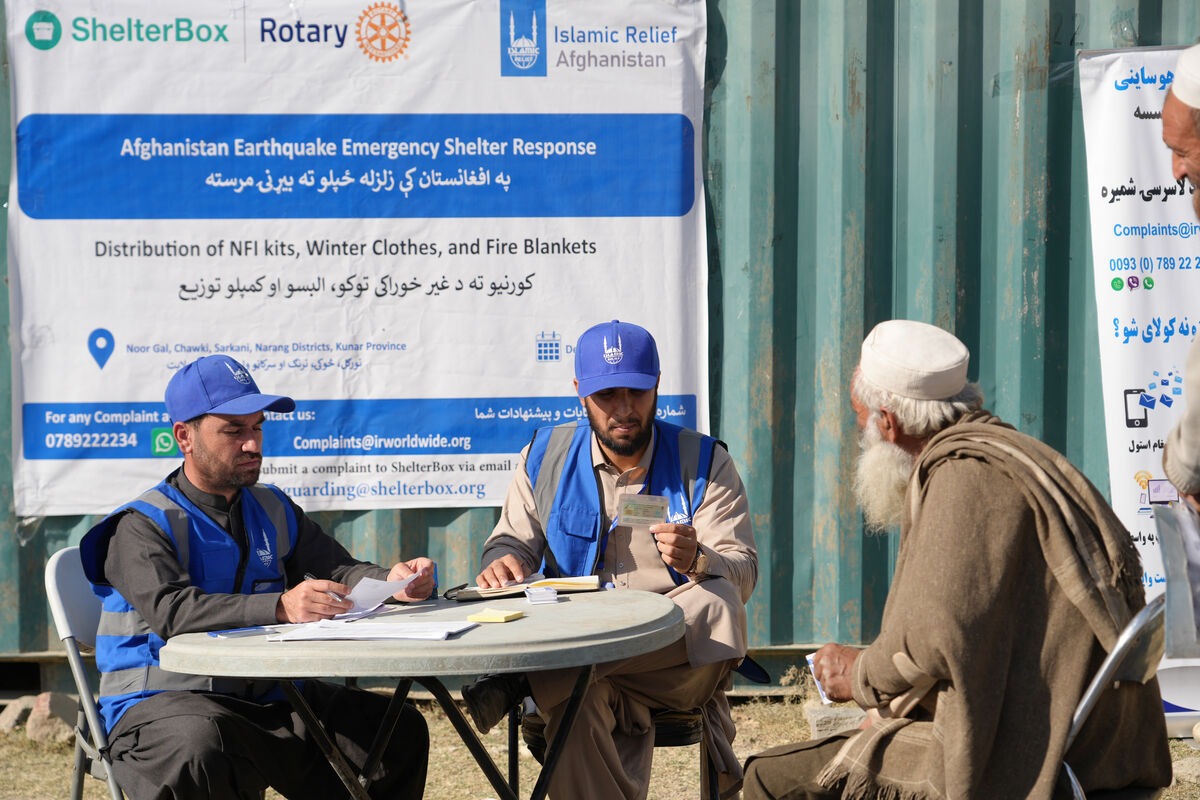
ShelterBox responded in Afghanistan. A ShelterBox team worked with Islamic Relief Afghanistan to support people whose homes were destroyed, supplying them with emergency shelter and essential supplies.
We supplied displaced people with tents and also warm clothing, thermal blankets, stoves and kitchen sets to help people survive the cold as winter approaches. And buckets, solar lights, and fire blankets for safety.
The bigger picture
Before the earthquake, Afghanistan was already facing a deep humanitarian crisis. Nearly 23 million people – half the population – need assistance. Every day, tens of thousands of people are returning from Iran and Pakistan, many with nowhere to go.
Many returnees fled Afghanistan due to years of conflict, economic collapse, and fear following the Taliban’s return to power. Some haven’t been in Afghanistan for years, or ever. Many are registered by the authorities and given money for transport to their home provinces to find their old homes demolished, occupied or sold.
Around 30,000 people are crossing back into Afghanistan daily, often through remote border points with very little. Some are living in informal camps, with host families, or out in the open – making it hard to track their movements and understand their needs.
ShelterBox has responded in Afghanistan several times before, with emergency shelter for people displaced by conflict and extreme weather like floods. (2002, 2006, 2008, 2016-17).