Muhammad’s Story: Rebuilding After Floods in Pakistan
Muhammad lost his home in Pakistan's devastating floods. Read his story and learn how ShelterBox is supporting families after disaster.
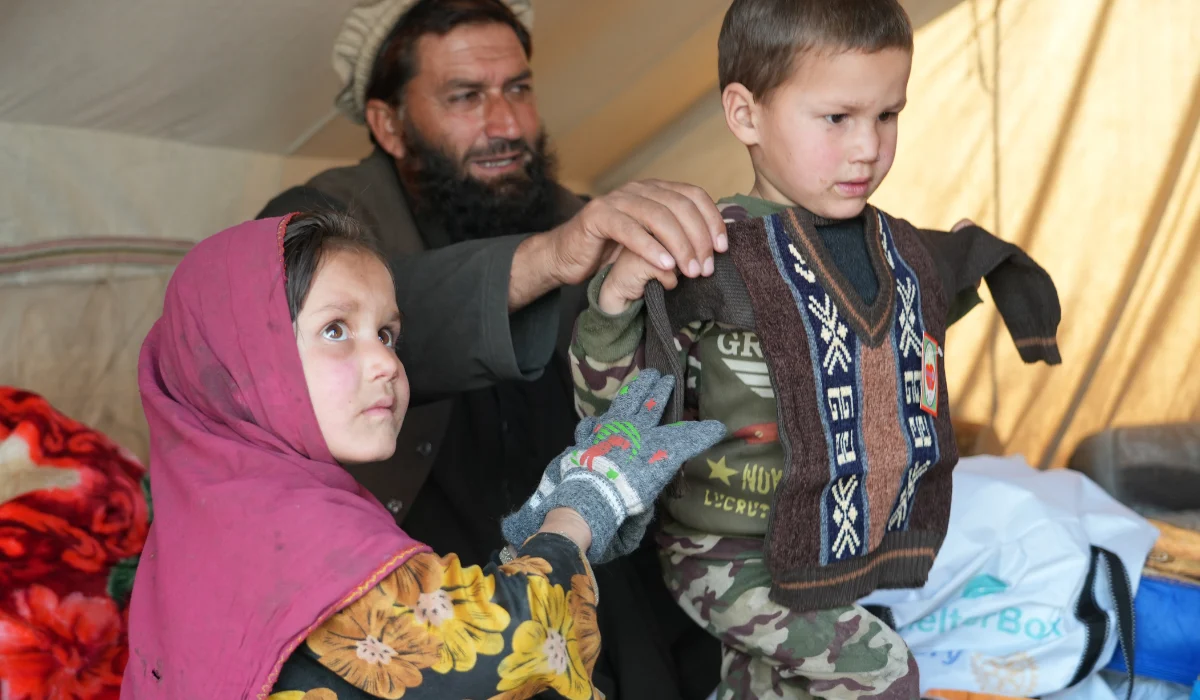

Nazar never imagined he would lose his home in a matter of seconds.
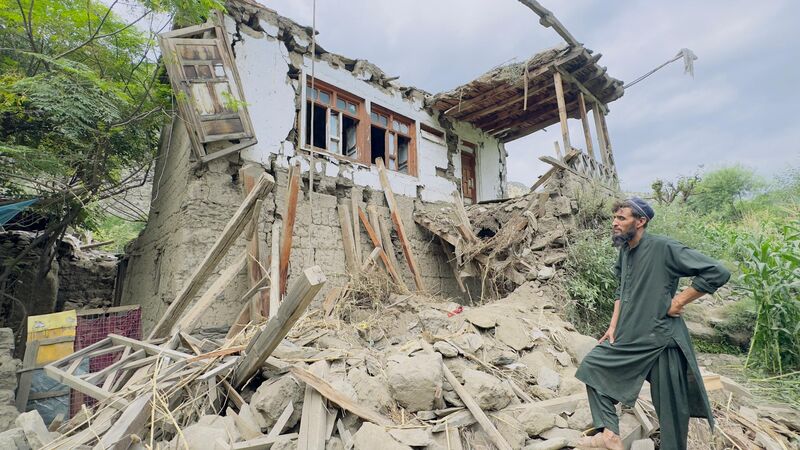
When a series of powerful earthquakes struck eastern Afghanistan in August 2025, remote mountain villages were flattened and entire communities were devastated.
More than 2,000 people lost their lives, with the shallow depth of the quakes making them especially destructive. Thousands of homes, many built from mud bricks and timber, collapsed, leaving families without shelter. Nearly 23 million people – half the population – needed assistance.
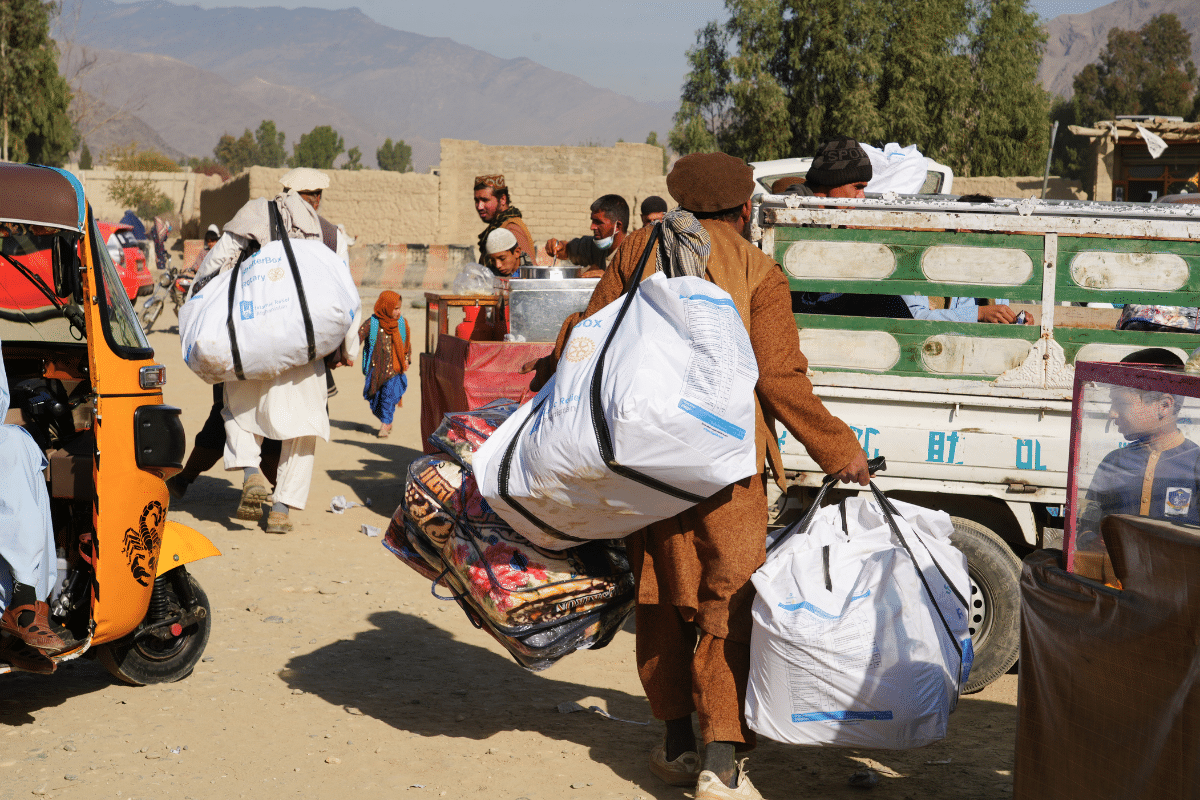
ShelterBox responded with Islamic Relief Afghanistan, meeting people’s immediate needs with tents and essential items, including winter clothing, thermal blankets, kitchen sets and stoves – all vital for surviving the cold. People also received buckets, solar lights and fire blankets.
For 50-year-old Nazar, his wife Fatima, and their four children, the earthquakes changed everything. The family lives in Chawkay District, Kunar Province, where Nazar spent years building a home, raising livestock and providing for his family.
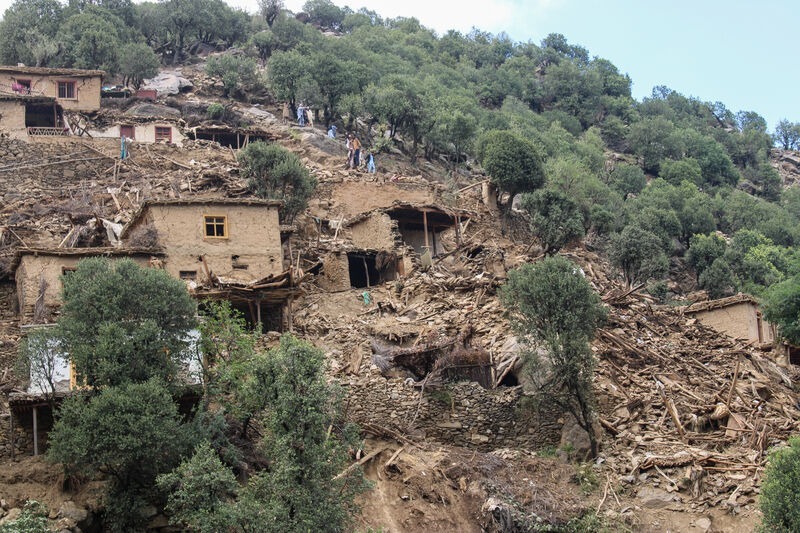
Before the earthquakes, life centred around family, farming and caring for livestock. Nazar built his home himself: “It was a small mud-brick house with two rooms and a kitchen,” he said. “It wasn’t fancy, but it was safe and full of memories.”
Nazar had lived there his entire life. His days were spent working the land and caring for animals, while his children attended school. Evenings were often spent sharing meals and drinking tea as a family.
“Life was simple, but it was ours, and it gave me a sense of peace and pride.”
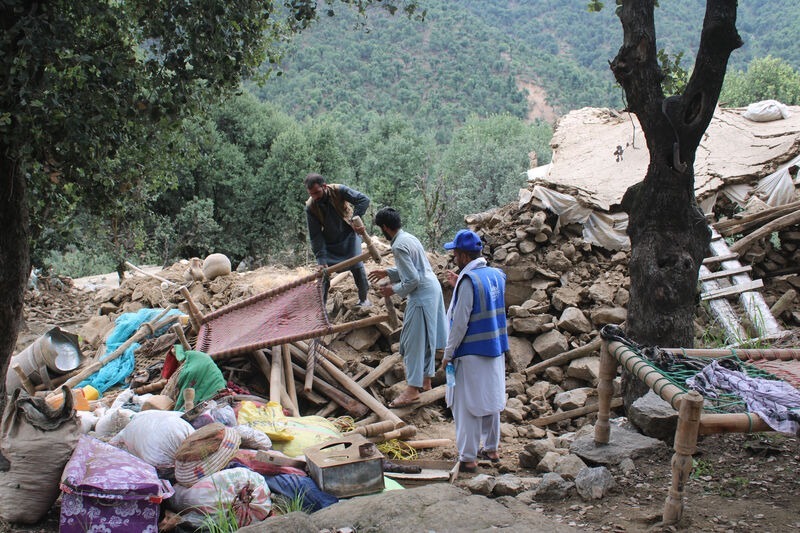
Nazar never imagined how quickly his whole life could change. “My house collapsed in seconds,” he said. “I grabbed my children and held them tightly as we ran outside, trying to shield them from the falling debris.”
Their cries filled my ears, and I felt my heart break with every scream.
As dust filled the air, homes crumbled across the village. “I was terrified and helpless,” Nazar reflected. “I could not protect my children from the chaos around us. I kept thinking about their safety and felt like I had failed them, even though there was nothing I could do. My fear and worry for them were overwhelming.”
Although Nazar’s family survived, the experience left a lasting impact. And in the days that followed, Nazar witnessed scenes he will never forget.
After the earthquake, I saw neighbours digging through rubble with their bare hands, searching for loved ones.
With their home destroyed and belongings lost, the family had nowhere to go. “Everything we had built was gone in moments,” Nazar said.
For several nights, the family slept outside under the open sky with no food or shelter. “My children shivered through the night, and every gust of wind made them wake up in fear.”
Nazar tried to comfort them, but felt powerless. “The fear and uncertainty stayed with us day and night,” he said.
With his land damaged, Nazar had no income. His children were no longer able to attend school and spent most days inside their tent, afraid to play outside.
“Their laughter is gone, replaced by quiet fear, and it is hard for me to comfort them,” Nazar admitted.
As the family tried to come to terms with their loss, another challenge was approaching.
Winter in Afghanistan’s mountainous regions can be unforgiving. Temperatures regularly fall below freezing, and snow can make roads difficult to use.
For Nazar, the cold brought a new source of worry. “The biggest challenge is keeping my children safe and warm,” he said.
Without proper shelter, every night feels like a fight against the cold.
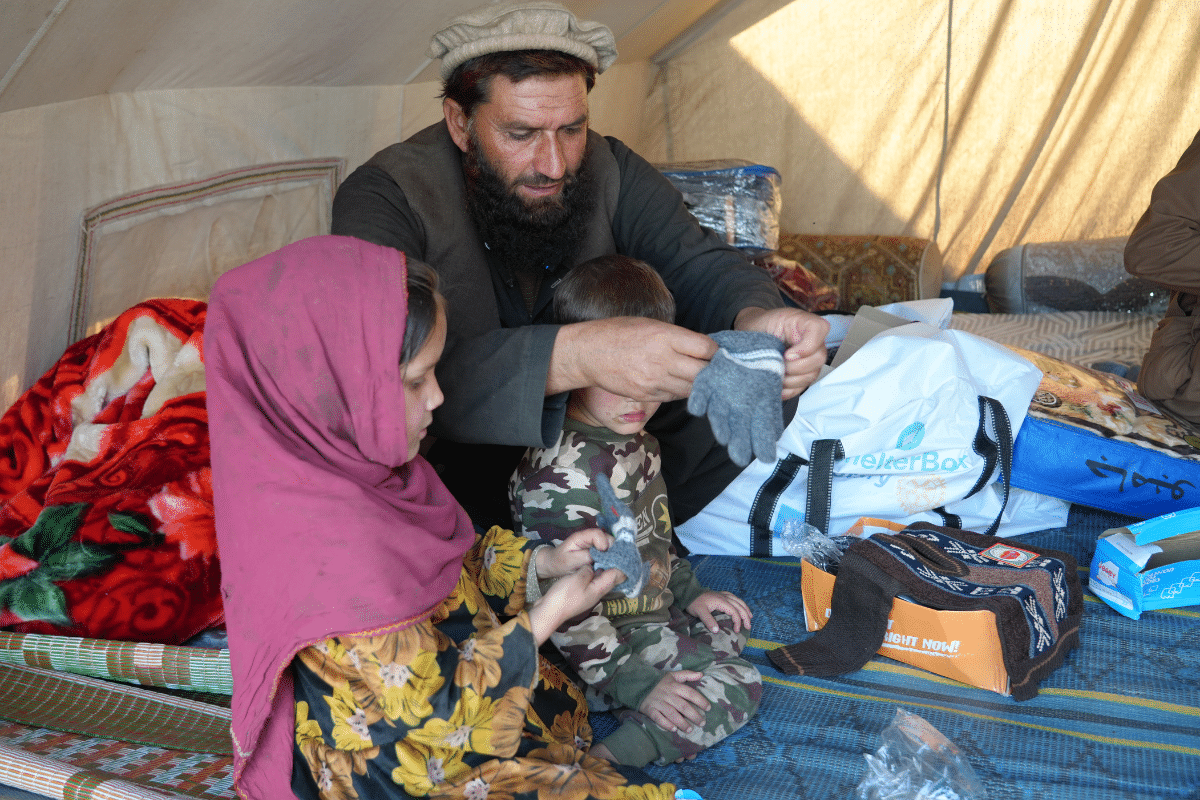
ShelterBox and Islamic Relief Afghanistan supported Nazar, Fatima and their four children with a tent and essential household items to help them through the winter.
The family received winter clothing, thermal blankets, kitchen sets, a stove, buckets, solar lights and fire blankets.
For Nazar, the support brought relief at a time when he was struggling to see a way forward.
“Shelter and warm clothes mean life,” he stated. “They will help us survive the winter and give my children safety and comfort. Having these things makes me feel relieved and hopeful.”
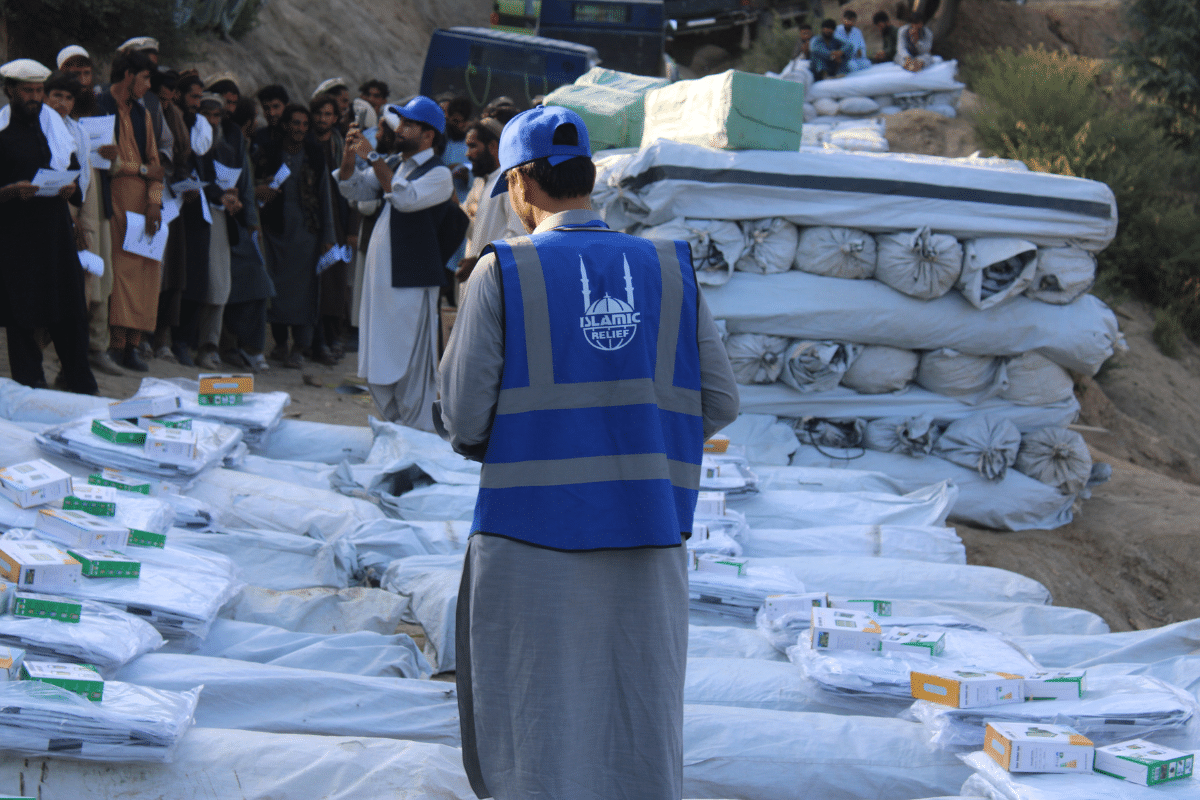
When asked which item has had the biggest impact on daily life, Nazar doesn’t hesitate: “The stove and gas cylinder have made the biggest difference. Hot food and tea help us stay warm, and they comfort the children, especially at night.”
The family also received a fire blanket, providing additional peace of mind when using the stove inside the tent. “Having a way to cook safely gives us strength and some peace of mind,” he said.
The thermal blankets have become equally important. “The children shiver without them,” Nazar said. “The blankets we received give us a fighting chance against the cold.”
And after months of uncertainty, the solar lights have brought comfort too. “They make my children feel safe after dark and allow us to cook or move around at night.”
For families who have lost everything, shelter is about more than protection from the weather. A tent, for Nazar and his family, represents safety, dignity and stability during an uncertain time.
Our tent means survival. The tent shields us from wind and rain. It doesn’t solve all our problems, but it gives us dignity and a safe place to sleep.
For Nazar, the support he received is helping his family cope with the immediate challenges of life after the earthquake. But as he looks to the future, he is also worried about the changing climate and what it means for families like his.
The climate crisis is driving more extreme and unpredictable weather around the world. In Afghanistan, communities already facing conflict, displacement and disaster are often among the most vulnerable to its impacts.
Nazar says he has noticed changes in the weather during his lifetime: “I feel the winters are colder now and the summers hotter. Rain does not come when we expect it, and farming has become harder. Life is more uncertain than when I was young.”
I don’t know why this is happening, but it makes me worried about my children’s future.
When asked what home means to him, Nazar’s answer is simple: “Home is safety, warmth and love. It is where my children can grow without fear. It is a place for family and hope.”
Despite everything his family has lost, Nazar remains determined to rebuild. “I hope to rebuild my house and return to farming,” he said. “I want my children to go back to school and live with dignity. I especially want my son Rahim to finish school and become a teacher.”
For the support his family received, he has one final message: “I thank you with all my heart. Your support has given us hope and means we can survive the winter and start rebuilding our lives.”
Afghanistan was already facing a severe humanitarian crisis before the earthquakes struck. Conflict, drought and large-scale population movements had left millions of people in need of support.
Powerful earthquakes then devastated remote communities in eastern Afghanistan, destroying thousands of homes and leaving families without shelter. Many people were forced to sleep outside or in makeshift shelters as they recovered from the disaster.
Learn more about the Afghanistan earthquake response and how ShelterBox is supporting affected communities.