When homes are destroyed by hurricanes, floods, or conflict, people need supplies and support to recover. ShelterBox’s shelter kits provide families with the essential tools to repair damaged homes, create temporary shelter, and begin recovery with dignity.
From floods in Malawi to conflict in Cameroon, and now in the aftermath of Hurricane Melissa in the Caribbean, shelter kits are helping families take the first steps toward safety and stability.
What is a shelter kit?
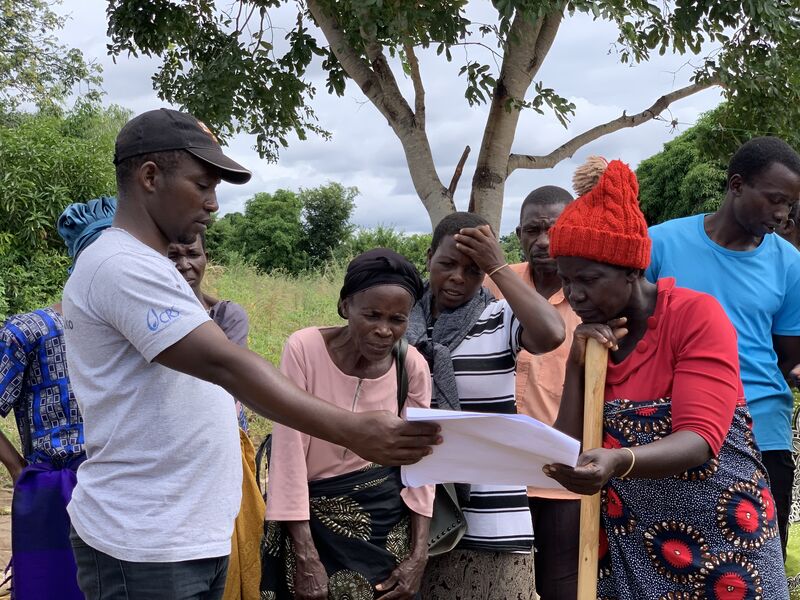
A ShelterBox shelter kit contains everything a family needs to start rebuilding after disaster. Designed to be simple, strong, and versatile, each kit can include:
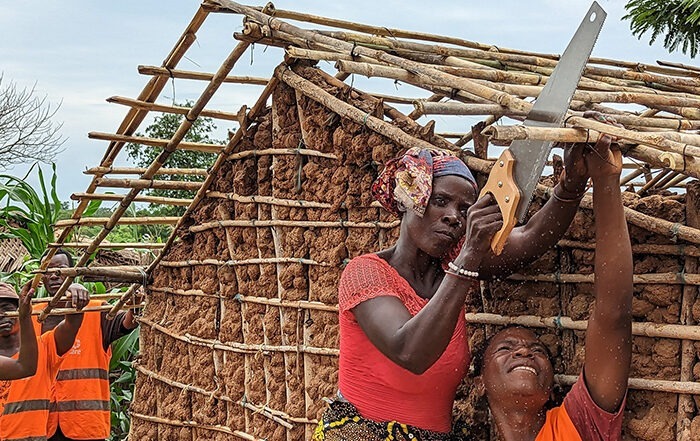
- Tools – hammer, saw, shovel, and shears
- Fasteners – nails, wire, and rope
- Essentials – measuring tape, needle, storage bag
- Shelter materials – heavy-duty tarpaulins for instant protection
Shelter kits are often used alongside solar lights, mosquito nets, blankets, water filters, and other essential household items. In some communities, families even share the tools between households – helping entire neighbourhoods recover faster.
Responding to Hurricane Melissa
Right now, ShelterBox is delivering emergency shelter aid from our hub in Barbados to support up to 5,000 people in Jamaica affected by Hurricane Melissa.
We’re providing vital emergency shelter aid, like shelter kits (tarpaulins and tools), rope, thermal blankets, water carriers, mosquito nets, and solar lights to support people.
You can read more about our response here.
So, what impact have items like shelter kits had on communities in the past?
Victoria’s story: rebuilding after the floods in Malawi
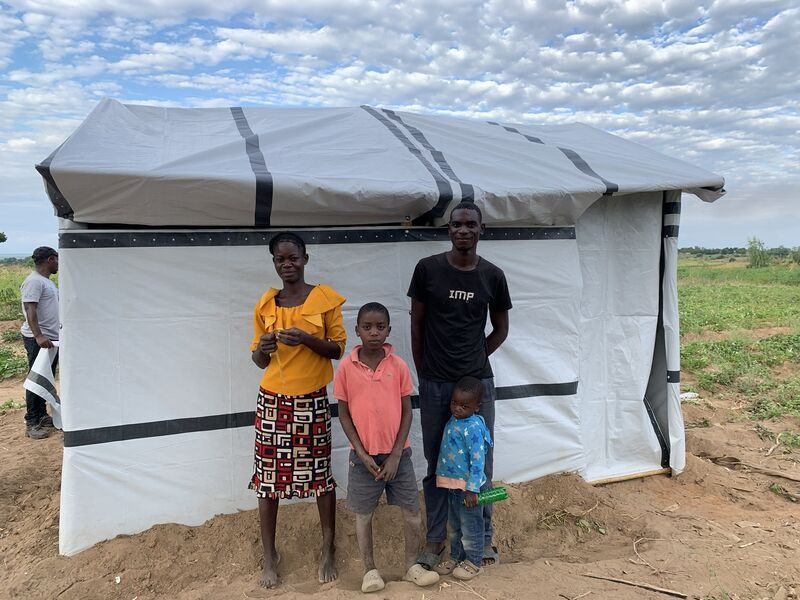
When floods swept through the Nkhotakota region of Malawi in February of 2024, Victoria and her husband Christopher lost their bamboo home and all their belongings. Working with our partner CARE Malawi, ShelterBox provided them with a shelter kit and cash assistance to help them rebuild.
“This temporary shelter gives us our own home, rather than having to live with other people,” Victoria said. “The mosquito nets keep us safe, and the blankets and pots help us restart our lives.”
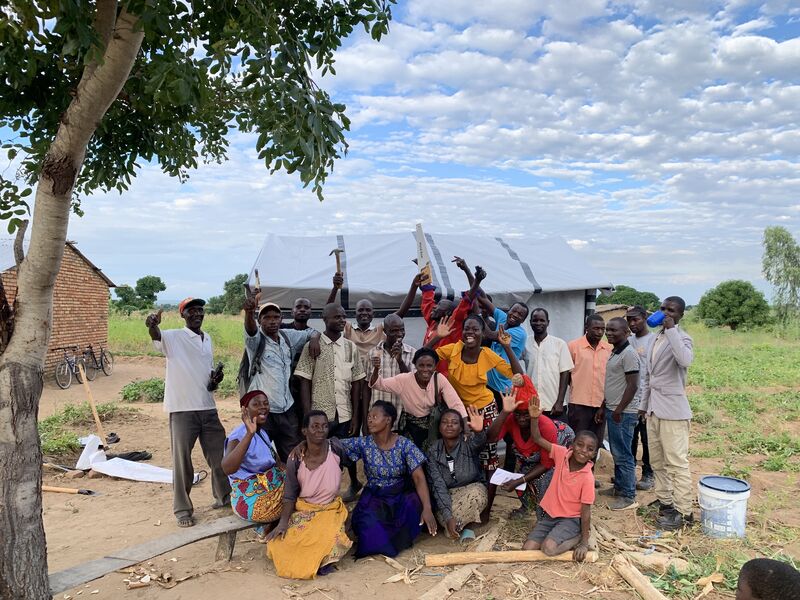
With the tools from the shelter kit, Victoria and her family built a safe temporary home on new land – a vital step toward recovery and independence.
Jean’s story: finding stability in Cameroon
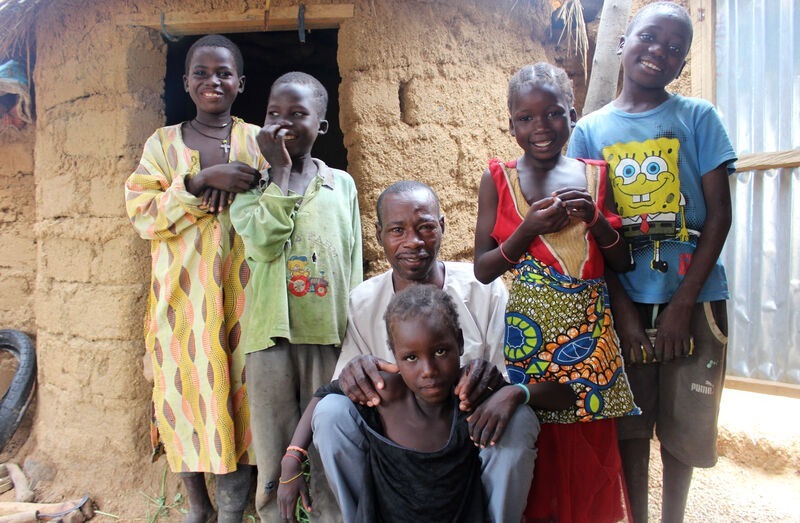
In Cameroon’s Far North region, 47-year-old Jean and his family were forced to flee twice – once from floods, and again from Boko Haram attacks.
After settling in a new village, they received a roof rehabilitation kit from ShelterBox and our partner, Public Concern, helping them rebuild their home and stay dry during the rainy season.
“After receiving this assistance, I was so happy. We used the tarpaulin and nails to rebuild our roof, and now there are no leaks. Thanks to ShelterBox, I feel at home again.”
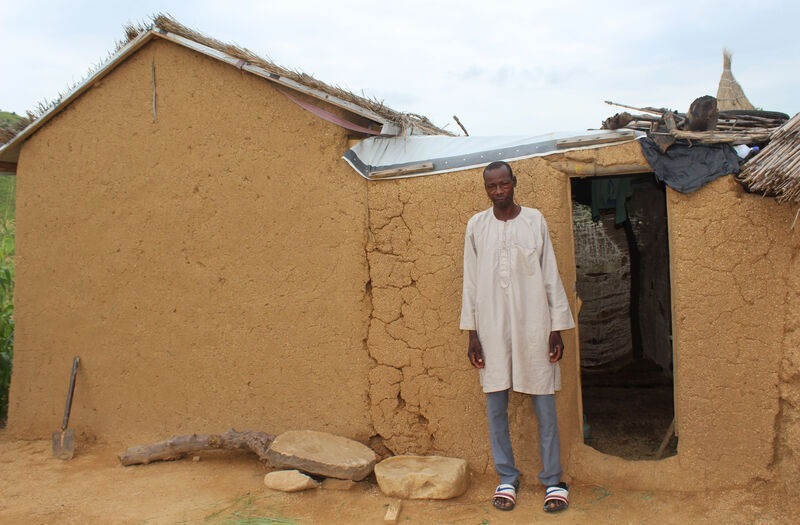
Jean’s story is one of resilience – a reminder that even the simplest tools can help to restore safety and hope.
Flexible shelter solutions for each crisis
No two disasters are the same. We have moved beyond a one-size-fits-all approach to provide a range of emergency, transitional, and durable shelters, depending on the needs of each community. So, here are some examples of the other forms of shelter support we provide.
Emergency tents
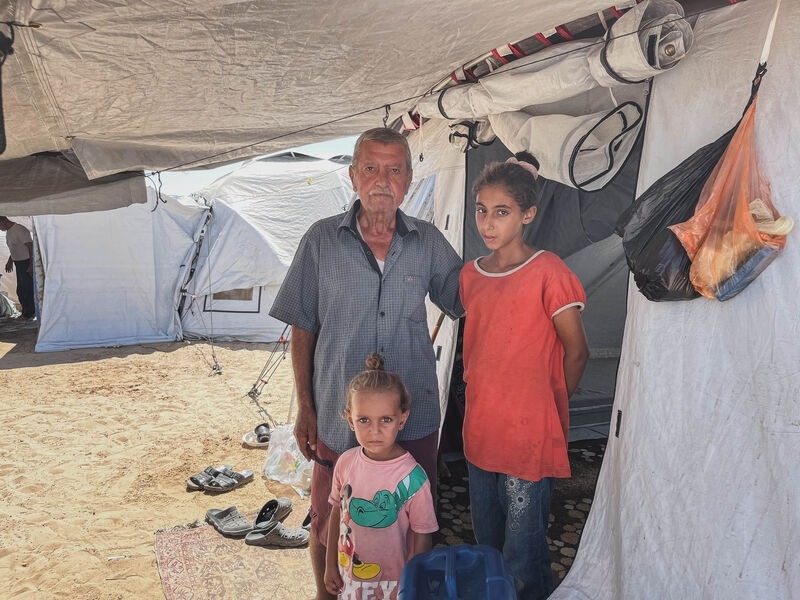
- Durable family sized tents offer immediate protection for families who’ve lost everything. Typical use can last weeks or months or longer depending on the conditions. Donate an item like a tent here.
Shelter kits
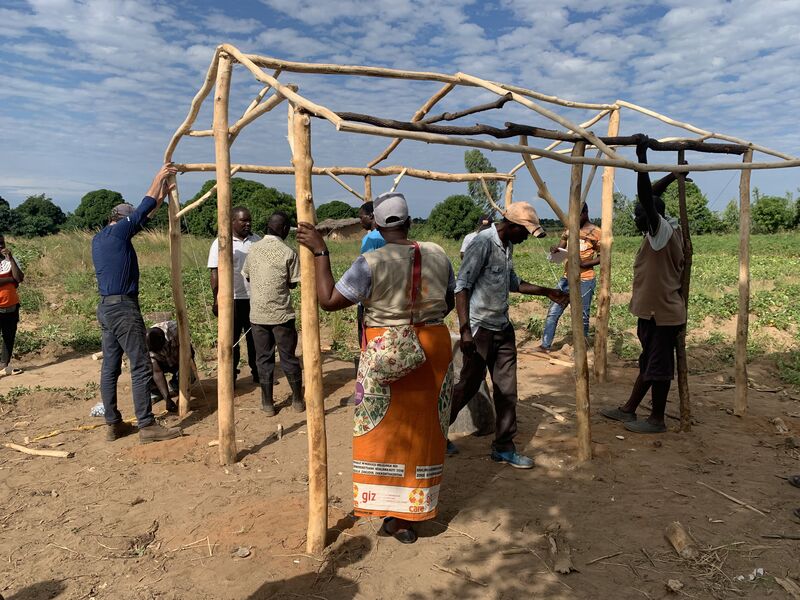
- Tools and materials for short-term repairs, this includes tarpaulins, ropes, nails and hammers. These help families repair damaged homes or create temporary structures. They are typically used for short term repairs and temporary shelter lasting several months or longer.
Durable and transitional shelters
When displacement becomes long term often for years, we support with robust shelter options, these vary by region and local context.
Transitional shelters in Yemen
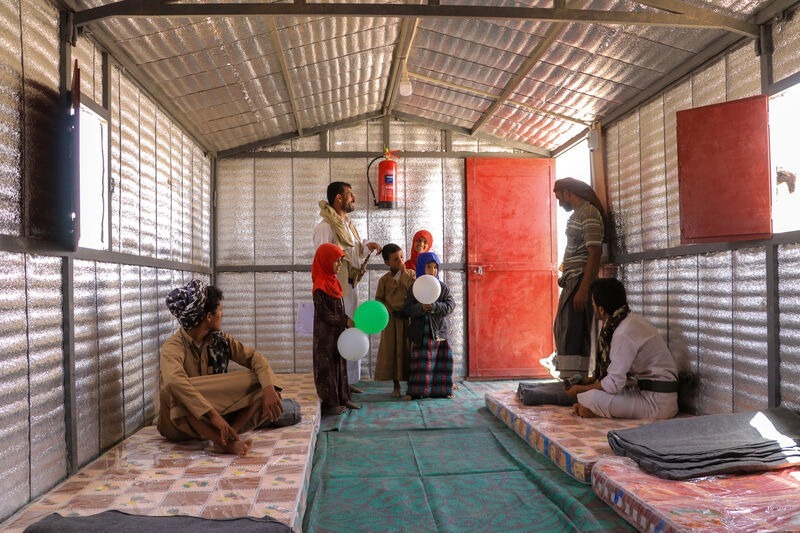
- Transitional shelters are fire-resistant and insulated, designed for desert climates, built with iron frames and concrete bases. These are used in ongoing crises as mid to long term housing.
Mudbrick shelters in Somalia
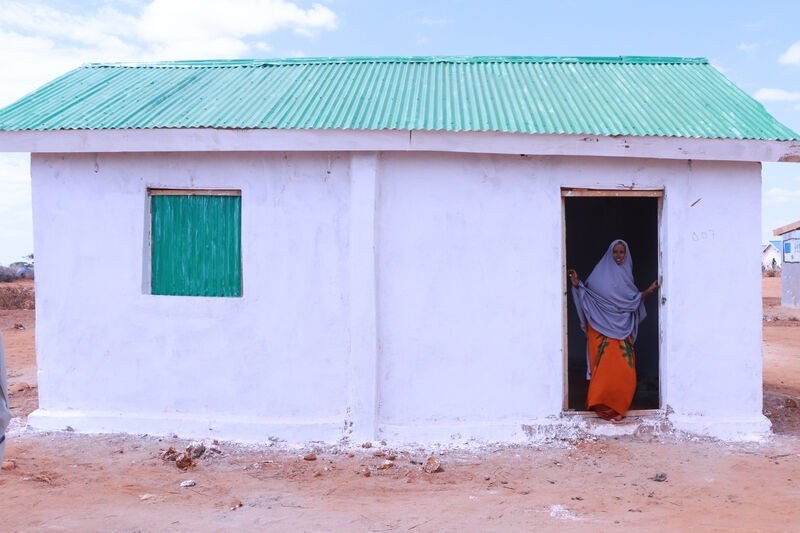
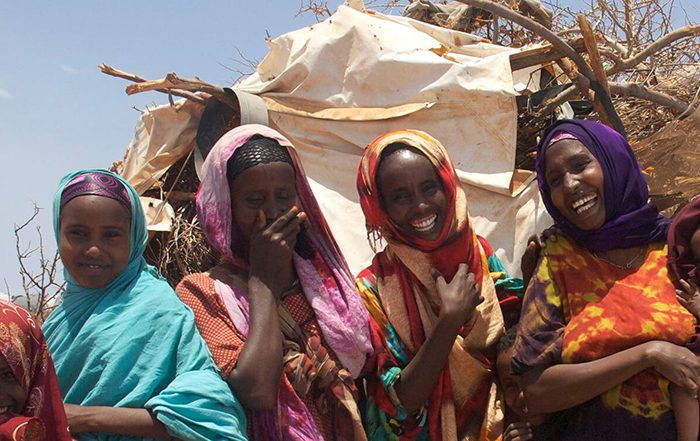
- These shelters are built with locally available, environmentally conscious materials. These offer better insulation and durability with features like shaded cooking areas and efficient stoves, these typically last several years depending on environment and materials. In this project, ShelterBox and our partner, Juba Foundation also secured people right to stay tenant land rights to ensure people didn’t face evictions.
Raised plinth shelters in Bangladesh
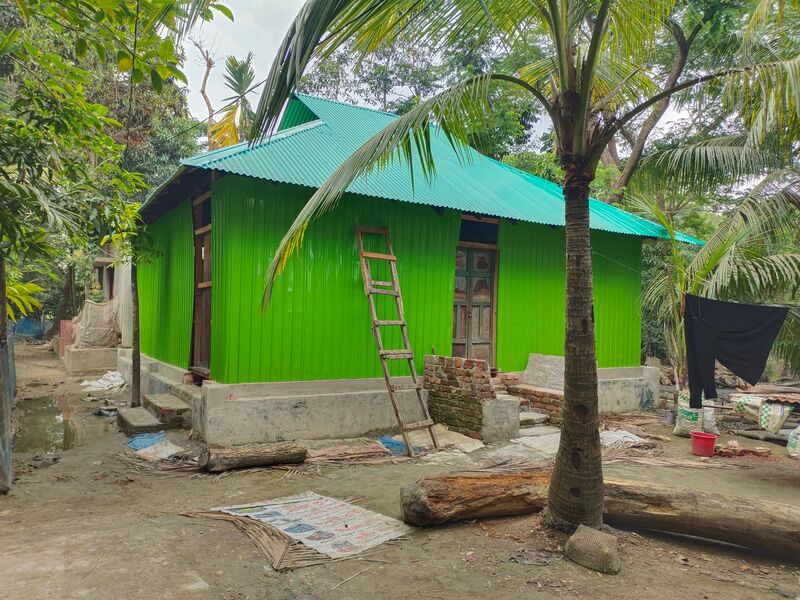
- Our raised plinth shelters have a base which is built three feet above the ground to protect from seasonal flooding. Training for local builders also helps to support long term recovery. This offers long term resilience in flood prone regions like Bangladesh.
Reinforced local designs in Mozambique
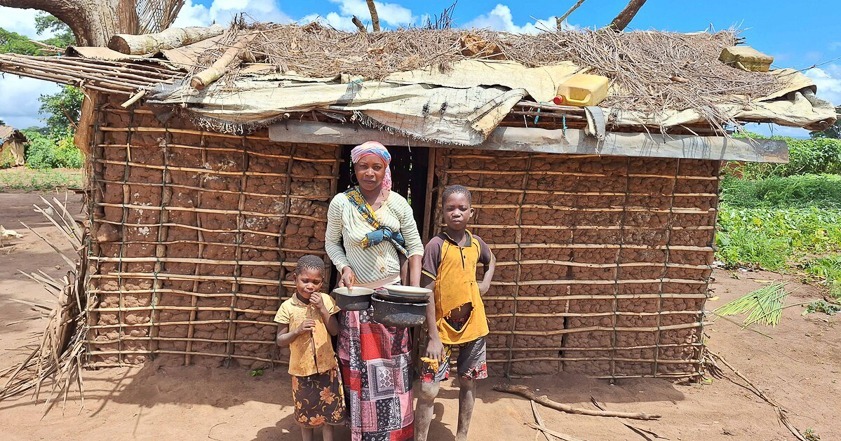
- These are strengthened traditional shelters using tarpaulins, bamboo and mud to protect from wind and rain, built to withstand local climate challenges.
Disability-inclusive shelters
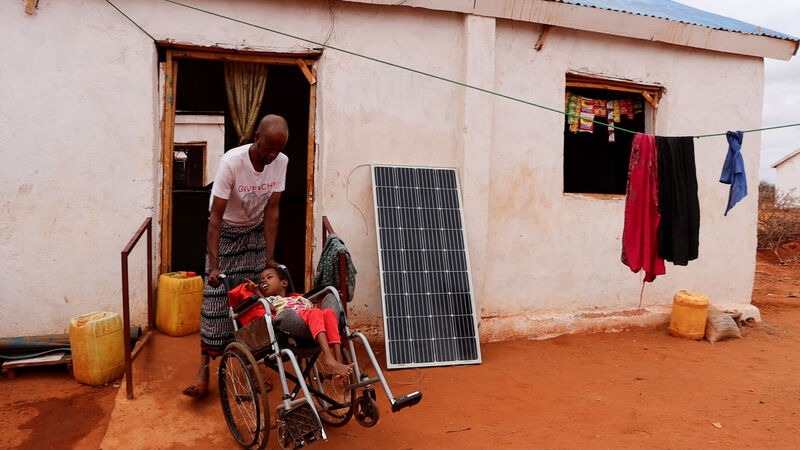
- These shelters are designed with ramps and handrails and space for mobility aids to ensure accessibility for all family members.
Every design is locally adapted and community-led, helping families stay safe, supported, and connected as they begin to rebuild their lives.
From emergency relief to long-term recovery, we are committed to helping families find safety, stability, and dignity after disaster.
A shelter kit may seem simple – but for families like Victoria’s and Jean’s, it’s the start of a new chapter.
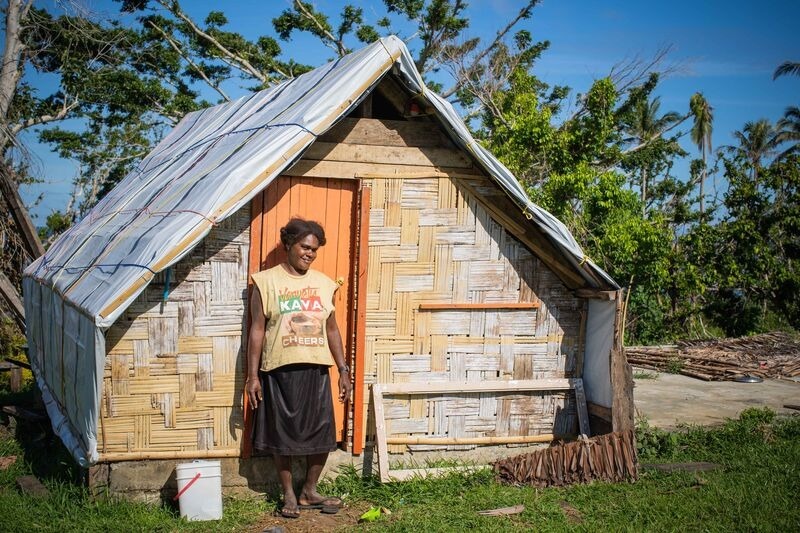
Give a shelter kit as a Global Gift
You can help families recover from disaster by giving a Shelter Repair Kit as a global gift.
Your gift provides families with the tools and materials they need to rebuild – offering safety, independence, and hope for the future.
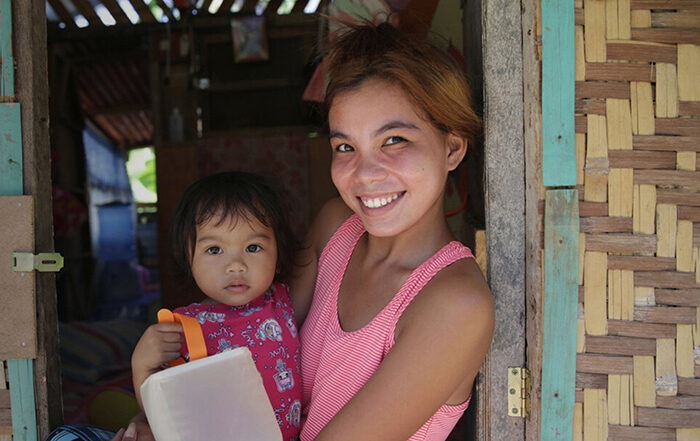
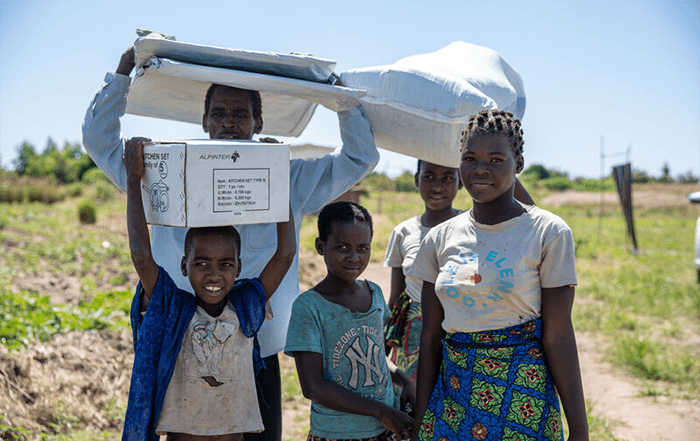
The heading image captures a family in Malawi holding shelter aid.
Give a Global Gift Today