Kassaye’s Story: Restoring a Sense of Home in Ethiopia
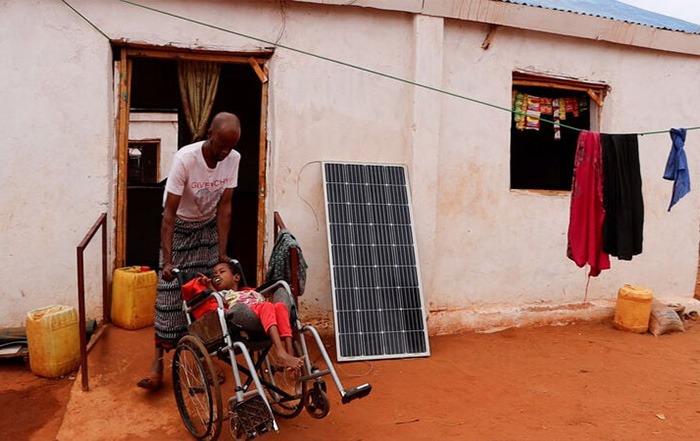
Displaced by conflict in Ethiopia, Kassaye is rebuilding his life. Read his story and learn how ShelterBox is supporting families.
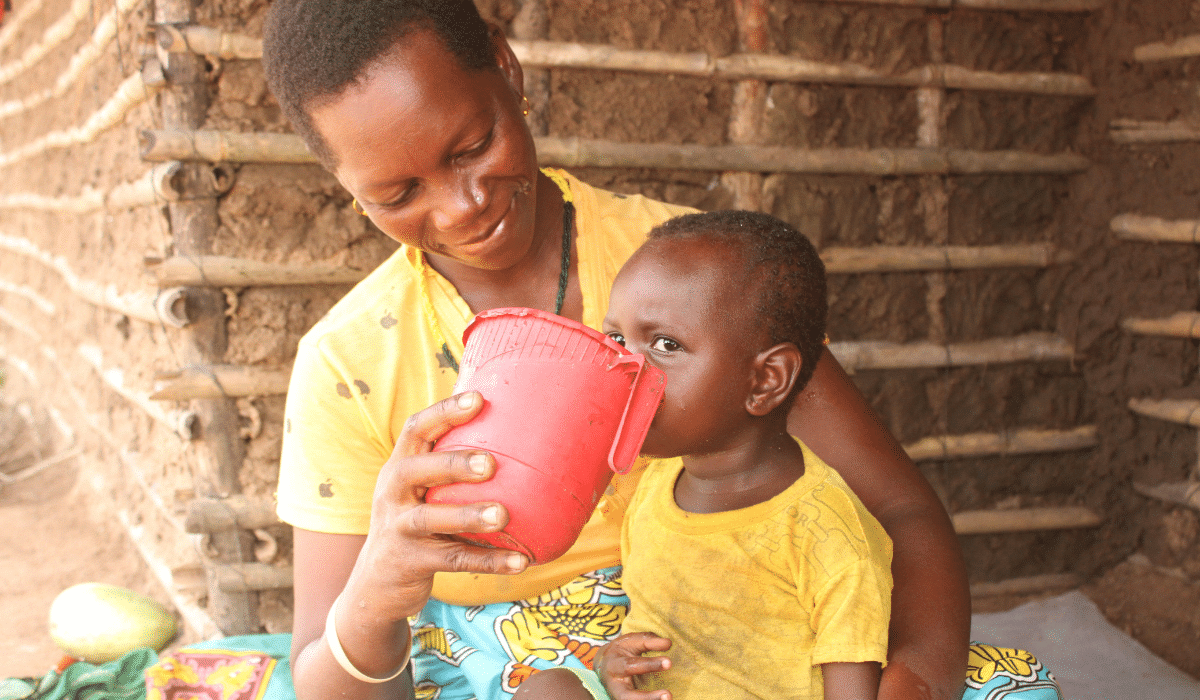

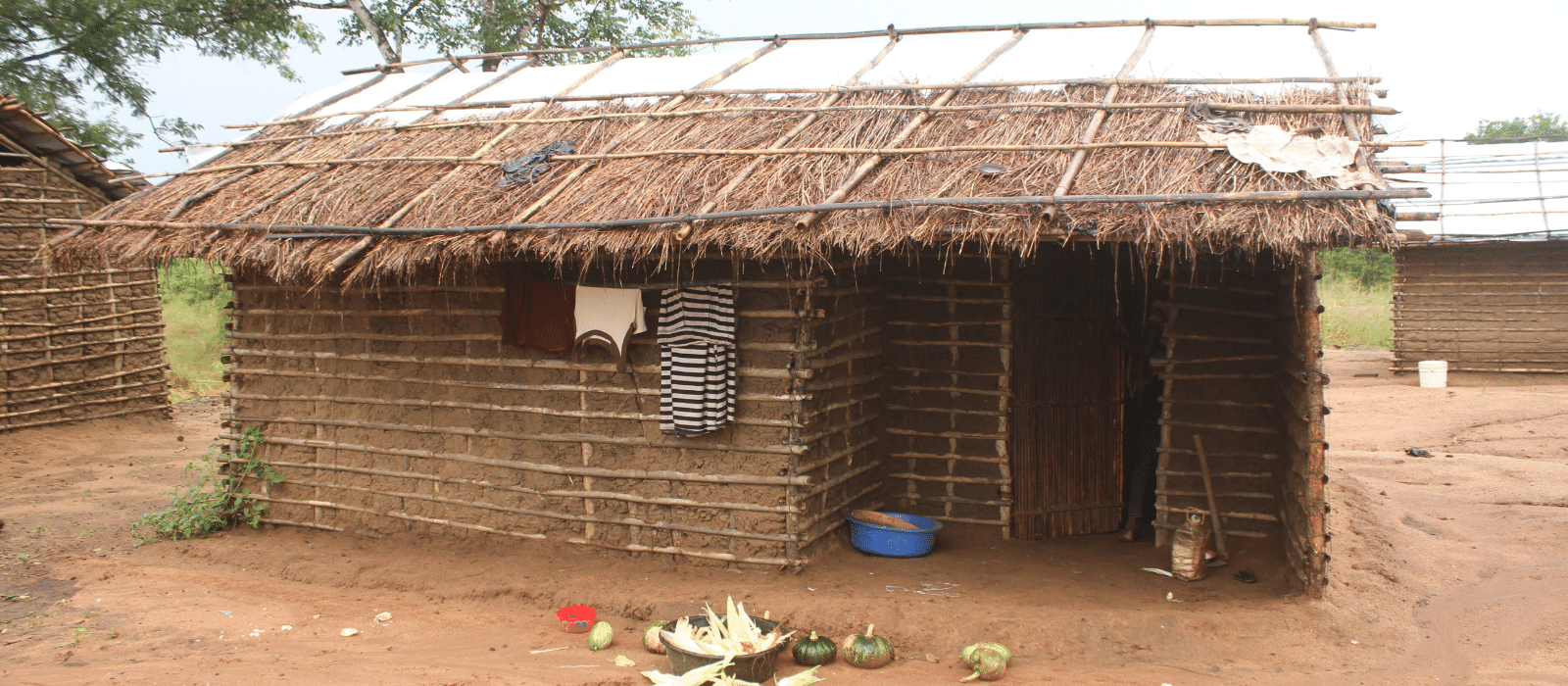
Mozambique is facing one of the world’s fastest-growing displacement crises, driven by conflict, poverty and climate disasters. Attacks in Cabo Delgado since 2017 have displaced more than one million people, many of them multiple times.
One of those people is Halima, a 25-year-old mother of four. In late 2024, escalating conflict forced her family to flee their home in Meluco District, Cabo Delgado. Like thousands of other families, she was forced to abandon her home and belongings to seek safety.
“When the attacks became worse, we had no choice but to run,” she said. “I carried my children and went into the bush with other members of the community. I only wanted to save their lives.”
The journey to safety in Quissanga District was long and dangerous.
At one point, exhausted and carrying two of her children, Halima faced an impossible choice. While searching for a safer route, she temporarily left her other two children behind in the bush.
“I told them to stay where they were and that I would come back for them,” she explained. “When I finally returned and found them safe, it was a huge relief. I thought I might have lost them forever.”
For Halima, it was one of the most difficult moments of her life.
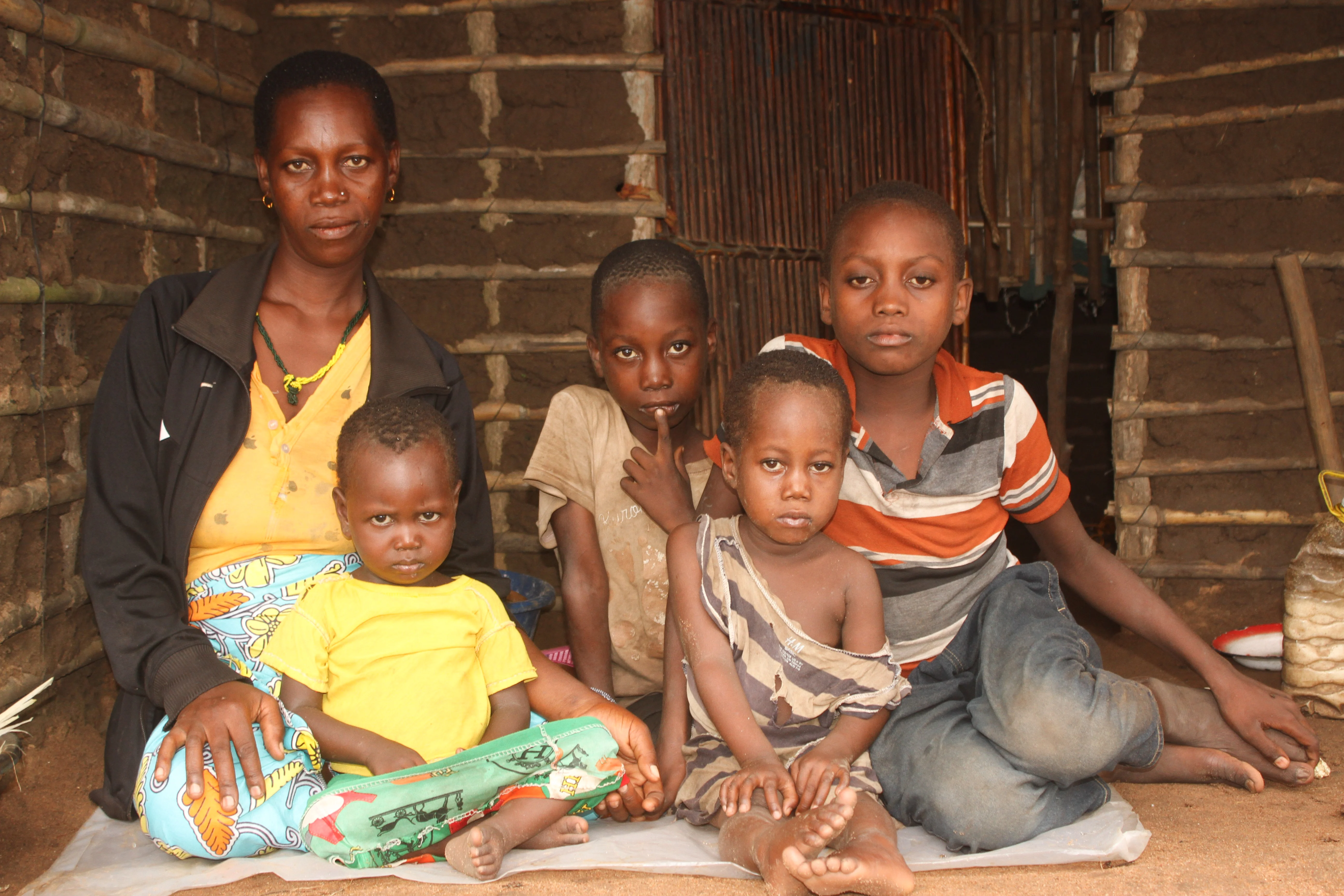
After arriving in Maua, Halima and her children initially stayed with host families.
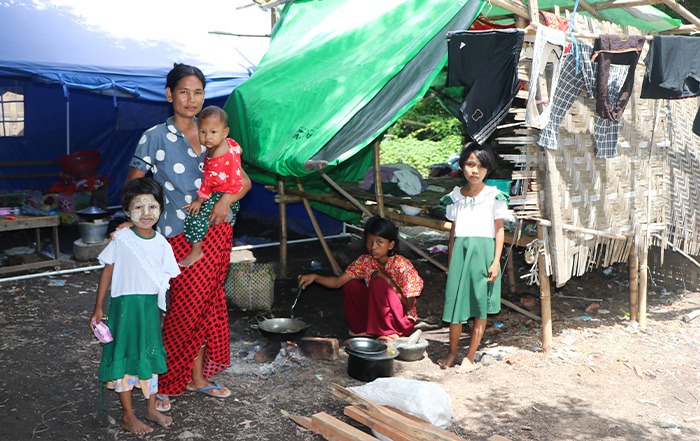
But as more and more displaced people arrived, shelter became scarce. Eventually, the family had nowhere to stay and began sleeping outside.
“We slept under trees,” Halima remembered. “When it rained, we had nowhere to go. My children were often sick with fever, diarrhoea and sometimes cholera.”
Without a safe place to live, daily life became increasingly difficult.
Finding clean water was another challenge. Before a water point was installed in the community, Halima walked for around an hour to the Montepuez River. She made the journey three times a day, carrying 20-litre containers each time.
“We had no other choice. We needed water to drink and cook,” she explained.
The river was dangerous. Reports of crocodile attacks were increasing, and local authorities eventually advised people to stop collecting water there.
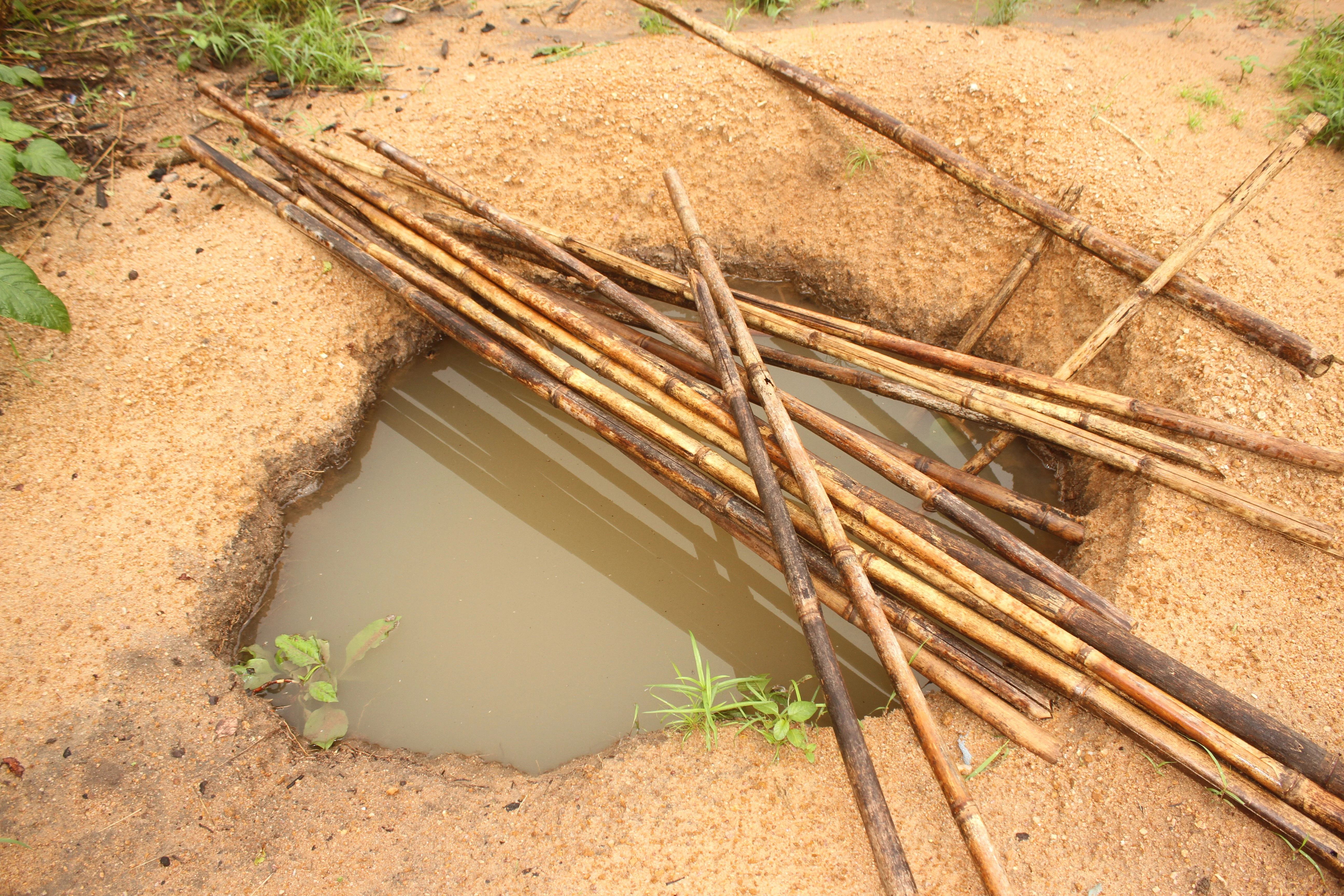
With no alternative source available, Halima dug a small pit near her shelter and collected water from there instead.
“The water was not clean, but it was the only water we had.”
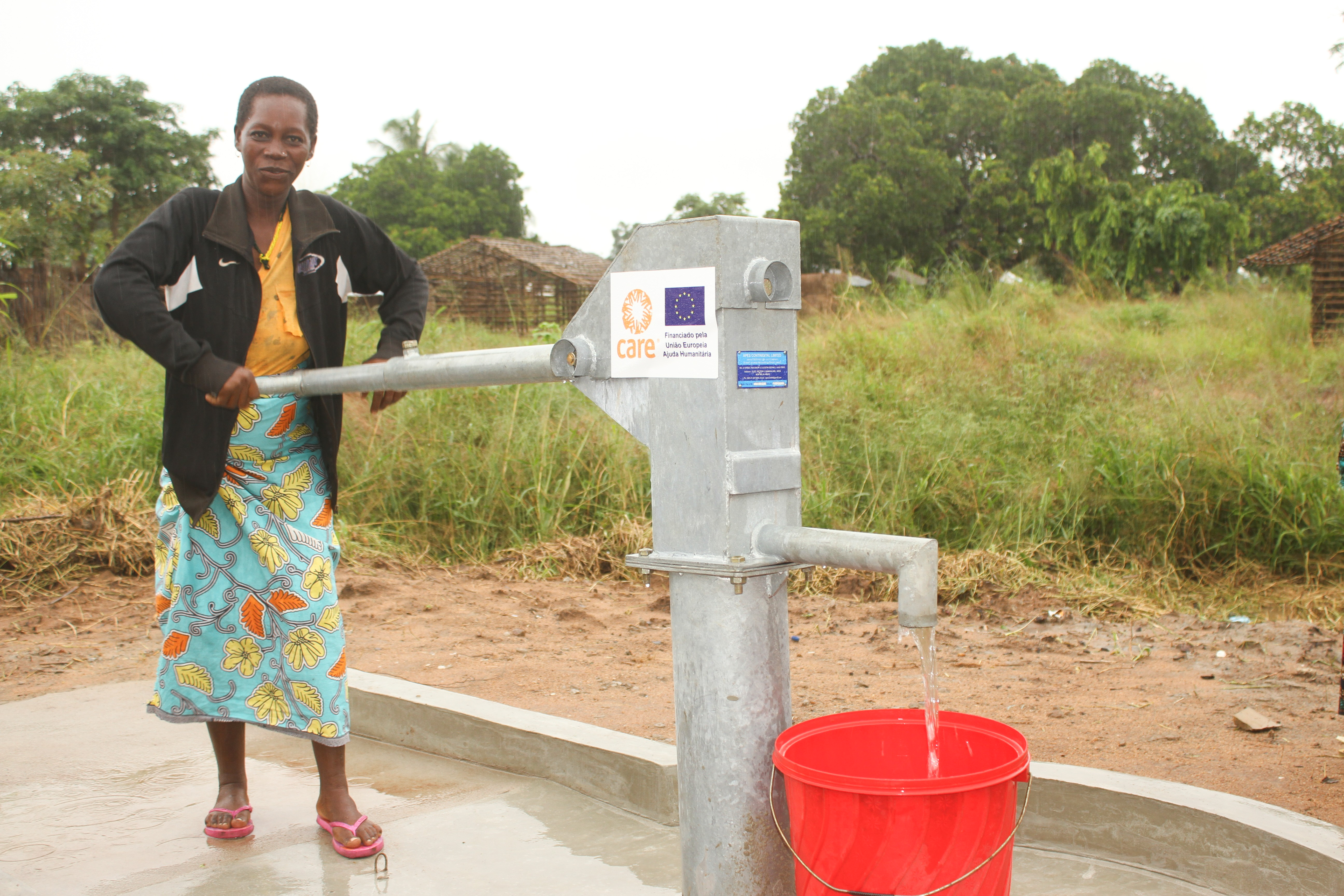
In December 2025, an ECHO-funded project implemented by CARE Mozambique, with ShelterBox support, began working in the Maua community.
As part of the project, 130 transitional shelters were constructed for displaced families and a community water point was installed to provide safe drinking water.
The wider consortium included CARE Mozambique, ShelterBox, Save the Children and Norwegian People’s Aid, combining expertise in emergency shelter, water, sanitation and protection.
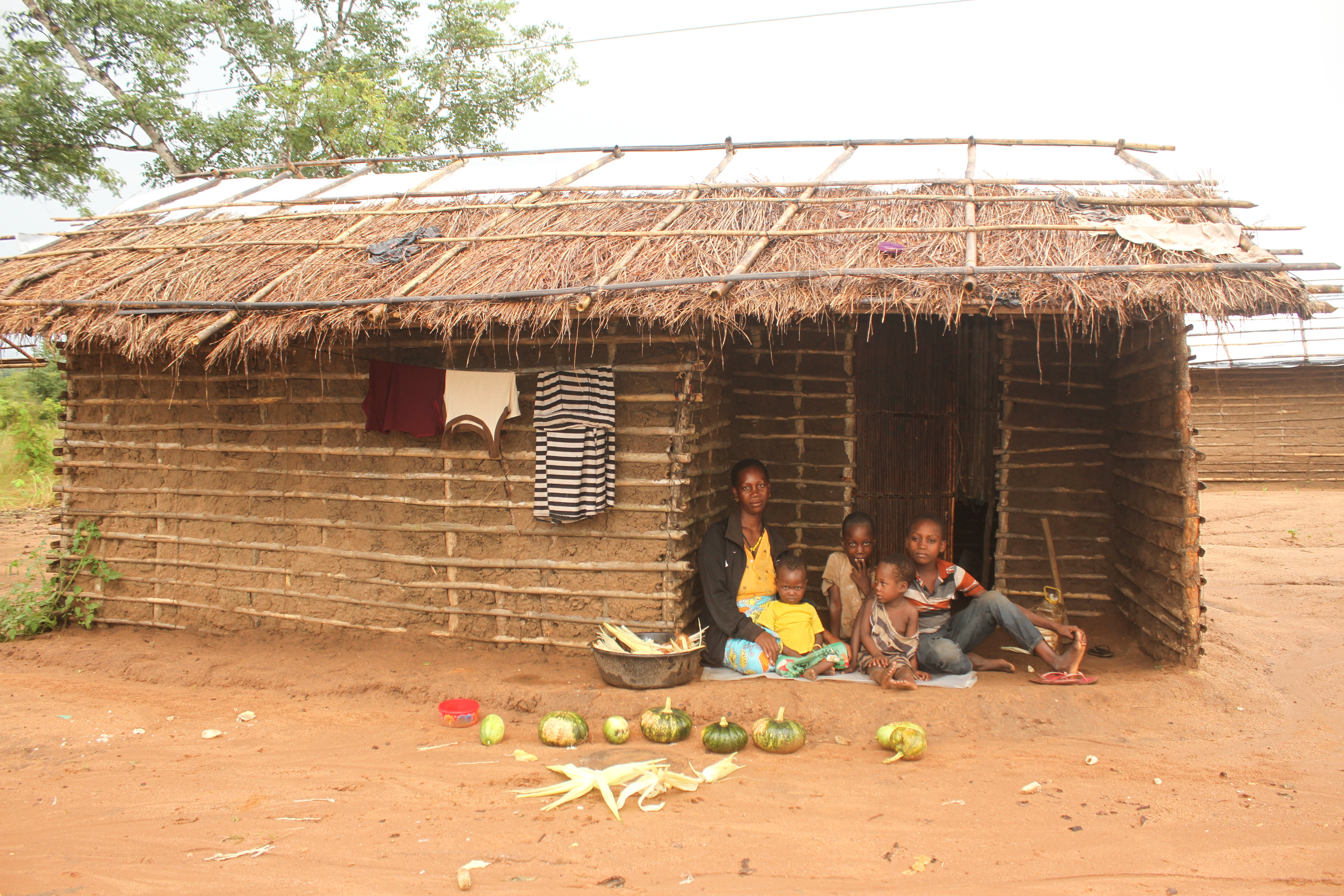
For Halima, the impact was immediate.
Now my children have a safe place to sleep. Having a house and clean water has changed our lives. I can cook, wash and take care of my family with dignity.
The new water source has reduced both the time and risk involved in collecting water. Families no longer need to walk long distances or rely on unsafe sources.
The shelter has also given Halima and her children protection from harsh weather and improved their living conditions.
Although life has improved, challenges remain.
Recently, heavy rain destroyed Halima’s crops, leaving the family with limited food supplies. Despite this setback, she remains hopeful.
I am very grateful for the support we received. There are still many people suffering, and I hope more families can also be helped.
Halima’s focus remains firmly on her children’s future.
My biggest dream is to see my children grow up healthy and go to school… We hope that one day the violence will end so we can live in peace again.
For Halima, shelter and clean water have provided more than practical support. They have given her family a foundation from which to look ahead with hope.
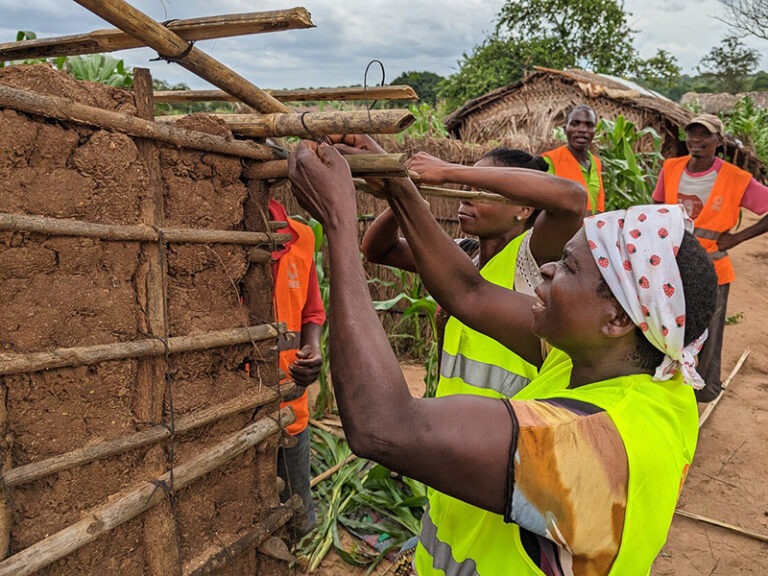
Conflict in Cabo Delgado has forced more than one million people from their homes, with many families displaced multiple times. At the same time, severe weather including Tropical Cyclones Chido, Dikeledi and Jude has damaged homes and livelihoods, making recovery even more difficult.
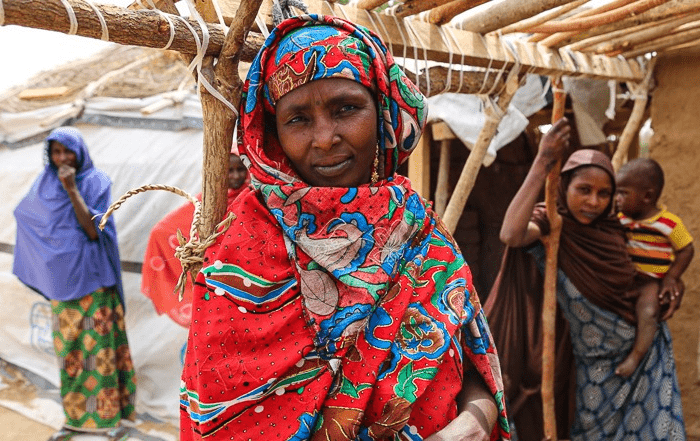
Many displaced families continue to face urgent needs for shelter, clean water and other essentials as they work to rebuild their lives.
Learn more about the conflict in Mozambique and how climate disasters are driving displacement.