Ethiopia crisis explained
Conflict, climate change, and economic instability have left over 21 million people in need of humanitarian aid – more than half are women and girls.
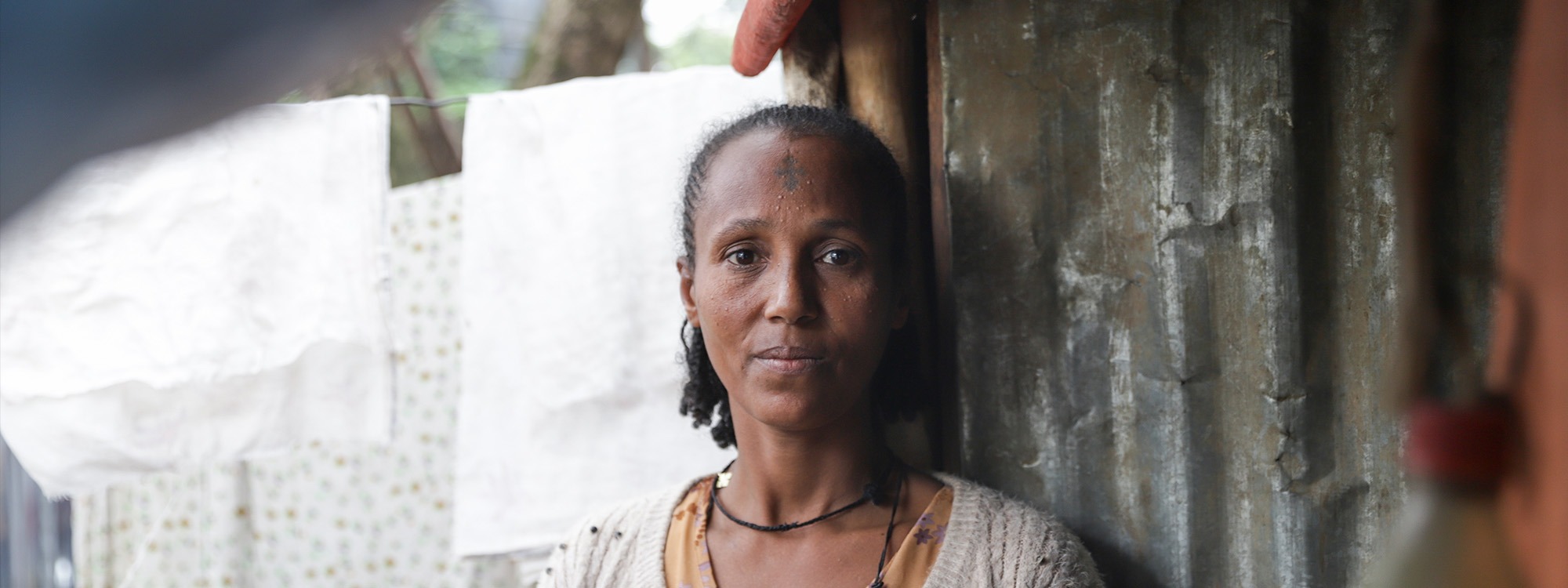
Before conflict reached their village in western Ethiopia, Shushay and her family lived a life shaped by work, community, a sense of home and holiday celebrations. Their home had three rooms and was built to support a growing family of six – now seven.
They farmed, traded daily, and kept livestock. Their children studied, played, and helped with the family’s work.
“Our living situation was good; we worked and ate. We traded daily – we had a good life.”
Holidays were also an important part of family life. Shushay remembers Lidet, (Christmas), as a time marked by warmth and gathering:
We used to celebrate holidays like Christmas (Lidet) well, we’d make popcorn and coffee.
Those memories stand in sharp contrast to the present.
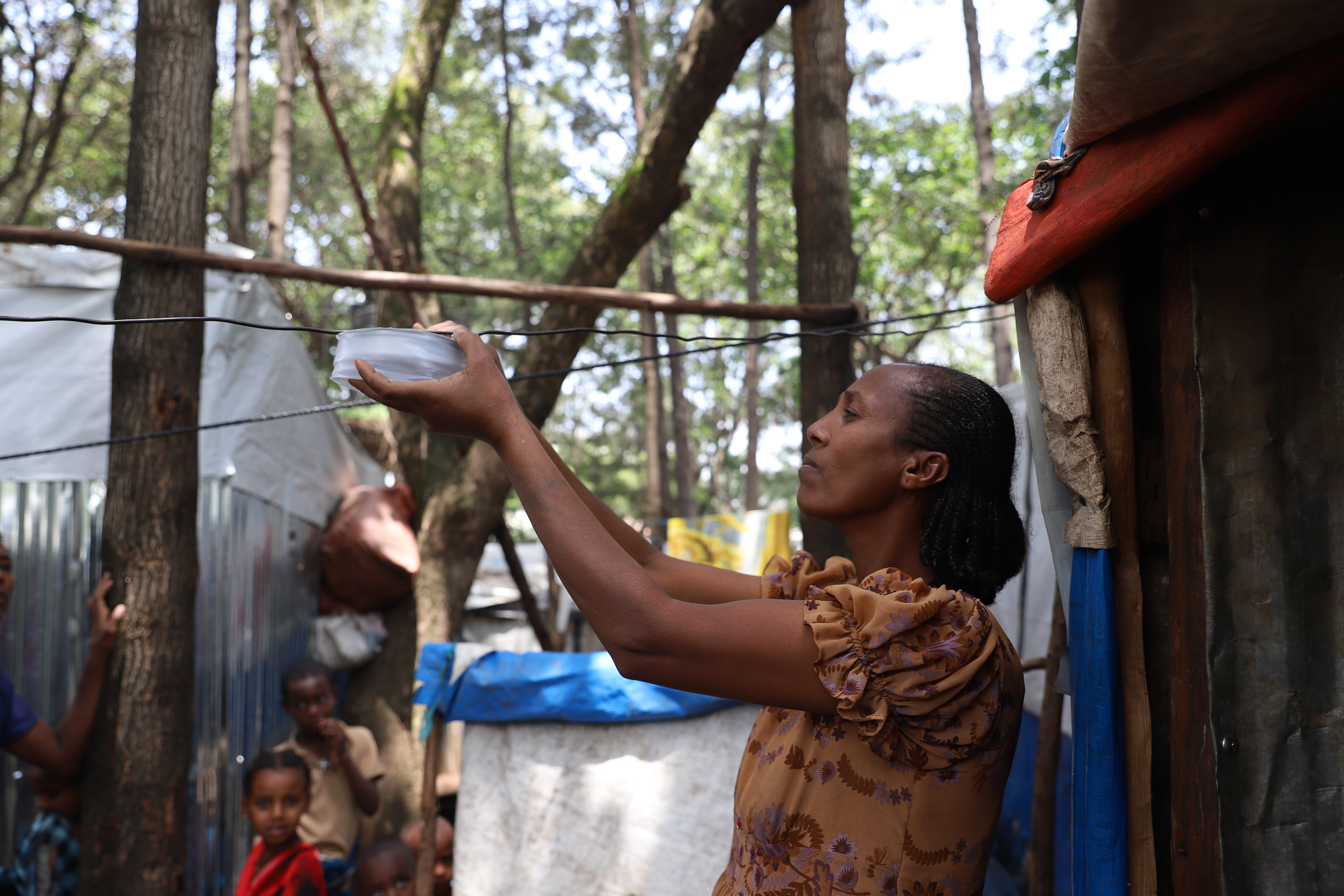

When armed conflict reached their area, everything changed. There was no warning and no time to prepare.
“When the enemy entered, we fled. Those who escaped, escaped; those who died, died.”
The family travelled on foot, often running, often hiding – for almost a month.
“We walked over corpses. We were lucky to escape.”
Their journey lasted almost a month, sleeping in the bush and moving quietly to avoid danger.
“We cut across the road, sleeping in the bush, hiding here and there, barely making it.”
Many people they knew did not survive.
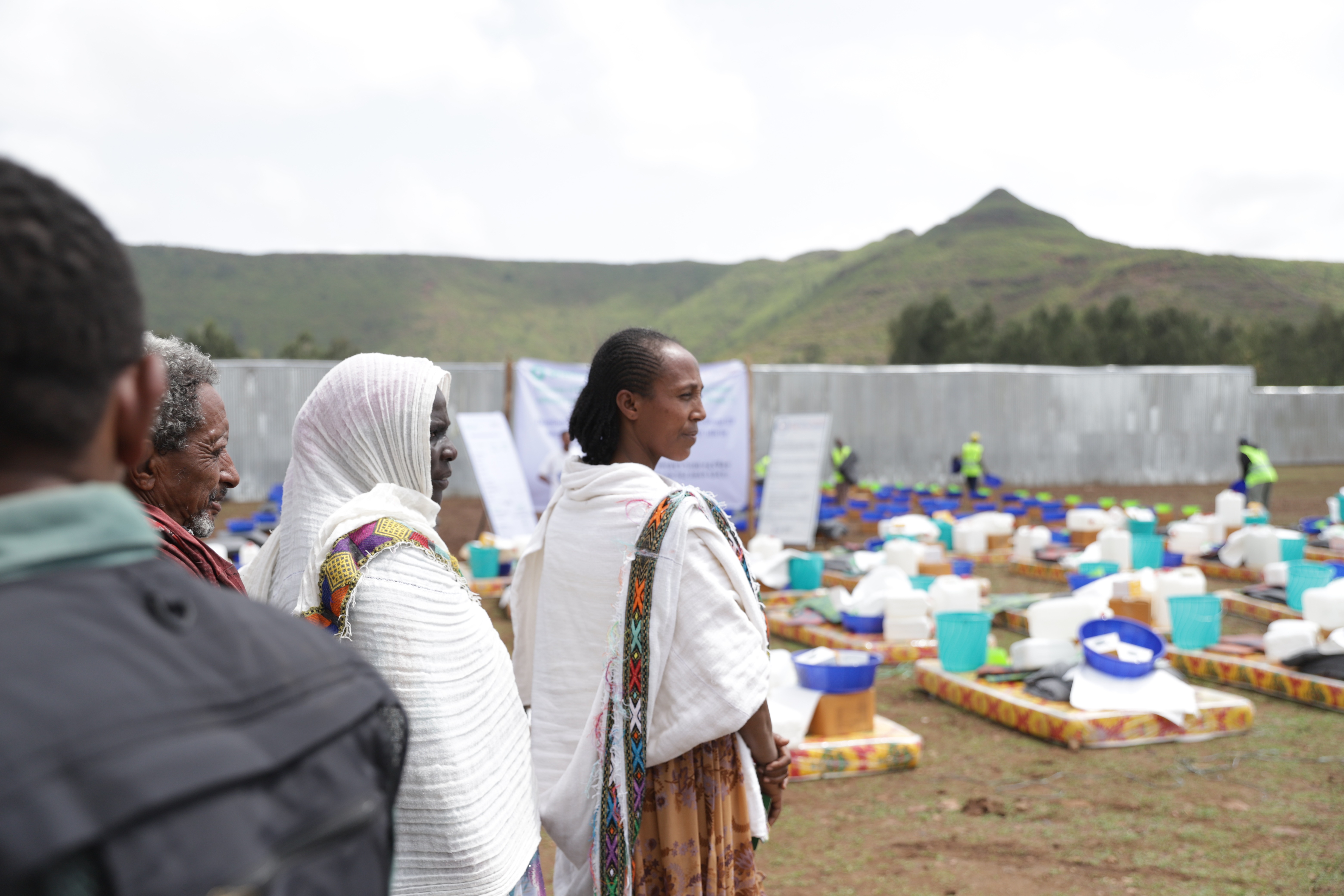
Reaching the Tsehay School displacement site brought safety, but not relief. Shushay estimates that around 6,000 people now live there. Families are crowded together – sometimes seven or eight families in a single room.
“Because they live in one room, there is illness. There is no medical care.”
Resources are stretched thin. Some families sleep outside on verandas because there is no space indoors.
“We have nowhere to sleep or cover ourselves. The cold, the sun, and the rain have been very hard on us.”
Children and older people are most affected. “Our children were sick and dying; the elders too. They eat once a day…There is no education. The children are not learning.”
Basic needs like water, toilets, sufficient food and safety remain critical concerns. “There is no water, no toilet. The people here lack everything.”
There are also no work opportunities available for people. Families spend most days waiting for food distributions and caring for their children.
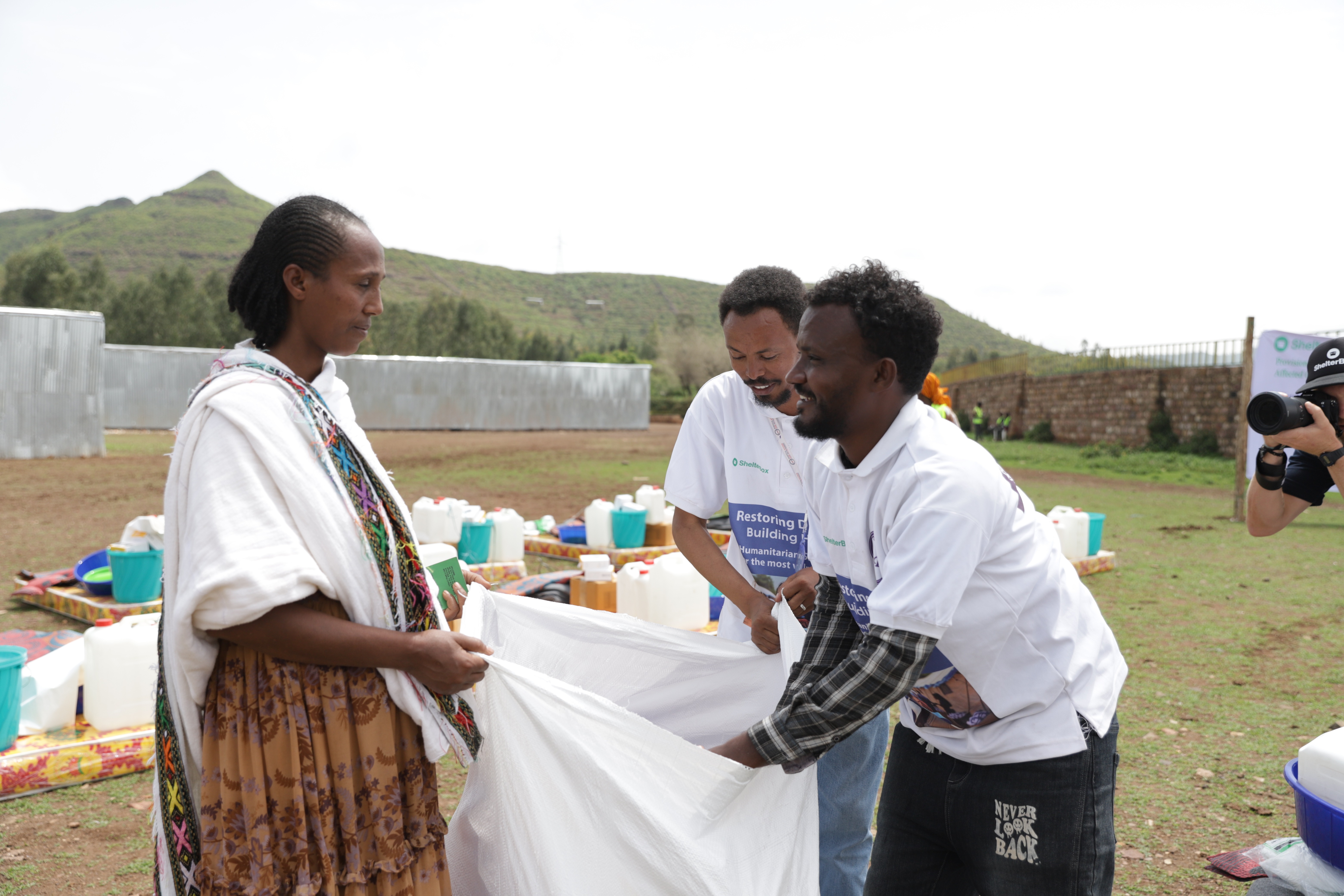
Donate nowWe provided essential household items to families like Shushay’s, to help support people as best as possible whilst at the displacement camp.
“If it is a jerrycan, we bring water in it. If it is a bucket, we wash our clothes and clean with it.” Shushay uses the items she received to help work and care for her children, but the support is not enough.
Shelter remains one of the most urgent needs. “When you give us things, we want to receive shelter… so we can take shelter and sleep protected.”
Essentials like soap, feminine hygiene products, proper and sufficient supplies of food and a safe, comfortable place to sleep are all critically needed at the displacement site for people to live day to day.
learn about our response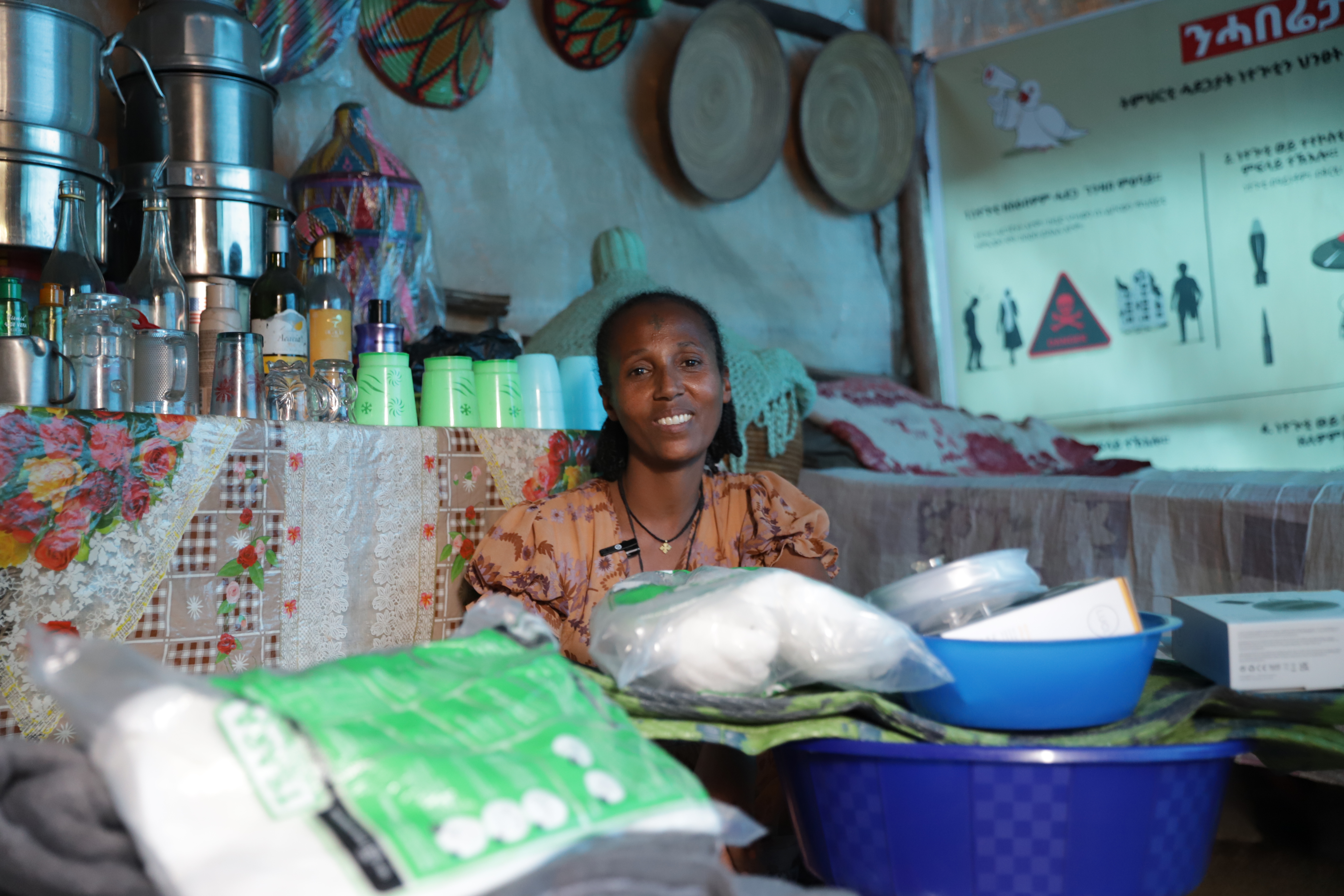
Like many displaced families, Shushay hopes to return home one day, “what we hope for in the future is to return to our homeland.”
She reflects on the home she had to leave behind: “What I remember is my property, my furniture, my television… Everything, including my bed. Everything is remembered.”
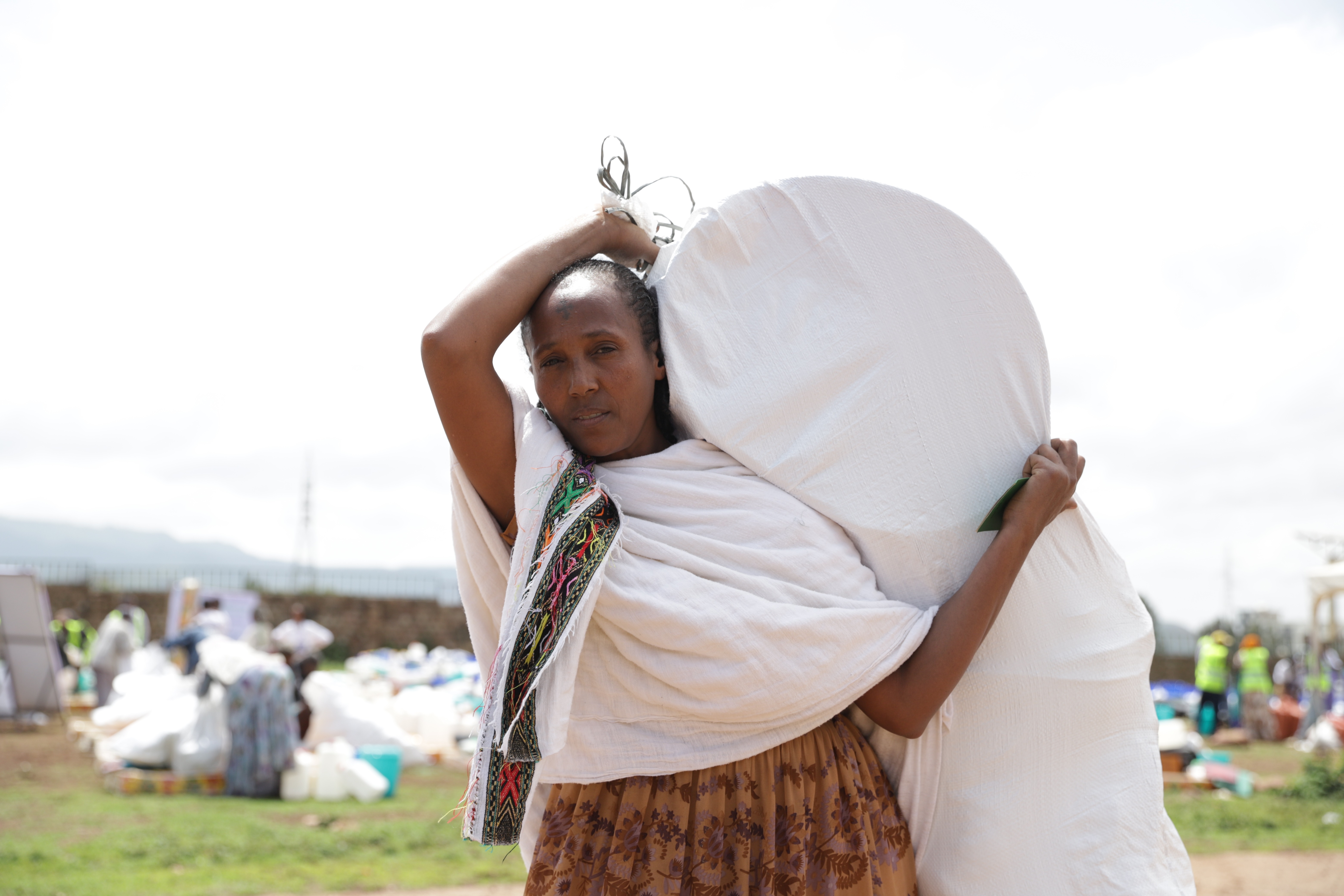
She describes what home means to her:
“A house means a place where you raise your children and take shelter. It means a place of sleep and growth for you and your children.”
Today, when holidays come around, the contrast with the past is stark:
Here, we don’t know Christmas; we don’t know the holidays. We spend them in the mud.
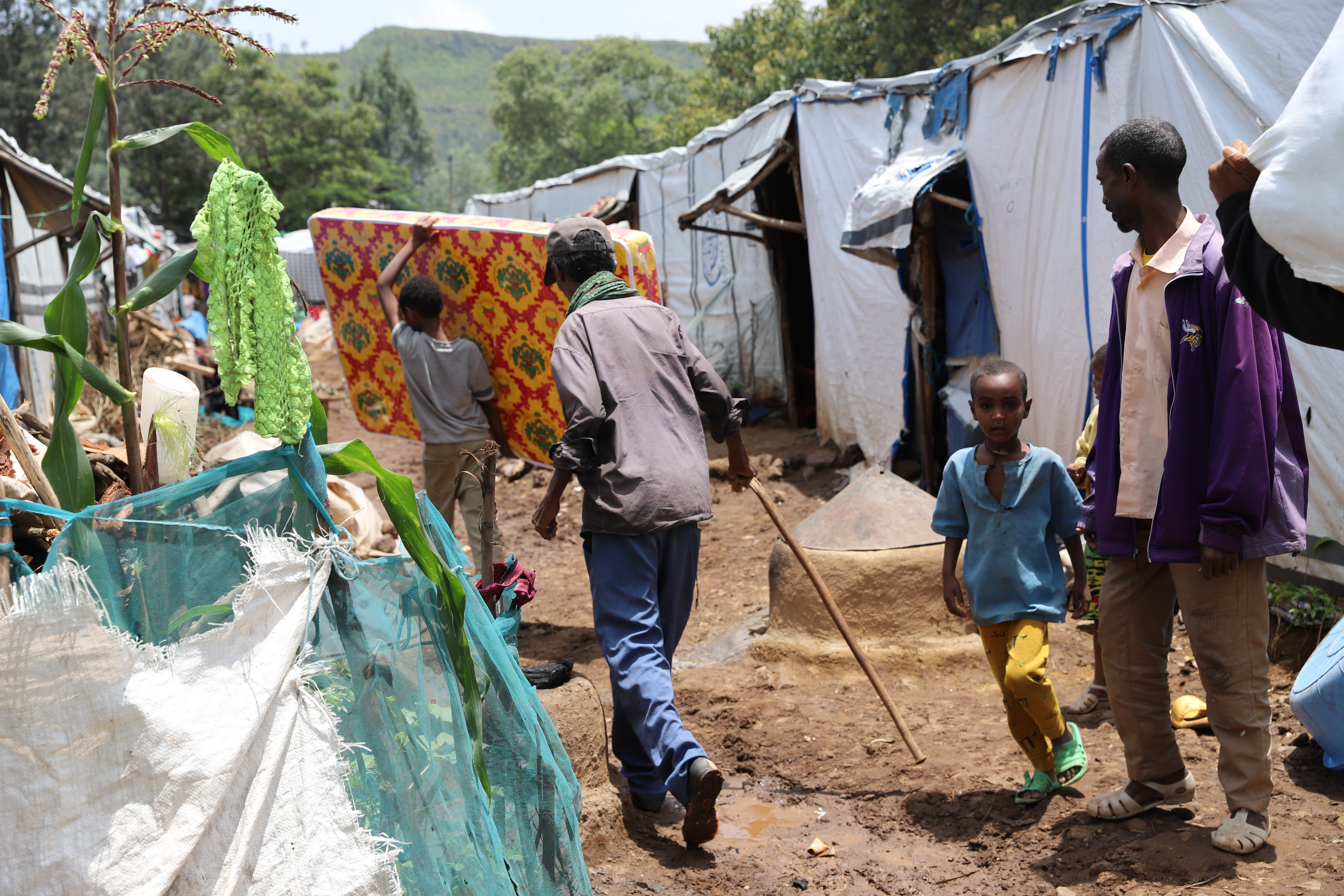
Families like Shushay’s urgently need safe shelter and essential household items.
Your support today can help provide tarpaulins, rope, kitchen sets, solar lights, blankets, sleeping mats, and mosquito nets – practical tools families use every single day as they face hardship far from home.
support families with a gift