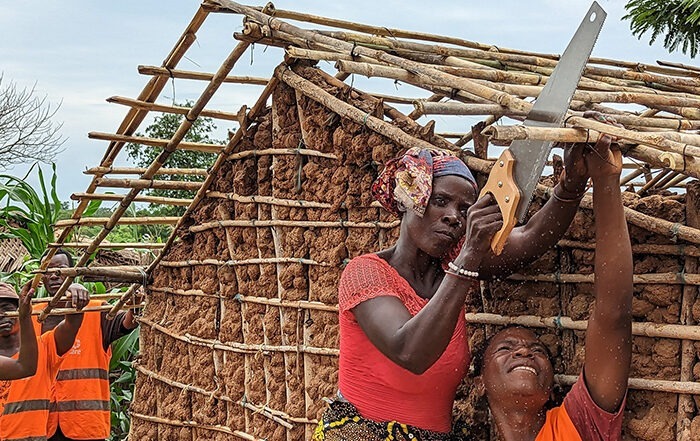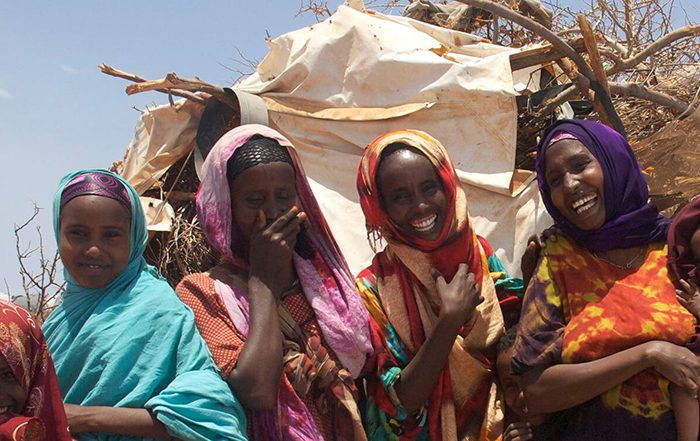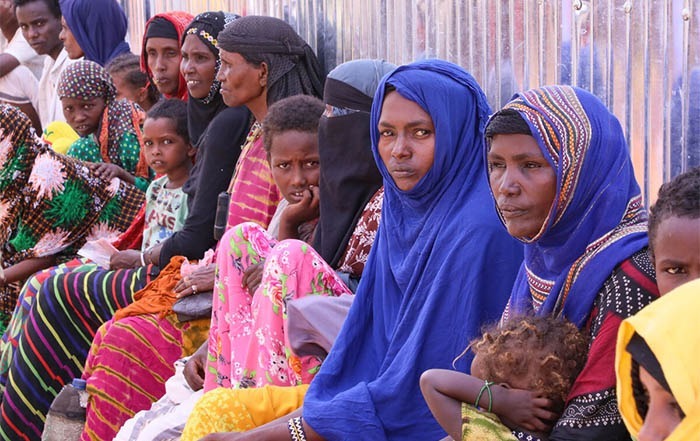
Every year, millions of people are displaced by conflict, persecution, and extreme weather. Yet many of the world’s most severe humanitarian crises receive little or no mainstream coverage.
How many headlines have you seen about the displacement crisis in Cameroon?
Did you know that in Ethiopia, conflict and climate shocks left millions of people needing shelter assistance in 2024?
Or that Mozambique is facing one of the world’s fastest growing displacement crises?
These are not small, isolated emergencies – they are major humanitarian crises that continue largely unseen.
Why some crises become “neglected”
A crisis becomes neglected when it stops receiving consistent political, media, or public attention. This rarely reflects a lack of urgency; instead, it reveals the way global priorities are shaped.
Emergencies that world powers have limited geopolitical interest in often slip quietly down international agendas. Without diplomatic pressure, efforts to resolve the root causes of conflict or displacement stall, and long-term support becomes harder to secure.
Media coverage plays a major role in shaping what the public sees. News outlets tend to focus on stories closer to home or those that fit neatly into short, fast-moving news cycles.
Crises that are geographically distant, complex to explain, or unfolding gradually over many years struggle to compete with more immediate political headlines. As the coverage shrinks, so does the sense of urgency – and humanitarian funding usually falls with it.
None of this is inevitable. Neglect happens when attention drifts. And attention can be refocused.
Why staying informed matters
Staying informed is not about absorbing every distressing headline or feeling obliged to follow every crisis at once. Instead, it can help create a clearer, more compassionate understanding of the world.
When people know what is happening, they can take part in democratic conversations with confidence, advocate for policies that align with their values, and push for accountability from leaders. Awareness also nurtures global solidarity. It shows that people experiencing crisis are not unseen, even when mainstream media looks away.
The digital media landscape makes this both easier and harder. Traditional journalism now sits alongside podcasts, reels, commentary threads, and entertainment-driven news. The boundaries between factual reporting and personal opinion can blur quickly.
Knowing how to navigate this landscape, and how to question what we consume, is increasingly important. Thoughtful news consumption means noticing who is telling the story, why it’s being told, and what perspectives might be missing.
How to stay informed – without feeling overwhelmed
Remaining engaged with global issues doesn’t have to be exhausting. One of the most meaningful steps is to widen the sources you rely on. Independent reporters, regional journalists, and local community organizations often provide rich context and sustained coverage that larger outlets overlook. Their reporting brings depth and humanity to stories that rarely appear in daily news cycles.
Curating social media with intention can also help. Following people with lived experience, local experts, researchers, and humanitarian organisations can offer a more rounded, nuanced picture of what is happening on the ground. It can be equally valuable to follow accounts that highlight the culture, creativity, and everyday life of the regions you’re learning about. This helps counter the feeling that certain places are defined only by crisis.
Looking after your well-being is essential. Constant exposure to distressing news can lead to fatigue or withdrawal. It helps to set boundaries, take breaks, and consciously balance difficult stories with hopeful ones.
Why it still matters – even when crises feel far away
It’s common for people to ask why we should pay attention to crises happening on the other side of the world, especially when news already feels heavy. But distance does not diminish shared humanity.
The issues driving displacement, from climate shocks to conflict and political instability, are global in nature. They affect us all in interconnected ways. Understanding what others are facing can offer perspective, strengthen empathy, and foster a sense of connection rather than helplessness.
Staying informed can also shift how we participate in our own communities. It shapes the conversations we have, the votes we cast, the stories we share, and the actions we support.
Awareness is a quiet but powerful form of solidarity. It replaces detachment with understanding and makes crises harder to ignore.
Break the silence
Neglected crises remain neglected only when people stop looking. Your attention matters more than it may seem.
When the public pays attention, media follows. When media follows, political pressure grows. And when pressure grows, crises that once seemed invisible can no longer be dismissed.
Stay informed. Stay connected. And if you want to take a step further, join our newsletter and follow us on social media.
Together we can shine a light on crises the world too often overlooks – and stand alongside the communities living through them.
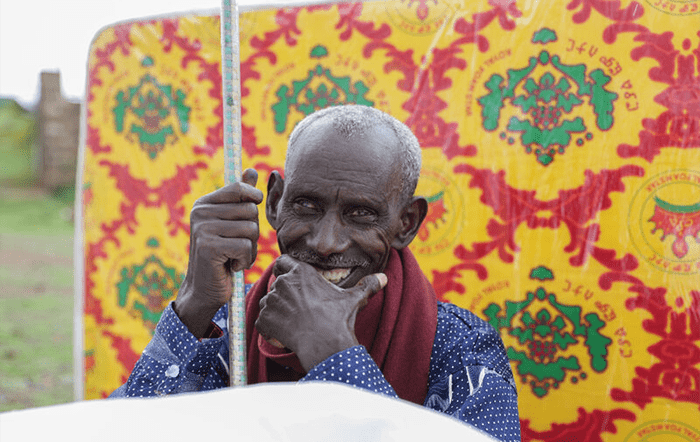
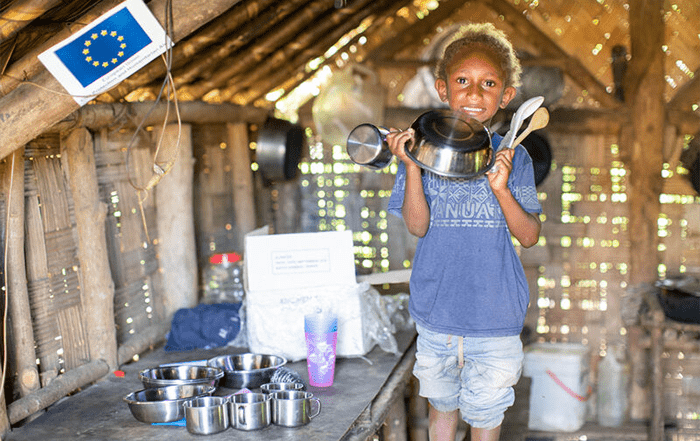
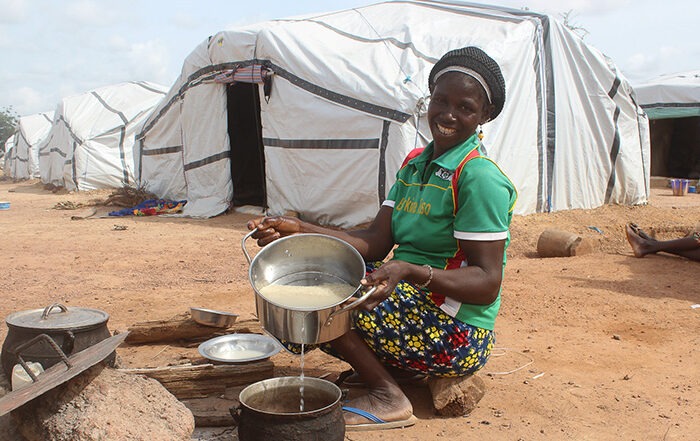
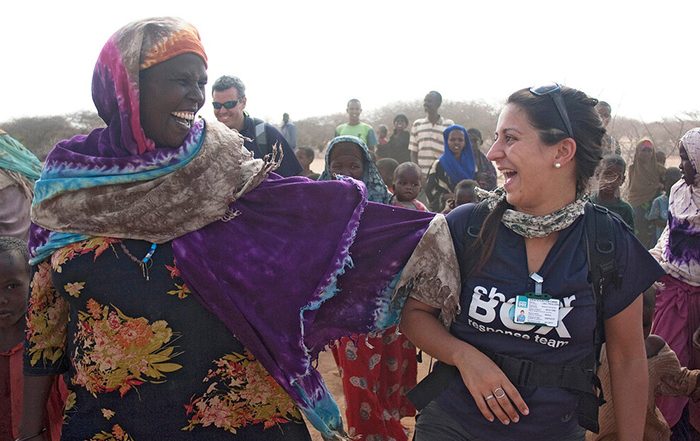
The heading image was captured during ShelterBox aid distributions in Ethiopia.