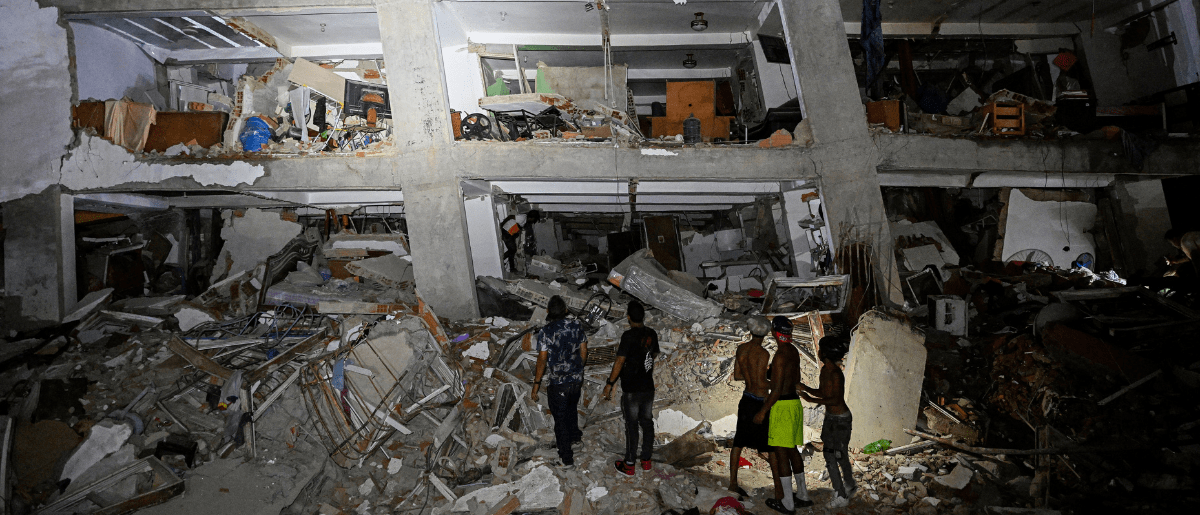
More than two weeks after the Venezuela earthquakes struck the country, communities are still coming to terms with the scale of the devastation.
The earthquakes, measuring 7.2 and 7.5 in magnitude, hit the state of Yaracuy on June 24th, causing widespread destruction across northern Venezuela. La Guaira remains one of the hardest-hit areas, with significant damage to homes, businesses and infrastructure.
As of July 12, at least 4,300 people have been killed and more than 16,700 injured. The earthquakes have affected an estimated 9.7 million people. Thousands of families remain displaced or too afraid to return home.
More than 1,200 aftershocks have been recorded since the disaster. Communities continue to face uncertainty, making recovery even more challenging. As search and rescue efforts continue, emergency shelter remains a critical need for thousands of people across the country.
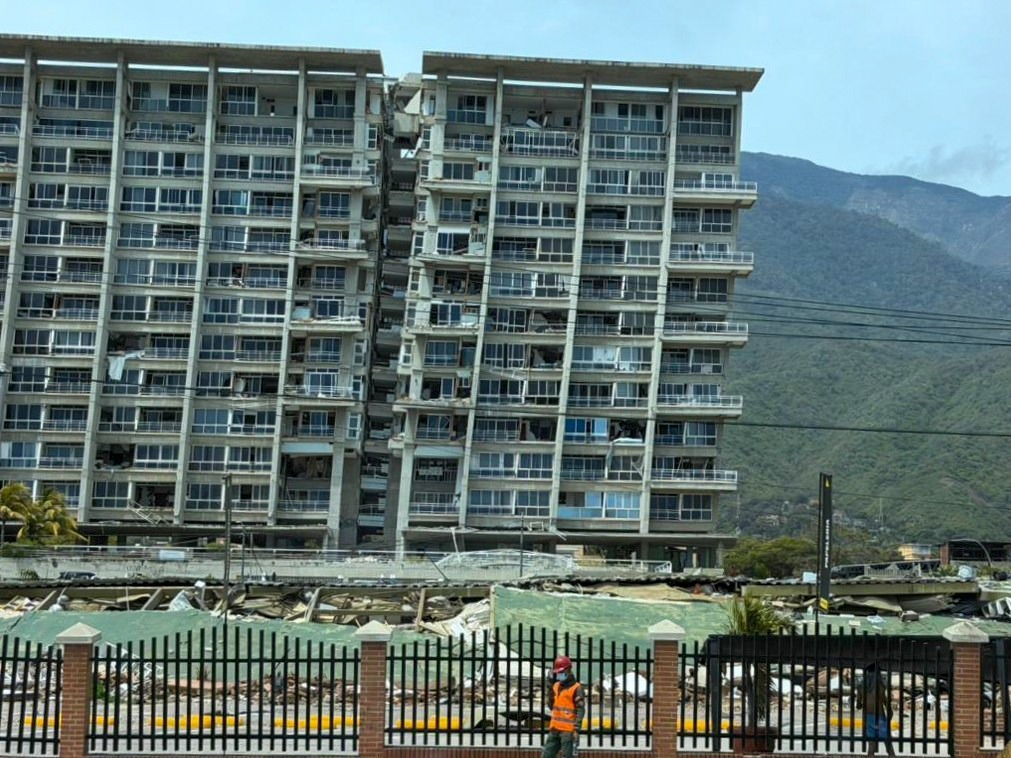
Witnessing the impact in La Guaira
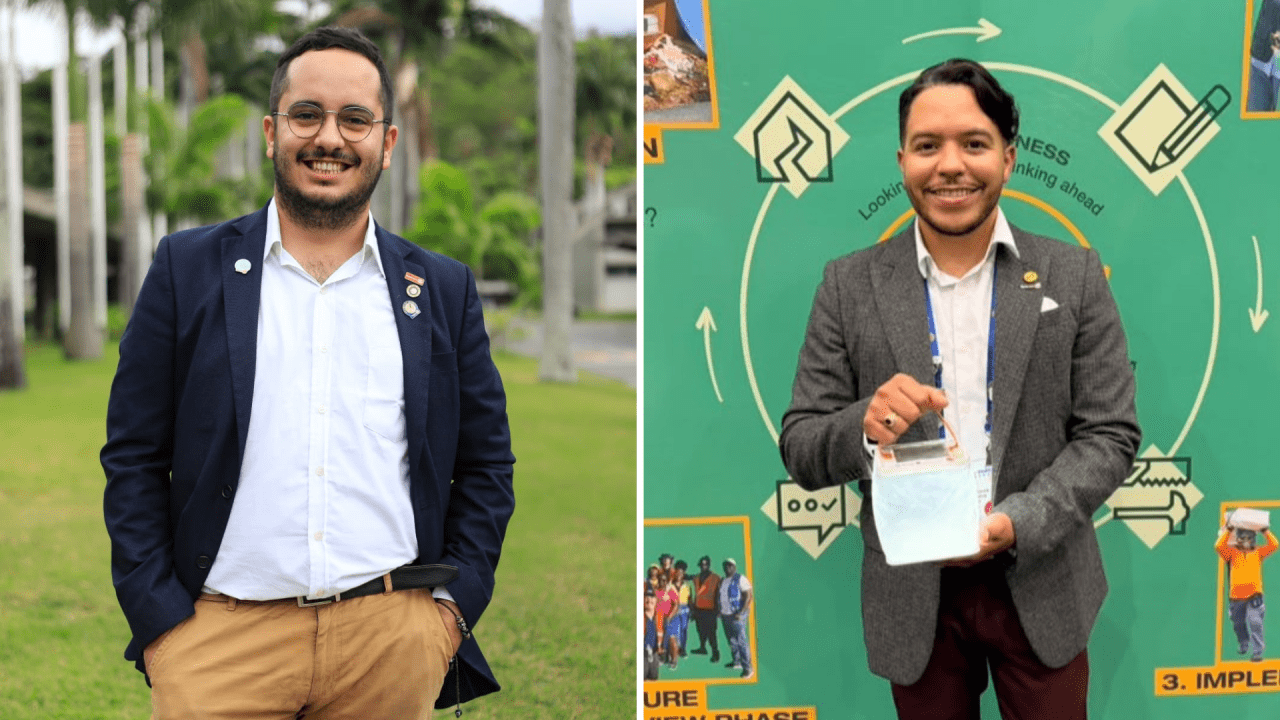
Rotaractor Miguel Dos Santos, from the Rotaract Club of Caracas, has been supporting relief efforts since the first hours after the earthquakes. Through his work in Venezuela, Miguel has seen first-hand how the earthquakes have affected communities across the country, particularly in La Guaira.
The twin earthquakes that struck Venezuela on June 24th changed the lives of the entire nation, especially those living in the central region.
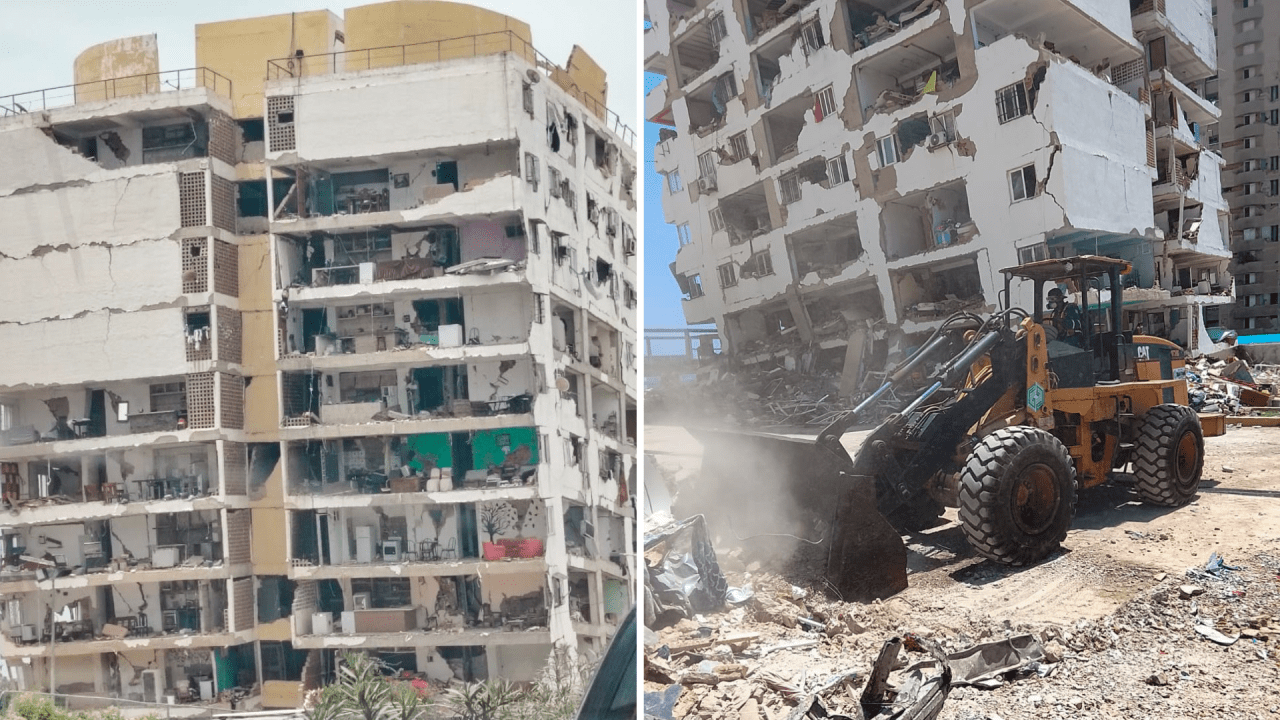
“My work has allowed me to witness the structural damage in the capital and throughout La Guaira, transforming what was once a vibrant tourist destination into an area devastated by catastrophe,” says Miguel.
At least seven states have been impacted by the earthquakes, but La Guaira remains the most severely affected. Families have lost loved ones, homes and livelihoods. Many continue to search for missing relatives.
“That hope continues to resonate throughout our society and is sustained by the immediate, ongoing and tireless efforts of rescue teams that remain on the ground, as well as civil society organizations – including ours – that continue to provide relief, assistance and support programmes for those affected.”
Working together to support communities
ShelterBox is working together with local contacts from Rotary in Venezuela, Cadena and other humanitarian actors, to assess the needs on the ground.
Rotary in Venezuela is providing local expertise, translation services and logistical support. They are supporting with access to affected communities to understand the scale of shelter needs. They are also supporting efforts to navigate customs processes and prepare for the delivery of humanitarian aid, as well as providing accommodation and transportation for ShelterBox team members.
Daniel Zavala, a ShelterBox local response volunteer and member of Rotaract San Joaquin, has been working with Rotary leaders and local contacts in Venezuela to support the response. ShelterBox first met Daniel through the Rotaract Europe Convention and reconnected with him at the Rotary International Convention in Taipei earlier this year. He explains why partnerships like these matter:
“Our collaboration with ShelterBox, Rotary Districts 4370 and 4380, and local contacts in Venezuela demonstrates the power of Rotary’s global network to respond in times of crisis.”
As a ShelterBox local response volunteer, I am working closely with Rotary leaders to secure the necessary documentation to bring emergency shelter, tents and essential relief equipment into the country.
“With thousands of lives lost and over 10,000 people left homeless, every partnership and every act of support brings hope to families affected by this devastating earthquake. Together, we are committed to delivering humanitarian assistance where it is needed most.”
A long recovery ahead
The Venezuelan Government has established temporary camps for displaced families. However, shelter needs remain significant. Humanitarian organizations have also raised concerns about growing health risks. Many people live in overcrowded accommodation or sleep outside without reliable access to clean water.
Even before the earthquakes, many people in Venezuela were already facing humanitarian challenges. The disaster has placed further pressure on families already struggling to cope.
Despite the scale of the destruction, communities, volunteers and emergency responders continue to work together to support those affected. Miguel explains:
The situation on the ground reveals a reality for which no one could ever be fully prepared. Yet it is a reality that calls on all of us to act in solidarity and provide meaningful support to the thousands of people whose lives have been devastated by this disaster.
ShelterBox teams continue to assess damage and identify the most urgent needs. Emergency shelter is a critical first step towards recovery for families who have lost their homes or fear returning to damaged buildings.
Read the latest updates on our Venezuela earthquake response page. If you would like to support communities affected by disaster, conflict and climate crisis, your donation can help provide emergency shelter and essential items when they are needed most.
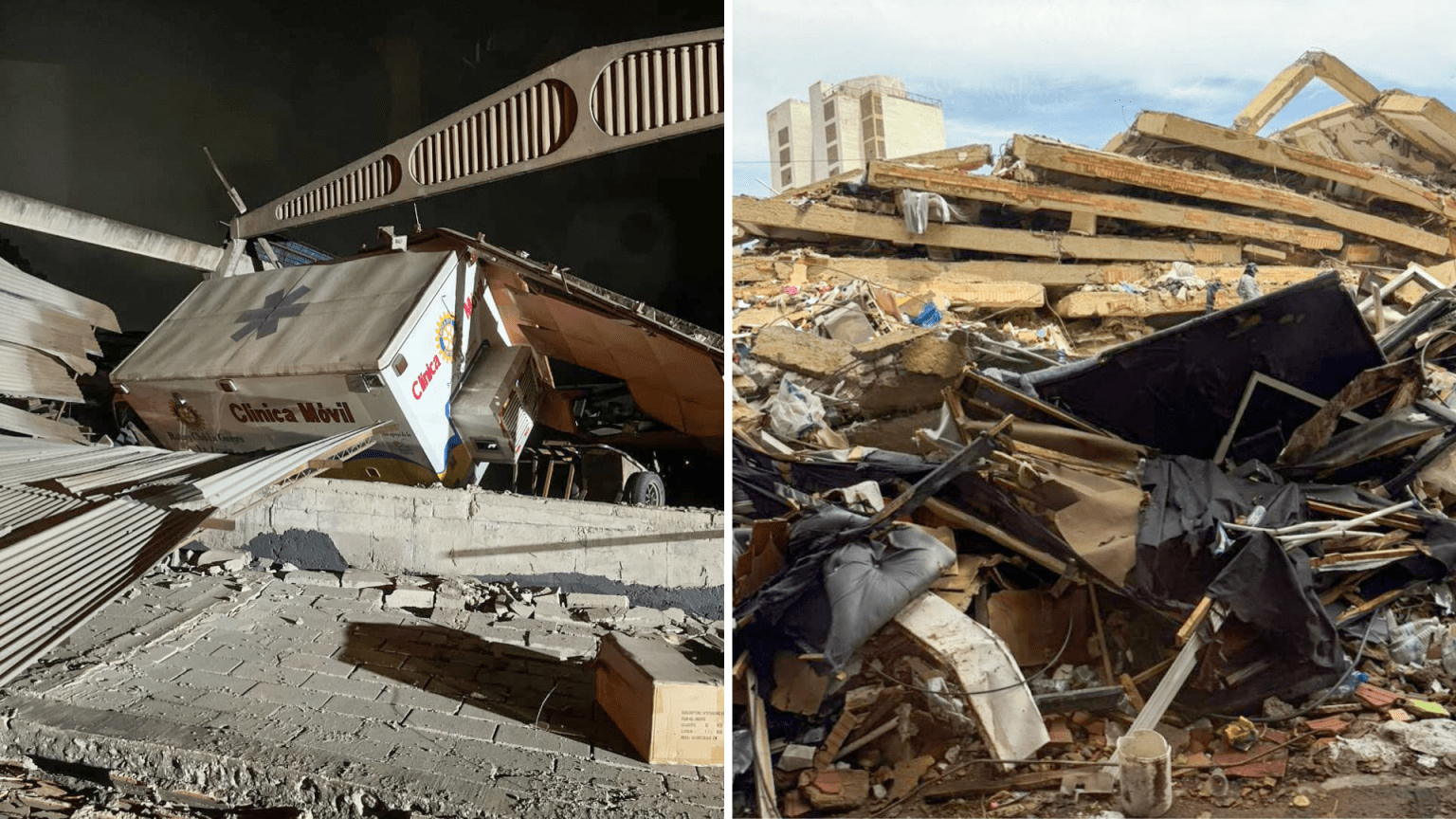
Banner image credit: Federico PARRA / AFP via Getty Images.