Ways to Give
There are many ways you can help ShelterBox bring emergency shelter to people that need it: donations, fundraising, joining our book club, and so much more!

Two powerful 7.2 and 7.5 magnitude earthquakes struck Venezuela on June 24, 2026. This was the most powerful earthquake sequence to hit the country in more than 125 years.
A magnitude 7.2 earthquake struck near San Felipe, the capital of the state of Yaracuy. Just 39 seconds later a magnitude 7.5 tremor struck near the town of Yumare, within 5 to 10km from the first one. The US Geological Survey (USGS) refer to this as a “doublet”.
At least seven states were affected. More than 9.7 million people have been affected by the earthquakes. As of July 2026, at least 5,500 people had lost their lives and more than 16,700 had been injured.
The earthquake epicentre was close to populated areas and strong ground shaking was felt across a wide region. More than 1,500 aftershocks were recorded in the weeks that followed, adding to safety concerns and disrupting recovery efforts.
The earthquakes caused extensive damage to homes, public buildings and transport networks across northern Venezuela.
Thousands of people remain displaced, with many families still living in temporary shelters, collective centres and informal settlements while longer-term housing solutions are developed.
The disaster struck against a backdrop of existing humanitarian need. More than a quarter of the population already required humanitarian assistance before the earthquakes, making recovery particularly challenging for many families.
Shelter remains one of the most urgent needs as communities work to rebuild their homes and livelihoods.
Donate Now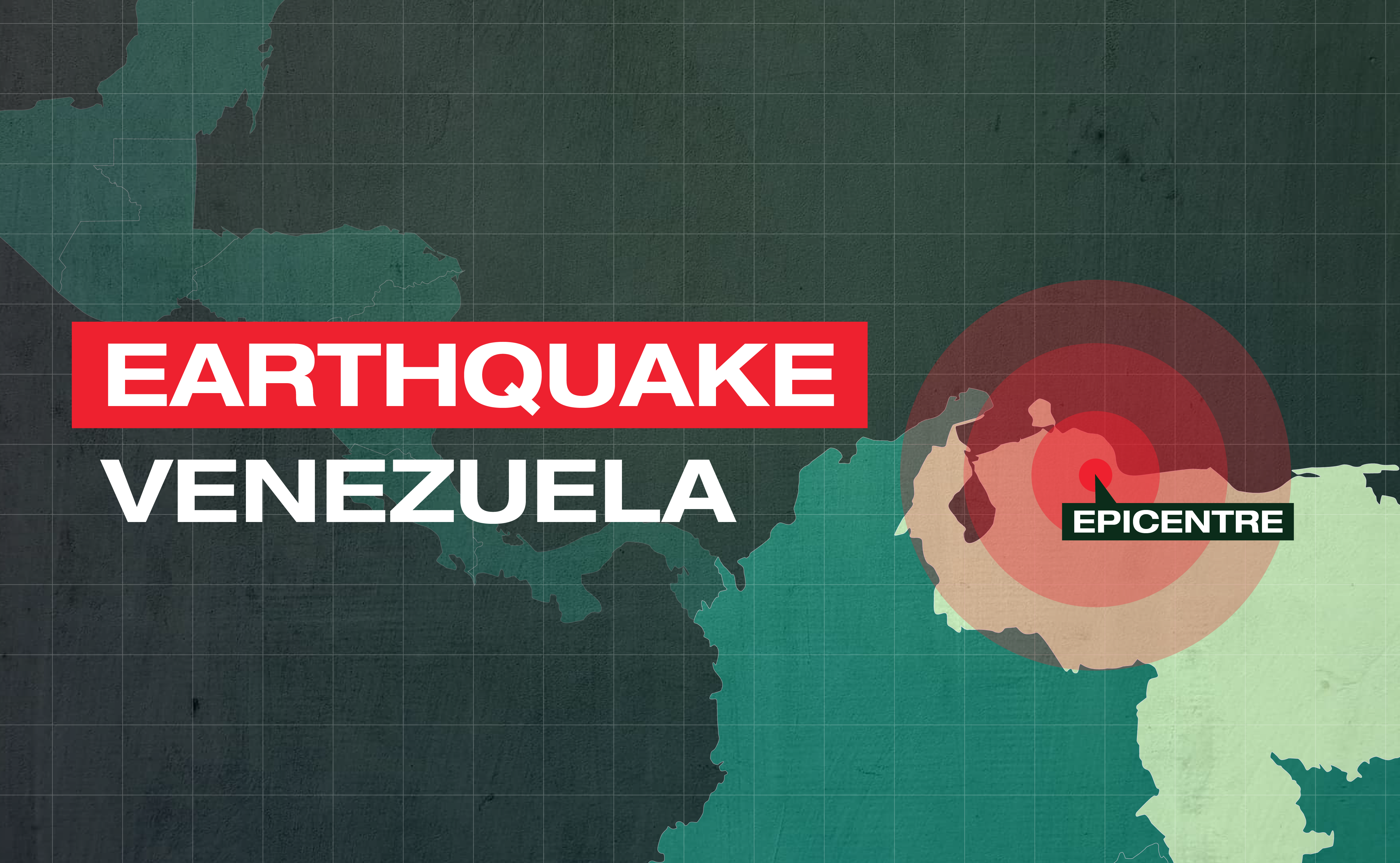
The earthquake epicentre was in Yaracuy state in northern Venezuela, near the cities of San Felipe and Yumare, around 300km west of Caracas. The inland location of the earthquakes, close to populated areas, meant strong ground shaking was felt across a wide region.
Around 770,000 people live within 50km of the epicentre and 4.4 million people live within 100km.
Venezuela sits along the boundary between the South American and Caribbean tectonic plates. While earthquakes can occur along this boundary, large events of this magnitude are relatively uncommon compared with countries along the Pacific Ring of Fire, such as Chile and Mexico.
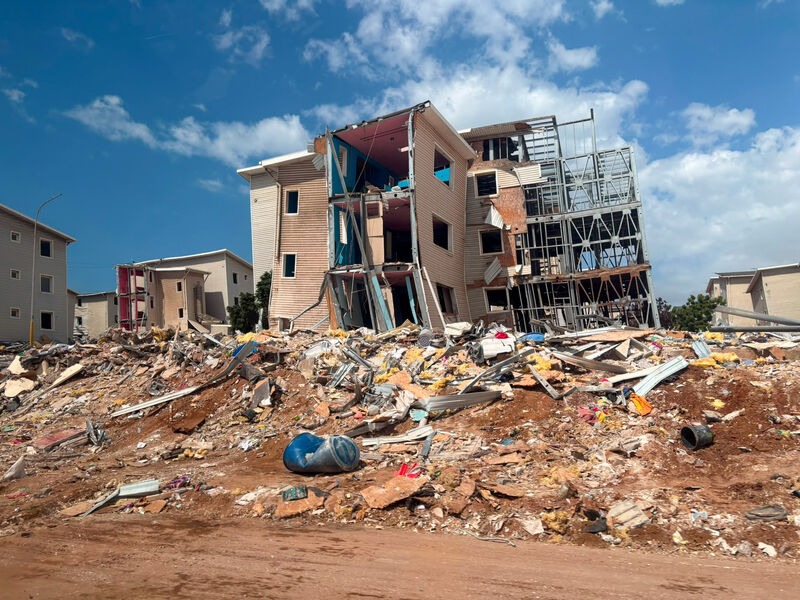
The June 2026 earthquakes were among the strongest recorded in Venezuela in more than a century. Their shallow depth increased the intensity of shaking and heightened the risk of damage, particularly in urban areas.
Although Venezuela has experienced destructive earthquakes before, including a magnitude 7.7 earthquake in 1812 that devastated Caracas, earthquakes of this scale remain rare.
Understanding where and how earthquakes happen helps explain why their impacts can vary so widely. In Venezuela, a combination of tectonic activity, ground conditions and population density contributed to the scale of the disaster.
Earthquakes explainedShelterBox is working with local partners to support families who have lost their homes in the earthquakes.
Our team has visited affected communities to understand people’s needs and identify how we can best support recovery efforts.
Teams reported widespread displacement, with many families living in schools, churches, stadiums and self-created sites alongside roads.
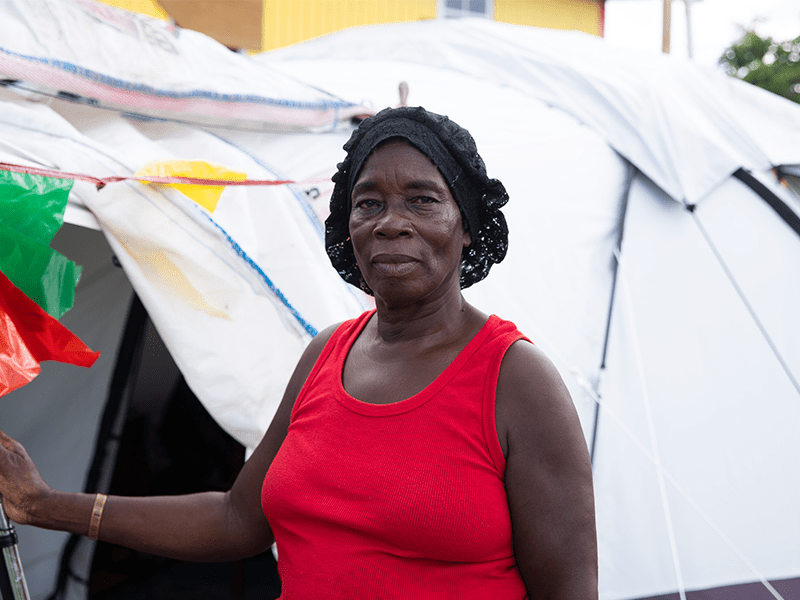
Shelter conditions remain a major concern. Many people are living in overcrowded temporary accommodation, small tents or under tarpaulins that are already deteriorating due to heavy rainfall. Emergency shelter remains one of the most urgent needs, alongside items that improve safety, privacy and dignity.
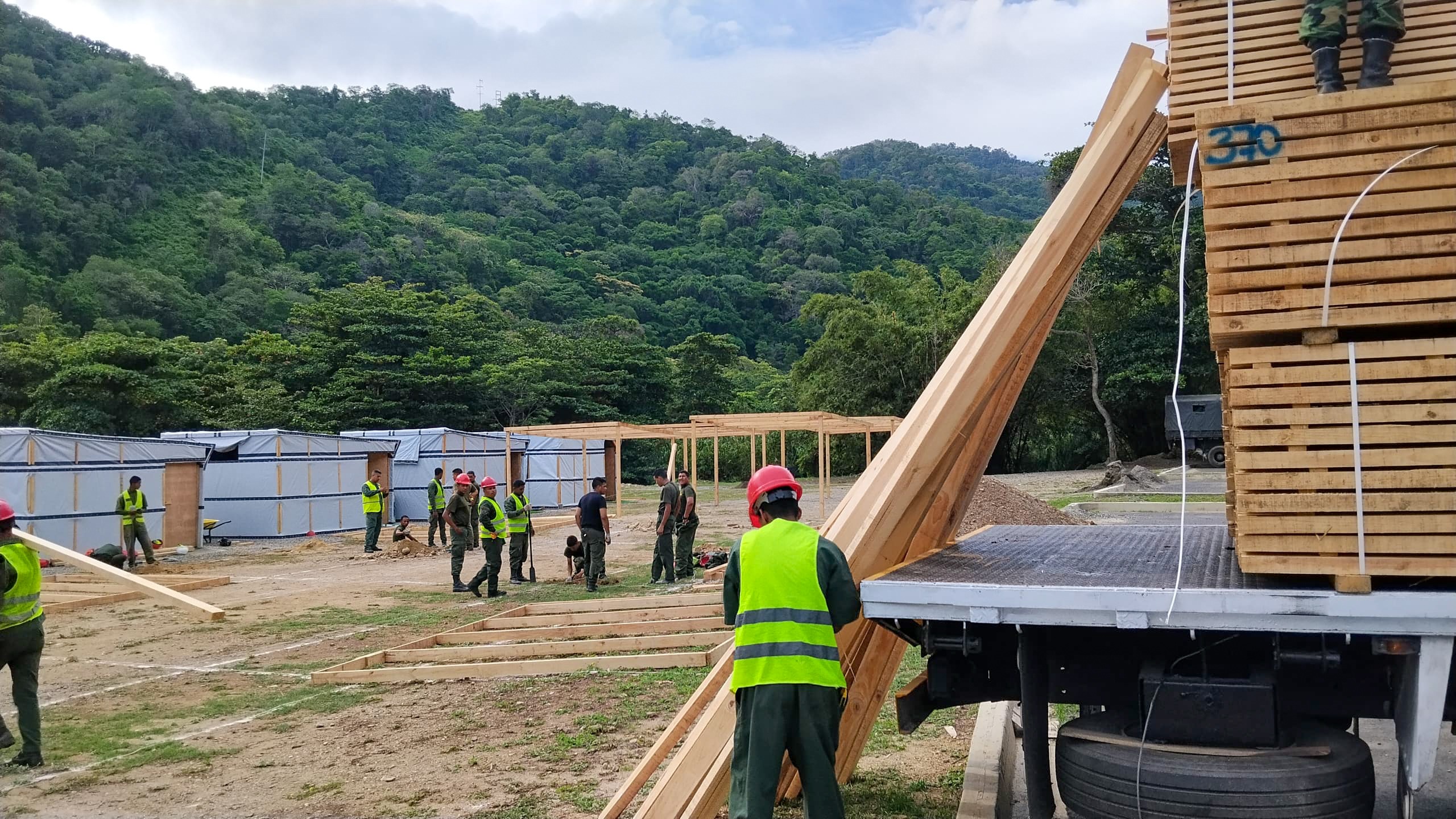
Our response aims to improve living conditions for people affected by the earthquakes. We have already supported families living in government-managed sites with 100 tents, solar lights and mosquito nets.
One of the biggest challenges is finding suitable locations for shelter support. In areas such as La Guaira, communities are concentrated along a narrow coastal strip between the mountains and the sea, limiting the number of suitable sites for shelter support.
With over a quarter of the population already in need of some form of humanitarian assistance before the earthquake, what we’re seeing is a crisis on top of a crisis. The already fragile socio-economic conditions mean we are very concerned about people’s ability to recover.
– Alice Jefferson, ShelterBox Head of Emergency Responses.
As the response evolves, the focus is shifting from immediate shelter support to longer-term recovery.
To support longer-term recovery, ShelterBox has developed shelter designs and construction guidance for use across transitional shelter sites. This approach has the potential to improve shelter standards beyond ShelterBox-supported communities.
Together, ShelterBox and Rotary hope to support more than 1,100 households with 650 shelters and essential household items.
Donate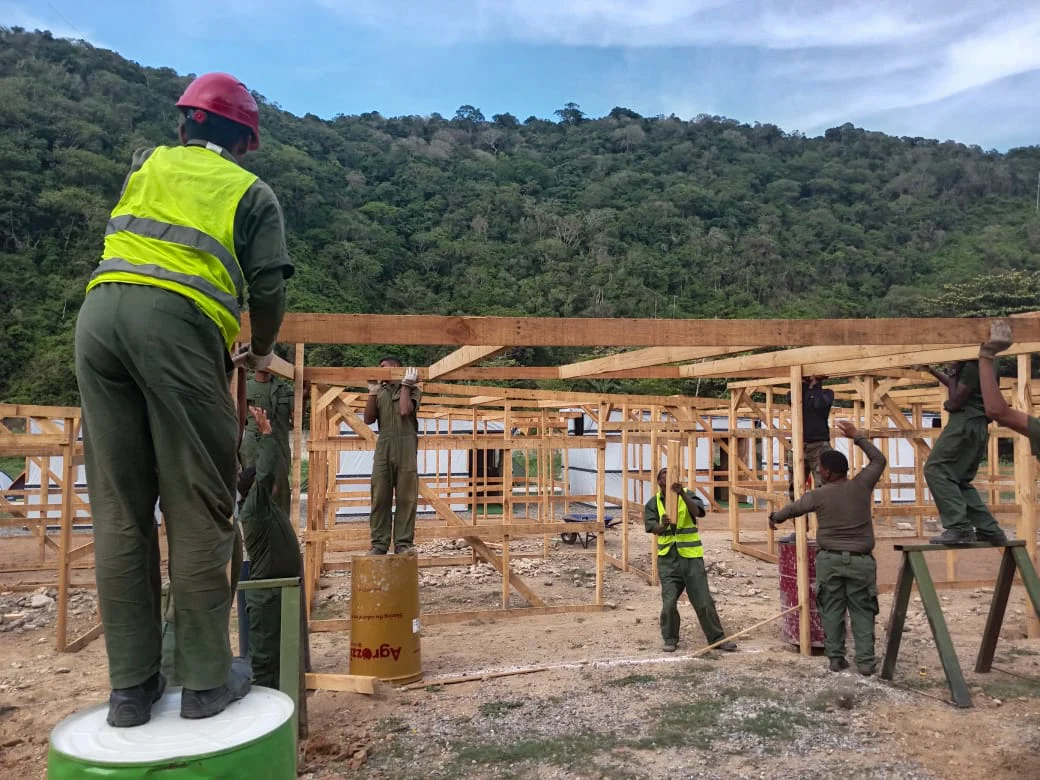
ShelterBox is working closely with Rotary in Venezuela and other humanitarian organisations throughout the response.
Rotary has provided local expertise, logistics support, transportation, accommodation and support with needs assessments. They also helped facilitate the arrival of shelter and household items into the country.
These supplies, positioned in a Rotary-secured warehouse, were among the first successful imports of humanitarian aid into Venezuela outside of UN agencies following the earthquakes.
As needs continue to evolve, ShelterBox and our partners will adapt the response based on priorities identified by affected communities.
This is ShelterBox’s first response in Venezuela.
We have responded to similar disasters in the region, including Hurricane Beryl in 2024, which caused severe damage in Grenada.
Thanks to pre-positioned supplies in Panama and strong local partnerships, we were able to respond rapidly with aid including tents, cooking sets, solar lights and mosquito nets.
We store aid in strategic locations around the world to ensure we are ready to respond before a disaster happens.
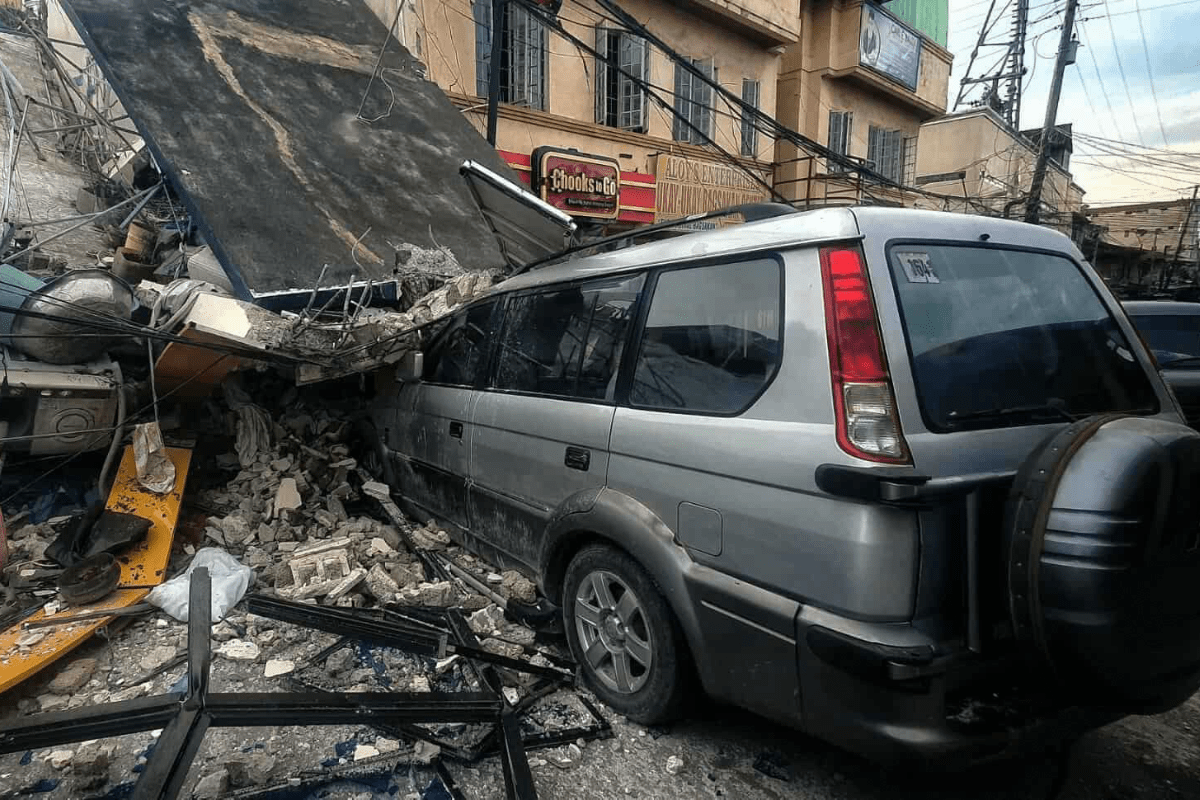
ShelterBox is responding in Venezuela, working alongside local partners to support families who have lost their homes.
ShelterBox has already supported families with emergency shelter and essential items, while plans for transitional shelter support continue to develop.
Your support enables ShelterBox to provide shelter and essential support for families recovering after disaster in Venezuela and around the world.
Donate today