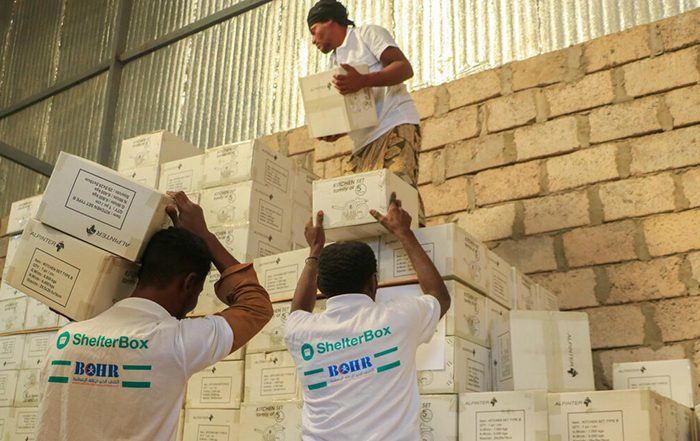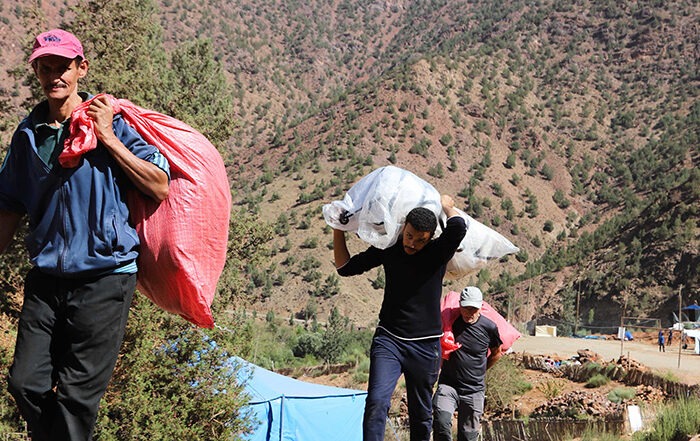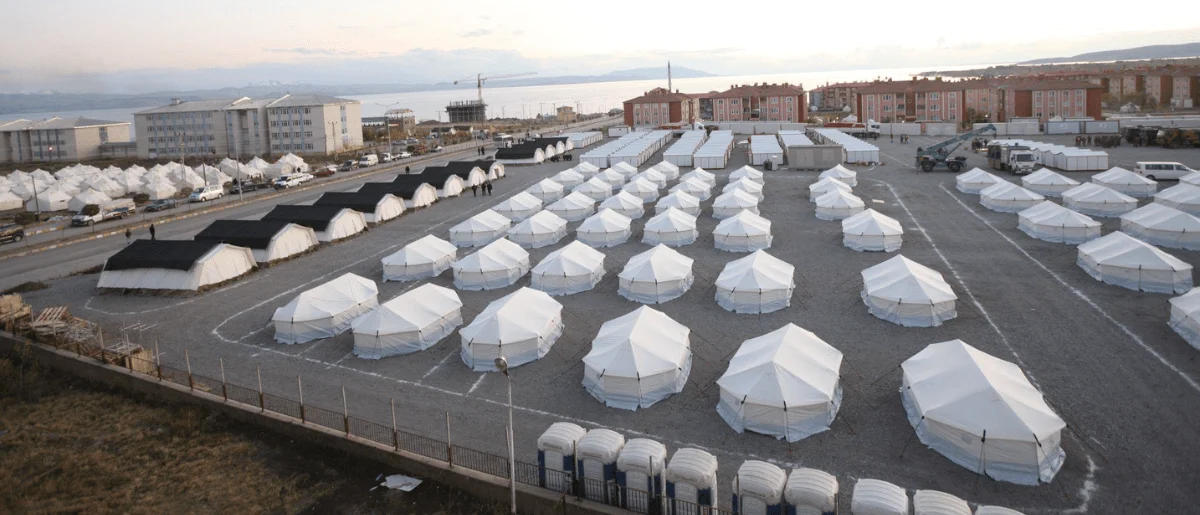
This World Environment Day, climate action is in focus worldwide. For ShelterBox, that means looking closely at how we deliver emergency shelter after disaster, and how we can reduce its environmental impact.
We support people with practical shelter solutions when they need them most. But the materials, production and transport behind that support all have a footprint. As disasters become more frequent and severe, improving how we work is essential.
The Closed Loop Tent Project is a key part of that shift.
Redesigning humanitarian tents
Humanitarian tents are essential in many disaster responses. They provide immediate protection and stability when people have lost their homes. But they are also one of the most resource-intensive items used in humanitarian aid.
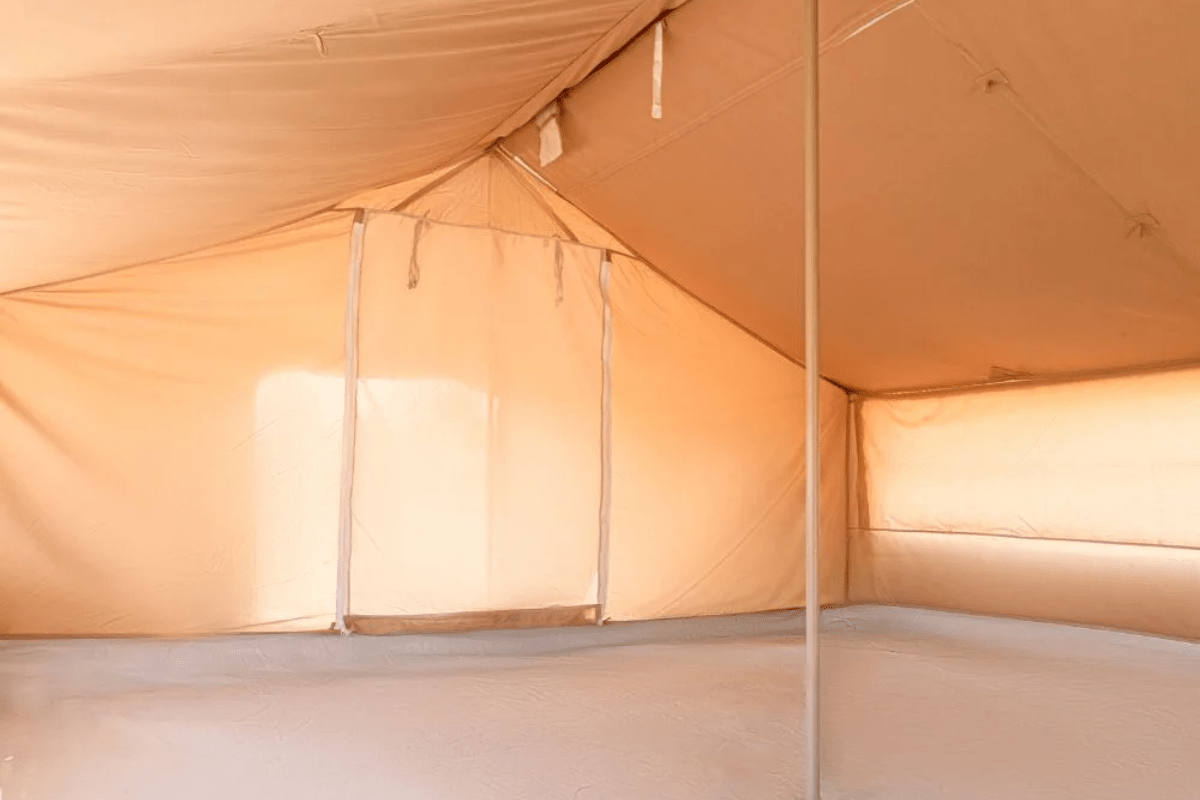
Through the Closed Loop Tent Project – a collaboration between ShelterBox, Closed Loop Fashion, Alpinter and sector partners – tents were analyzed using cradle-to-grave life cycle assessments. This included primary supplier data and input from ShelterBox teams, IOM and others working in the field, comparing conventional tents with a redesigned Eco-design Family tent.
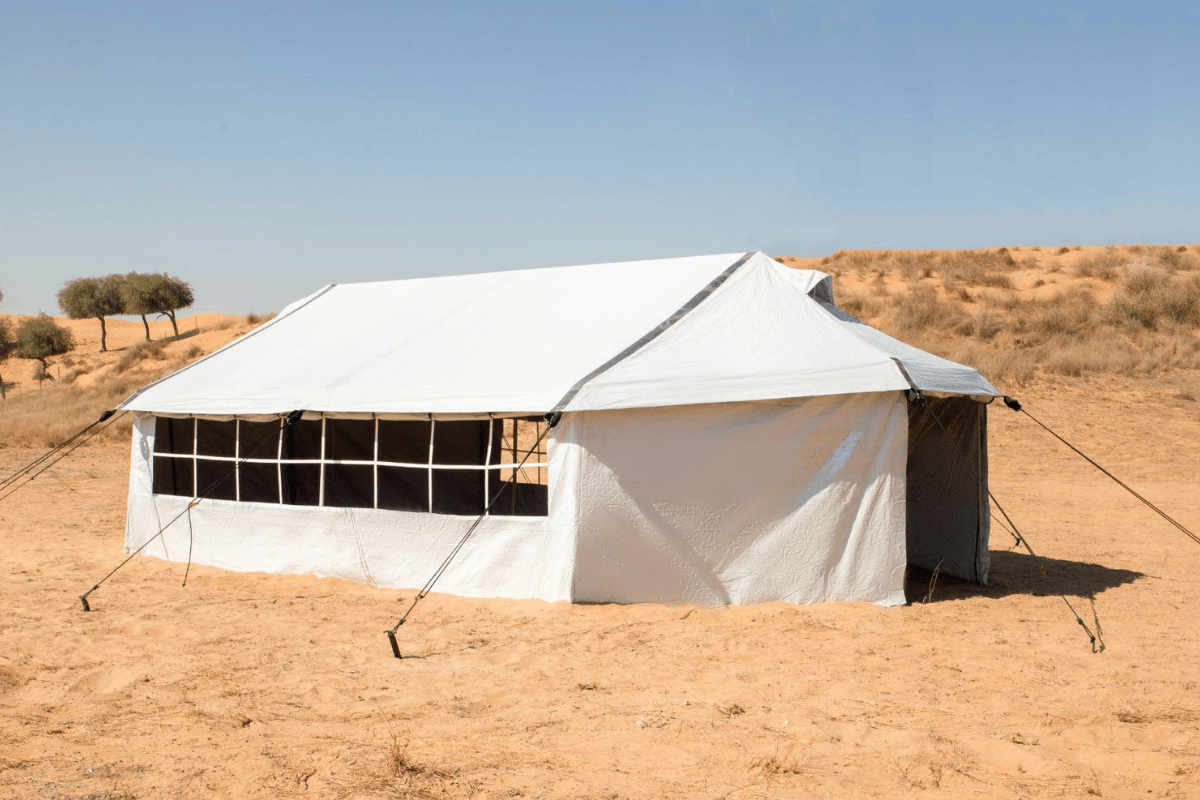
The findings were clear. A conventional Family tent produces around 385 kg CO₂‑eq over a 12-month lifespan, with most of the impact driven by raw materials, such as polycotton fabric, fire-retardant treatments and steel poles.
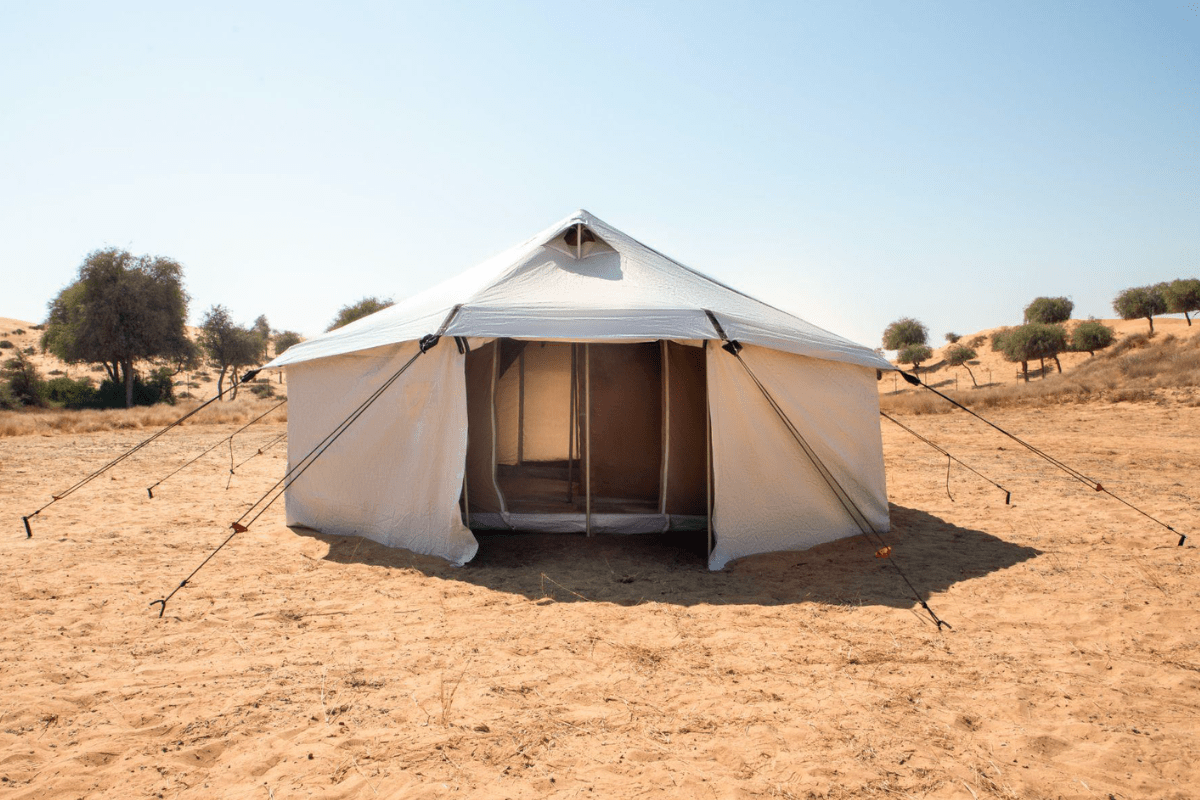
By redesigning the tent, the project achieved a significant reduction in emissions. The Eco-design Family tent replaces polycotton with polyethylene (PE) tarpaulin containing recycled content, reducing weight, removing energy-intensive wet processing and extending the lifespan to up to 36 months. These changes reduced the footprint to around 213 kg CO₂‑eq – a 45% reduction, nearly half the impact.
Turning insight into action
This project was about more than research. It was about making changes the work in practice.
The eco-efficient tents developed through the project are now included in suppliers’ standard catalogues. They’re no longer just ideas – they’re ready to be used across the humanitarian sector.
At the same time, expectations are changing. Organisations like UNHCR and IFRC are increasingly requiring sustainable options as part of core shelter ranges.
ShelterBox is moving in the same direction. As we plan future responses, we’ll be looking closely at these improved designs as we decide what we use in our work.
The project highlights a key insight: material choice and durability are some of the powerful levers for reducing impact in humanitarian shelter.
Sustainability at ShelterBox
ShelterBox always aims to deliver lifesaving aid in ways that are practical, responsible and effective. This includes how we design aid items, how we store and transport them, how we reduce waste and how we manage our resources.
We are committed to reducing environmental impact wherever we can, while prioritizing support for people affected by disaster.
Reducing impact across aid items
Tents are only part of the picture. Across core items, we have introduced more eco-conscious alternatives that deliver measurable improvements. Based on estimated annual requirements, these changes are expected to save:
- Up to 810 tonnes of CO₂e each year through improved tarpaulins
- Around 202 tonnes of CO₂e annually from redesigned blankets
- Costs reduced by 7.3% through sleeping mats made with 100% recycled polypropylene
- Additional environmental gains across water carriers and buckets
These are practical changes, applied at scale.
Cutting plastic and reducing waste
Reducing unnecessary plastic is another key focus.
Working with suppliers, ShelterBox has removed over 400,000 pieces of plastic from aid items and packaging. These improvements are now built into standard specifications, reducing waste before aid even leaves the warehouse.
Smarter logistics and storage
Sustainability is not only about what we deliver, but how we deliver it.
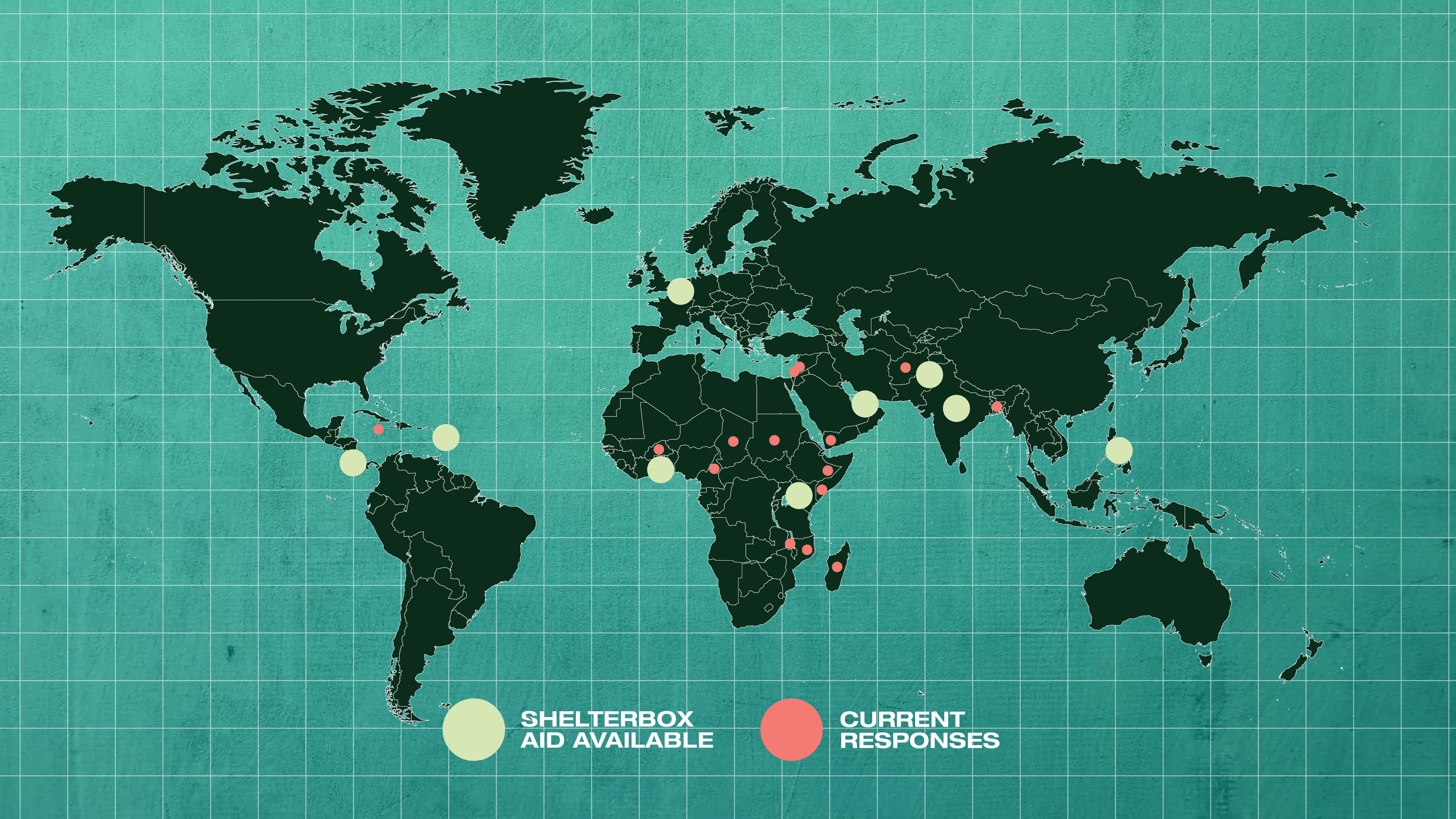
ShelterBox prepositions aid in strategic locations around the world, including Europe, Africa, Asia, the Middle East and the Caribbean. This means supplies are closer to affected communities and can be transported earlier using more efficient, lower-impact methods.
Balancing urgency and impact
There are real challenges in this work.
Emergency shelter must be delivered quickly. Materials and transport are essential, and shelter accounts for around three-quarters of ShelterBox’s total emissions.
There is no simple solution. Instead, we focus on understanding our impact and making gradual, practical improvements wherever possible.
A practical path forward
The Closed Loop Tent Project shows what progress can look like. It demonstrates that with the right design choices and strong partnerships, it is possible to significantly reduce the environmental impact of humanitarian shelter – without compromising quality or speed.
This World Environment Day, that is the focus. Not distant ambition, but practical change. Step by step, improving how we deliver emergency shelter – for people, and for the planet.
Reducing environmental impact is part of how we strengthen our work. With your support, we can continue investing in better materials, stronger designs and more sustainable ways of responding.
Together, we can support people affected by disaster while protecting the environment they depend on.
Stay updated on how we’re improving emergency shelter around the world.
You can also learn more about our work or donate today.
Banner image credit: Alpinter.