
Women and girls are disproportionately affected by disasters, conflict and extreme weather. Inequality often limits access to healthcare, education and protection — and when a crisis hits, those gaps widen.
More than 120 million people have been forced from their homes by extreme weather, conflict and disaster. Over half are women and girls. It’s because women are most affected by disaster that they are central to how families and communities respond, adapt and recover.
Did you know? Over half of people displaced by crisis are women and girls
Even before a disaster strikes, many women and girls have less access to education, resources and decision-making. They are more likely to experience discrimination, violence and poor health. When crises happen, these inequalities intensify – making it harder to stay safe, access support and recover.
Yet women are often the first responders within their families and communities. They protect loved ones, share resources and help rebuild daily life. When women are included from the start, aid is more likely to reach those who need it most.
Crises make existing inequalities worse
Displacement and instability increase risks for women and girls. Overcrowded or unsafe shelters, long journeys to collect water or firewood, and disrupted healthcare systems all heighten exposure to harm.
Women and girls face higher risks of gender-based violence, including sexual violence and exploitation. Health outcomes for women are also poorer, particularly where access to sexual and reproductive healthcare, menstrual care and contraception is limited. Every day, over 500 women and girls die from preventable pregnancy and childbirth complications in crisis settings.
These risks are not inevitable. They are shaped by whose needs are considered and whose voices are heard.
Did you know? Including women in crisis responses saves lives and strengthens recovery
Where women have access to healthcare, information and decision-making, survival rates improve, and recovery is faster. When women help design aid, responses are safer, more effective and better aligned with how communities actually function.
Women’s involvement improves access to protection, supports health and dignity, and helps ensure resources reach entire households.
Poverty and loss of livelihoods deepen the impact of crisis
Crises often push women and girls deeper into poverty. Many women work in informal jobs that end quickly during emergencies, often without protections or safety nets. At the same time, unpaid care work increases, leaving little time to earn income or rebuild livelihoods.
Girls are 2.5 times more likely than boys to be out of school in conflict zones, limiting future opportunities. Female-headed households, including single mothers, often face greater hardship and are more likely to live in poverty. Supporting women’s livelihoods supports families and helps local economies recover.
When women’s voices are missing, needs go unmet
Emergency responses often focus on general needs, which can mean the specific realities of women and girls are overlooked. Privacy, safety and menstrual hygiene supplies are frequently missed, particularly when funding is limited.
Women are also less likely to be involved in decision-making, meaning their knowledge and experience may not shape how aid is delivered. When women are included in planning and feedback, solutions become more inclusive, practical and effective.
How ShelterBox considers women and girls in shelter responses
We work with women to understand their needs and tailor support so they can recover safely, regain privacy and rebuild their lives with dignity.
This includes private shelters that reduce reliance on overcrowded centres, essential household items that help restore daily routines, and health and hygiene kits that include reusable sanitary pads and underwear. Solar lights and fuel-efficient stoves help reduce risks linked to moving around in the dark or collecting firewood. Training, cash-for-work opportunities and access to financial services support women to maintain shelters, earn income and lead their own recovery.
Feedback from women continues to shape how we adapt our support – from shelter design to the items included. We are on a journey with evolving our responses, learning and improving how women and girls are included across projects.
Stronger recovery starts with inclusion
Women play a vital role in rebuilding communities. They lead families, adapt in the face of crisis, provide care, help restore stability and rebuild local economies.
When women and girls are included from the start, recovery is more inclusive, more effective and more sustainable for everyone.
This International Women’s Day
Recognising the impact of crises on women and girls also means recognising their role in recovery. When women are listened to and included from the start, shelter and support are safer, more effective and better suited to real life.
We’re committed to continuing to learn, adapt and design responses that reflect the realities women face, so communities can recover with dignity and strength.
Learn more about women and girls, and the people we’re supporting.
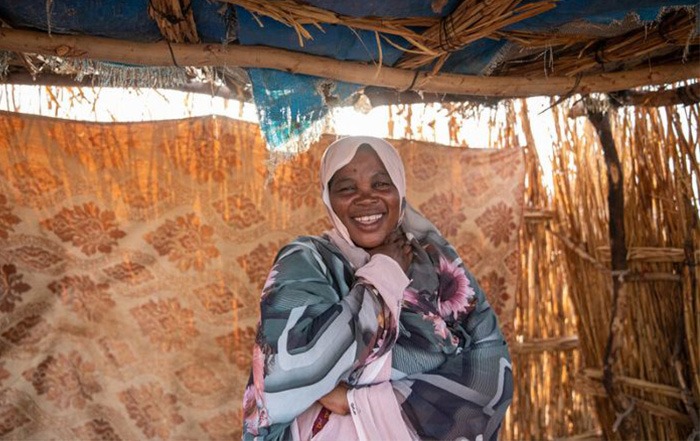
The heading image pictures Aicha, smiling in an emergency shelter in Chad.


