What we do
Learn more about what ShelterBox does to empower people to recover from disaster or conflict with emergency shelter.
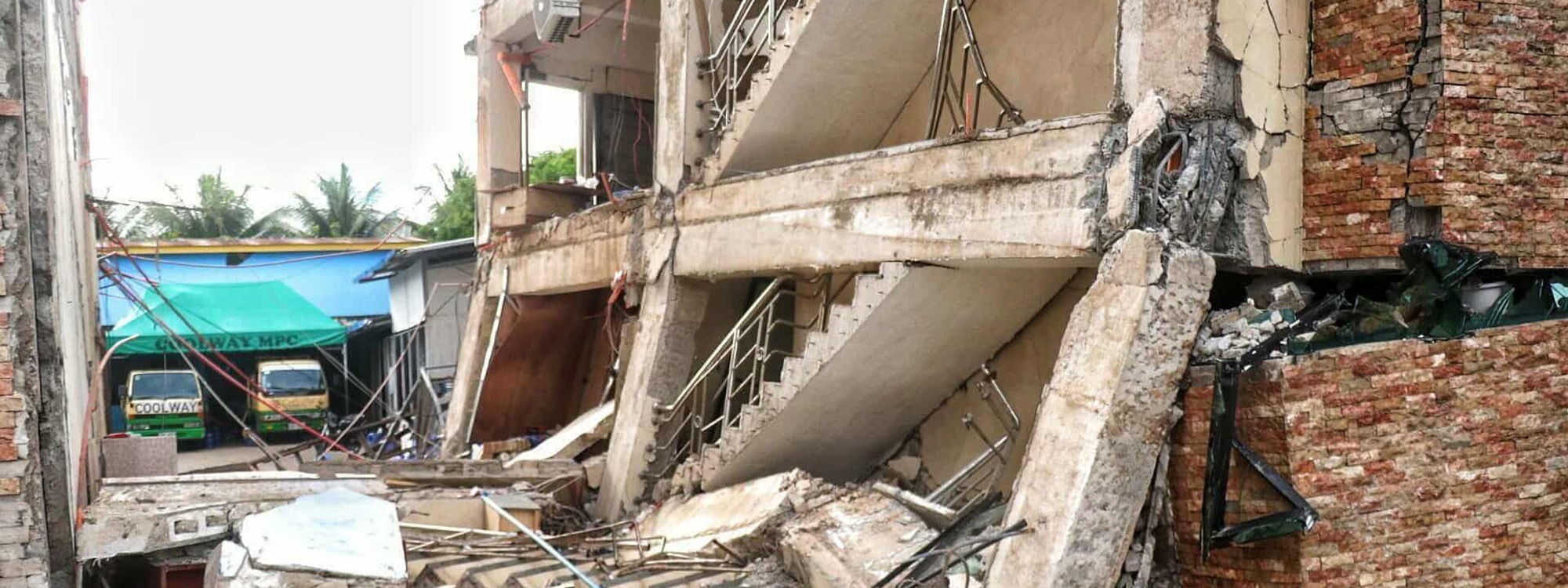

On the morning of Monday, June 8th, 2026, a powerful 7.8‑magnitude earthquake struck off the southern island of Mindanao.
The epicentre was located 8 miles (13km) south-west of General Santos City, at a depth of 6.2 miles. Around 2.4 million people live within 100km of the epicentre, including more than 700,000 in General Santos City.
The earthquake affected more than 1.68 million people across six regions of the southern Philippines. Homes, schools, roads and other essential infrastructure were damaged, disrupting daily life for communities across Mindanao.
Frequent and powerful aftershocks continued in the weeks after the earthquake. More than 11,000 aftershocks were recorded, including some reaching a magnitude of 6.5. In some areas, homes that survived the initial earthquake were later damaged by subsequent tremors.
With more than 19,000 homes destroyed and a further 100,000 damaged, many families were left without a safe place to live. Recovery remains a significant challenge for communities whose homes and belongings were lost or damaged in the disaster.
Heavy rainfall, seasonal monsoons and landslides have created additional challenges for affected communities, making recovery more difficult in some of the worst-affected areas.
Nearly 95,000 people were forced from their homes following the earthquake. Many stayed with relatives or in temporary shelters while assessing damage and beginning repairs to their homes.
Donate Now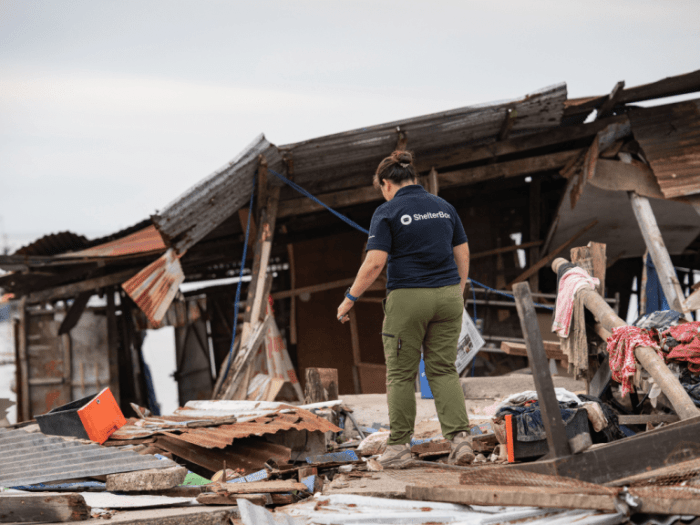
Our highly experienced ShelterBox Philippines team, alongside our local partners Integrated Resource Development for Tri‑People (IRDT) and the Rotary Club of Metro Dadiangas, spoke to families and carried out assessments to understand what communities needed.
ShelterBox has now completed distributions to 2,300 households across five municipalities in Mindanao. Post-distribution monitoring is ongoing as communities continue to recover.
Many families are still living with the effects of the earthquake. Ongoing aftershocks, damaged homes and periods of heavy rainfall have made recovery more difficult and, in some cases, delayed people’s return home.
Families received emergency shelter support, cash assistance and essential aid items including shelter toolkits, tarpaulins, typhoon straps, kitchen sets, blankets, mosquito nets, solar lamps, water containers and hygiene items.
Our emergency shelter supplies were already pre-positioned in Cebu before the earthquake struck. This investment in preparedness meant support could reach families sooner. We also worked closely with Rotary partners in General Santos City throughout the response.
Donate TodayWe have responded in the Philippines more than 30 times, supporting communities affected by tropical storms, earthquakes, volcanic eruptions and conflict.
In the 2025 Cebu earthquake, we supported people with emergency shelter kits to improve their immediate living conditions. These included tarpaulins, shelter repair kits, solar lights, mosquito nets and blankets. We also provided cash assistance so people could address their specific shelter needs.
Having worked across the country for many years, we are well placed to provide tailored support that reflects the different needs of each community.
The Philippines is regularly affected by natural hazards. It sits on the Pacific Ring of Fire, where earthquakes are common, and faces frequent tropical storms during the year.
That is why we store aid in key locations like Cebu and maintain strong partnerships with local organizations.
This preparedness means we can act quickly when disaster strikes.
Donate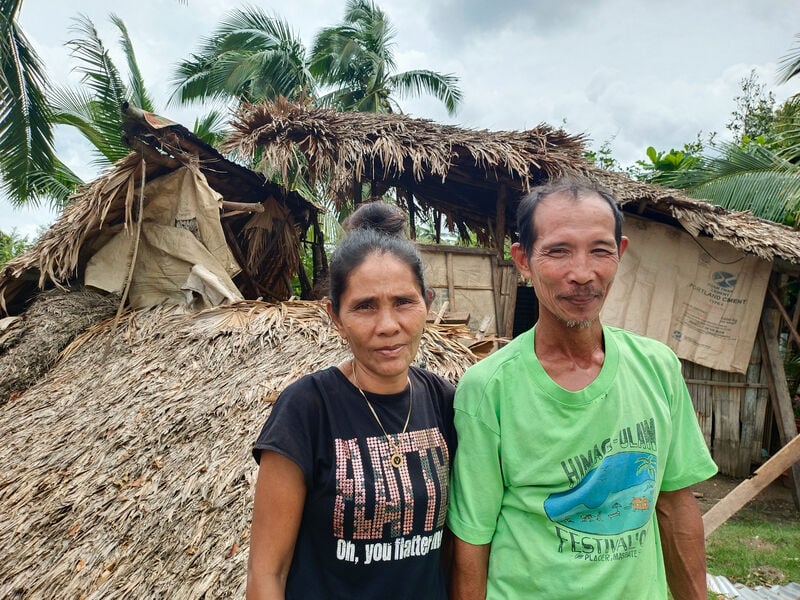
ShelterBox has supported families affected by the Mindanao earthquake with emergency shelter, essential household items and cash assistance to help meet urgent needs.
Recovery takes time. Many families are still rebuilding their homes and lives after losing shelter, belongings and livelihoods.
Your support helps ShelterBox provide emergency shelter after disaster and prepare for future emergencies, so families can access the support they need when disaster strikes.
Donate today