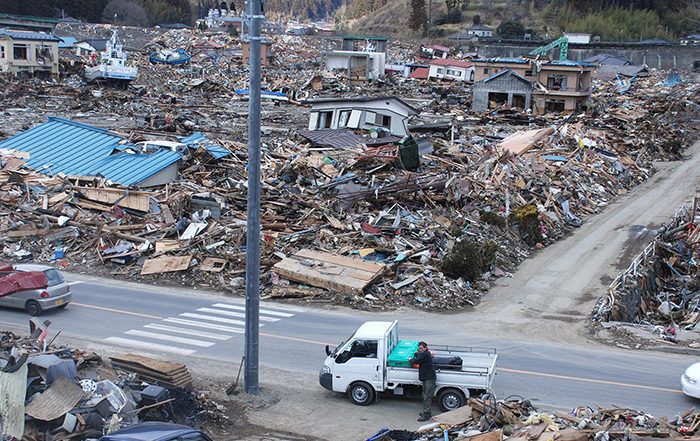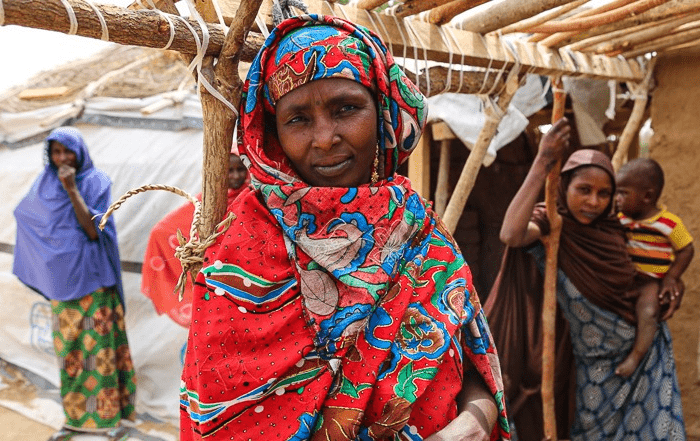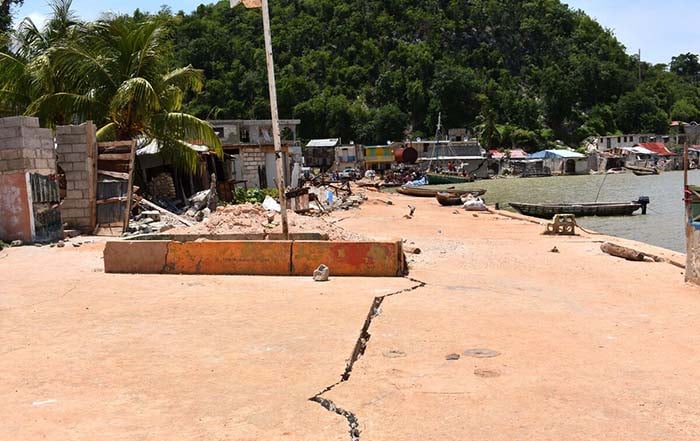
On August 14, 2021, a powerful 7.2 magnitude earthquake struck southwestern Haiti. This left hundreds of thousands of people grappling with loss, displacement, and destruction. Four years later, we reflect on the devastation and recognise the resilience of Haitian communities.
Why is Haiti so vulnerable to earthquakes?
Haiti’s geography makes it particularly susceptible to seismic activity. The country sits on a fault line between two massive tectonic plates – the North American and Caribbean plates – which grind past each other over time. When the friction between these plates is overcome by stress, the earth releases energy in the form of an earthquake.
The island of Hispaniola, shared by Haiti and the Dominican Republic, is crisscrossed by major fault zones. These geological features have made Haiti the site of repeated seismic disasters. Including the 2010 earthquake and the 2021 quake that struck the southern region.
Learn more about earthquakes and how they happen.
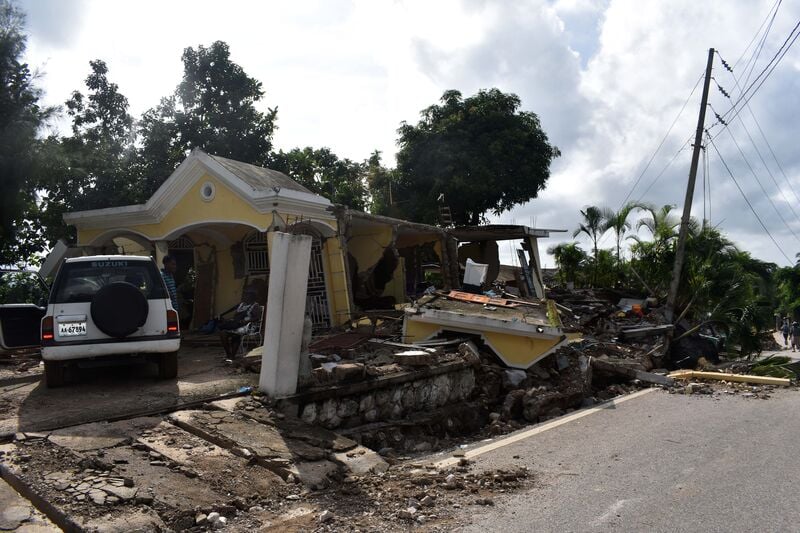
The impact of the 2021 earthquake
The 2021 earthquake caused widespread damage across Haiti. Over 137,000 homes were damaged or destroyed. Critical infrastructure – including schools, hospitals, and roads – were also severely affected. Entire communities were left without shelter, clean water, or access to medical care.
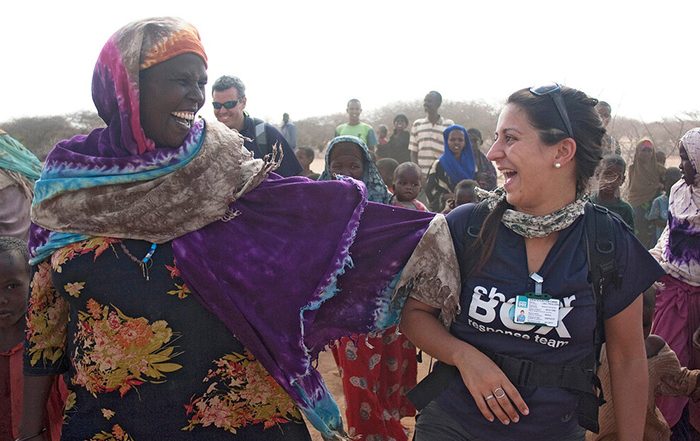
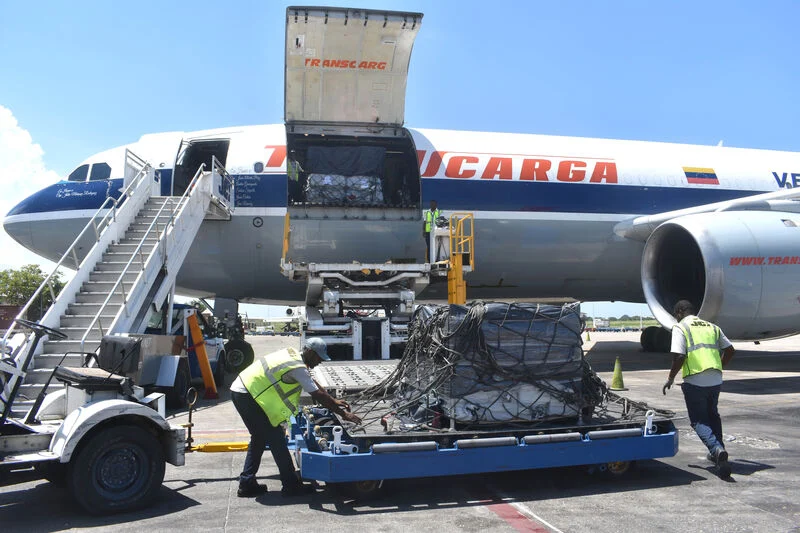
In the aftermath, we mobilised quickly. As soon as news of the earthquake hit, plans began to take shape to move aid from ShelterBox’s nearest warehouse in Panama.
Getting aid into Haiti after this earthquake was difficult. Shipping times were long and hampered by a global shortage of shipping containers, as well as security risks at Haiti’s ports. So, we worked closely with Airlink to charter two flights to send 71 tons of cargo to Haiti, including tarpaulins and fixings, thermal blankets, solar lights, kitchen sets, sleeping mats, mosquito nets and water carriers.
Despite the security challenges – on top of the usual post-disaster delays caused by blocked roads and busy ports – the partnerships forged and regional plans already in place meant we could deliver aid swiftly to Haiti.
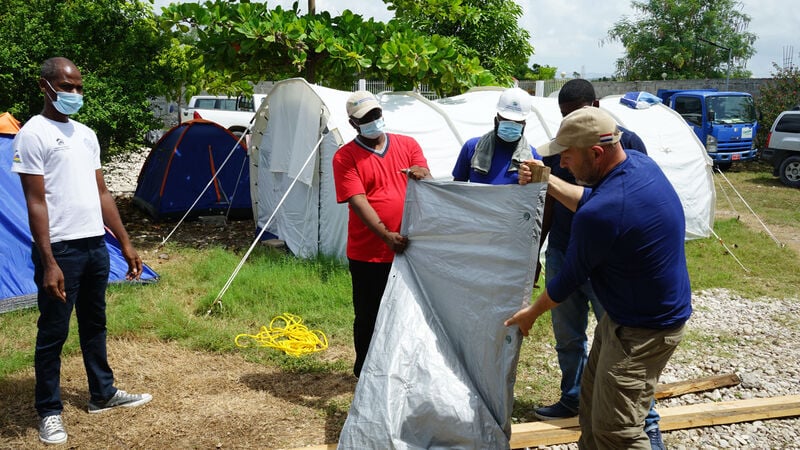
We chose shelter kits rather than tents, to help families stay on their home sites. This avoids the unplanned ‘tent cities’ that carry higher risks of poor sanitation, crime, and exploitation.
We also included a cash payment for families to buy materials or hire a labourer to clear rubble and help with construction. And it could cushion them financially from selling their aid items, just to be able to eat.
We also provided emergency shelter kits, tarpaulins, and essential household items to families who had lost everything. These supplies helped people begin the long process of rebuilding their lives.
Stories of strength and survival
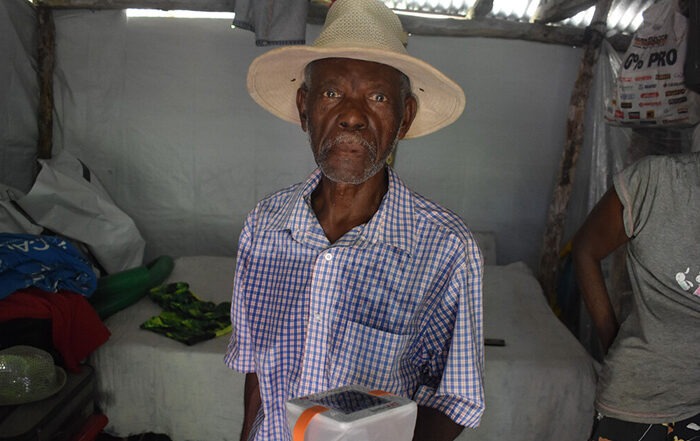
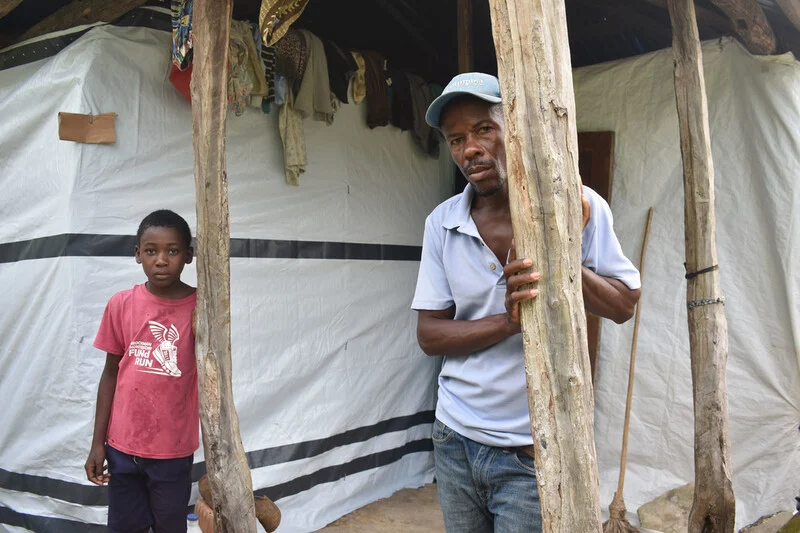
Behind the statistics are stories of extraordinary resilience. Adeline, a mother from the affected region, lost her home when it collapsed in the earthquake. With nowhere else to go, she and her family lived in a makeshift shelter made of tree leaves. “The tarpaulin that came with this kit [was] a lifesaver for us,” she said, when interviewed in early 2022. “We’ve not been able to get back on our feet after the earthquake, so it’s nice to receive some help when it comes.”
Marcel, another survivor, also received support from ShelterBox. With emergency shelter materials, he was able to construct a temporary home and begin rebuilding. “We are grateful,” he said, “because we have something to protect us from the rain and sun.”
These stories remind us that emergency items and shelter support, help people find their feet again. With dignity, hope, and the strength of community, people were able to begin the journey to recovery.
What has changed since 2021?
In the four years since the earthquake, progress has been made. Aid reached thousands, and local rebuilding efforts continued. But challenges remain for communities. Many families still live in temporary shelters. Haiti is dealing with political unrest. Along with rising gang violence, economic challenges, and the risk of future disasters.
Earthquakes can also trigger secondary hazards, landslides, flooding, and even tsunamis, which can make damage worse. For two days after the earthquake in Haiti, at least 25cm of rain hammered the southwest of Haiti, followed by flash floods and mudslides.
Disaster preparedness and resilient infrastructure are therefore critical. Investing in early warning systems, earthquake-resistant buildings, and community-led response plans can save lives.
Looking ahead: a call for solidarity
As we mark 4 years since the 2021 earthquake, it’s clear that Haiti’s road to recovery is far from over. But it’s also evident that with support, communities can rebuild.
Haiti’s story is one of hardship, but also of courage. And that deserves our attention, our respect, and our reflection.
To learn about our current earthquake responses, read about what’s happening in Myanmar and see where we’re currently working.
We don’t know what the next disaster will be, but with your support we know we will be ready. Please support our work today and help vulnerable communities recover and rebuild after disaster.
The heading image shows a destroyed road after the earthquake in Haiti, image credit: Habitat for Humanity International.