Hurricane season is looming. Tropical storms – whether hurricanes, cyclones or typhoons – can strike with little warning. This leaves communities devastated. At ShelterBox, our commitment to disaster preparedness and response ensures that aid reaches those who need it most.
In this post, we explain how we prepare for tropical storms like hurricanes and cyclones. We’ll explore the obstacles we overcome during our responses, and share the stories of some of those we’ve supported through our work.
Before hurricane season
Proactive disaster preparedness
Before hurricane season starts, we’re preparing. Thanks to the generosity of our donors and the strength of community support, we pre-position essential supplies in warehouses around the world. This means when disasters strike, we can rapidly mobilize and deliver critical emergency shelter and essential aid to vulnerable communities.
Our key preparedness strategies include:
Before a tropical storm or hurricane, we take measures to ensure aid reaches affected communities quickly. Efforts focus on three critical areas:
- Pre-positioned aid: By storing supplies in strategic locations, we minimize transit delays and can respond rapidly to disasters. For example, our warehouse in the Philippines ensures we can quickly mobilize aid when storms inevitably strike.
- Rapid mobilization: Once a storm is detected, we coordinate with local partners to gather information. Collaborating with Rotary clubs and other community organizations helps inform our response. In Myanmar, after an earthquake, we worked with the Rotary Club in Yangon to assess the level of need among communities, and which areas were hardest affected.
- Tailored response: Every disaster presents unique challenges, so we adjust our assistance accordingly. For instance, after the Morocco earthquakes, we deployed specialized tents suited to the mountainous terrain, while in the Philippines, we adapted shelters with raised plinths to protect against flooding.
Learn about our response and strategy
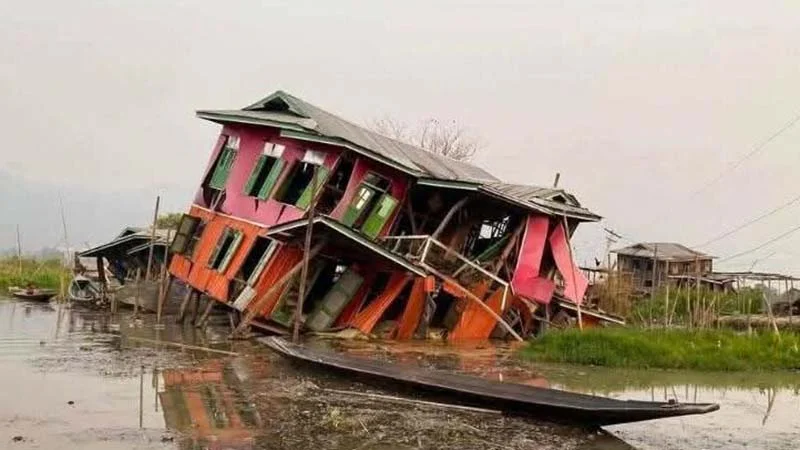
Destruction of a home after the Myanmar earthquake. Image credit: Rotary Club of Central Yangon.
During a response
Navigating communication challenges
Communication is one of the toughest hurdles during a tropical storm. Storms can knock out essential networks. This makes it difficult to ascertain the scale of the damage and coordinate a response efficiently.
To counter this, our assessment teams are equipped with satellite phones and adhere to robust check-in procedures. This ensures that even when conventional networks are down, information on the ground still guides our operational decisions.
Logistical and operational hurdles
When disasters happen, every minute counts. Yet tropical storms frequently destroy roads, overwhelm access routes, and produce extreme weather conditions.
Some of our key logistical challenges include:
- Blocked access routes: Flooded or landslide-prone areas can severely delay essential supplies.
- Scarce local services: Services such as transportation, warehousing, and translation, which are readily available during normal times, become scarce in the aftermath of a disaster.
- Coordination complexities: Coordinating efforts with local government bodies, NGOs, and community clusters, to rapidly changing emergency protocols.
Bureaucracy and challenges on the ground
Every nation has its own set of emergency response regulations. Navigating permits, tax exemptions, and complicated processes can slow down operations.
This is complicated by the constantly shifting dynamics that happen after a disaster. Moreover, pre-existing issues, such as conflict zones or a rise in crime, mean that the safety of our deployed teams is always a top priority.
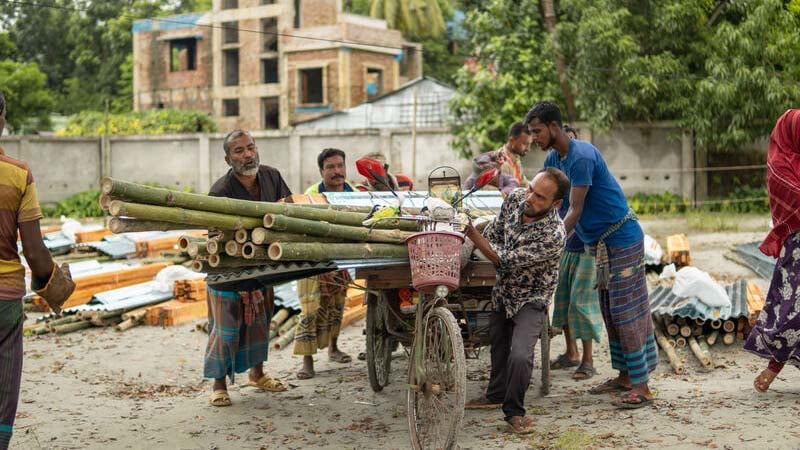
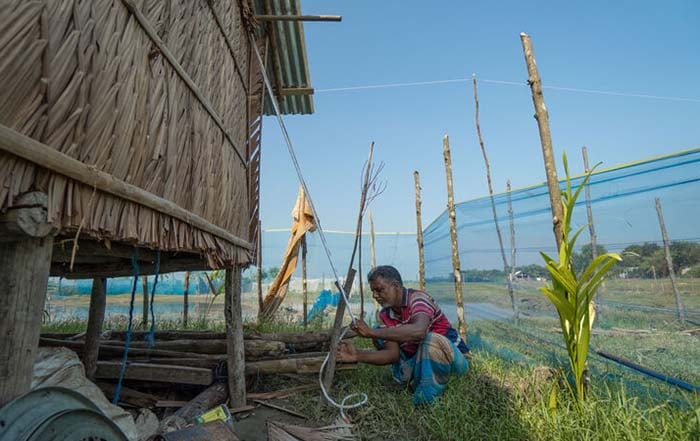
Cyclone Remal stands as the most devastating cyclone to strike Bangladesh in recent years. More than 173,000 households were damaged.
Recovering after disaster
ShelterBox in action
We have extensive experience in responding to tropical storms during hurricane season and throughout the year. We’ve responded to over 100 tropical storms. From our very first response during Hurricane Jeanne in Haiti, to our recent response following Cyclone Chido in Mozambique, we have refined our response strategies. This has allowed us to support around 80,000 people, providing shelter, assistance and hope, in the midst huge challenges.
Read about our work.
The challenge of climate change: increasing frequency and intensity of storms
Climate change is no longer a distant threat – it is here, and its effects are evident in the growing frequency and intensity of tropical storms during hurricane season. Rising sea surface temperatures, shifting weather patterns, and higher sea levels contribute to more powerful and unpredictable storms.
Climate change is a catalyst that fuels extreme weather events. The warmer oceans provides energy that intensifies storms. While increased atmospheric moisture leads to heavier and more prolonged rainfall. This means a greater chance of flooding, infrastructure damage and longer recovery periods. We must continually adapt our strategies and boost our preparedness efforts to respond.
Key impacts of climate change include:
- Increased storm intensity: Warmer sea temperatures drive more powerful hurricanes, cyclones and typhoons. Studies show that tropical cyclone intensity has risen over the past 30 years. Eight of the ten most active years since 1950 have occurred since the mid-1990s.
- Extended storm seasons: Unpredictable weather patterns lead to longer periods of vulnerability, as storms arrive outside of traditional seasons. The traditional hurricane season is June- November. The number of tropical cyclones has reached the 40-storm mark six times since 2000, with five of those occurring in the past six years.
- Enhanced flooding and rainfall: Greater moisture in the air means a higher risk of severe flooding. It also means longer recovery and challenges for communities. Learn about extreme floods and they’re responses.
- Strained recovery resources: More frequent and intense storms place pressure on local infrastructure and humanitarian services. This also makes recovery even more complex.
These challenges reinforces our commitment for environmental sustainability. By integrating emergency monitoring and forging stronger partnerships, we aim to stay ahead of these challenges to deliver critical assistance, as the climate crisis intensifies.
Stories from storm survivors around the world
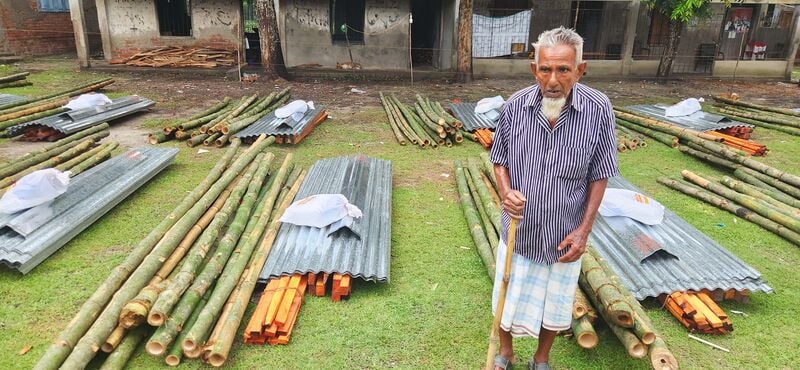
Anarc with his aid items in Bangladesh.
Anarc’s Story: Bangladesh
On 26th May 2024, Cyclone Remal battered Bangladesh with devastating winds and widespread flooding. It resulted in the damage or destruction of over 170,000 homes. Anarc, a resident of Deluti Union, vividly recalls the impact:
“It wasn’t looking good…”
Before the cyclone, Anarc was “enjoying retirement, living alone, and receiving support from his son.” When the storm hit, he sought refuge in a local government shelter – a robust, concrete building designed to endure severe conditions. Yet, on his return home, he found his house severely damaged. Now living in the only undamaged corner of his former home, Anarc reflects:
“I have come to an age with nothing to lose and nothing to retain.” “This gives me hope as I can repair my house and live the rest of my life in comfort instead of discomfort.”
Anarc’s testimony underscores the critical importance of rapid aid and sustainable recovery and is at the very heart of our work. Read Anarc’s full story.
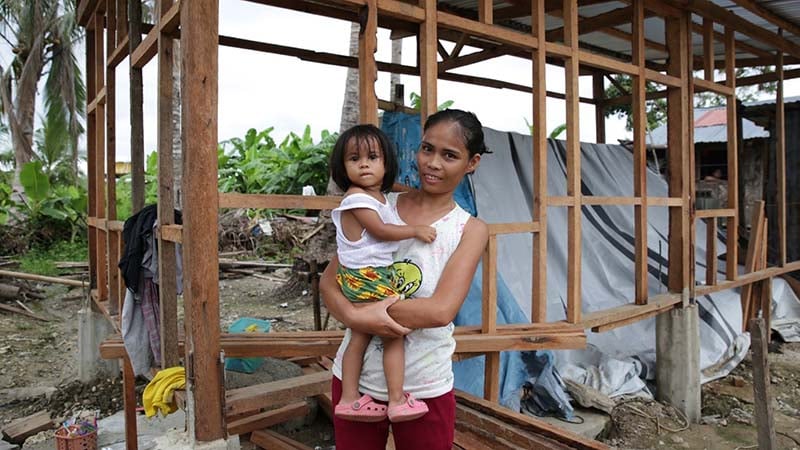
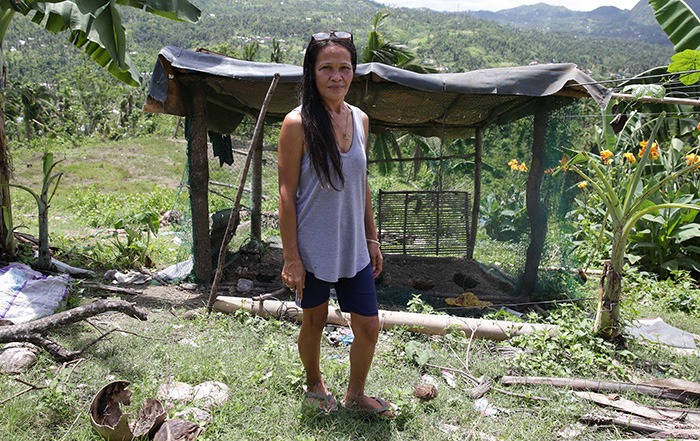
Christy lives with her husband Albert and two children Junbet and Abegail, pictured in front of the home they are rebuilding after it was destroyed by Typhoon Rai.
Christy’s Experience in the Philippines
In December 2021, super typhoon Rai left more than half a million people without homes in the Philippines. With wind gusts reaching up to 240 km/h – equivalent to a Category 5 hurricane – Christy, alongside her husband and two young children, prepared for the worst. The following morning, she recalled the shock of witnessing her home destroyed:
I was really shocked because everything was destroyed… Everything. It [my house] had been crushed by a mango tree and a coconut tree.
Christy’s account is a powerful reminder of the devastating force of storms. It highlights the urgent need for reliable humanitarian aid during extreme weather events.
Our responses at ShelterBox strive to help families like Christy’s recover and regain stability in the wake of catastrophe.
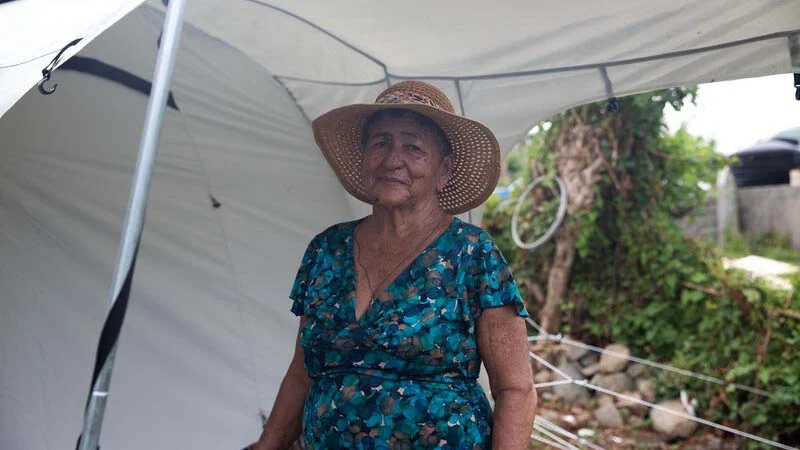
Gloria outside of her emergency shelter.
Gloria’s Story: the Caribbean
Hurricane Beryl, July 2024, became the earliest category 4 hurricane on record in the Atlantic.
Gloria tells us how she and her family what not prepared for such an early storm within the hurricane season.
“We did not know that we would have experienced a hurricane in the early part of July. Most times hurricanes are in September… which meant we weren’t fully prepared. Because in July, we don’t expect hurricanes… we would usually be given [more] warnings, and we would go and prepare.”
This one didn’t give us any notice. It took us by surprise.
As tropical storms during hurricane season and beyond continue to pose recurring challenges globally, our dedication to rapid and effective disaster response remains more important than ever.
Our work is rooted in resilience, compassion, and strategic adaptability. Whether responding to today’s storms or preparing for the future, we are committed to protecting and supporting communities worldwide.
How can I help?
There are many ways to support people affected by severe storm and hurricane seasons.
Donate – Your contribution helps us deliver emergency shelter and essential supplies to people who have lost their homes.
Stay informed – Sign up to our Newsletters to receive updates on our work, the people we support and ways you can get involved.
Fundraise – Organise a fundraising event, take on a challenge or join a fundraiser, to help bring shelter to those in crisis.
Support people who have lost their homes today.
For more ShelterBox updates, sign up to our Newsletters.
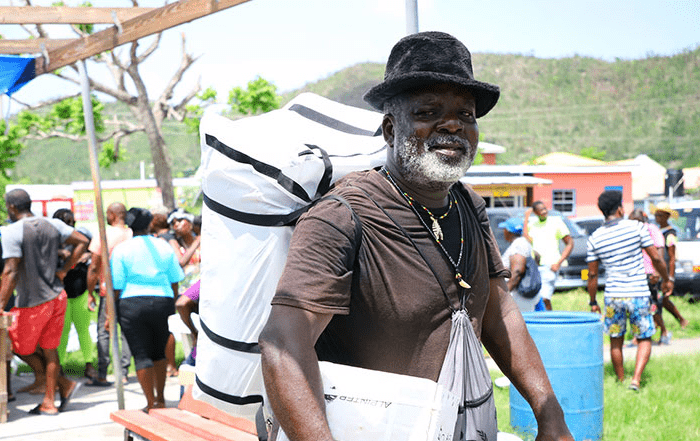
The heading image captures a man rebuilding his home after Cyclone Remal in Bangladesh.