It’s completely natural to feel overwhelmed by relentless headlines and climate extremes. But even in the face of uncertainty, we’re not without agency. Here’s what you should know, and how you can respond, to navigate climate anxiety with purpose.
As extreme weather intensifies and disasters become more frequent, climate anxiety is growing rapidly. And for the communities ShelterBox serves, the climate crisis is already severely reshaping daily life.
What is climate anxiety?
Climate anxiety, or eco-anxiety, is the emotional response to our rapidly changing environment. It’s a deeply human reaction to rising global threats. Often triggered by distressing news or climate-linked disasters, it can look like:
- Worry and helplessness
- Guilt or sadness about personal impact
- Feeling overwhelmed or disconnected
The good news? These emotions can fuel action, and hope.
Does climate anxiety affect everyone?
Yes. A 2023 survey by Ipsos found that 22% of Canadians worry about climate change and how it will affect them.
Climate Change is in the top 5 worries for Canadians across the country.
How is climate change making disasters worse?
This is exactly where your words matter. Climate change is not a distant threat – it’s changing and intensifying weather patterns.
- Heavier rainfall: Warmer air holds more moisture, about 7% more for every 1°C. When it rains, it can pour dramatically harder, causing flash floods.
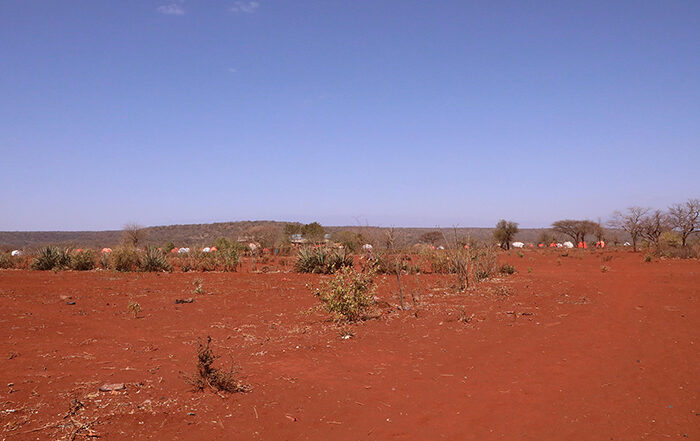
- Longer droughts: Some areas are drying out as climate change shifts rainfall patterns. Hotter temperatures evaporate moisture quickly, making droughts more intense and longer lasting.
- Hotter heatwaves: Even small increases in global temperature lead to more extreme and frequent heatwaves. Dry soils heat the air faster, intensifying temperature spikes.
- More fuel for wildfires: Hotter, drier conditions turn forests and grasslands into tinderboxes. With less moisture, wildfires ignite easily, spread fast, and burn fiercely – especially in windy regions.
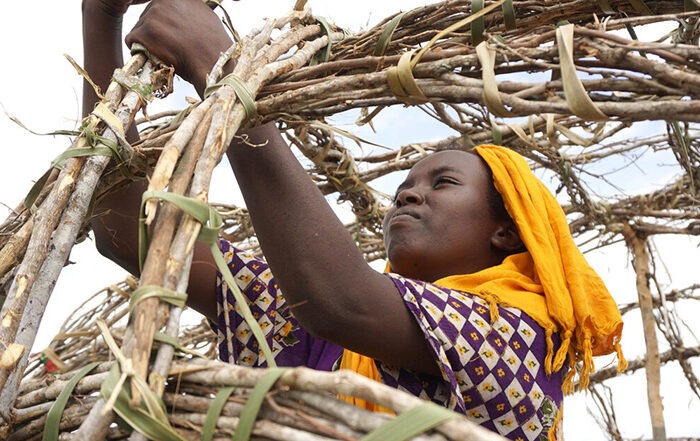
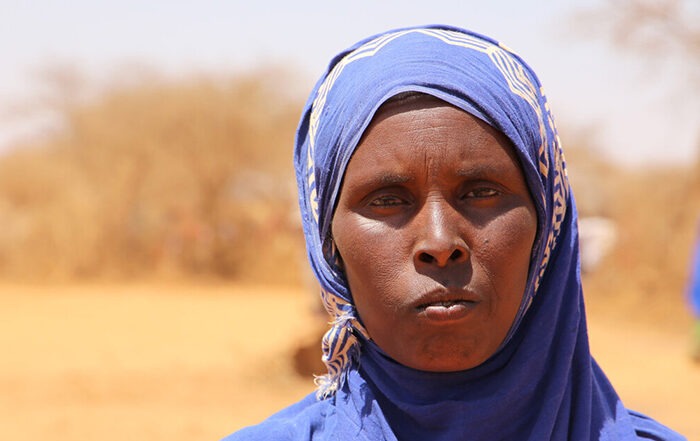
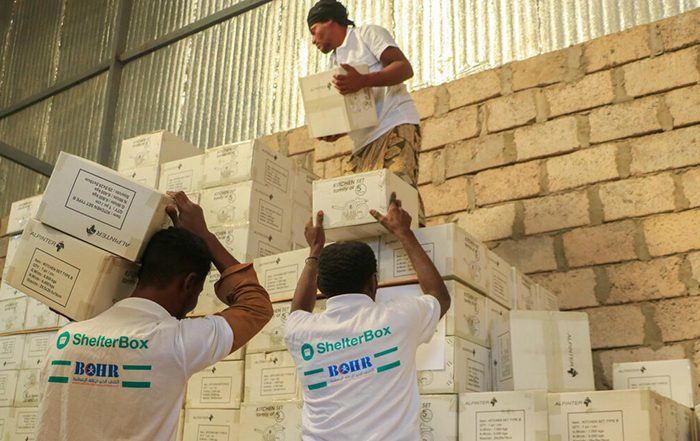
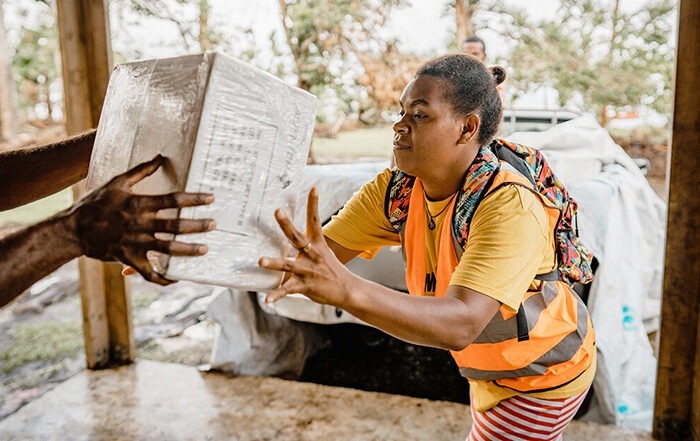
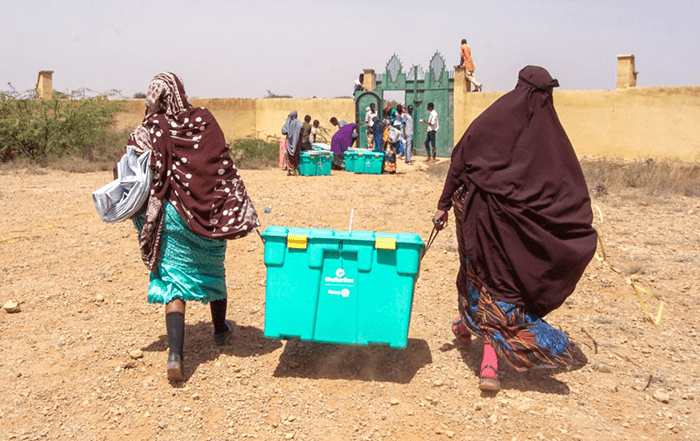
ShelterBox works in some of the world’s hardest-hit areas, from drought-prone Somalia to cyclone-affected Mozambique, helping families adapt with climate-resilient shelter and life-saving essentials items, like kitchen sets, solar lights and water filters.
Coping with climate anxiety
You can’t control the climate crisis alone – but you can take meaningful steps that help you feel empowered, grounded, and part of the solution.
Here are actions that help:
Read positive stories – Our monthly updates spotlight communities who are adapting and growing resilience in the face of climate emergencies.
Acknowledge your feelings – They’re real and valid. Naming it helps.
Limit “doom-scrolling” – Stay informed, but step away when the news becomes too much.
Connect with nature – Grow a garden, take nature walks, or join a community allotment.
Take local action – Sign petitions, join campaigns, or write to your MP.
Change what you can – Recycle, save water, switch off unused lights, or buy local veg.
Think about wildlife – Set out birdfeeders, leave wild garden patches, or explore free RSPB tips.
Get involved – Support advocacy groups or volunteer with local eco-action groups.
What can I do right now?
Change starts small, but small doesn’t mean powerless.
- Raise awareness: Talk about climate anxiety with friends and family.
- Push for policy: Let MPs know you expect climate action now.
- Share hope: Forward good news, like how we helped Sheena with a semi-permanent shelter in Pakistan, or these stories of hope from people in Burkina Faso.
The climate crisis may feel overwhelming, but in every ShelterBox response, we also see something powerful: resilience. Communities coming together. And families are adapting, together.
And that’s the antidote to anxiety – action, community, and the belief that a better future is still within reach.
For more ShelterBox updates, sign up to our Newsletters.
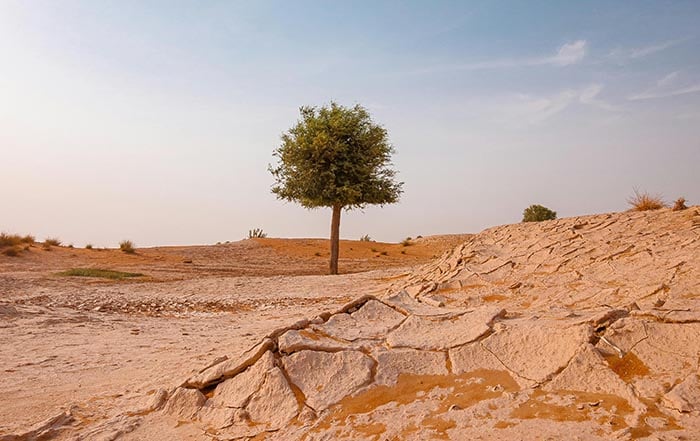
The heading image captures a tree in the desert.