
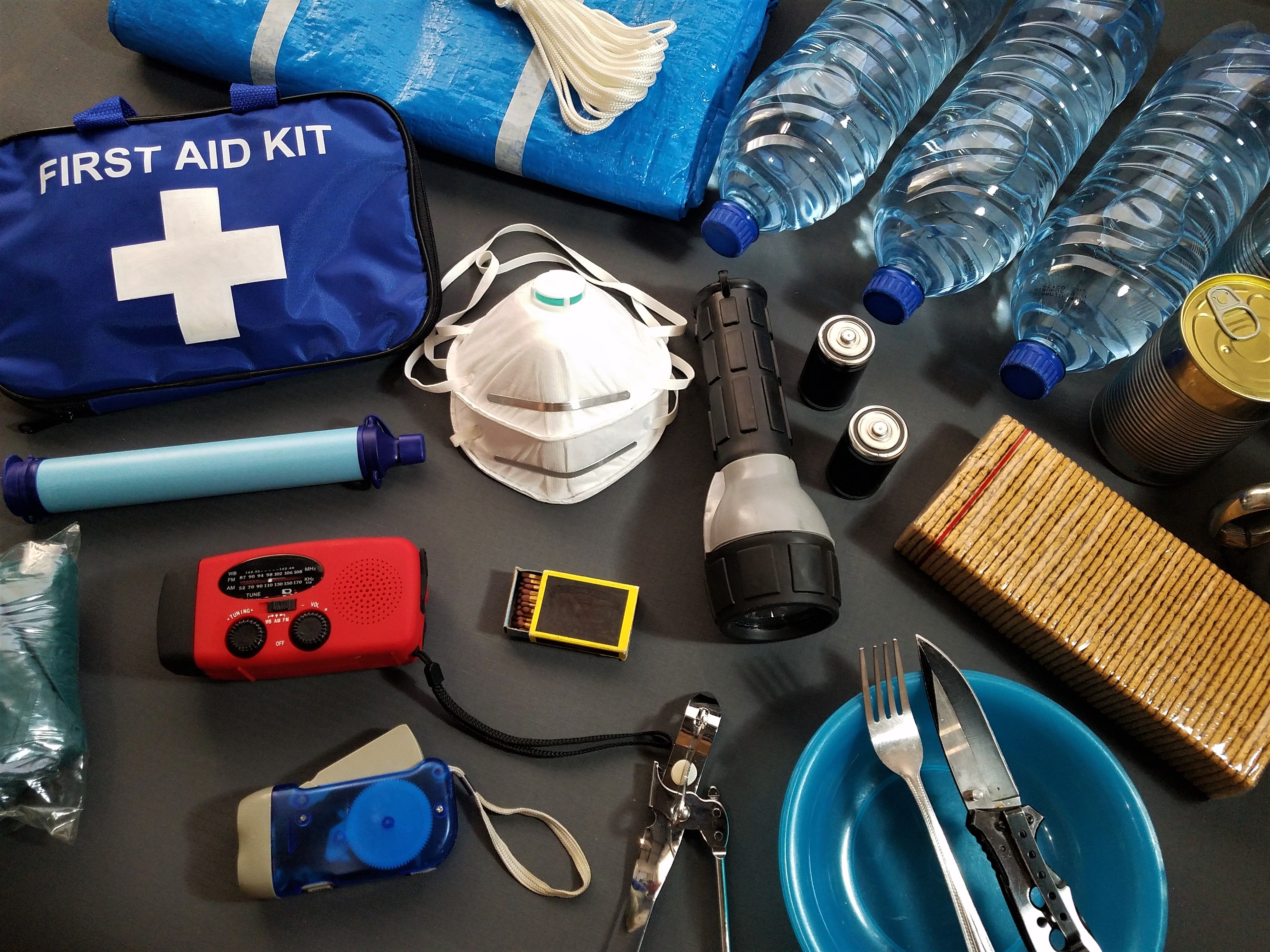
A go bag is a pre-packed backpack or small duffel with essential supplies you can grab
quickly in an emergency. It should support you for at least 72 hours (3 days) without outside help.
Having a go bag ready is one of the simplest ways you can protect yourself and your loved ones when
disaster strikes. Being prepared means you can act quickly, stay safe, and focus on what matters most in a difficult moment.
The Go Bag Checklist
Documents and Essentials
- ID (driver’s license, passport)
- Insurance policies (home, health, auto)
- Medical records and prescriptions
- Emergency contact list
- Bank account info (or contact info, do not include full sensitive numbers)
- A small amount of cash, in small bills and some coins
- Copies of keys (house, car)
- A notepook and pen, for taking notes. Keep these in a zip top bag or find waterproof options.
- Recent photos of family and pets
- Entertainment like a book, cards, or crossword puzzles
Communication and Navigation
- Fully charged backup phone battery or power bank
- Chargers and adapters for cell phones and other electronics in your go bag
- Spare cell phone and sim card
- Written list of important phone numbers (like contact numbers for your insurance company, etc.)
- Local map (in case GPS isn’t available)
- Battery-powered or hand-crank radio
Basic Survival Supplies
Water and Food
- Water: At least 3 liters per person, or bring a water filter and reusable bottles/carrying jugs
- Food: Non-perishable items like:
- Canned food (look for cans with pull tabs, otherwise remember to pack a manual can opener)
- Protein bars
- Trail mix
- Jerky
Health and Safety
- First aid kit (bandages, antiseptic, pain relievers)
- Prescription medications (at least 3–7 days supply)
- Face masks (N95 or similar)
- Hand sanitizer
- Personal hygiene items like a toothbrush, wipes, toilet paper, feminine products
Tools and Equipment
- Flashlight (LED, with extra batteries)
- Small, rapid-drying towel
- Multi-tool or Swiss Army knife
- Emergency whistle
- Duct tape
- Lighter or waterproof matches
Clothing and Shelter
For each family member, pack:
- At least one change of clothes
- Extra socks and underwear
- Pair of pyjamas
- Weather-appropriate jacket
- Compact emergency blanket (space blanket)
- Small tarp or poncho (rain protection)
- Extra pair of glasses or contacts (if needed
Customize for your Household
If you have children:
- Diapers, formula, bottles
- Comfort items, like small toys or blankets
If you have pets:
- Pet food and water
- Leashes, collars, harnesses, and/or pet carriers
- Vet records and documentation
If you have special needs:
- Mobility aids
- Medical devices and backups
Check your go bag every 6 months to keep it updated
- Replace expired food and medications
- Update documents and contact lists
- Adjust clothing for the season
- Recharge batteries
Download your printable Go Bag Checklist
Download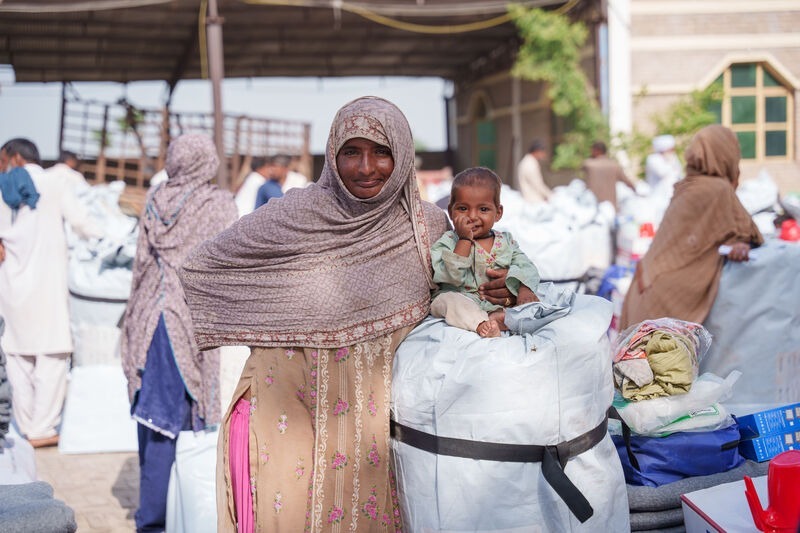

Help others in need
Having a go bag gives you a sense of control in uncertain situations, and can make a critical difference in the hours or days following an emergency.
But for millions of people around the world, disasters don’t just disrupt daily life – they take everything. Families often lose their homes, belongings, and access to basic necessities.
ShelterBox Canada works alongside vulnerable, disaster-affected communities to provide shelter, essential supplies, and training to help people begin rebuilding their lives.
While preparedness helps protect us here at home, many people around the world rely on humanitarian aid to meet even their most basic needs after disaster. Together, we can can make a difference and help the people who need it most.
Donate