Climate and Conflict
Conflict and climate change are driving a double crisis, forcing millions from their homes.

Mozambique faces a complex and highly neglected crisis amid worsening violence and repeated climate shocks.
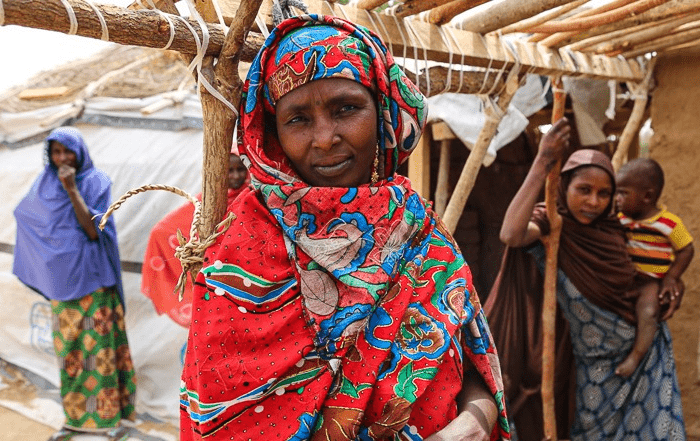
Non-state armed group activity in the north of the country, including violence against civilians, causes repeated, large-scale displacement. At the same time, Mozambique is vulnerable to various climate shocks, particularly cyclones and flooding.
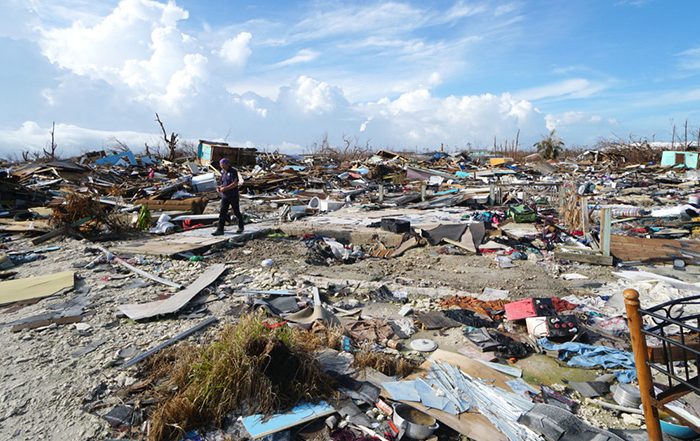
Recent years illustrate Mozambique’s vulnerability to climate hazards, which exacerbates the persistent insecurity. Between the end of December 2025 and March 2026, Mozambique experienced one its most destructive rainy seasons in decades. A series of extreme weather events caused a large-scale humanitarian emergency impacting 724,000 individuals across the country and significantly overwhelming already strained community and government coping capacities. The flooding emergency compounded the crisis of conflict-driven displacement in the north, which has significantly depleted humanitarian stocks.
Donate Now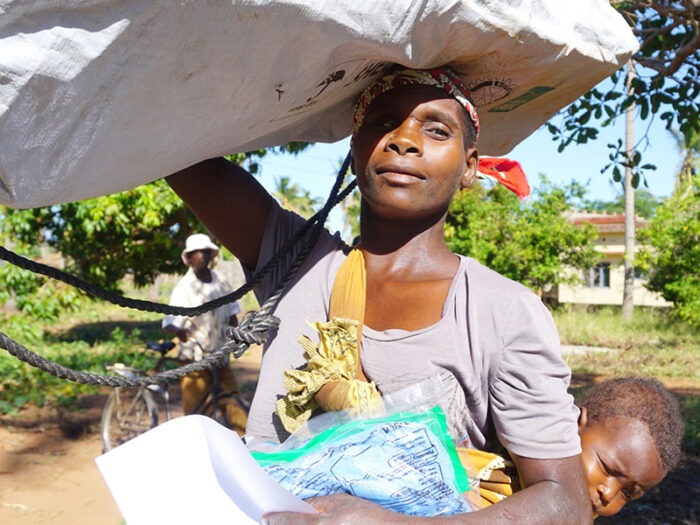
ShelterBox is working with our local partner, Livaningo, to build or repair 520 homes and make them more resilient to future disasters.
Our shelter technicians studied the local building techniques, then enhanced the structures with additional bracing and hurricane strapping. Each house will also have a locking door, a concrete foundation, and CGI roofing. Fifty artisans have been hired and trained to build the reinforced structures for the most vulnerable community members.
This response will give people back locally appropriate homes, but with the added benefit of being more resilient to future disasters. Additionally, artisans have enhanced training which will help their future work.
Alongside the shelters, each family will receive blankets and a kitchen set.
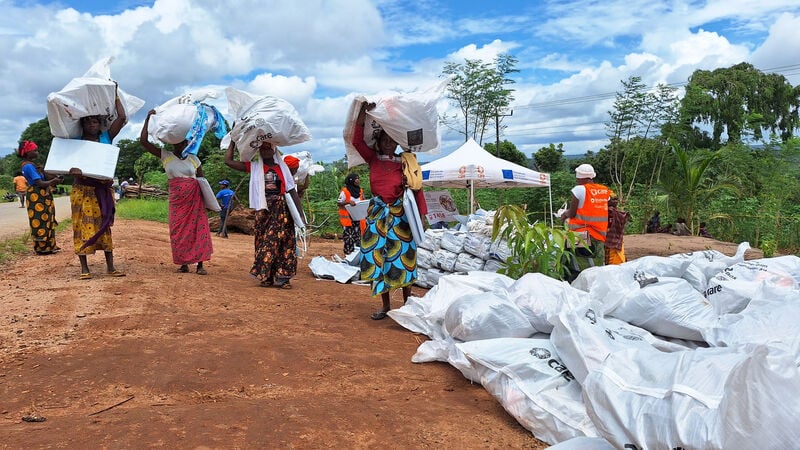

Mozambique is vulnerable to extreme weather, and climate change is making storms more severe. We have been listening closely to local communities to understand what kind of support they need most. By storing aid with our partner in the country, we can respond more quickly to the next disaster. It means we don’t have to wait weeks for shipments or find the right materials in local markets.
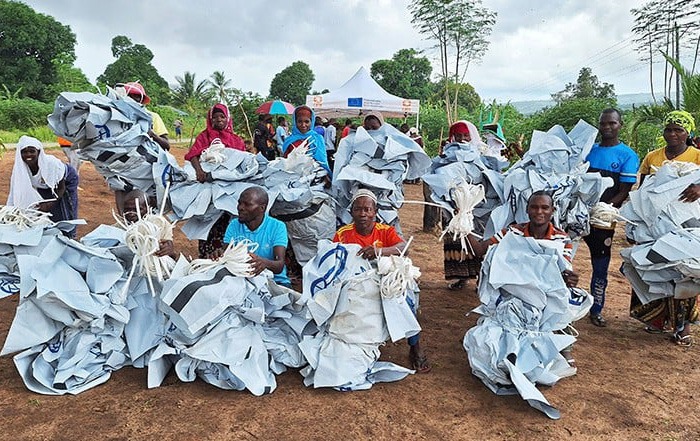
In July 2024, we moved aid ahead of the annual cyclone season. It meant when Cyclone Chido struck in December 2024, we were able to distribute tarpaulins, blankets, mosquito nets, kitchen sets, and solar lights to thousands of affected people within days.
Looking ahead, we’re exploring using hurricane strapping – a simple, low-cost way to make shelters stronger and more resistant to high winds and heavy rain.
How does climage change affect disasters?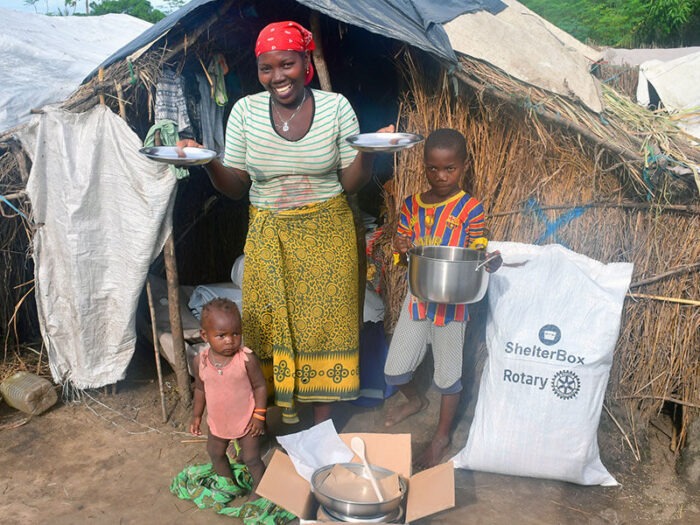
ShelterBox has responded on five other occasions in Mozambique, both to conflict displacement in the north, and other cyclones.
Working with Rotary and Livaningo, we are strengthening our preparedness to be able to respond faster to future disasters.
Support our work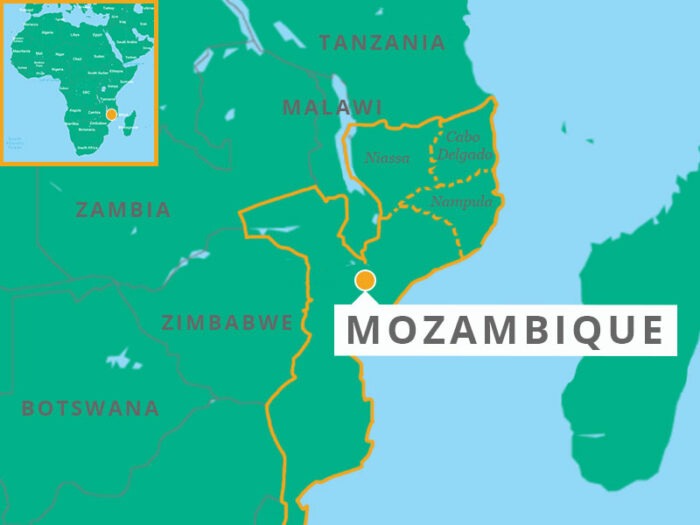
Mozambique is on the southeastern coast of Africa overlooking the Indian Ocean.
It shares borders with Zambia, Malawi, Tanzania, Zimbabwe, South Africa and Eswatini. It has a tropical climate and typically experiences one wet and one dry season a year.
Mozambique has a population of approximately 28 million (INE, 2017). 68% live in rural areas and 60% live along the coastline. Livelihoods in Mozambique depend largely on natural resources.
It is estimated that 46.1% of the of the population is living below the poverty line.