Ways to Give
There are many ways you can help ShelterBox bring emergency shelter to people that need it: donations, fundraising, joining our book club, and so much more!

On August 26th, devastating flash floods swept through northern Nepal, affecting the districts of Rasuwa, Nuwakot and Dhading near the border with Tibet.
Homes, roads, bridges and buildings were swept away, while key infrastructure, including power facilities, suffered significant damage. Communities across the mountainous region have been cut off, making rescue efforts and access to support more difficult.
The sudden surge of water was caused by a glacier collapse roughly 5,200 metres high in the Himalayas near the Nepal-Tibet border. Mud, ice and rock plunged around 1,200 metres into the Bhote Koshi River, triggering a powerful flood that raced downstream through communities in both Nepal and Tibet.
As of 9 September, at least 1,375 people have died and more than 5,000 remain missing. More than 13,600 people have been rescued, while over 85,000 people have been affected across flood-hit districts.
Government-led search and rescue efforts have mobilized more than 20,800 personnel across affected areas. However, difficult terrain, damaged infrastructure and continuing flood risks are complicating relief efforts.
The floods have struck communities that were already among the most vulnerable in Nepal. Around three in four affected people were living in areas where people already faced challenges accessing livelihoods, services and support before the disaster.
According to Nepal’s National Disaster Risk Reduction and Management Authority (NDRRMA), around 7,500 private buildings have been damaged and more than 3,600 people are living in displacement sites across Rasuwa and Nuwakot. The destruction of 45 suspension bridges and 35 road bridges has further restricted access to many communities.
Donate now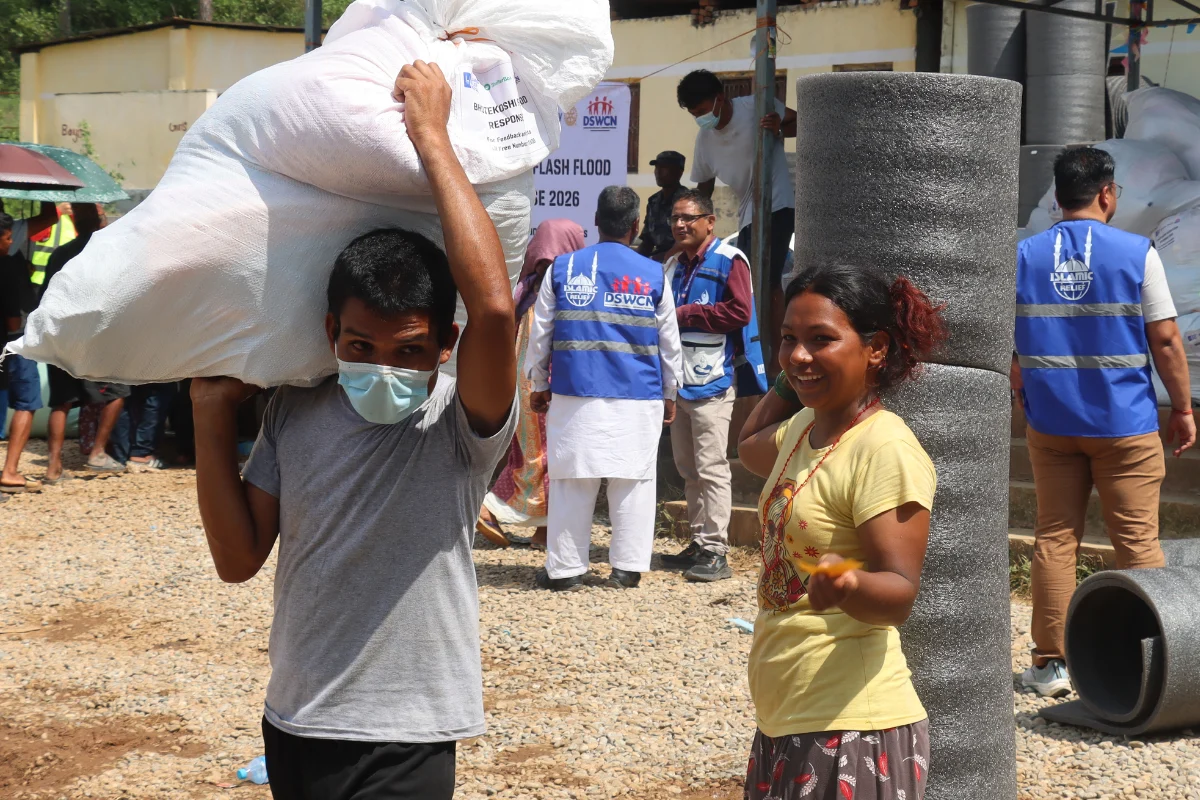
ShelterBox is responding in Nepal. A ShelterBox team is in Kathmandu working alongside partners to support communities affected by the floods.
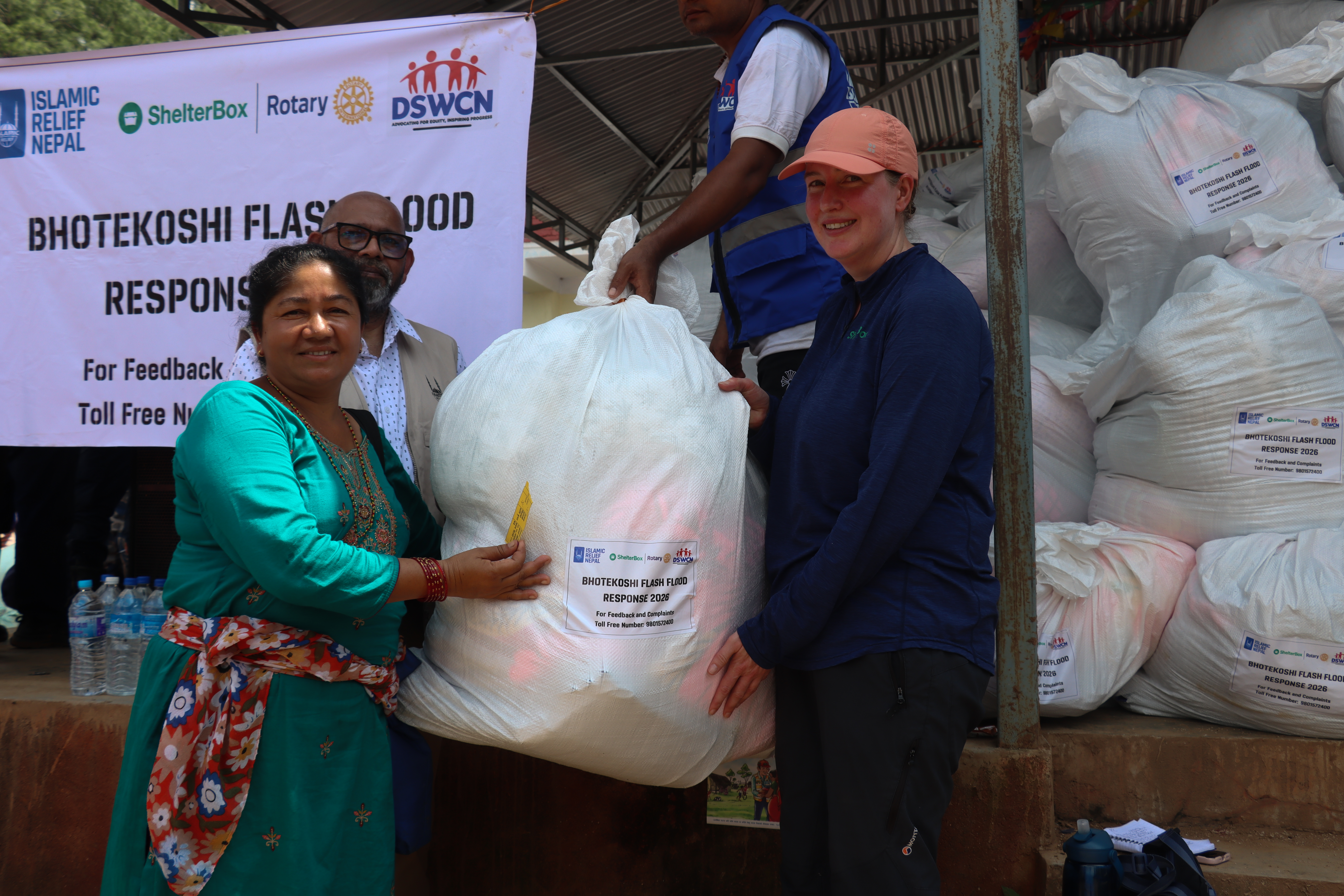
On September , ShelterBox, Islamic Relief and Rotary distributed tarpaulins and essential household items including sleeping mats, rope and pillows to 460 families in Nuwakot District. A further 240 households were supported over the weekend, with additional distributions taking place as we work to reach around 1,000 households in total.
Working with our partner People In Need (PIN), we have also imported aid including family tents, tarpaulins, ropes and solar lights. A second shipment has now arrived containing 100 family tents, winterisation kits, high-thermal blankets and solar lights to help families as temperatures begin to fall.
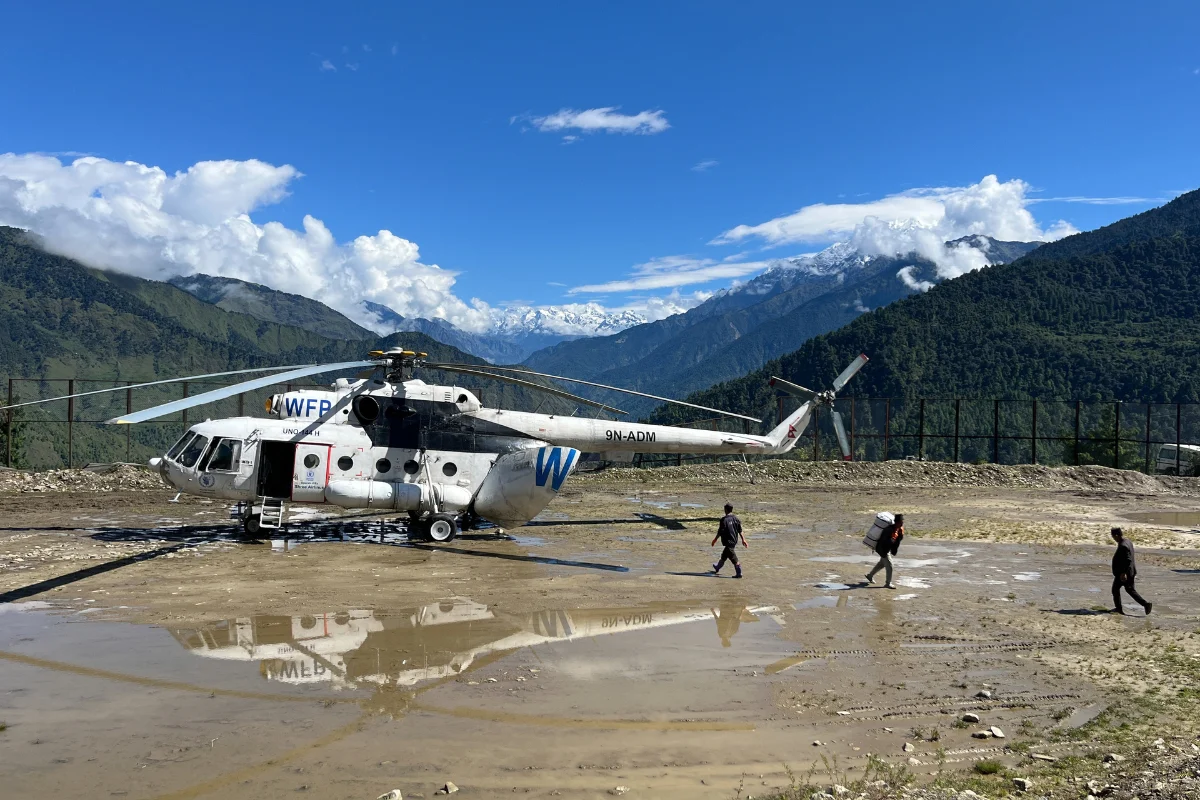
Multiple aid flights are now delivering supplies to affected areas. Helicopters are transporting the aid to warehouses near remote communities ahead of planned distributions. In several locations, air transport remains the only way to reach people cut off by damaged roads and collapsed bridges.
Housing impacts remain under-assessed because some of the worst-affected communities are still inaccessible. The risk of further flooding is also creating additional challenges for relief and recovery efforts.
Donate today to provide essential shelter aid for families who have lost their homes to the devastating floods.
Donate today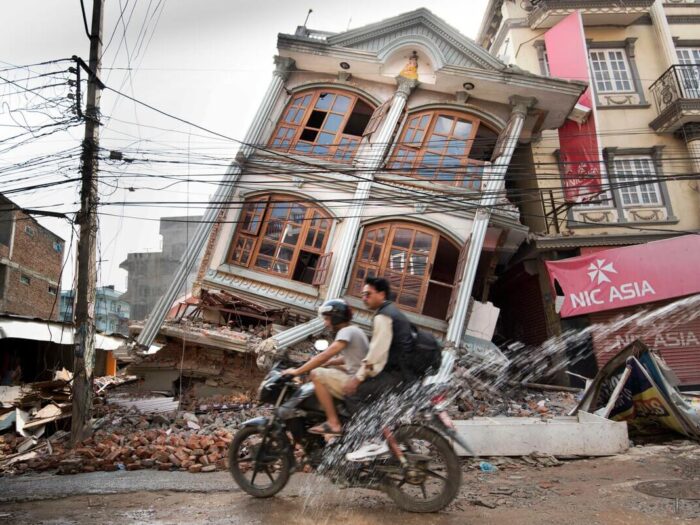
ShelterBox responded in Nepal after a devastating 7.8 magnitude earthquake struck the country in April 2015, destroying hundreds of thousands of homes and leaving many families without safe shelter. This was followed by a second major earthquake in May 2015.
Working alongside Rotary, Nepal Red Cross, Asal Chhimekee Nepal and other local partners, we supported almost 68,000 people with emergency shelter and essential aid items. We also provided training and technical guidance to help families use shelter kits and rebuild stronger, more durable homes.
The response highlighted the importance of both immediate shelter and longer-term recovery support, helping communities begin rebuilding their lives after one of Nepal’s deadliest disasters in recent history.
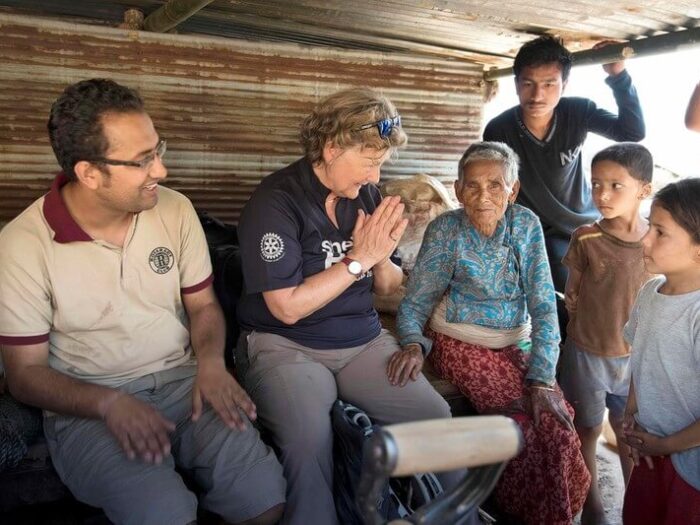
When disaster strikes, families can lose their homes, belongings and sense of security in a matter of moments.
Your support helps ShelterBox provide emergency shelter and essential aid to people affected by disasters like floods in Nepal and around the world. It also helps us prepare before disaster happens, so support can reach families when they need it most.
Donate today and help provide shelter and essential aid to families affected by disaster, conflict and climate crisis, wherever the need is greatest.
Donate now