Ethiopia crisis explained
Conflict, climate change, and economic instability have left over 21 million people in need of humanitarian aid – more than half are women and girls.
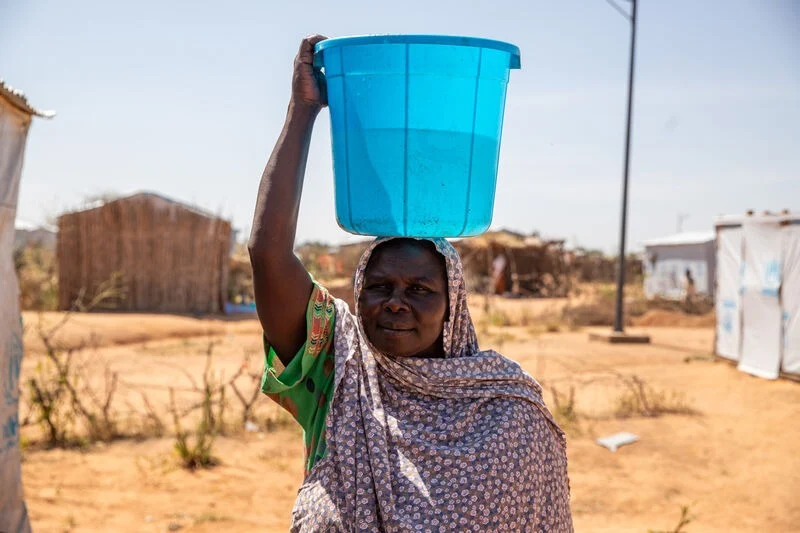
The escalating conflict in Sudan has led to more than 10 million people fleeing their homes. An estimated 910,000 people have crossed the border into Chad, adding to the pressure on the already limited resources in the country.
The humanitarian need in Chad was already significant before the Sudan conflict started. The eastern part of Chad was already hosting many refugees from Sudan before the recent influx of people trying to escape the the civil war. The country has also been impacted by violence from Boko Haram, food shortages, droughts, and climate change.
Learn more about the crisis in Chad, and how ShelterBox is working to support people there.
Donate now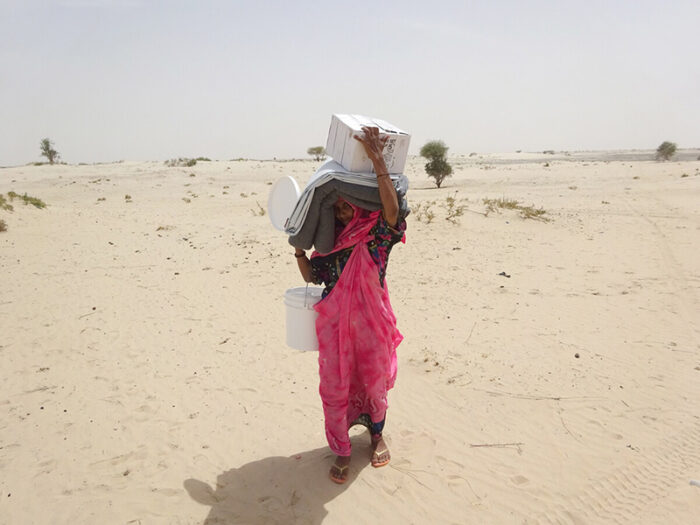

The conflict in Sudan has led to 10 million people leaving their homes. They are travelling to safer locations within Sudan, or across its borders.
Over 900,000 have fled to Chad from neighbouring Sudan. This includes people who were already internally displaced by previous conflicts in Sudan, as well as refugees from other countries that had previously sought safety in Sudan. 98% of these people are women and children.
People do not have adequate shelter.
This need is rising every day, made worse by a fourth consecutive year of acute food shortages in Chad. The country is also experiencing heavy rains, which makes the movement of materials and aid very difficult. It also creates challenging conditions for the people there.
The Sudan conflict explained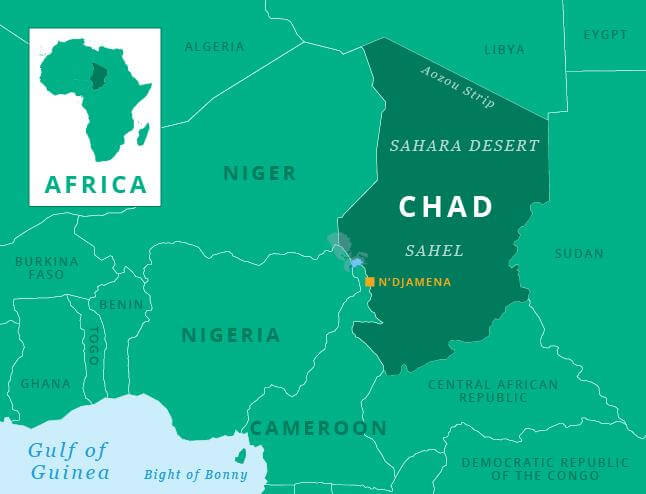
Chad is a landlocked country on the edge of some the world’s most violent conflicts.
It shares a border with Niger, Nigeria, Cameroon, the Central African Republic, and Sudan.
The Sahara Desert is in the north. The south of Chad is dominated by the Sudanian Savanna – a belt of tropical grassland that stretches from Nigeria to Ethiopia. The south is dominated by the Sudanian Savanna – a belt of tropical grassland that stretches from Nigeria to Ethiopia.
ShelterBox has worked to support Sudanese refugees in 2020, 2018 and 2014, supporting people displaced by conflict and extreme weather. We’ve provided crucial shelter assistance and other essential items.
ShelterBox has supported over 20,000 people in Chad since the beginning of the Sudan conflict in April 2023. Now, in partnership with HELP Tchad we’re working to improve living conditions and support the recovery of thousands more families.
We are providing emergency shelter items like tarpaulins and rope to help build temporary shelters. To make these shelters feel more like home, we’re providing essential items like solar lights, mosquito nets, blankets, sleeping mats, kitchen sets, and fuel efficient stoves.
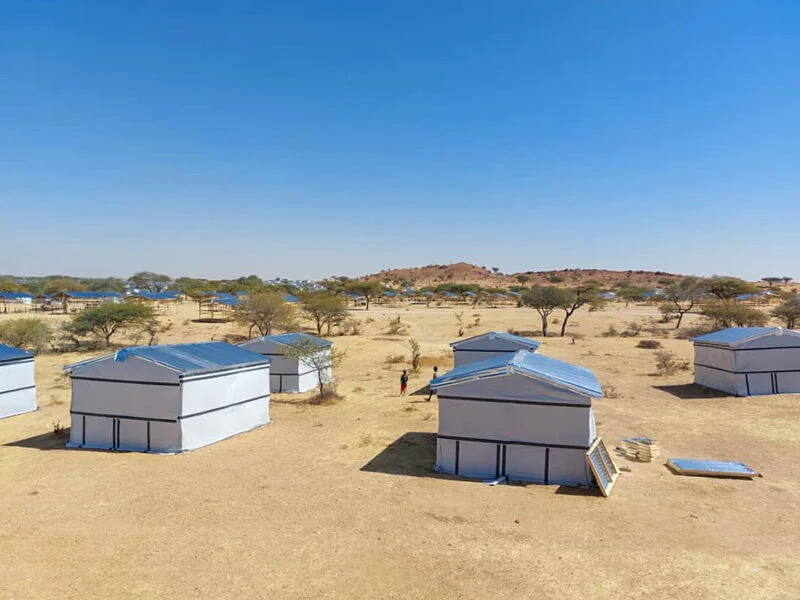
We’re also supporting families build longer-lasting mudbrick shelters by providing materials, tools, training, and cash assistance. This gives families the chance to start rebuilding their lives.
A ShelterBox team has recently been deployed to eastern Chad. They received feedback that people are happy that they are cool inside the semi-durable shelters. More than 300 mudbrick shelters have been built in camps at Tongori and Farchana. We’re continuing repairs and upgrades to mudbrick shelters in these areas.
Hundreds of thousands of people are fleeing from El Fasher, Sudan, into Chad. The need for emergency shelter in Chad is overwhelming.
We have a separate emergency project to donate tarpaulins, solar lights, and water carriers to UNHCR, helping thousands in the hardest-hit areas of eastern Chad.
We’ll also be supporting new arrivals to the transit areas of refugee camps. Our shelters will provide a temporary, safe home within the camp. Families can stay there until more durable shelters are available.
We are planning a further project to support people, set for 2026.
Learn more about the crisis in Sudan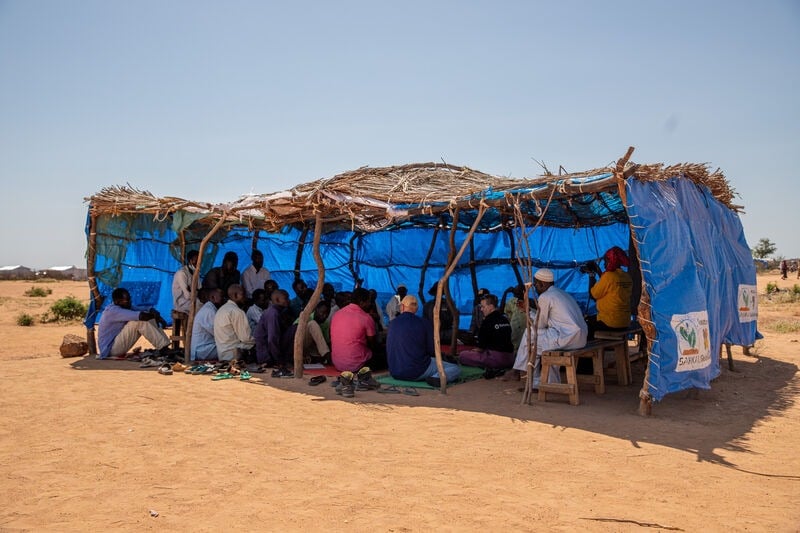
Some families have been living in emergency shelters since the war in Sudan began. Over time, shelters made from tarpaulins have worn down from constant exposure to the sun and weather.
We’re upgrading shelters to better support people who’ve been displaced for so long. We’re doing this by reusing existing tarpaulins to build shaded outdoor areas and building new homes from mudbricks. These naturally keep the inside cooler during the day and warmer at night.
We’re also using two types of bricks. Sun-dried clay bricks are eco-friendly and need less energy to produce compared to concrete or cement. In areas where there isn’t clay, we’re using fired bricks – made using only dead or dry wood to reduce environmental harm. These are more resistant to heavy rains and flooding.
We’re also addressing deforestation. Our aid package includes local ‘foyer amélioré’ stoves. They use less wood than traditional open fires – so families can cook more efficiently while protecting local forests.
How do Climate and Conflict Link?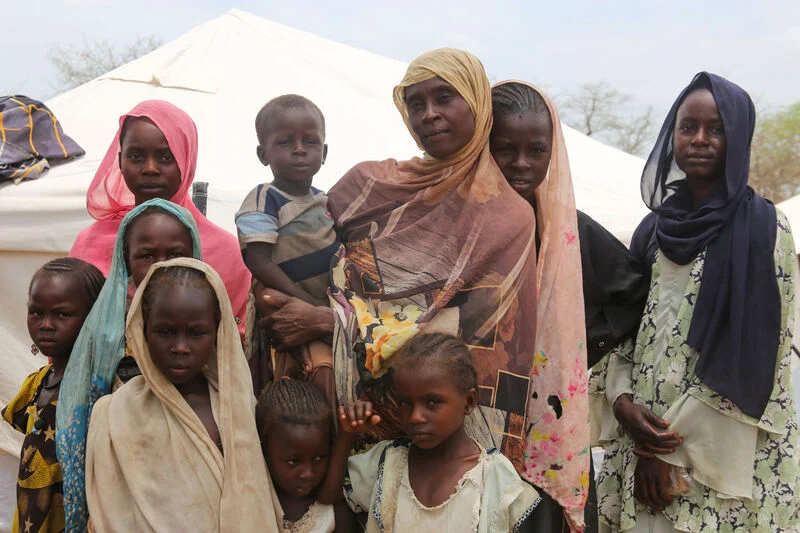
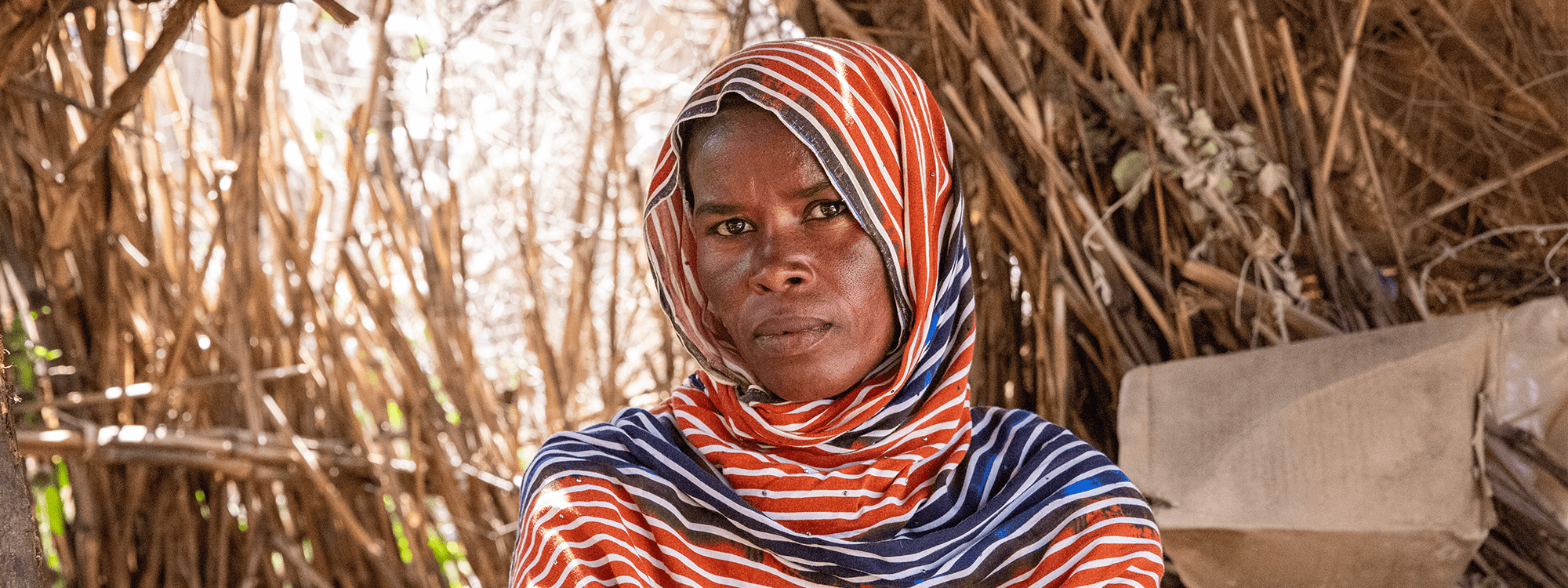
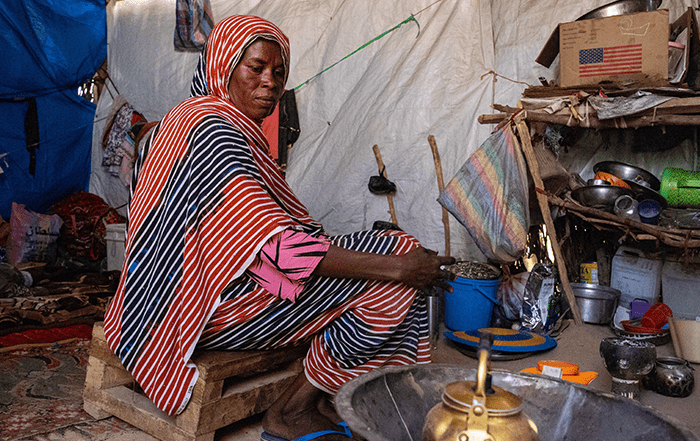
Many people arriving in Chad from Sudan do not have shelter. People have made structures from basic materials like branches cloth or waste plastic sheets. Families don’t have enough food, people are suffering in the heat without drinking water or shade. Health concerns like cholera and diarrhoea can rapidly spread because of lack of basic services.
One of the people we’ve supported is Hawa Abdullah, and her family. She described why she left Sudan.
No one remains in the village anymore. They left, anyone who remained was killed.
The war in Sudan has left 25 million people in need of assistance. We need donations to continue to support the people of Sudan who are now living in Chad.
Donate now